Health & WellnessS


Eye 1

Immunization Information Systems : 'Police state' registry system being set up to track your vaccination status

eye on you

Your government is watching and tracking your decisions - even saying "No" to vaccines.


The Centers for Disease Control has been quietly rolling out a nationwide program called the Immunization Information Systems (IIS), registering your vaccine information into a database. [1] This effort has been run in parallel with state vaccine registry implementations.

What is the intention of such programs?

My colleague Leslie Manookian, writer and director of the movie The Greater Good, wrote in a recent article, the "CDC has openly stated that vaccine registries are a tool to identify areas of 'undervaccination' so that they can be 'addressed' and brought into 'compliance.'" [2]

Comment: Are you thinking this is not possible? Think again: What happened to freedom of choice? Right to Vaccinate Vs. Medical Tyranny.

Back in 2013 Sayer Ji from greenmedinfo.com wrote the following article: UNICEF Surveils, Defames health sites over vaccines. Is the Immunization Information Systems just another step in tackling the growing trend of vaccine hesitancy?
The UNICEF report, titled "Tracking anti-vaccination sentiment in Eastern European social media networks," obtained data using "state-of-the-art social medial monitoring tools," and confirmed that parents are using social media networks to decide whether to vaccinate their children.

According to the report:
"The study reveals the urgent need to invest further in analyzing vaccine hesitancy, and immunization partners to develop joint strategies to tackle with this trend."
The report also makes the following recommendations:
"International agencies and other partners will need to combine forces and support governments to reverse this counterproductive trend and develop common strategies to promote immunization, as one of the most successful and cost-effective health interventions known in the world." [emphasis added]
While this report appears to have the objectivity and credibility long associated with world governmental health agencies, UNICEF does little to conceal its willingness to partner with, and accept money from, corporations who may have a vested interest in discrediting valid information about the unintended, adverse health effects of vaccines and/or their lack of effectiveness, such as manufacturers of vaccines themselves.


Syringe

Could high vaccination rates be the reason Mississippi has the worst health in the nation?

doctor bribe
In a Daily Beast opinion piece on December 15, Paul Offit - one of the vaccine industry's most strident ambassadors - puzzles over a seeming contradiction. How, Offit wonders, could the state of Mississippi, which has "the worst overall health in the nation," have used standout "efficiency" to achieve over 99.4% vaccine coverage in kindergartners? Rather than seriously investigate this apparent enigma, Offit presents his ready-made answer and reveals his article's true purpose. According to Paul Offit, Mississippi's high vaccination rates are due to the state's 1979 decision to make the government - rather than parents - the primary vaccine decision-maker for children.

Reflecting on the Mississippi Supreme Court's 1979 elimination of that state's religious exemption to vaccination, Offit applauds the Court's position, stating, "If a parent harbors a religious belief that contradicts a basic tenant [sic] of modern medicine...the state has a right to protect the child from the irresponsible acts of the parent." Offit - though a parent himself - tells readers that the state-determined "duty" to vaccinate supersedes other parental rights. In short, Offit appears to believe that coercion is the name of the game, openly admitting that he disapproves of the 47 states that still allow parents in the U.S. to take religious, moral or personal beliefs into account when making vaccine decisions on behalf of their children.

Comment: Paul Offit will admit no such thing. He is too entrenched in his beliefs that vaccines are necessary. After all, this is the same guy who claimed that it's safe to give a child 10,000 vaccines at once and he holds a highly profitable patent on the Rotateq vaccine. He'll never change his tune.


Ambulance

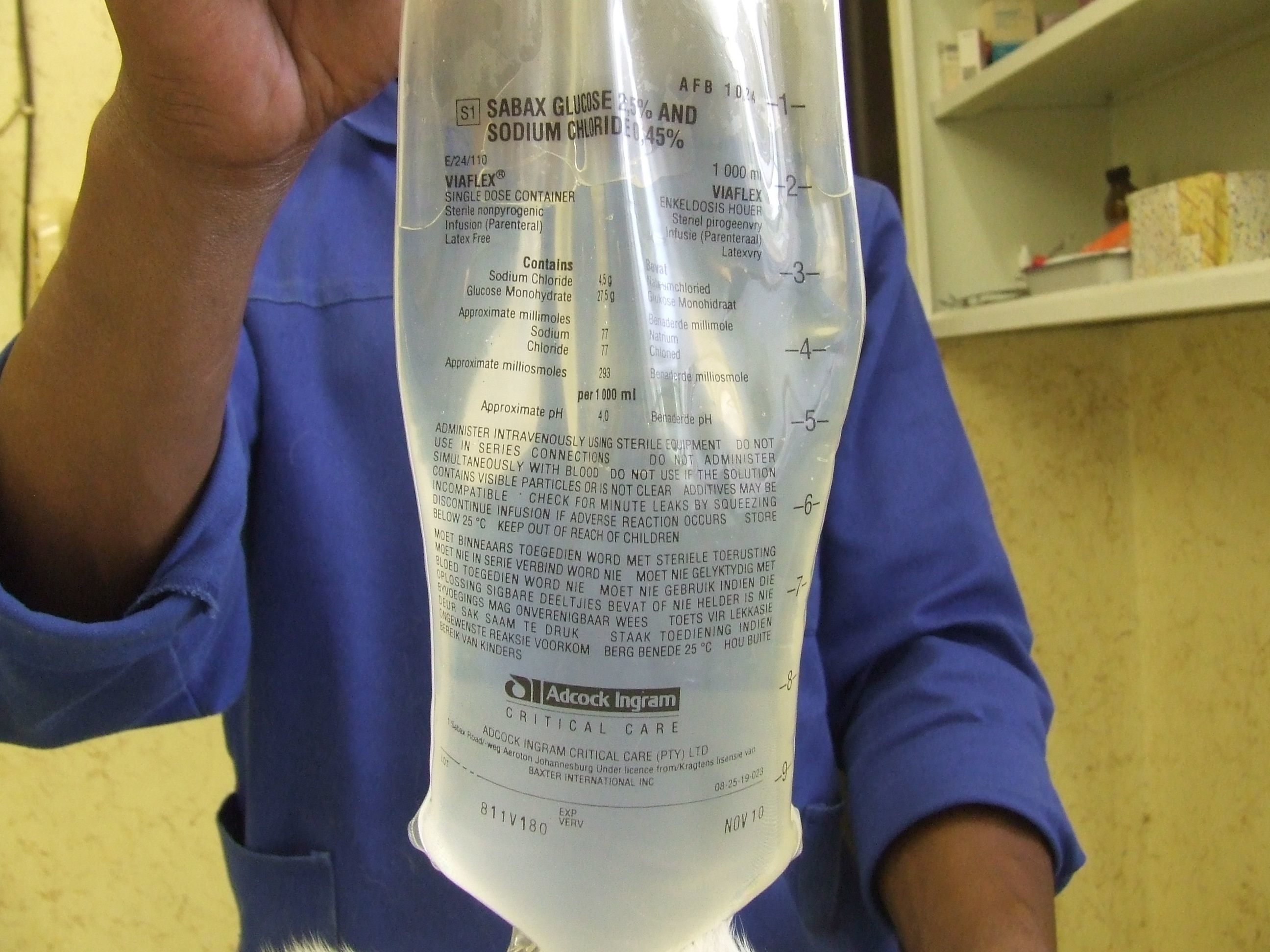
Flu season exposes the IV saline solution shortage as just the tip of the iceberg

intravenous saline
Approximately 80 percent of all pharmaceuticals used by Americans are produced overseas.
Flu season in the U.S. typically peaks in February, but this year's outbreak is already one of the worst on record. As of Jan. 6, 20 children have died from the flu, and overall mortality caused by the flu is already double that of last year's.

One reason the flu is so severe this season is that the dominant strain is H3N2, which has an impressive ability to mutate and is particularly aggressive against Americans over 50.

Making the threat worse is the fact that most of the IV saline bags used in common medical treatments and procedures - including severe cases of the flu - are made in Puerto Rico, which is still reeling from Hurricane Maria. Hospitals in some areas around the country that are operating at or above capacity because of the flu are quickly running low on saline, resorting to time-consuming and potentially dangerous treatments of patients.

The IV saline shortage is unlikely to cause a life-threatening breakdown of medical treatments. But the shortage does expose a dangerous flaw in the medical supply chains that everyone relies on to counter disease outbreaks or bioterrorism. Many different types of important medical equipment and medicines either come from abroad or rely on a single producer.

Pineapple

SOTT Focus: Stupid Things Vegans Say: The Word Salad of Dr. Milton Mills

dr. Milton Mills vegan
Sometimes vegans are funny. Well, not so much funny as, really freaking annoying. Arguments for veganism come from an emotional base, thus its logic is usually skewed, and relies on untruths and wishful thinking. This is why arguing with vegans is generally such a frustrating experience - they've made up their mind from an emotional perspective, and none of your facts are going to make a bit of a difference.

For an exercise in frustration, take a look at the Vegan Fallacies page. Note the number of unsupported statements, appeals to emotion and instances of circular reasoning. In fact, here's a fun game - go to the Your Logical Fallacy Is page and use it to analyze the Vegan Fallacies page and see how many logical fallacies you can find! Get the kids involved for some family fun!

Health

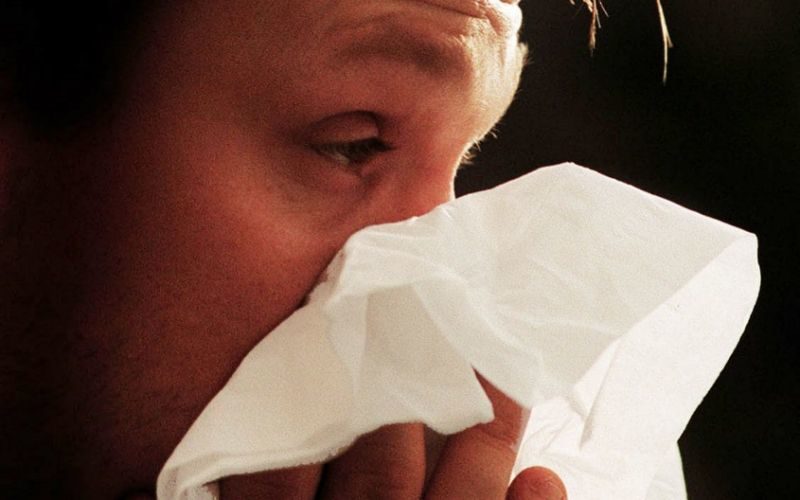
Flu epidemic set to hit UK as 8.3 million now suffering symptoms

England Britain flu cold
Statistics from Public Health England show a 2.5 fold rise in cases in the last two weeks
A flu epidemic will hit England within a fortnight, if current trends continue, according to latest figures showing more than eight million people now suffering symptoms.

The new data shows a "significant excess" of deaths among over 65s in England, and among those in all age groups in Scotland and Northern Ireland.

Across England, flu levels are currently approaching high levels, the statistics from Public Health England show, with a 2.5 fold rise in cases in the last two weeks.

Health

US flu season gets worse, busiest week for flu symptoms in nine years

Flu shot
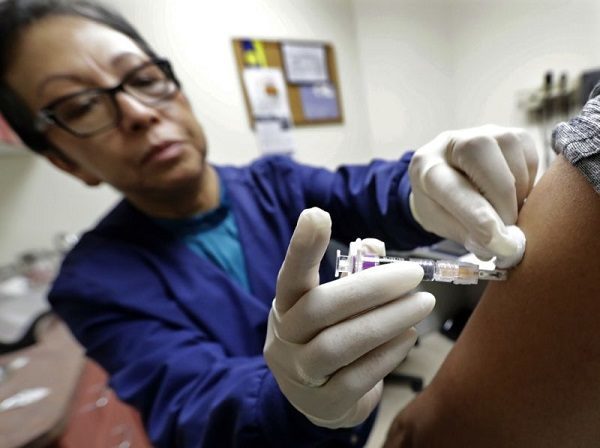
© AP Photo/Ted S. WarrenIn this Thursday, Jan. 11, 2018 file photo, Ana Martinez, a medical assistant at the Sea Mar Community Health Center, gives a patient a flu shot in Seattle. This year’s U.S. flu season got off to an early start, and it’s been driven by a nasty type of flu that tends to put more people in the hospital and cause more deaths than other common flu bugs.
The flu season in the U.S. is getting worse.

Health officials last week said flu was blanketing the country but they thought there was a good chance the season was already peaking. But the newest numbers out Friday show it grew even more intense.

"This is a season that has a lot more steam than we thought," said Dr. Dan Jernigan of the U.S. Centers for Disease Control and Prevention.

One measure of the season is how many doctor or hospital visits are because of a high fever, cough and other flu symptoms. Thirty-two states reported high patient traffic last week, up from 26 the previous week. Overall, it was the busiest week for flu symptoms in nine years.

Comment: See also: CDC funded study says flu may be spread just by breathing
It seems that all articles on the flu end with a pitch to get the flu shot. What this article failed to mention, however, is that the researchers found that viral shedding of flu virus was higher in study participants who'd had the current and previous year's vaccines. In other words, flu shots spread the flu!
Self-reported vaccination for the current season was associated with a trend (P < 0.10) toward higher viral shedding in fine-aerosol samples; vaccination with both the current and previous year's seasonal vaccines, however, was significantly associated with greater fine-aerosol shedding in unadjusted and adjusted models (P < 0.01). In adjusted models, we observed 6.3 (95% CI 1.9-21.5) times more aerosol shedding among cases with vaccination in the current and previous season compared with having no vaccination in those two seasons. Vaccination was not associated with coarse-aerosol or NP shedding (P > 0.10). The association of vaccination and shedding was significant for influenza A (P = 0.03) but not for influenza B (P = 0.83) infections.

...

The association of current and prior year vaccination with increased shedding of influenza A might lead one to speculate that certain types of prior immunity promote lung inflammation, airway closure, and aerosol generation. This first observation of the phenomenon needs confirmation. If confirmed, this observation, together with recent literature suggesting reduced protection with annual vaccination, would have implications for influenza vaccination recommendations and policies.
And from the acknowledgment section of the study:
This work was funded by Centers for Disease Control and Prevention Cooperative Agreement 1U01P000497 and by NIH Grant 5RC1AI086900. The findings and conclusions in this report are those of the authors and do not necessarily represent the official position of the funding agency.
Certainly not. The CDC wouldn't want the public to know that flu shots spread flu.


Book 2

Medicinal agroforestry: Amazon tribe saves plant lore with 'healing forests' and encyclopedia

amazon native protester
In a bid to safeguard knowledge the Matsés in Peru have been planting "medicinal agroforestry" plots and written a 1,044-page two-volume book.

The seven indigenous Matsés elders were slowly meandering through the forest. They were explaining how different trees and plants are used for medicinal purposes, exchanging stories about how they had acquired their extraordinary knowledge and put it to good use. There were memories of an encounter with a jaguar and someone's father struck by some kind of pain in the eye - "not conjunctivitis!" - while claims were made for successfully treating women haemorrhaging, snake-bite, a swollen leg and constipation.

Beaker

Silent killer chemicals: How to reduce your exposure to hormone-disrupting chemicals

hormones
© Roman Stetsyk/Shutterstock
Our government won't protect us from these harmful chemicals, so we have to protect ourselves.

What keeps you up at night? Sick kids, restless pets, the latest tragedy on the evening news, politics, wars, earthquakes, hurricanes, fires, money troubles, job stress, and family health and wellbeing? There is no shortage of concerns that make us all toss and turn.

But what keeps the chemical industry up at night? A couple of decades ago a senior Shell executive was asked this very question. The answer? Endocrine disruption.

If you can even pronounce "endocrine disruption," you're doing well. What is it? Why should we care? And why is it keeping chemical bigshots up at night?

Comment: Endocrine Disruptors Really Do Suck


Cardboard Box

CRISPR-edited food may be in supermarkets sooner than you think

CRISPR
© WIkipediaA field of Camelina sativa, or false flax.
In September, the U.S. Department of Agriculture gave the green light to a version of the plant Camelina sativa, an important oilseed crop that had been genetically engineered using CRISPR to produce enhanced omega-3 oil. What was interesting about this approval was that the USDA did not ask that the inventors of the plant endure the usual regulatory hoops required to sell biotech crops. The next month, a drought-tolerant soybean variety developed with CRISPR also got a quick pass from the USDA.

That's because while those crops were certainly gene-edited, they were not genetically "modified," according to USDA regulations. While scientists used CRISPR to snip and tweak the plant's DNA, they did not add any foreign DNA to it. This, the USDA has now repeatedly found, means those CRISPR-edited plants fall outside of regulatory purview.

Comment: Read more about how CRISPR genetically engineered foods could change the GMO debate:


Health

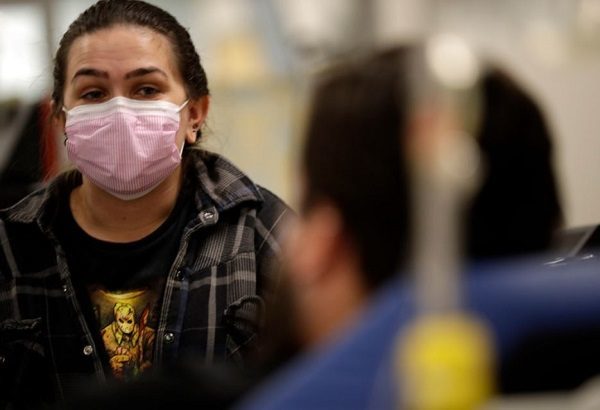
CDC funded study says flu may be spread just by breathing

respiratory mask
© AP Photo/Gregory Bull
Until now, most people thought you caught the flu after being exposed to droplets from an infected person's coughs or sneezes, or by touching contaminated surfaces.

But a new study in the Proceedings of the National Academy of Sciences reveals that we may pass the flu to others just by breathing.

The study - which included researchers who are now working at San Jose State University and UC Berkeley - offers new evidence on the importance of the flu's airborne qualities and how it can easily be transmitted to others. Researchers found large quantities of infectious viruses in the breath exhaled by those suffering from the flu.

"The study findings suggest that keeping surfaces clean, washing our hands all the time, and avoiding people who are coughing does not provide complete protection from getting the flu," Sheryl Ehrman, who is now dean of the College of Engineering at San Jose State University, said in a statement. "Staying home and out of public spaces could make a difference in the spread of the influenza virus."

Ehrman said the study was launched at the University of Maryland during the flu season of December 2012 through March 2013. Researchers including Jovan Pantelic, who now works at UC Berkeley, recruited 178 volunteers, mostly students, who had shown flu symptoms within three days of the flu's onset.

Comment: It seems that all articles on the flu end with a pitch to get the flu shot. What this article failed to mention, however, is that the researchers found that viral shedding of flu virus was higher in study participants who'd had the current and previous year's vaccines. In other words, flu shots spread the flu!
Self-reported vaccination for the current season was associated with a trend (P < 0.10) toward higher viral shedding in fine-aerosol samples; vaccination with both the current and previous year's seasonal vaccines, however, was significantly associated with greater fine-aerosol shedding in unadjusted and adjusted models (P < 0.01). In adjusted models, we observed 6.3 (95% CI 1.9-21.5) times more aerosol shedding among cases with vaccination in the current and previous season compared with having no vaccination in those two seasons. Vaccination was not associated with coarse-aerosol or NP shedding (P > 0.10). The association of vaccination and shedding was significant for influenza A (P = 0.03) but not for influenza B (P = 0.83) infections.

...

The association of current and prior year vaccination with increased shedding of influenza A might lead one to speculate that certain types of prior immunity promote lung inflammation, airway closure, and aerosol generation. This first observation of the phenomenon needs confirmation. If confirmed, this observation, together with recent literature suggesting reduced protection with annual vaccination, would have implications for influenza vaccination recommendations and policies.
And from the acknowledgment section of the study:
This work was funded by Centers for Disease Control and Prevention Cooperative Agreement 1U01P000497 and by NIH Grant 5RC1AI086900. The findings and conclusions in this report are those of the authors and do not necessarily represent the official position of the funding agency.
Certainly not. The CDC wouldn't want the public to know that flu shots spread flu.