Health & WellnessS


Hourglass

Work less - our lives may depend on it

over worked
© Big Think
The May bank holiday is intimately linked to labour history and to struggles over time spent at work. In the US, May Day has its origins in the fight for an eight-hour work day at the end of the 19th century. This fight was - and remains - a quest for a broader ideal, namely the achievement of a life beyond work.

Yet, on this May bank holiday, we are struck by the lack of progress towards this ideal. Work has not diminished in society. Rather, it has continued to dominate our lives, often in ways that are detrimental to our health and well-being. Many US workers have found themselves working more than eight hours a day - the dream of working less promoted by their forebears has turned into a nightmare of long hours of work, for no extra pay. UK workers have not fared much better, at least in recent years, facing lower real pay for the same or longer hours of work.

Comment: Less is more: Swedish experiment finds 6-hour working day 'boosts productivity and makes people happier'


Info

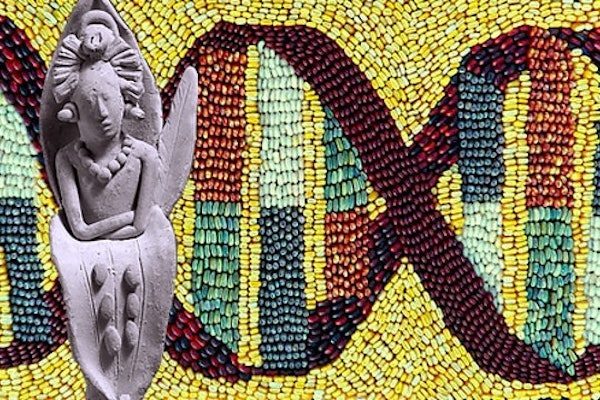
Corn: What you may not know about this ancient grain

Corn
© Massive Science
Corn (also known as maize) is among the oldest of cultivated grains, dating back 10,000 years to pre-Mayan times in South America. But corn didn't make it onto European menus until 1493 when Christopher Columbus brought seeds to Spain. Corn was rapidly embraced, largely replacing barley and millet due to its spectacular yield per acre.

Widespread, habitual consumption of cornbread and polenta resulted in deficiencies of niacin (vitamin B3) and the amino acids lysine and tryptophan, causing epidemics of pellagra, evidenced as what physicians of the age called "The Four Ds": dermatitis, diarrhea, dementia, and death. Even today, pellagra is a significant public health issue in rural South America, Africa, and China. Meanwhile, in coastal Peru, Ecuador, Mexico, and the Andes mountain highlands, increased corn consumption led to increased tooth decay, tooth loss, anemia, and iron deficiency, as well as loss of height in children and adults.

Comment: Corn (Maize) Gluten is Harmful - Not Safe For Those With Gluten Sensitivity


Cheeseburger

The eating window: Having all your meals before 3pm could be good for your health

giant sandwich
© flashpop/GettyIs it worth squeezing all your food into just 6 hours?
Not eating carbs after 6pm is a common diet tip, but here's a new idea. A small study of overweight men suggests that not eating anything at all after 3pm reduces appetite, cuts blood pressure, and may prevent diabetes.

Time-restricted eating has been found to stabilise blood sugar levels and reduce diabetes risk in mice, but rigorous studies in people have been lacking. To address this, Courtney Peterson at the University of Alabama at Birmingham and her colleagues tested a diet in 8 overweight men who were all on the threshold of developing type 2 diabetes.

For five weeks, the volunteers ate identical breakfasts, lunches and dinners under supervision. Half were assigned to eat all three meals within a 6-hour period ending no later than 3pm, while the other four ate theirs within a more normal 12-hour time frame. After five weeks, the groups swapped for a further five weeks.

Comment: Time-restricted eating is being uncovered to be a rather remarkable way of boosting health, in the form of weight loss, blood sugar control and even controlling for neurodegenerative disease. See also:


Info

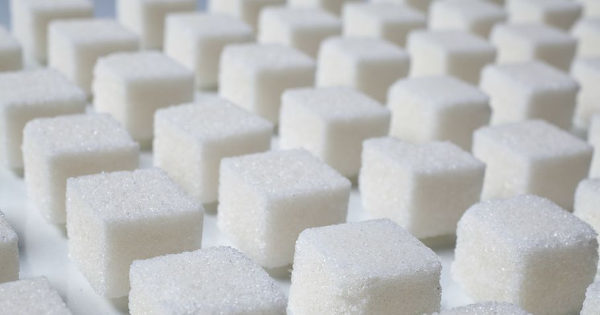
Sugar may be a leading cause of kidney stones - not salt

sugar
If you're at risk for or have had a kidney stone, you have probably been advised to cut your salt intake. Consuming a high-salt diet causes an increased loss of calcium in the urine, so the theory is that cutting salt will reduce the amount of calcium in the urine, in turn decreasing the risk of kidney stones. It's a theory that has been promoted for years.

However, long forgotten is that salt has been known for decades to reduce the risk of kidney stones in animals. When consuming more salt, animals will increase their intake of water, which dilutes the urine and reduces the risk of kidney stone precipitation. And the same thing occurs in humans.

Comment: What really causes kidney stones (and why vitamin C does not)


Bandaid

Europe: Cases of measles have quadrupled in just one year

measles
Measles is making a return in Europe. More than 21,000 cases were reported in the region in 2017 - a 300 per cent increase on 2016, according to the World Health Organization (WHO).

Measles cases dipped to a record low in Europe in 2016. But last year saw large outbreaks in 15 countries that resulted in 35 deaths. Romania, Italy and Ukraine had the most cases, but outbreaks affecting more than 100 people were also seen in the UK, Germany and France, among others.

Comment: See also:


Brain

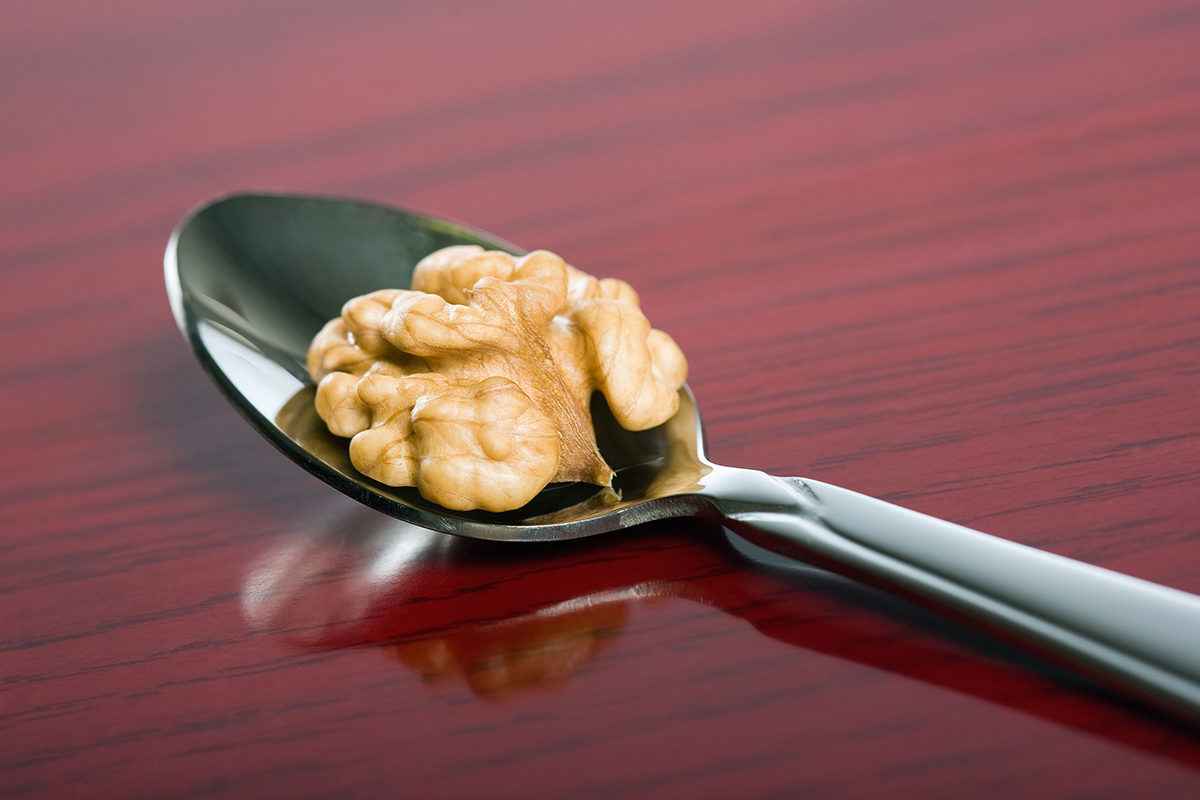
Fasting gives neurons more energy, boosting brainpower

walnut on spoon
© Gergely Kishonthy / Alamy Stock PhotoFasting diets may make you smarter.
Could regular fasting make you smarter? People following regimes like the popular 5:2 diet usually do so for weight loss, but some who try it say it makes them mentally sharper too.

If this is true, experiments in mice may have explained why. In these animals, fasting has been found to cause changes in the brain that likely give neurons more energy, and enable them to grow more connections.

Mark Mattson of the National Institute on Aging in Bethesda, Maryland and his team looked at 40 mice, which were given regimes in which they either ate nothing every other day, or ate normally - but consumed the same total calories as the fasting mice.

Comment: The benefits of fasting are numerous, as well as being pretty amazing. Boosting brainpower is one of them, but the benefits for overall health, energy, weight loss, immunity and more make it a true healing modality.

See also:


Magnify

Does exposure to animals during childhood buffer the body's response to stress as adults?

animals
© (AP Photo/The Day, Sean D. Elliot)A child reaches out to pet a cow at a Connecticut farm. New research comparing men who grew up on farms with men who grew up in cities offers evidence that exposure to animals during childhood affects the immune system's response to stress in adulthood.
New research offers evidence for a claim made regularly by country music singers: Growing up with a little dirt under his nails may make a country boy a little shy. But compared to a born-and-bred city slicker, that country boy will grow up to be a stronger, healthier and more laid-back man.

In ways large and small, farm kids and city kids grow up worlds apart from each other. A study published this week in the Proceedings of the National Academy of Sciences explores the possible consequences of that divergence for the health of modern men.

Comment: The Health & Wellness Show: Gettin Down and Dirty! The Health Benefits of Dirt


Cupcake Pink

Oh My! Brand-name foods are loaded with artificial food dye

food dye
© Ariana StoneA child who eats 2 cups of Kraft Macaroni & Cheese, a small bag of Skittles, and 8 ounces of Crush Orange will consume 102 milligrams of artificial dye. Behavioral tests found as little as 30 mg can cause adverse reactions.
Amounts in Some Foods Exceed Levels Used in Many Tests of Dyes' Impact on Children's Behavior

Many studies have shown that food dyes can impair children's behavior, but until now the amounts of dyes in packaged foods has been a secret. New research by Purdue University scientists, published in the journal Clinical Pediatrics, reports on the dye content of scores of breakfast cereals, candies, baked goods, and other foods. According to the nonprofit Center for Science in the Public Interest, the findings are disturbing since the amounts of dyes found in even single servings of numerous foods-or combinations of several dyed foods-are higher than the levels demonstrated in some clinical trials to impair some children's behavior.

Comment: Food Dyes: The Toxic Situation: Also read ADHD: It's The Food, Stupid to understand the importance of illuminating all food additives, dyes, and preservatives commonly found in the majority of industrial foods.
There are a multitude of credible scientific studies to indicate that diet plays a large role in the development of ADHD. One study found that the depletion of zinc and copper in children was more prevalent in children with ADHD. Another study found that one particular dye acts as a "central excitatory agent able to induce hyperkinetic behavior." And yet another study suggests that the combination of various common food additives appears to have a neurotoxic effect - pointing to the important fact that while low levels of individual food additives may be regarded as safe for human consumption, we must also consider the combined effects of the vast array of food additives that are now prevalent in our food supply.


Health

Burning the midnight oil: Why sleeping less than 7 hours a night is a recipe for poor health and a shortened life span

got sleep?
got sleep?
In the featured video, Joe Rogan interviews professor Matthew Walker, Ph.D., founder and director of the University of California Berkeley's Center for Human Sleep Science and author of the book "Why We Sleep: The New Science of Sleep and Dreams,"1 in which he shares the latest discoveries about sleep and how it impacts virtually every area of your physical and mental health.

I read Walker's book last fall, and share his view that sleep is profoundly important - even more important than diet and exercise. After all, you're not likely to reap maximum rewards from other healthy lifestyle habits if you're constantly exhausted. Beyond that, lack of sleep has been shown to raise your risk for chronic illnesses such as dementia, cancer, diabetes, heart disease and obesity.

In fact, the World Health Organization has tagged shift work as a "probable human carcinogen" because it causes circadian disruption.2 Lack of sleep is also associated with shorter lifespans. Like Walker, I believe getting quality sleep, and enough of it, is the single most effective thing you can do to reset your brain and body and invigorate your health on a daily basis.


Comment: Additional techniques for improving sleep:


Alarm Clock

Across the US - 'Deaths of despair' surge

death
© Addiction Now
West Virginia is one of the hardest-hit states with a "deaths of despair" mortality rate of 83 per 100,000 population.

So-called "deaths of despair" are on the rise in the U.S., according to a newly released report on state healthcare.

The combined death rate from suicide and drug use has skyrocketed 50% between 2005 and 2016, the Commonwealth Fund revealed in its 2018 Scorecard on State Health System Performance report.

Together, alcohol use, drug overdoses and suicides are often known as "deaths of despair," a category of mortality that has risen in every state and doubled in some.