Health & WellnessS


Brain

Research suggests serotonin receptors may be key to enhancing memory

Brain, memory
Understanding the nuts and bolts of memory might one day help us to enhance it.
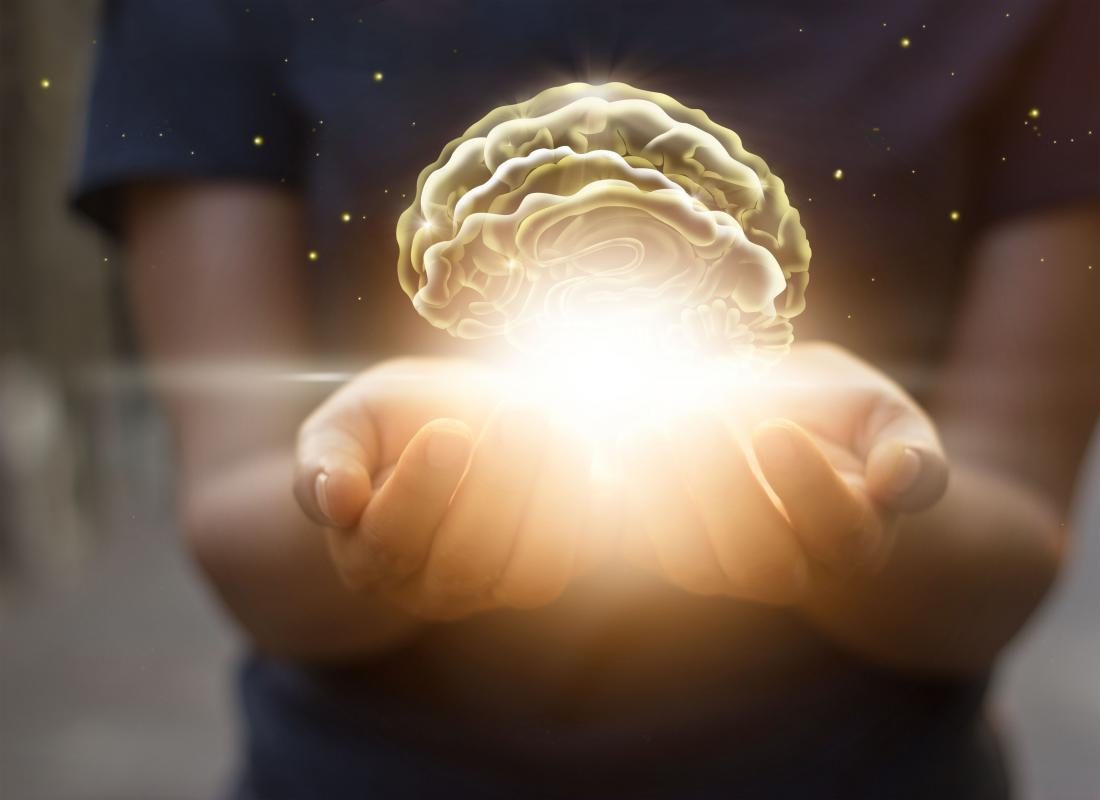
A recent study gains fresh insight into the specific receptors that are involved in creating memories. The scientists hope that, in the future, this discovery could help to battle age-related cognitive decline.

Designing a medication to enhance memory is the stuff of science fiction, and it is likely to remain in that realm for a very long time.

However, leaps and bounds are currently being made in the field of memory research.

Steadily, as neuroscientists explore deeper into the brain, the mechanisms of memory formation are becoming clearer, and the ways to enhance them are drawing ever closer.

Scientists at Columbia University Irving Medical Center in New York City, NY, are at the forefront of this research. Led by Catia M. Teixeira, Ph.D., and Zev B. Rosen, Ph.D., they focused their latest project on serotonin release in the hippocampus and its impact on memory.

Comment: No need to wait for some pie-in-the-sky drug, there are plenty of effective lifestyle strategies for maintaining and enhancing cognitive function:


Bullseye

Want to lose your virginity again? A medical marvel at a high price

Kiss
© Tara Moore / Getty Images
Over 100 women have 'become virgins again' in the past 10 years through the medical marvel that is the NHS, a Freedom of Information request reveals. Over 80 percent of women who had the £35,000 ($47,300) operation were single.

The reconstruction surgery was performed 109 times from 2007 to 2017, costing the women up to £35,000 ($47,300) per operation. NHS England declined to reveal if the surgery was given to patients suffering mental issues, however, health service rules say such operations can be carried out where there are "physical and psychological" issues.

The reconstructive surgery was most frequently carried out at Norfolk and Norwich University Hospital. Patients at the Norwich facility underwent the hymen reconnection 50 times since 2012, but the hospital did not reveal the cost of each procedure.

The Luton and Dunstable University Hospital in Bedfordshire did reveal their price tag of £12,727 ($17,210) per procedure. The centre performed 12 operations in total.

Brain

A surprising medical treatment for IBS and other gut disorders: Hypnosis

hypnosis
© Shutterstock
Major hospitals are finding hypnotherapy can help sufferers of digestive conditions like heartburn, colitis, acid reflux and irritable bowel syndrome

Sarah Blau settles into a wicker chair, stretching her feet onto an ottoman.

In a soothing voice, Laurie Keefer, says, "I'm going to count from one to three, and as I count, your eyelids will get heavy and they'll close whenever it feels right."

Dr. Keefer, a health psychologist at Mount Sinai Health System, has Ms. Blau progressively relax each part of her body and guides her to "a place of rest and comfort and healing."

"Enjoy the beauty of this natural, healing place," she tells her, "and as you do, something very powerful and healthy and positive is taking place deep inside your body. Your body knows what it needs to maintain healing your gut. It knows how to keep pleasant sensations in and avoid pain and discomfort."

Comment: Enlisting the brain to help deal with gut issues is a good complementary treatment, but more basic factors will need correcting to truly heal the condition.


Pills

Landmark study finds commonly prescribed anticholinergic medications raise risk of dementia

drugs Anticholinergics dementia
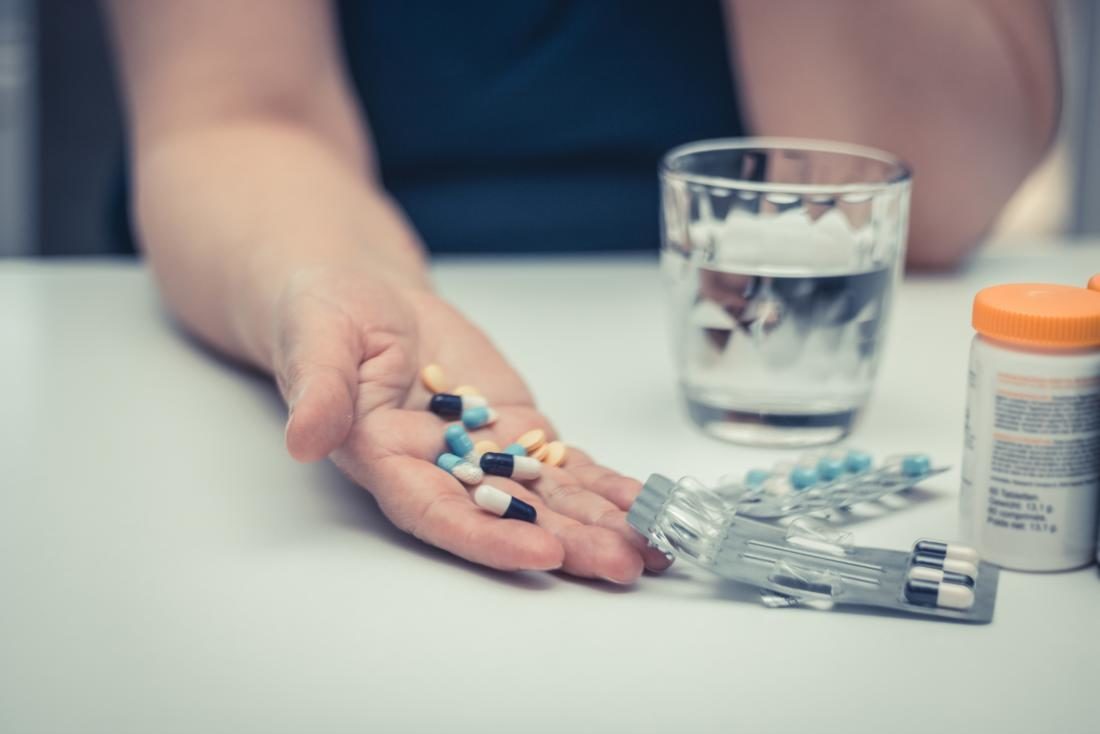
Anticholinergics for depression, such as amitriptyline, dosulepin, and paroxetine, have previously been linked to higher risk of dementia, even when they were used up to 20 years beforehand.
A landmark study has linked the long-term use of certain anticholinergic drugs to a higher risk of dementia later on.

This investigation is believed to be the "largest and most detailed" study to date into long-term anticholinergic use and dementia risk.

Anticholinergics work by blocking a chemical messenger, or neurotransmitter, called acetylcholine that carries brain signals for controlling muscles.

They are used to treat a variety of conditions, from Parkinson's disease and loss of bladder control to asthma, chronic obstructive pulmonary disease, and depression.

Anticholinergics for depression, such as amitriptyline, dosulepin, and paroxetine, have previously been linked to higher risk of dementia, even when they were used up to 20 years beforehand.

Some studies have also suggested that use of any anticholinergic is linked to raised risk of dementia.

Comment: Related:


SOTT Logo Radio

SOTT Focus: The Health & Wellness Show: Gettin Down and Dirty! The Health Benefits of Dirt

dirt
© Tim Schutsky for wiredOne chemist thinks he’s found a way for us to outrun the lethal juggernaut of antibiotic resistance.
Humanity has become completely obsessed with the idea of cleanliness - antibacterial soaps and cleaners, hand sanitizers, antibiotics... The misguided hygiene hypothesis has done us a serious disservice to humanity, convincing us all that 'germs are bad'. It's reported that many millennials won't even touch raw meat. It seems we've become unnaturally afraid of the microscopic component of our reality.

Is there legitimate concern here? Are we floating in a sea of evil microbes that are just waiting to infect and kill us? It's more likely that we're looking at a serious overreaction. Like it or not, we are completely surrounded by an unbelievably diverse ecosystem of microbes that live in almost every habitat on the planet. There is no escape, so perhaps we should all get more comfortable with this particular reality, drop the OCD need to control every aspect of the environment and learn to make microbes your friends.

Join us on this episode of the Health and Wellness Show as we explore the benefits of playing in the dirt! Find out how soil microbes helped us to evolve, keep us healthy, treat depression and may even fight antibacterial resistance.

Running Time: 01:03:08

Download: MP3


Dollars

Fueling the opioid crisis: Doctors who prescribe the most opioids get paid the most from drug companies

Doctors take kick-backs from big pharma
Opioid addiction is at an all-time high in the U.S. - so much so, it's been identified as a significant factor in unemployment among men,1 and opioid overdoses are now the leading cause of death among Americans under the age of 50.2 According to the Centers for Disease Control and Prevention (CDC), of the more than 63,600 Americans who died from drug overdoses in 2016,3,4 more than 42,000 were related specifically to opioids5 - a 28 percent jump in opioid deaths from the year before.

As if that's not disturbing enough, recent research6 suggests opioid overdose deaths are being undercounted by 20 to 35 percent, due to drug omissions on death certificates.7 In many cases, the specific drug that contributed to the death isn't listed on the death certificate, and it's quite likely that many of the general "drug deaths" are actually due to opioids specifically. According to this paper, a more accurate count would probably put the opioid-related death toll at nearly 40,000 for 2015 and closer to 50,000 for 2016.

The most common drugs involved in prescription opioid overdose deaths are methadone, oxycodone (such as OxyContin®) and hydrocodone (such as Vicodin®),8 and evidence suggests opioid makers such as Purdue Pharma, owned by the Sackler family, knew exactly what they were doing when they claimed opioids - which are chemically very similar to heroin - have an exceptionally low addiction rate when taken by people with pain.

In fact, the massive increase in opioid sales has been traced back to an orchestrated marketing plan aimed at misinforming doctors about the drug's addictive potential. Remarkably, despite widespread discussion about the dangers of opioids and the high risk of addiction, and despite updated treatment guidelines for back pain that stress nondrug interventions over pain killers, doctors are still overprescribing these drugs.

Snowflake

Brain freeze: Adapting to life in the frigid north may have been a real headache

A genetic analysis by latitude reveals variation in a cold-sensing protein linked to migraines
Genetic variation cold sensitive protein
© Viktor La/ShutterstockA certain genetic variation in a cold-sensitive protein is far more common in people of northern European ancestry than in Asians or Africans. This variation has also been linked to migraine headaches, which occur more frequently in this population.

In Finland, 88 percent of people have a genetic variation that increases their risk for migraines. But in people of Nigerian descent, that number drops to 5 percent.

Coincidence? Maybe. But a new study suggests that, thousands of years ago, that particular genetic mutation increased in frequency in northern populations because it somehow made people better suited to handle cold temperatures. That change may have had the unfortunate consequence of raising the prevalence of these severe headaches in certain populations, researchers report May 3 in PLOS Genetics.

The mutation is in a stretch of DNA that controls the behavior of TRPM8, a protein that responds to cold sensation. People with the older version of this DNA snippet seems less susceptible to migraines than people with the mutated version, previous studies have shown.

Using a global database of human genetic information, evolutionary geneticist Aida Andres and her colleagues showed a correlation between the frequency of the mutation in a given population and that population's latitude. It's rare in Africa, for example, but fairly common across Europe.

Info

More reasons why you should take a nap

napping
© Penn State
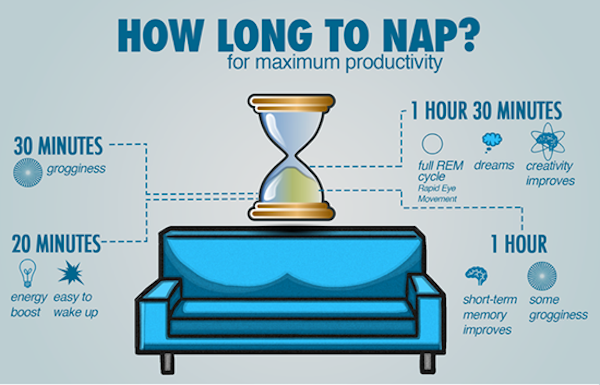
Naps can protect your health and boost your waking performance.

Naps are not an indulgence or a sign of laziness, but a powerful means of rejuvenating your mental and physical well-being. Here are four reasons why you should try to find the time and place for a brief daytime snooze.


You probably need it.


Many people today are sleep deprived at moderate to severe levels. Long work hours, busy personal lives, noisy urban environments, and the stimulation of multiple electronic devices are all making it harder than ever to get as much sleep as our minds and bodies require. A quick siesta cannot make up for all the sleep you've lost, but taking a nap whenever you have the chance will protect your health and diminish the long-term effects of sleep deprivation.

Comment: More reasons to take a daily nap:


Sun

The dangers of chemical based sunscreen: Oxybenzone & Octinoxate

sunscreen
On Wednesday, Hawaiian lawmakers passed a bill banning the sale and distribution of sunscreens containing oxybenzone and octinoxate, chemicals thought to be harmful to the ocean's coral reefs. The ingredients can potentially increase coral's susceptibility to bleaching, and up to 14,000 tons of sunscreen reportedly end up in coral reefs every year.

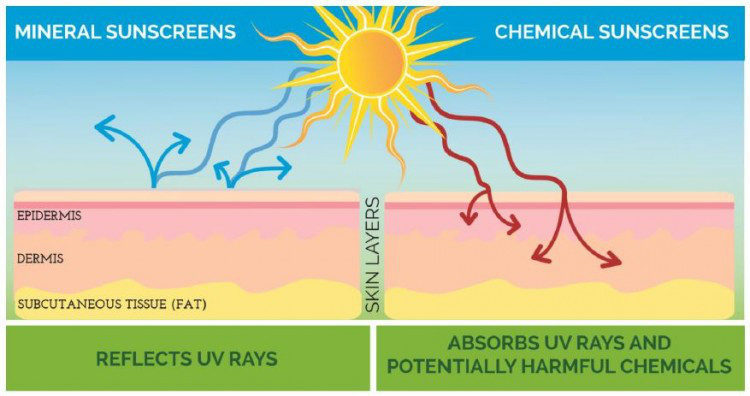
Oxybenzone and octinoxate are two of the most popular ingredients in chemical sunscreens ― that is, sunscreens that use chemicals as the active ingredient. Chemical sunscreens dominate the shelves at most drugstores and rely on a chemical reaction to protect skin from the sun's rays.

That got us thinking: If oxybenzone and octinoxate can cause harm to coral, what are they doing to our bodies?

Comment: There is evidence that toxic chemicals in sunscreen can be harmful. Chemicals like Oxybenzone & Octinoxate can disrupt the endocrine system - endocrine disruptors - and cause DNA mutation. Read more about debunking the myths surrounding sun exposure and sunscreen:


Wine n Glass

Yet again: Study confirms repeated alcohol consumption damages the brain

alcohol brain stem cells
The study found that repeated alcohol consumption damages many parts of the brain and the areas most susceptible are in two regions that are responsible for the production of new brain cells.
Study found thinning in areas of the brain important for memory, language, awareness, consciousness and attention.

Binge drinking of alcohol is linked to brain damage in young people, new research finds.

Binge drinking is defined in the US as four or more standard alcoholic drinks for women or five or more for men in two hours.

Using alcohol in this way was linked to thinning in areas of the brain important for memory, language, awareness, consciousness and attention.

For example, binge drinking is associated with problems learning new words in young people.

Comment: More on the effects of alcohol: