Health & WellnessS


Light Saber

The Great Gut Flora War: Why the bacteria in your gastrointestinal tract matters

food
Well-functioning intestinal flora are key to staying healthy. Here's why:

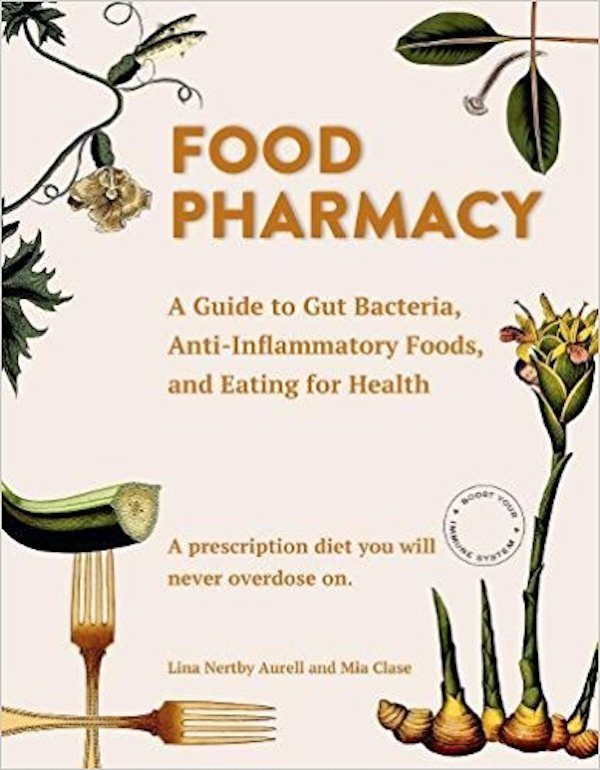
Excerpted with permission from Food Pharmacy: A Guide to Gut Bacteria, Anti-Inflammatory Foods, and Eating for Health by Lina Aurell and Mia Clase. Copyright 2018 by Skyhorse Publishing, Inc.
Without getting ahead of ourselves, we can start by noting that the key to staying healthy and free of inflammation and chronic illness is a well-functioning intestinal flora. Simply put, this flora is the bacteria and microorganisms that exist naturally in the intestine. In an adult, this is between 3.3 to 4.4 lb of bacteria. The intestine is a huge ecosystem containing several hundred different types of good and bad bacteria, which is an amount at least ten times greater than the number of body cells we have-approximately a hundred trillion. So, in that respect, you're actually more bacteria than human. Most of your immune defense (or immune system, as it is also called) is in the gut (gastrointestinal tract), a truly fascinating system that's built on a close collaboration between immune cells in the intestinal wall and your army of good intestinal bacteria. To fight inflammation, it is vital that only the good bacteria hook onto those immune cell receptors in the intestine. If the bad bacteria latch on to the receptors instead, you will have inflammation and lesser resistance against infection.

Brain

Brain cells in the hypothalamus govern aging

aging, elderly, time running out
Discovering the cause of aging is key to eventually stopping the clock. New research suggests that brain cells control aging to a greater extent than previously known.

People in the West are obsessed with stopping the clock. We invest in plastic surgeries and anti-aging treatments, as well as a wide variety of supplements purported to stop aging or at least slow the process. However, new research suggests that we should be looking deeper when we seek the cause of aging. Could we be approaching the process of aging from the wrong angle? Could brain cells control aging?

What Causes Aging?

While few people wish to live forever, most of us want to age as slowly and gracefully as possible. However, aging is difficult to stop because its effects are not just evident on our skin, but in every cell of our bodies. In addition to wrinkles and external signs of aging, people also suffer slower cognition, memory loss, reduced organ function and even changes to the body's circadian rhythm. Our senses, including hearing, vision and even taste, gradually become dull and even shut down.

Comment: Check out the following counterarguments before avoiding the sun and getting plenty of exercise as advised above:

Brain power and muscle power have much in common
Dr. Doug McGuff, author of Body by Science counters the above assessment, stating that resistance training, done properly, is much safer and more beneficial than aerobics for cardiovascular and overall health. More good news is that this program can be accomplished is as little as 12 minutes once per week.
Photobiomodulation therapy: Healing the body with light

Don't Believe the Hype -- Fructose Truly is Much Worse Than Glucose


Pills

Deadly duos: Deaths from synthetic opioid mixes surge past prescription opioids

Synthetic opioids
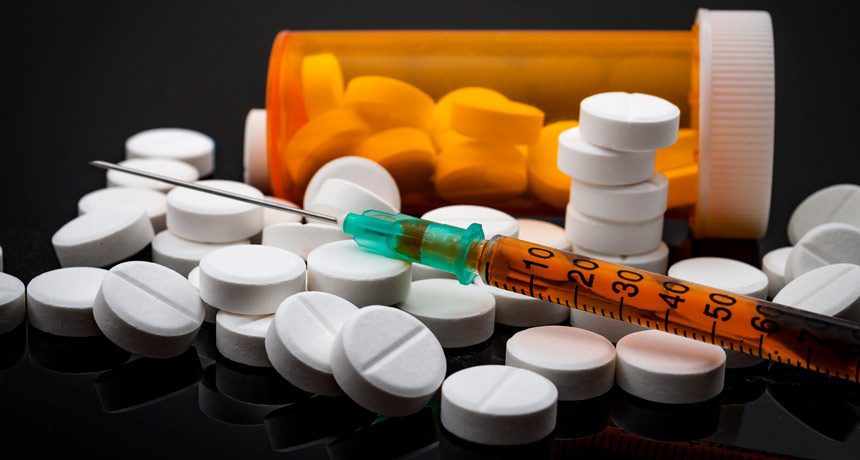
© Moussa81/istockphotoEighty percent of synthetic opioid-related overdose deaths in 2016 were also tied to the simultaneous use of alcohol or another drug (such as another opioid, heroin or cocaine).
As opioid-related deaths rise in the United States, so has the role of synthetic opioids - primarily illicit fentanyl, mixed into heroin or made into counterfeit pills (SN Online: 3/29/18). In 2016, synthetics surged past prescription opioids and were involved in 19,413 deaths, compared with 17,087 deaths involving prescription opioids, researchers report May 1 in JAMA. The study is based on data from the National Vital Statistic System's record of all U.S. deaths.

"Synthetic opioids are much deadlier than prescription opioids," says emergency physician Leana Wen, Health Commissioner of Baltimore, who was not involved in the study. Fentanyl, for example, is about 50 to 100 times more potent than morphine. The illicit origins of many synthetic opioids make the public health response more difficult, she says. "We can track prescriptions; it's much harder to track illegally trafficked drugs."

Comment: See also:


Flashlight

Keeping consumers in the dark: Proposed USDA rule on GMO labeling is deceptive & filled with loopholes

bioengineered
© foodbusinessnews.net
"Today, the USDA released its new GMO labeling rule. This rule will help keep consumers in the dark as it is intended. It's filled with loopholes and would allow manufacturers to use digital codes and other technology that make GMO disclosure more difficult for consumers than simple labels.

"The rule refers to GMOs as 'bioengineered,' or BE foods. This is a deceptive strategy because most consumers don't know what that means. The proposed sun and flower-based 'BE' labels manufactures could elect to use in their disclosure suggest to consumers the product is natural and sustainable, when genetically engineered foods are anything but.

Info

A new generation of research into psilocybin could change how we treat numerous mental health conditions

depression
© Scientific American
Roland Griffiths was trying to meditate - but he couldn't do it. If he sat there for a few minutes, it felt as through hours were stretching out before him, like a long, slow torture. So he quit. This tall, thin young scientist, who was rapidly rising through the ranks of academic psychology, would not meditate again for twenty years - but when he returned to mindfulness, he became part of unlocking something crucial. Professor Griffiths was going to make a breakthrough - just not for himself, but for all of us.

I came to Roland Griffiths' door towards the end of a 40,000-mile journey, from Sydney to Sao Paulo to San Francisco. I set out on this trek to interview the world's leading experts on what causes depression and anxiety, and what really solves them, because I had been downcast and acutely anxious for much of my life, and the solutions I had been offered up to then hadn't taken me very far.

Comment: The Health & Wellness Show: Don't try this at home: Illicit cures and black market medicine


Brain

Brain power and muscle power have much in common

woman flexing muscle
© Michaela Begsteiger / Global Look Press
Science has linked the benefit of physical exercise to brain health for many years. In fact, compelling evidence suggests physical exercise not only helps build cognitive power1 but also helps the brain resist shrinkage by promoting neurogenesis,2 i.e., the ability to adapt and grow new brain cells. Unfortunately, forgetfulness and "senior moments" are considered by many medical professionals to be a normal and anticipated part of aging.

I disagree. In fact, I believe if you've noticed memory lapses you may want to seriously consider making immediate lifestyle changes to help reverse or at least minimize further deterioration. Your brain is actually quite adaptable and has the capacity to repair and regenerate, the medical term for which is neuroplasticity. A recent study has found a strong correlation between grip strength and brain health.3

Comment: More tips on maintaining and even improving cognitive function:


Red Flag

Fentanyl: The hard-to-trace ingredient behind skyrocketing cocaine deaths

drugs
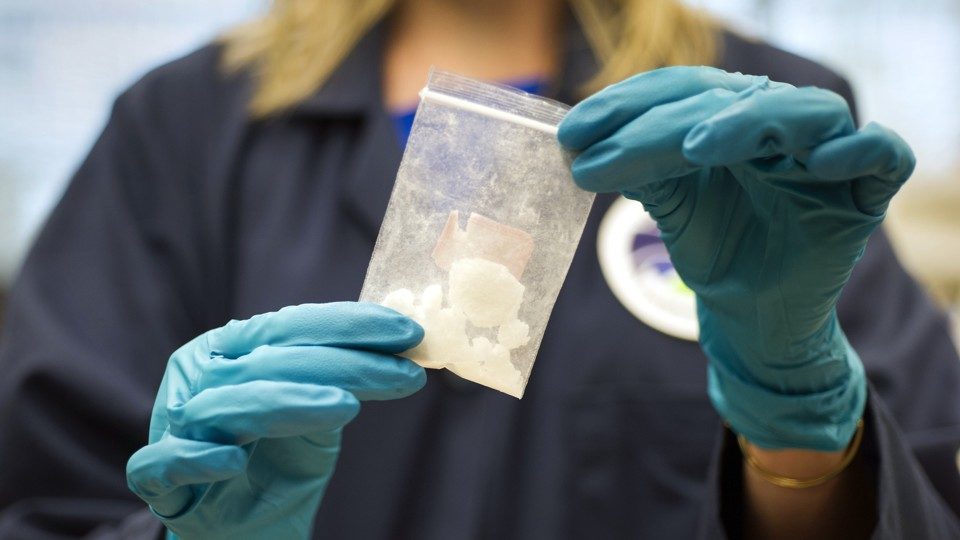
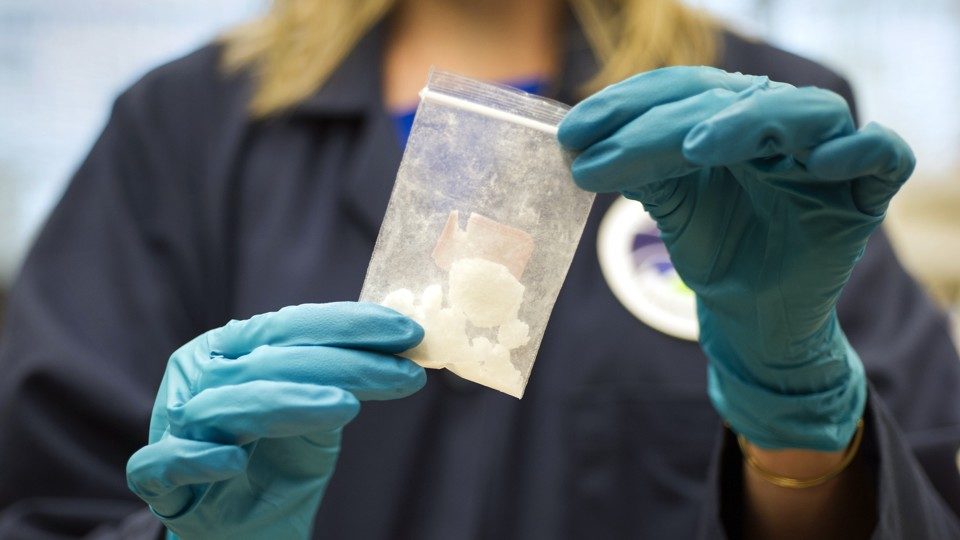
© Cliff OwenA person with gloved hands holds a small plastic bag of white powder.
A DEA employee holds a bag of fentanyl seized during a drug raid.
Often laced into popular illicit drugs, synthetic opioids are killing more people than heroin or OxyContin.

In the United States, more people are dying because of synthetic drugs like fentanyl than because of heroin or prescribed painkillers. While, to many, the opioid crisis has been synonymous with heroin and prescription pills, a report published Tuesday in JAMA Psychiatry builds the case that the class of synthetic drug is increasingly making its way into other drugs like cocaine and leading to overdoses. From 2010 to 2016, more and more overdose deaths have been found to be caused, at least in part, by drugs like fentanyl.

In a way, this isn't exactly news. The same data the study used was reported on late last year with the shocking headlines that synthetic opioids like fentanyl have overtaken heroin as the source of opioid deaths. But, according to Wilson Compton, one of the new report's authors, his study zeroes in on a particularly insidious aspect of the drug: the increased risk it poses to people who seek out drugs like cocaine and Xanax and end up with fentanyl-laced products that could kill them in as fast as a few minutes. For example, in 2016, nearly a third of the people in the United States who were declared dead from overdosing on benzodiazepines-drugs like Xanax and valium-had also ingested fentanyl or something like it.

Take 2

Atrazine's dark secrets re-emerge in TEDx Talk by Dr. Tyrone Hayes

atrazine
Everything changed for Dr. Tyrone Hayes when in 1998, the largest chemical company in the world asked him to use his expertise to determine if the company's top-selling product interfered with the hormones of frogs.

The company: Syngenta. The product: weedkiller atrazine.

Hayes, an American biologist and professor of Integrative Biology at University of California, Berkeley, discussed in his nearly 16-minute TEDxBerkeley talk the results of exposing African clawed frogs in his lab to atrazine. He presented an image up on the big screen of frog testes, showing a considerable difference between the controlled and exposed groups.

Comment: Read more from Dr. Hayes and why his research on Atrazine has made him a target from the biotech giant Syngenta:


SOTT Logo Radio

SOTT Focus: The Health & Wellness Show: Don't try this at home: Illicit cures and black market medicine

ayahuasca
© Chris KilhamThe Banisteriopsis caapi, a vine found in the jungles of South America, and used to brew the psychedelic drink ayahuasca.
More and more, it seems, illegal drugs are being found to be quite helpful for their therapeutic potential to ease suffering and sometimes even cure disease. While made illegal for their potential for abuse, researchers are now more than ever exploring these forbidden drugs for their potential for great healing. Psychedelics like LSD and magic mushrooms for mental disorders or addiction, MDMA for PTSD, ketamine for suicidal states, kratom and ibogaine for opioid addiction, cannabis for a seemingly endless list of aliments - the list is extensive and growing.

Join us on this episode of the Health and Wellness Show where we discuss some of the recent research on the potential power of party drugs to heal. Could the tide be turning on some of these, perhaps unfairly stigmatized drugs?

NOTE: This discussion should not be taken as an endorsement to break the law!

And stay tuned for Zoya's Pet Health Segment where she discusses how animals experience pain.

Running Time: 01:26:37

Download: MP3


Black Cat 2

Growing up with with exposure to pets, dust may boost mental health

cows in a field
Children raised in a rural environment, surrounded by animals and bacteria-laden dust, grow up to have more stress-resilient immune systems and might be at lower risk of mental illness than pet-free city dwellers, according to new research published this week in the Proceedings of the National Academy of Sciences (PNAS).

The study, co-authored by researchers from the University of Ulm in Germany and CU Boulder, adds to mounting evidence supporting the "hygiene hypothesis," which posits that overly sterile environments can breed health problems.

The research also suggests that raising kids around pets might be good for mental health-for reasons people might not expect.

Comment: