

The Dept. of Health and Human Services (HHS), starting in 1988, was supposed to report every two years to the Congress, on ongoing efforts to improve vaccine safety. NO REPORTS WERE EVER MADE.
So...why didn't they follow the law?
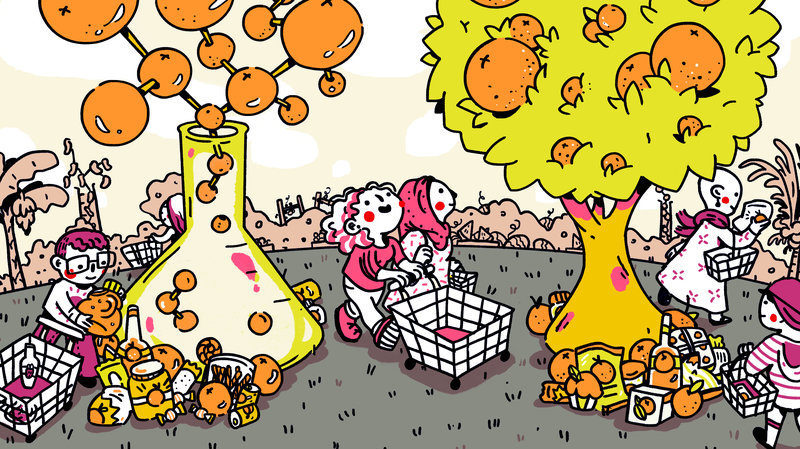

Elevated ammonia levels and depressed GABA levels contribute to a condition called "brain fog." We've all had it. Everything is muffled. Your synapses fire blanks, your neuronal communication medium is cold molasses. Work suffers, nothing gets done.
According to a very interesting post from Dr. Bill Lagakos of the always interesting Calories Proper blog, ketosis has the potential to alleviate brain fog. There's a lot of biochemistry thrown around, so geeks are advised to read the post in full, but two big, relevant takeaways are these:
Ketosis increases brain glutamine synthetase, and brain glutamine synthetase mops up extra ammonia.
Ketosis increases GABA signaling. GABA is the "chill-out" neurotransmitter. It opposes glutamate, the excitatory neurotransmitter. We need both for cognitive function (or else we wouldn't make both), but too much glutamate can lead to neuronal injury and neurodegeneration. GABA is the counterbalance.

... health officials told her that it's most likely that an unvaccinated person infected her child-which is why Alex is now urging everyone to get vaccinated.1Infected the child with what? There is no mention of what kind of meningitis. Not all meningitis is caused by the same microbe. Was it meningococcal meningitis? Was it Haemophilus influenzae type b (Hib) meningitis?
The idea that unvaccinated people are to blame for certain infectious disease outbreaks has become a common refrain in the media-mainly due to ignorance and fears fueled by that ignorance. The idea that people who get vaccinated with ineffective or live virus vaccines are playing a role in such outbreaks is much less popular-or well known.
Many of those, who like to point fingers at anyone concerned about the safety of vaccines seem to have this vague notion that, unlike vaccinated people, unvaccinated people carry dangerous hidden microbes that can magically appear at anytime and infect vaccinated people, thus spreading disease. In other words, that unvaccinated people are contaminated, while vaccinated people are not.



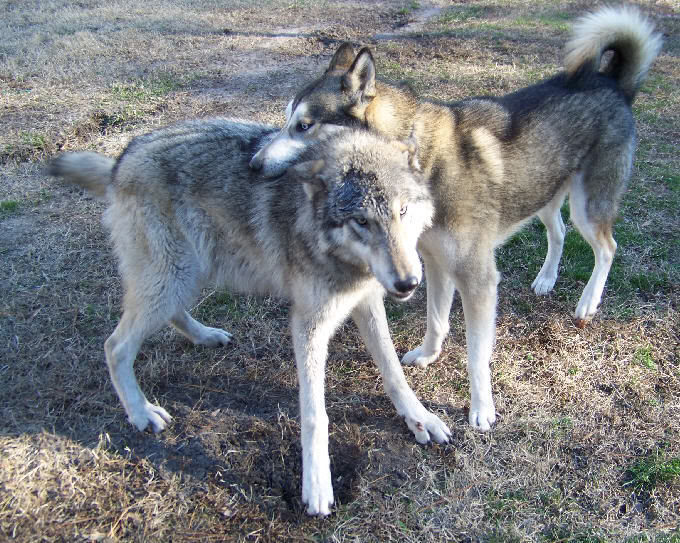
"While most will die within a year of their birth, new pups are constantly bred and sold. The wolf-dog business is a lucrative one ... depending on the advertised wolf percentage. New pups are sold to people looking for a guard dog, a family pet, a movie star or a fur source."And while it's true that canis lupus (the wolf) and canis lupus familiaris (the domesticated dog) occasionally breed on their own in the wild, it's a rare occurrence. It's also true that dogs share most of their DNA with wolves; however, they've evolved over centuries of domestication to adapt to living with humans. The long process of domestication has permanently altered the behavior, life cycle and physiology of dogs.





Comment: Natural flavors are more like natural disasters!