Health & WellnessS


Life Preserver

Lower your cancer, diabetes and heart disease risk: Eat dinner early or skip it altogether

eating dinner early
Eating dinner at 2 p.m., or skipping supper altogether, and fasting until the next morning, combats weight gain and reduces cancer risk.
For years, a standard dietary recommendation said to stabilize your blood sugar and insulin levels (thereby optimizing energy and maintaining a healthy weight) has been to eat three square meals a day with small snacks in between. On top of that, health experts (influenced by the food industry) maintained that processed foods fortified with RDA nutrients are just as good as, and maybe even better than, cooking from scratch.

Vegetable oil in lieu of saturated animal fats, low-fat instead of full-fat, and products fortified with iron and other vitamins and minerals are but a few examples. Today, science is clearly pointing out the fallacies of these strategies. In fact, this all-day grazing - especially on processed foods - has been identified as a key driver of obesity and chronic ill health.

The most obvious risk with spreading out your meals to morning, noon and evening is overeating. Other less obvious risks are biological changes that result in metabolic dysfunction and the inability to burn fat.

Remember, our ancient ancestors did not have access to food around the clock, year-round, and from a historical perspective it is beyond obvious your body was designed for intermittent periods of fasting - either daily or seasonally, or both. In fact, modern research reveals a number of beneficial effects take place when you go for periods of time without eating, and the timing of these periods of fasting also appears to have a significant influence on your biology.

Beaker

The Poison Squad that shook America's faith in preservatives

Poison Squad
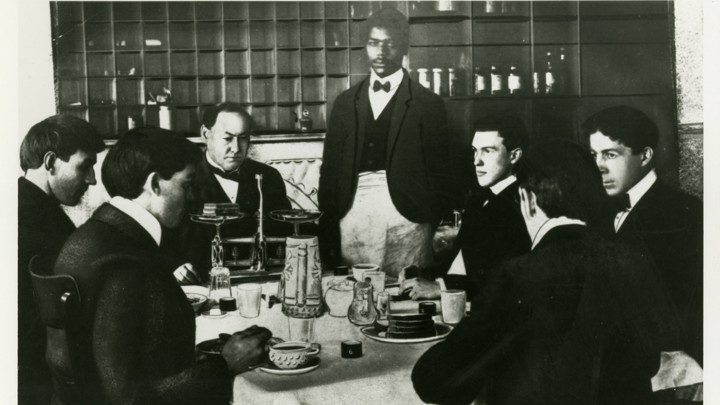
© U.S. National Library MedicineHarvey Wiley and members of the "Poison Squad," circa 1905
More than a century ago, enterprising manufacturers added brand-new chemical preservatives into food to keep it fresh as it traveled from the farm into rapidly growing American cities. Milk no longer went rancid! Meat no longer spoiled! But some scientists wondered: could all these preservatives be doing more harm than good? It took a crusading chemist named Harvey Washington Wiley to take this the fight all the way to Washington, D.C., where he recruited a "poison squad" to test their health effects - and, in the process, created the nation's first law to protect against poisons in our food supply. But did he succeed? Are the preservatives we eat today safe? Listen to this episode to hear Wiley's story - and learn why some of the chemicals he tested are still in our food today.

Whistle

Australia's Cancer Council: Monsanto needs to come clean on any potential links to cancer

cancer council
© (Rose Grant: ABC Rural)Glyphosate, commonly sold as Roundup, is one of Australia's most common weedkillers.
The Cancer Council is urging global chemical giant Monsanto to come clean on any potential links to cancer with one of its popular weed killers following a major lawsuit in the US.

The agribusiness was ordered to pay $US289 million ($396 million) to a former school gardener who is dying of cancer, after a jury in California found the company's Roundup weed killer contributed to his illness.

However, Monsanto has denied the link between Roundup's active ingredient, glyphosate, and cancer, and will appeal the decision.

Comment: Australia don't hold your breath on Monsanto coming clean on any potential links to cancer! Ms. Ioannou said the "product desperately needs to be reviewed as a result of the risks involved" - What a great idea! If the Cancer Council wants the truth the reviews should be conducted by independent scientists and organizations that are not beholden to Corporate Agriculture companies like Mosanto/Bayer.
The active ingredient in Monsanto's Roundup herbicide may be "the most biologically disruptive chemical in our environment," being responsible for a litany of health disorders and diseases including Parkinson's, cancer and autism, according to a new study.

It's "the most popular herbicide on the planet," widely used on crops like corn and soy genetically engineered to be "Roundup Ready," and sprayed on weeds in lawns across the US. But in the peer-reviewed study published last Thursday in the journal Entropy, authors Anthony Samsel, an independent scientist and consultant, and Stephanie Seneff, a senior research scientist at MIT, crush the industry's claims that the herbicide glyphosate is non-toxic and as safe as aspirin.

Looking at the impacts of glyphosate on gut bacteria, Samsel and Seneff found that the herbicide "enhances the damaging effects of other food borne chemical residues and environmental toxins," and is a "textbook example" of "the disruption of homeostasis by environmental toxins."
As noted in this Baum Hedlund blog post, all of the SST majority witnesses have ties to Monsanto and/or the chemical industry:
"Dr. Lowit was the subject of a letter from former EPA scientist, Marion Copley, to Jess Rowland questioning her manipulation of data and being under the influence of Monsanto. Robert Tarone, has acknowledged that he is a paid Monsanto consultant. Timothy Pastoor used to work for Syngenta, another glyphosate-based herbicide manufacturer like Monsanto, and spent a considerable amount of his career defending the herbicide atrazine. EFSA was caught relying upon copied and pasted Monsanto summaries of its studies-with Monsanto's spin."
The industry-friendly atmosphere didn't go unnoticed. Congresswoman Eddie Bernice Johnson (D-Texas), ranking member of the STT committee, told the committee that "if we are truly interested in defending scientific integrity, we should be doing more than simply hearing from industry-friendly scientists."


Newspaper

New York Times vaccine science Op-Ed is a treasure-trove of truth about vaccine safety

I just got finished reading Melinda Wenner Moyer's Op-Ed in the New York Times Anti-Vaccine Activists Have Taken Vaccine Science Hostage, and I must say that was one of the more unusual and contradictory pieces of journalism I've ever read in my time as an autism activist. While a casual reader may in some way leave the article thinking that "anti-vaccine activists" are ruining the party for everyone, I think many more will leave puzzled, confused, and suspicious.

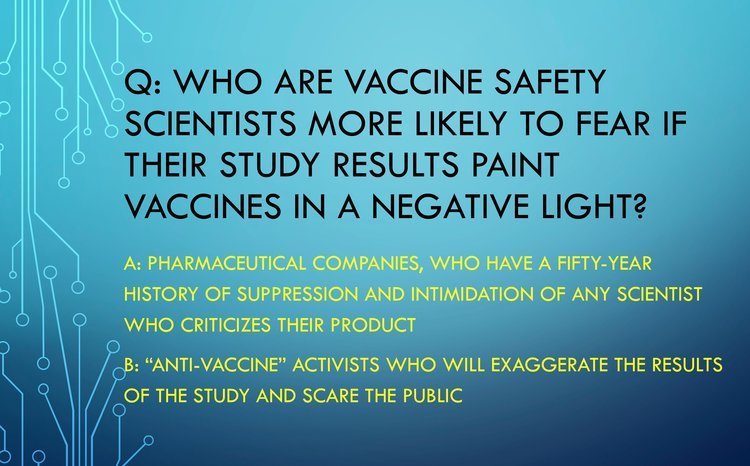
On the one hand, Ms. Moyer tries to convince her readers of one of the more preposterous cause-and-effect relationships I've ever seen. Namely, she wants you to believe that the reason scientists studying the safety of vaccines are scared to publish negative results is because anti-vaccine activists will exaggerate or spin the results and scare the public. This strains credulity to the point that I think if you surveyed 1,000 people and asked this question:

New York Times

Robot

Jon Rappoport: Anti-Vaxxers are really Russian bots

vaxxers
© Robert Scott Bell
Well, well. The virulently pro-vax forces have just discovered their opponents are really, wait for it, Russian bots, launched to promote societal discord and polarize conflict.

That settles it. Nothing to see, move along. The arguments rejecting vaccine safety and efficacy were just bot-nonsense. No need to understand what they were saying. It was all a sham. Vaccines are wonderful. Everybody knows that.

On California Senator Richard Pan's website-Pan sponsored the mandatory childhood vaccination bill in CA that became law-we find this:
"Dr. Richard Pan, a pediatrician and state senator representing the Sacramento region, responded to the study, 'Weaponized Health Communication: Twitter and Russian Trolls Amplify the Vaccine Debate', published in the American Journal of Public Health."

Ambulance

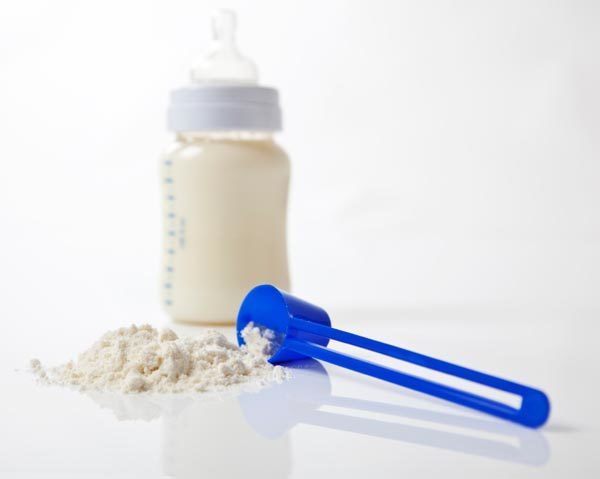
Recent research shows infant formula may alter gut microbiome

infant formula baby
In recent years, science has come to realize your gut microbiome is a significant factor driving genetic expression and supporting your immune system. Your body has nearly 1,000 different species of bacteria living in it and on it, as well as millions of viruses. Each of these organisms perform a multitude of functions, and need to be properly balanced and cared for in order to maintain good health.1

Research has linked the variety and makeup of your gut microbiome to specific health benefits and health conditions, including the elimination of chemical toxins, mental health,2 obesity,3 Types 1 and 2 diabetes,4 and brain diseases. The microbes in your gut may influence your immune response to a number of environmental pathogens as well as pharmaceutical drugs, including vaccinations.

One of the easiest ways to support or decimate your microbiome is through your diet. Research supports eating fermented foods5 and fiber6 to promote a healthy gut microbiome. Now, recent research has found an association between feeding infants formula and a change in gut microbiome that may lead to obesity.7

Comment: See also:


Info

Beware of 'Informed Consent' - Biologics are vaccines

informed consent
When people go to a hospital, a health care clinic, or a doctor's office, they are almost always given a written informed consent form to sign prior to receiving medical treatment. In recent years, these consent forms have begun to include statements asking the patient to agree to receive biologics. However, many people do not know what the term biologics means.

According to the U.S. Food and Drug Administration (FDA):
Biological products, or biologics are medical products. Many biologics are made from a variety of natural sources (human, animal or microorganism). Like drugs, some biologics are intended to treat diseases and medical conditions. Other biologics are used to prevent or diagnose diseases. Examples of biological products include vaccines, blood and blood products for transfusion and/or manufacturing into other products, allergenic extracts, which are used for both diagnosis and treatment (for example, allergy shots), human cells and tissues used for transplantation (for example, tendons, ligaments and bone), gene therapies, cellular therapies and tests to screen potential blood donors for infectious agents such as HIV.1

Attention

Rare flesh-eating STD discovered in Lancashire, UK

Donovanosis
© CDC
A rare sexually transmitted disease that causes flesh-eating ulcers on patients' genitalia has popped up in England, the Lancashire Post reported.

An unnamed female patient, who lives in Southport and is between the ages of 15 and 25, reportedly was diagnosed with donovanosis within the last 12 months.

Donovanosis, which is spread through sexual intercourse with an infected patient, or by coming into contact with a patient's infected ulcer, is typically seen in India, New Guinea, parts of the Caribbean, central Australia and southern Africa.

According to the Centers for Disease Control and Prevention (CDC), the painless disease causes progressive ulcerative lesions on the genitals or perineum, which are prone to heavy bleeding.

Comment: There has been a dramatic rise in the spread and virulence of STDs, even with 'safe sex' education at school and advanced medical care. However it may be that, along with societal attitudes towards casual sex and worldwide travel, they seem to actually be part of the problem: Also check out SOTT radio's: The Health & Wellness Show: Syphilitic Superpower: The rise of STDs


Pills

The threat of modern medicine: Most patients will derive no health improvement from medication

medications pills
© GettyAlmost a half of adults in the UK take at least one prescribed drug and a quarter take at least three.
When former airline pilot Tony Royle came to see me last year to seek reassurance that it was OK to participate in an Ironman event, having stopped all his medications 18 months after suffering a heart attack, I was initially a little alarmed.

But after talking to him, I realised he had made an informed decision to stop the medication after suffering side effects, and instead had opted for a diet and lifestyle approach to manage his heart disease.

His case is a great example of how evidence-based medicine should be practised. This is the integration of clinical expertise, the best available evidence and - most importantly - taking patients' preferences and values into consideration.

Comment: If it is set forward as the ultimate goal to improve quality of life, by whatever means, it seems likely that medications would take a back seat to lifestyle changes such as diet and exercise. That medications can have an overall negative effect on quality of life is self-evident; and if policy-makers were taking an unbiased look at the evidence, keeping the aim of improving quality of life in mind, there's little doubt many of the negative trends seen above would be improved.

See also:


Pills

An astounding number of people are on psychiatric medications

pills
"Antidepressants are neurotoxic, that is, they harm the brain and disrupt its functions. As a result, they cause innumerable kinds of abnormal thinking and behaviors, including mania, suicide and violence. In the process, they cause detectable damage to the brain of the child or adult, and also to the fetus of pregnant mothers who take the drug." (Peter Breggin, MD and psychiatrist, author of Toxic Psychiatry, St. Martin's Press)

"I keep telling people all over the world that there are no reliable lab tests for diagnosing ANY so-called mental disorder. I explain this in great detail. Of course, for many people, this is too much to handle. They run away. What is my strategy for dealing with this? I keep finding new ways to tell them the truth. I don't stop. That's what an actual reporter does." (The Underground, Jon Rappoport)

I came across a Forbes article (5/27/15) by Judy Stone, "Why the U of Minnesota Research Scandal threatens us all." In the piece, Stone mentions some boggling reports about Americans diagnosed with so-called mental disorders taking psychiatric drugs:

Comment: The psychiatric industry is very good at taking common, temporary mental states and turning them into lifelong psychiatric disorders that need medicating. The pseudoscience of modern psychiatry - manufacturing madness