OF THE
TIMES

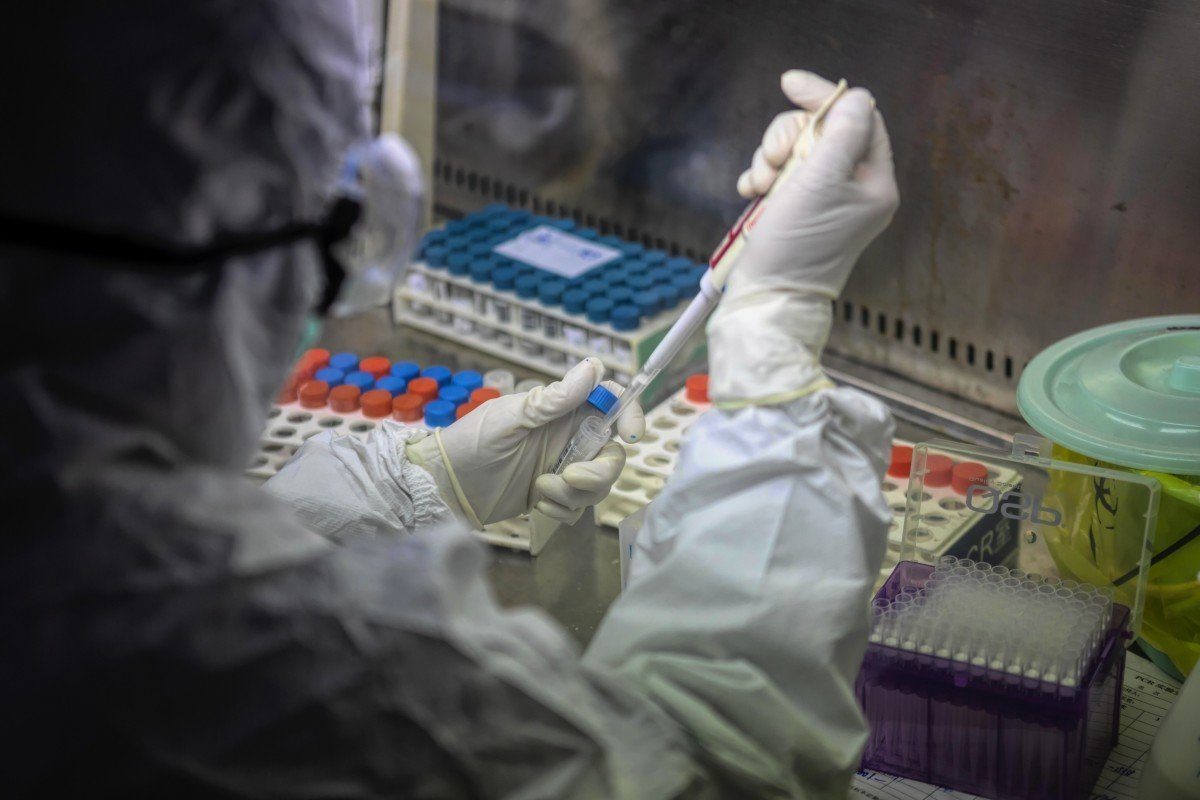
"We provide direct evidence that the SARS-CoV-2 has acquired mutations capable of substantially changing its pathogenicity. Our study provides direct evidence that mutations currently occurring in the SARS-CoV-2 genome have the functional potential to impact the viral pathogenicity," says the team in their findings, a pre-print version of which has been published.Despite evidence to the contrary and even acknowledging that the exact origin is not yet possible to determine, the WHO is still pushing the animal to human transmission theory. Meanwhile Trump is looking into the possibility it originated from a lab, albeit in Wuhan and not the US:
"A diverse collection of mutations was identified in the 11 viral isolates, including two sets of founding mutations for two major clusters of viruses currently infecting the world population. In addition, 19 identified mutations are novel, despite the relatively early sampling dates, indicating that the true diversity of the viral strains is still largely underappreciated," they say.
In a previous study, researchers from China had identified two separate strains of the new coronavirus. The research team analyzed 103 publicly available genomes from infected persons and found 70% were the more aggressive type, while the remaining 30% comprised the less aggressive type. Another study discovered three distinct strains of COVID-19, consisting of clusters of "closely related lineages" — which have been labeled 'A', 'B' and 'C'.
Asked to comment on recent reports by major US media outlets suggesting the lethal virus emanated from a virology lab in the Chinese city of Wuhan, Takeshi Kasai, WHO regional director for the Western Pacific, cautioned against speculation, saying the verdict was still out on the exact origins of the pathogen.See also:
"I think at this stage it's not possible to determine the precise source, but available evidence suggests that it has an origin from animals," Kasai said at a virtual press conference on Tuesday. "Again, there are many researchers studying these issues, and we've heard that this might have originated from bats, but how it reached humans we still don't know."
"At this time, we cannot conclude anything yet."
Last week, Fox News and the Washington Post both ran stories, largely based on anonymous US government sources, suggesting that the coronavirus might have escaped from the lab in Wuhan. Although US President Donald Trump fell short of endorsing the theory outright, he threw his weight behind the idea, saying it "seems to make sense," and that the White House was now looking into the question.
Not everybody on Trump's own Covid-19 task force seems to be on board, however. One key figure, Dr Anthony Fauci, has been dismissive of the claim, insisting at a recent briefing that the virus was not "man-made" and had instead evolved naturally to infect humans.
As drama and speculation about the pandemic swirl in the political realm, however, scientists have been hard at work investigating the virus' origins, with one recent study led by geneticists at Cambridge University concluding that it may have come on the scene much earlier than previously thought. While a number of experts have estimated that the first human infection occurred sometime in November or December 2019 near a wildlife market in Wuhan, the Cambridge researchers believe the outbreak actually started weeks prior, in September, and it may not have happened in Wuhan at all, but somewhere south of the central Chinese city. While the geneticists could provide few definite answers, the mystery may be unraveled further as research continues, with scientists building genetic models to trace the virus back to its true point of origin.
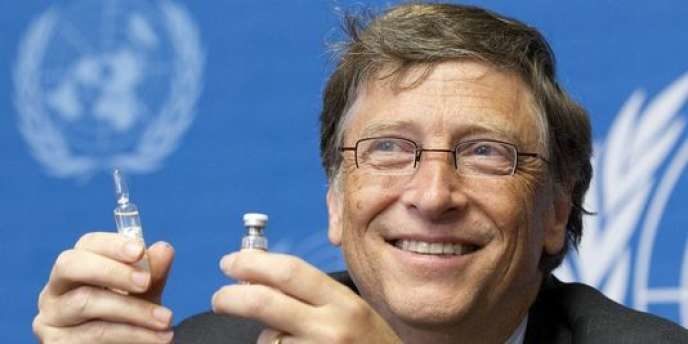
At first, the experiment seemed successful as all the animals developed a robust antibody response to coronavirus. However, when the scientists exposed the vaccinated animals to the wild virus, the results were horrifying. Vaccinated animals suffered hyper-immune responses including inflammation throughout their bodies, especially in their lungs. Researchers had seen this same "enhanced immune response" during human testing of the failed RSV vaccine tests in the 1960s. Two children died.2012 Study: Immunization with SARS coronavirus vaccines leads to pulmonary immunopathology on challenge with the SARS virus.

The mysterious connection between the coronavirus and the heart
"We're seeing cases of people who don't have an underlying heart disease, who are getting heart damage," said Dr. Erin Michos, the associate director of preventive cardiology at Johns Hopkins School of Medicine. Heart damage isn't typical in mild cases of COVID-19, and tends to occur more often in patients who have severe symptoms and are hospitalized, she said. [...]
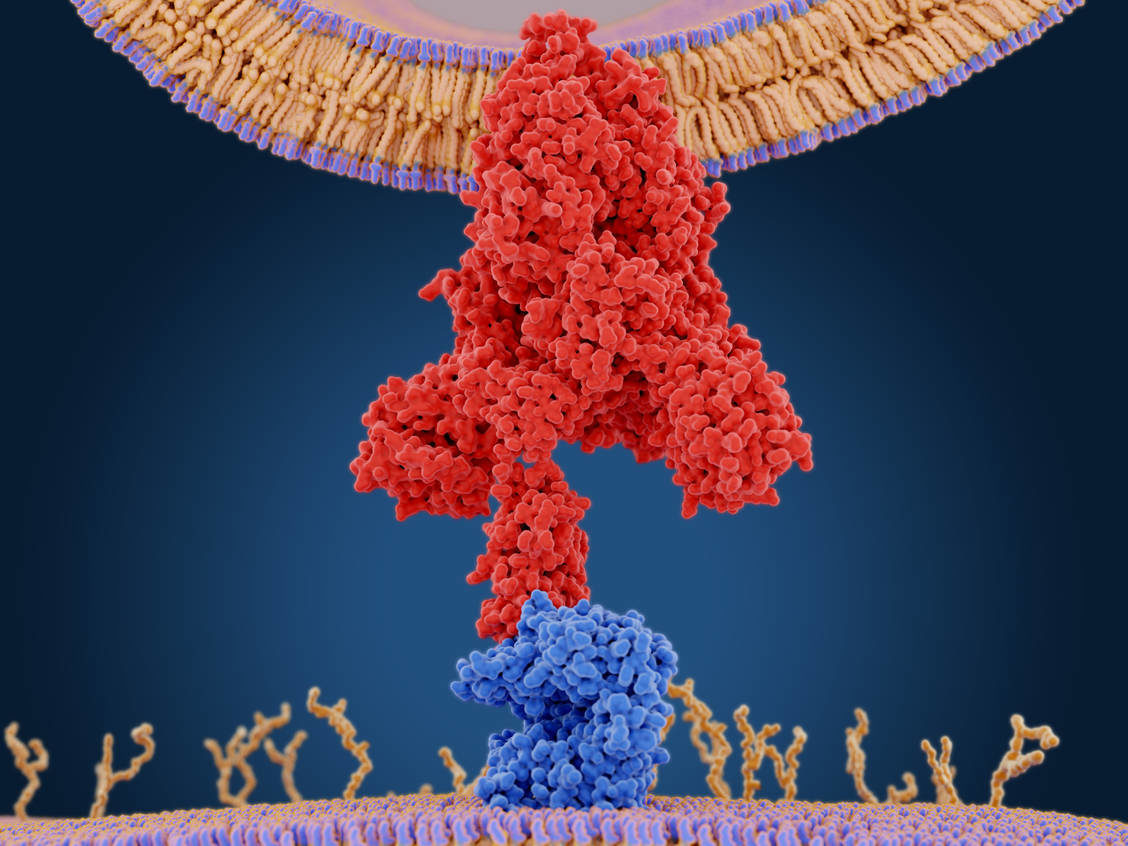
Both heart cells and lung cells are covered with surface proteins known as angiotensin-converting enzyme 2 (ACE2) — these molecules serve as "doorways" for the virus to enter cells. But this enzyme is a "double-edged sword," she said. On one hand, the ACE2 molecule acts as a gateway for the virus to enter the cell and replicate, but on the other hand, it normally serves a "protective" function, Michos said.
When tissues in the body are damaged — either by an invading virus such as SARS-CoV-2 or by other means, the body's natural healing response involves releasing inflammatory molecules, such as small proteins called cytokines, into the bloodstream. But paradoxically, too much inflammation can actually make things worse. The ACE2 enzyme acts as an anti-inflammatory, keeping immune cells from inflicting more damage on the body's own cells.
But when the virus latches onto ACE2 proteins, these proteins get knocked out of commission, possibly reducing the anti-inflammatory protection that they give. So the virus may be acting as a double-whammy by damaging cells directly and preventing the body from protecting tissues from inflammatory damage.
"If the heart muscle is inflamed and damaged by the virus, the heart can't function," she said.
The novel coronavirus might also indirectly damage the heart. In this scenario, the patient's immune system winds up "going haywire," Michos said. This scenario has played out in some really sick patients who have highly elevated inflammatory markers — or proteins that signal high levels of inflammation in the body.
This is called a "cytokine storm," Michos said. Cytokine storms damage organs throughout the body, including the heart and liver, she added. It's not clear why some people have such an elevated response compared with others, but some people could be genetically prone to it, she added. [...]
It's really hard to tease out whether having more ACE2 is helpful or harmful, as these proteins are how the virus enters the cells, but also known to protect the cells against injury, Michos said.


Comment: It's quite telling that anyone expressing any need for caution or right to choose in regards to the vaccine issue is labelled an 'anti-vaxxer', regardless of how nuanced their position is. Trying to argue with an authoritarian is always doomed to fail. You're either with them, or you're against them.
See also: