© Google Images
"We urge you now to adopt a standpoint consistent with the approach taken by other governments who have ended the use of BPA in food contact products marketed at children," they wrote.
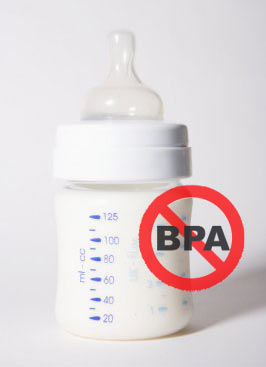
BPA is used to make hard, clear plastics for products such as baby bottles, food containers and water bottles. It is also used to make resins that line cans of food and infant formula.
Numerous studies have linked the chemical to reproductive harm, especially in fetuses and infants. It has also been shown to increase the risk of heart disease, diabetes and cancer, and to cause cognitive damage and abnormal behavior. The Canadian government has banned its use in baby bottles, a number of retailers throughout North America have pledged to stop carrying infant products that contain it, and some North American manufacturers have voluntarily ceased using it.