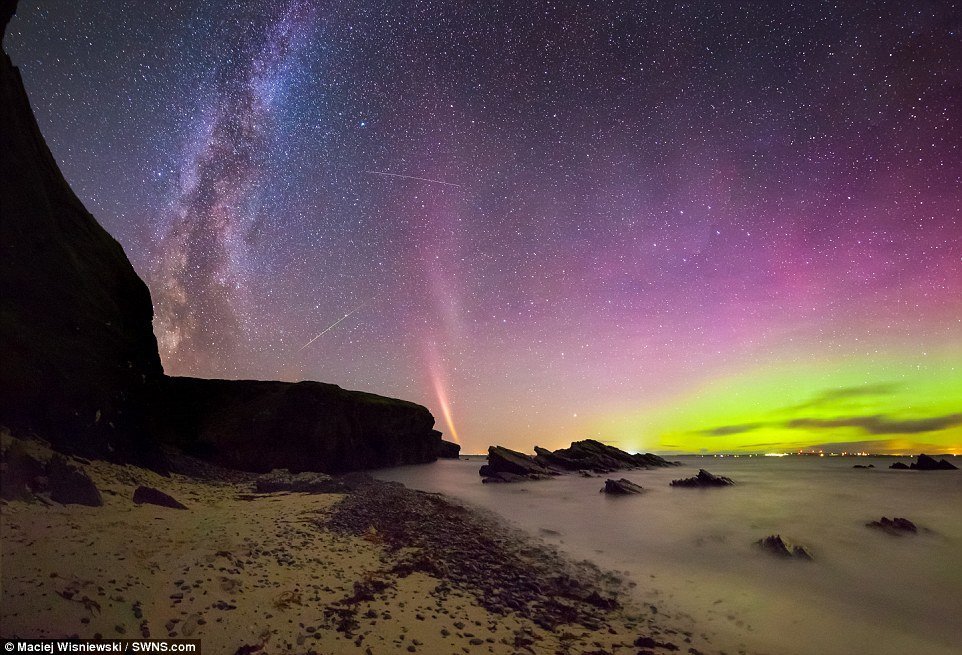
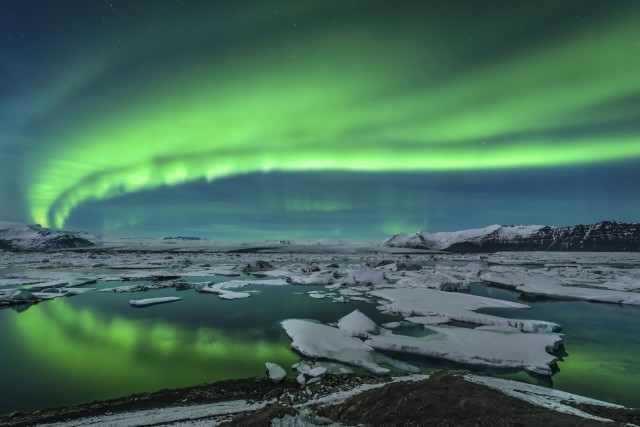
Parts of the world are expected to light up with a green glow tonight, as a strong solar storm continues to blast our atmosphere.
The storm was caused by a hole in the outermost layer of the sun, opening the magnetic field up to stretch further than usual, which resulted in a gradual increase in the solar wind.
An increase in solar activity means the chances of seeing the Northern Lights, or Aurora Borealis, tonight in places like Canada, Scandanavia, Scotland and even northern England and are greater than usual.
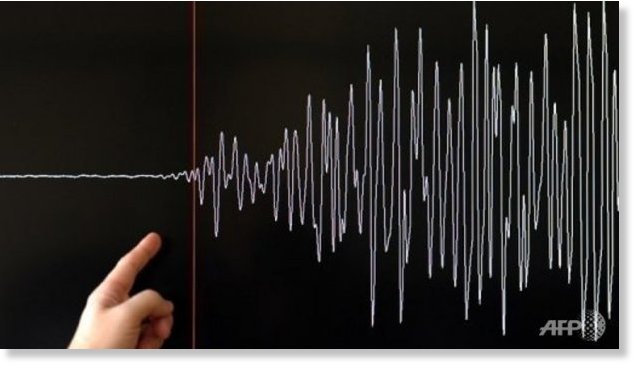
A 5.4-magnitude earthquake jolted Nicaragua yesterday, killing a woman and damaging homes close the epicentre in the country's north, officials said.
The quake struck at 10:48am in the area between the El Hoyo and Momotombo volcanoes, at a shallow depth of 2.9km.
The woman, Higinia Margarita Cruz, suffered a heart attack from the shock of the shaking, said First Lady Rosario Murillo, who is also the government spokeswoman.
Cruz was 78.
Windows shattered in a building under construction in Puerto Momotombo and many homes sustained damage to roofs.
Startled locals ran outside their homes and stayed there, concerned that if they went inside, another quake might strike.
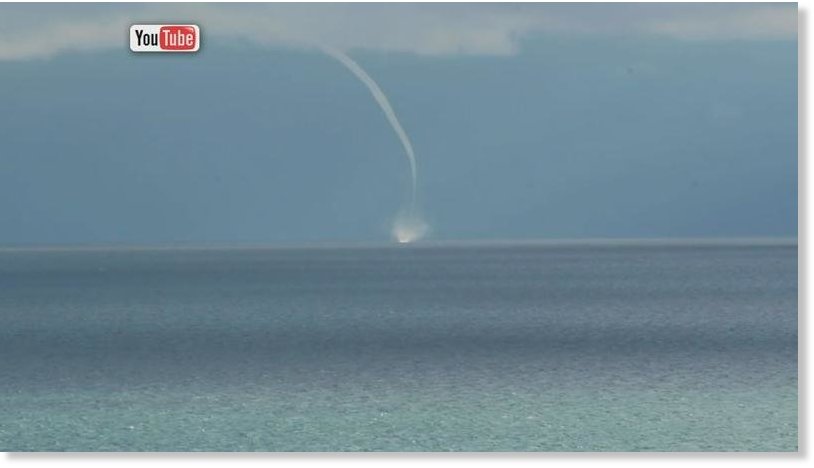
A waterspout was seen on Lake Michigan around 8:30 a.m. at Ardmore Hollywood Beach on Wednesday.
A waterspout, though not technically a tornado, is often called a "tornado over water." Though this quickly spinning column of air has the potential to be dangerous, they are usually weak.
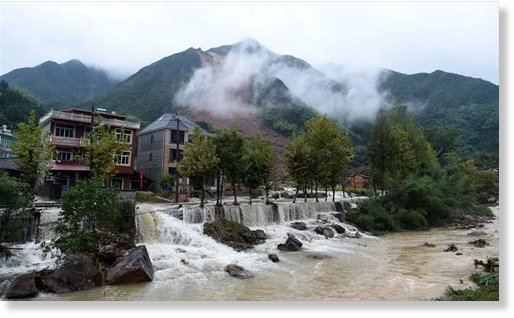
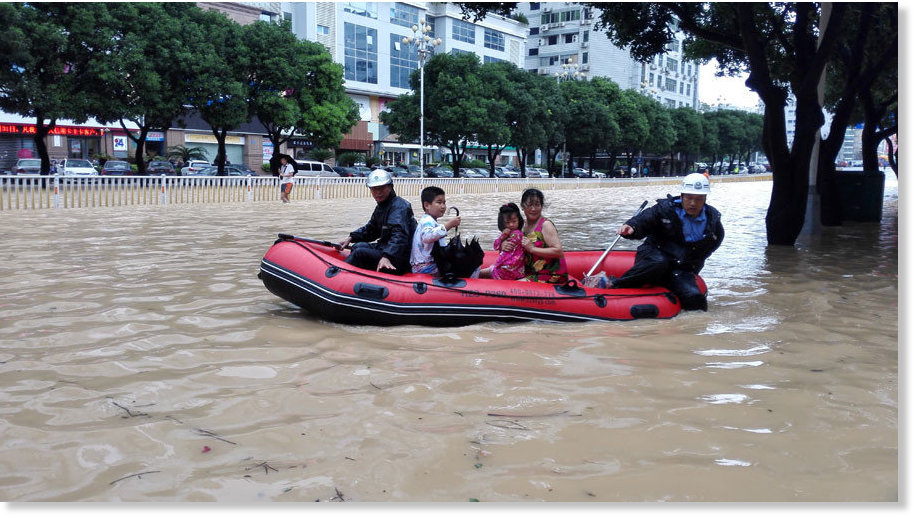
Fifteen people have been rescued, but more than 20 are missing after a landslide in east China's Zhejiang Province Wednesday, authorities said Thursday.
One body was found around 1 p.m. Thursday, and rescuers are racing against time to dig out another victim, after Typhoon Megi brought landslides to Sucun Village, Suichang County at 5:28 p.m. Wednesday.
Ten people are receiving treatment in hospital, according to a statement issued by Suichang county government.
"Roughly 400,000 cubic meters of debris slid down the mountains and buried 20 houses. Seventeen other homes were flooded. A township official who went to help villagers is among the missing," said county official Zhou Ruichen.
Zheng Quanwei, 56, was having dinner 200 meters away from the scene when he heard a loud noise and ran outside. "It was getting dark, but I could see some collapsed houses on the hillside," he said. "There were still some noises."
Street and home lighting were turned off in the Icelandic capital, Reykjavik, for one hour to allow the world renowned Northern Lights spectacle to be viewed in all its glory.
The lights went out in selected parts of the city on Wednesday night and residents were asked to keep their homes in the dark between 10pm and 11pm to facilitate a clearer view of the spectacular natural phenomenon.
Needless to say, there are some risks to having a city-wide blackout and the Reykjavik City Council urged motorists in darkened areas to drive with particular caution.
Tourists and locals snapped awe-inspiring photos and videos of the dancing green-lit sky stretching across the capital.
The predicted combination of clear skies and high Aurora Borealis activity meant those who had traveled from all over the world to catch a glimpse of the celestial activity were in for envious views of the famously unpredictable event.
Comment: The Aurora Borealis, so called 'Northern lights' have been observed heading a lot further 'south' in recent times, providing a 'rare' spectacle even in the most southerly parts of England.
Aurorae occur when charged solar particles reach local magnetic field lines, where they enter the planetary atmosphere and excite its atoms and molecules. As they deactivate, the particles produce light emission.
With the increasing comet/volcanic dust loading of the atmosphere (an indicator of this dust loading is the intensification of noctilucent clouds we are witnessing) which is accentuating electric charge build-up, we can expect to observe more awesome light shows and other related phenomena.
The winning Electric Universe model, and much more related information, are explained in the book Earth Changes and the Human Cosmic Connection by Pierre Lescaudron and Laura Knight-Jadczyk.
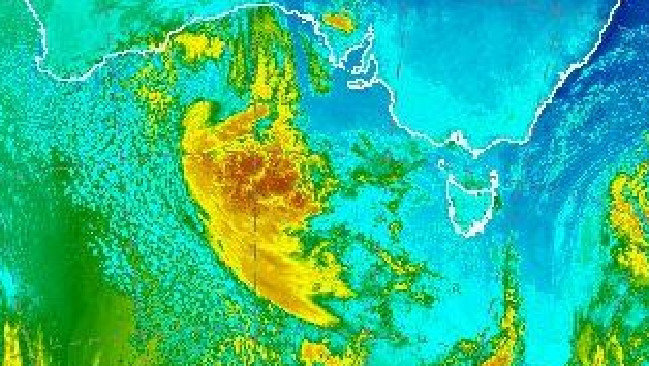
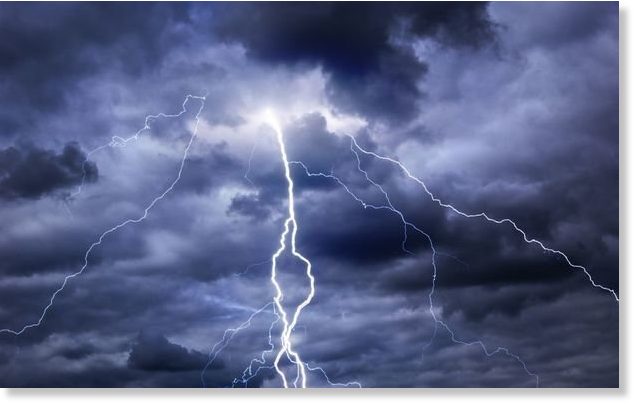
South Australia is bracing for a second day of severe weather with heavy rain and destructive winds to lash large parts of the state.
An intense lower pressure system will continue to move across SA after super cell thunderstorms brought down the entire power network overnight. The winds ripped at least 22 transmission towers from the ground across the mid-north with about 80,000 lightning strikes hitting the state, some damaging generation facilities.
That caused automatic emergency systems to cut power across South Australia with SA Power Networks reporting 200,000 customers were left without electricity. Heading into Thursday most of the Adelaide metropolitan area had power restored with only the northern parts of the state and the Eyre Peninsula likely to still be without services.
Chinese news outlets are reporting that around 30 people are missing after Typhoon Megi struck the east of the country on Wednesday, less than a day after battering nearby Taiwan.
The typhoon made landfall at Quanzhou city in Fujian province in the early hours of Wednesday morning bringing winds of up to 118km per hour, China Central Television (CCTV) reports.
Heavy rainfall and powerful winds were widespread in the southeast of the country. The treacherous conditions triggered landslides in Secun village, Zhejiang on Wednesday evening, destroying more than 20 houses and leaving at least 27 people missing, according to Xinhua news agency.
At least four people were killed and more than 500 injured when the typhoon barreled through northeastern Taiwan on Tuesday. Almost 4 million homes were left without electricity and nearly 300,000 houses were without water, Taiwan's Central News Agency said.
Megi is the 17th typhoon this year and it comes less than three weeks after Super Typhoon Meranti wrecked havoc in the Philippines, Taiwan and China.
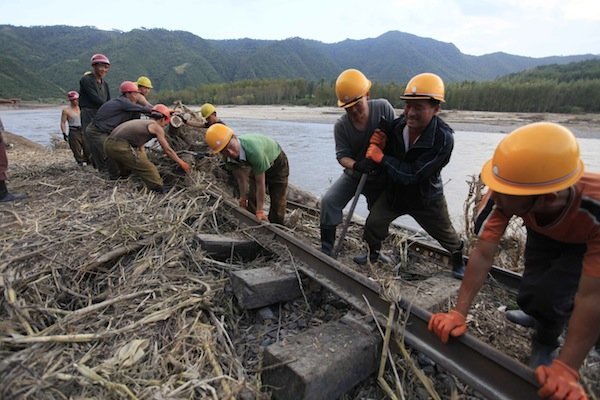
More than 70,000 people displaced by severe flooding in North Korea nearly a month ago are urgently in need of supplies and shelter before winter sets in, a Red Cross official in Pyongyang said Wednesday.
The floods were caused by a typhoon that hit the country's northernmost province late last month. Officials estimate that more than 130 people died and another 400 are missing. Typhoon Lionrock, amplified by a low-pressure system in the area, created floods that submerged, severely damaged or destroyed 30,000 homes and displaced 70,000 people.
"The disaster was pretty horrendous for the people affected," Chris Staines, head of International Federation of Red Cross and Red Crescent Societies in North Korea, said in an interview with The Associated Press. "About 600,000 people have some level of immediate effect from the disaster."
An Austin woman who was found dead on Sept. 25 in Travis County has been ruled death by a lightning strike.
Michelle Ann Wolfe, 37, was discovered by a runner around 5:36 p.m. on River Place Boulevard in west Travis County. The Travis County Sheriff's Office says there were no signs of foul play.
Detectives said a fallen tree limb near Wolfe's body appeared to have been burned. The Travis County Medical Examiner's Office has determined she died accidentally by a lightning strike.
The National Oceanic and Atmospheric Administration says there has been an average of 51 lightning strike deaths each year in the U.S. over the past 20 years.
KXAN meteorologist David Yeomans reported that July is the deadliest month relating to lightning strikes in the U.S. The National Weather Service reported 11 lightning-related deaths across the country during the span of two weeks in July this year.
Mystery creates wonder, and wonder is the basis for man's desire to understand. Who knows what mysteries will be solved in our lifetime, and what new riddles will become the challenge of the new generations.
- John Keel
”
Recent Comments
As it was, so it shall be. People with power abuse it and do it so badly they are then forced to lie about what happened. The players names don't...












Comment: The Aurora Borealis, so called 'Northern lights' have been observed heading a lot further 'south' in recent times, providing a 'rare' spectacle even in the most southerly parts of England.
While the Aurora Australis, or the 'Southern lights' have been seen further north in New Zealand than usual. Researchers have also recently identified increased electrical activity moving towards equatorial regions.
Aurorae occur when charged solar particles reach local magnetic field lines, where they enter the planetary atmosphere and excite its atoms and molecules. As they deactivate, the particles produce light emission.
With the increasing comet/volcanic dust loading of the atmosphere (an indicator of this dust loading is the intensification of noctilucent clouds we are witnessing) which is accentuating electric charge build-up, we can expect to observe more awesome light shows and other related phenomena.
The winning Electric Universe model, and much more related information, are explained in the book Earth Changes and the Human Cosmic Connection by Pierre Lescaudron and Laura Knight-Jadczyk.