A rare venomous sea snake found slithering on the sand in Newport Beach earlier this week was one of a growing number of the serpents apparently drawn far north of their usual habitat by the spread of warm ocean temperatures, a biologist said Thursday.
The yellow-bellied sea snake discovered near the 18th Street lifeguard tower on Monday was the third report of the species in Southern California since 2015 - and the fifth since 1972, said Greg Pauly, herpetological curator at the Natural History Museum of Los Angeles County.
Wildlife agency says free-roaming monkeys at state park are a public health concern, as 30% may have Herpes B that can spread to visitors via bodily fluids.
Wildlife managers in Florida say they want to remove roaming monkeys from the state in light of a new study published on Wednesday, which finds some of the animals are excreting a virus that can be dangerous to humans.
Scientists studying a growing population of rhesus macaques in Silver Springs state park say that rather than just carrying herpes B, which is common in the species, some of the monkeys have the virus in their saliva and other bodily fluids, posing a potential risk of spreading the disease.
Human cases of the virus have been rare, with about 50 documented worldwide, and there have been no known transmissions of it to people from wild rhesus macaques in Florida or elsewhere. However, the researchers say the issue has not been thoroughly studied.
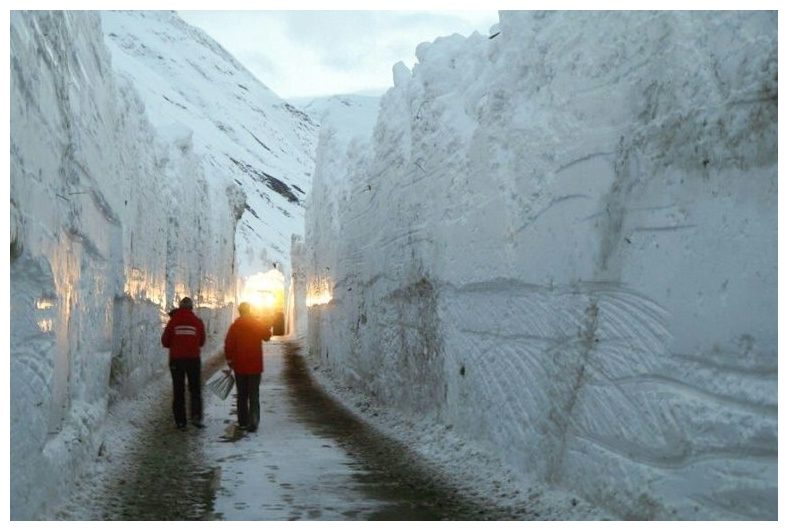
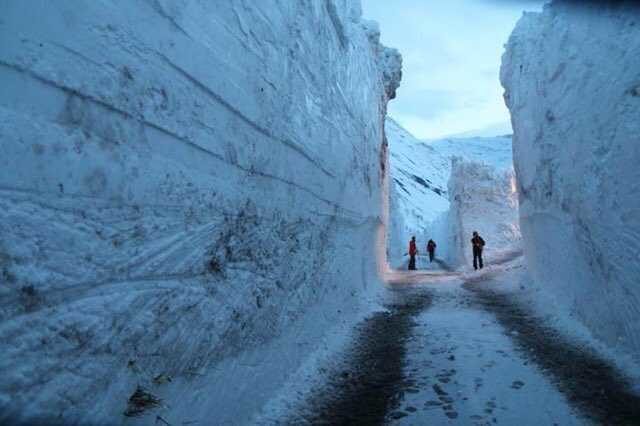
Avalanches and record snow fall in the French Alps have buried some roads, leading to the creation of treacherous ice tunnels which drivers have to navigate on their way up or down the mountains.
Footage from Bonneval-sur-Arc, near the Val d'Isere ski resort, showed a front-end loader carving a path through packed snow that had swamped a local route.
The snow-clearing effort on Wednesday created a wall of ice on both sides of the road around six metres (20 feet) high and just wide enough for one vehicle at a time to pass through.
The death toll has climbed to 17. 8 people remain missing. Up to 500 homes were damaged in the mudslide, dozens of which were completely destroyed.
Update 10 Jan 2018, 13:00 EST
Latest figure is 15 dead, all at Montecito, Santa Barbara County.
Update 10 Jan 2018, 06:00 EST
The death toll is up to 13 now, and is expected to rise further. Rescue operations are underway in Santa Barbara, Ventura and Los Angeles counties, the very counties torched by California's worst-ever wildfires (and which this record rainfall just put out). This incident is already deadlier than the 2005 La Conchita landslide in southern California, which took place only 20 miles from yesterday's disaster.
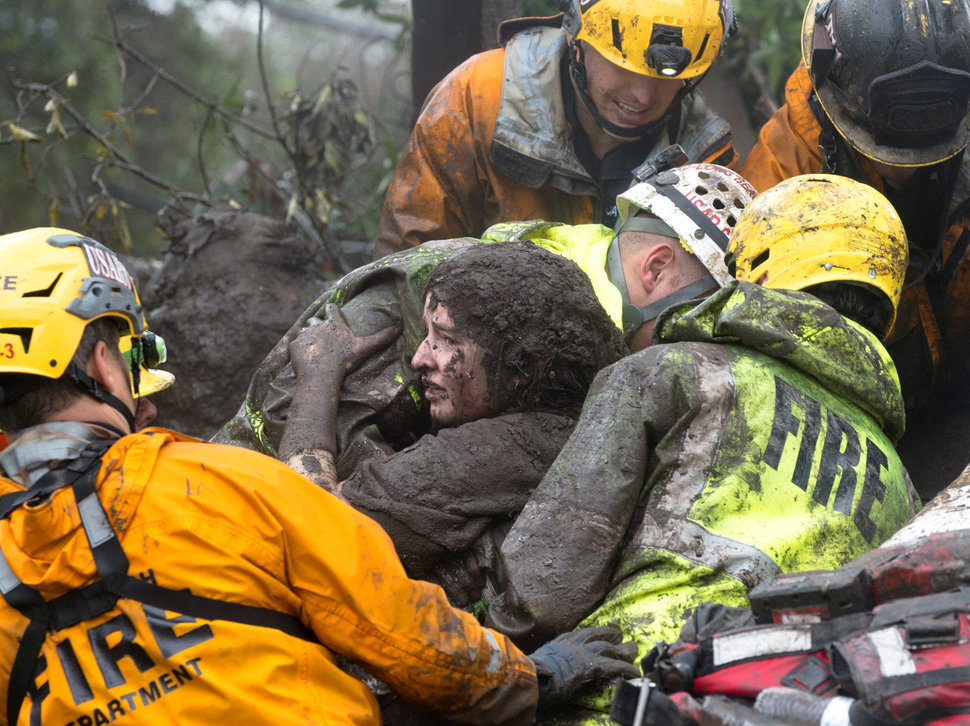
A fire official says five people have been killed by mudslides that swept Southern California homes from their foundations as a powerful storm drenched recent wildfire burn areas.
Santa Barbara County Fire Department Capt. Dave Zaniboni says the bodies were found in mud and debris during rescue operations Tuesday in Montecito northwest of Los Angeles.
Heavy rains were triggering dangerous flooding Tuesday morning in Southern California, with rivers of mud and debris destroying at least three homes and pooling water forcing police to close parts of the coastal US Route 101, officials said.
Near the coastal community of Montecito, at least three homes have been "wiped away by mudflow and debris," and emergency workers were scrambling to rescue people from vehicles and buildings, Santa Barbara County fire spokesman Mike Eliason said.
As predicted in the grand solar minimum there will be food shortages. The forecast was for the shortages to begin in more impoverished nations as these areas people spend up to 50% of their wages on food. Even slight increases will have an effect, now in Sudan protesters killed over high grain and bread prices. France sees its second once in a 200 year flood in 2 years, Swiss snowmageddon as 13K+ tourists are trapped in 9 feet of snow. We are indeed repeating patterns. New type of cloud classifies geoengineering as a cloud type. Look up.
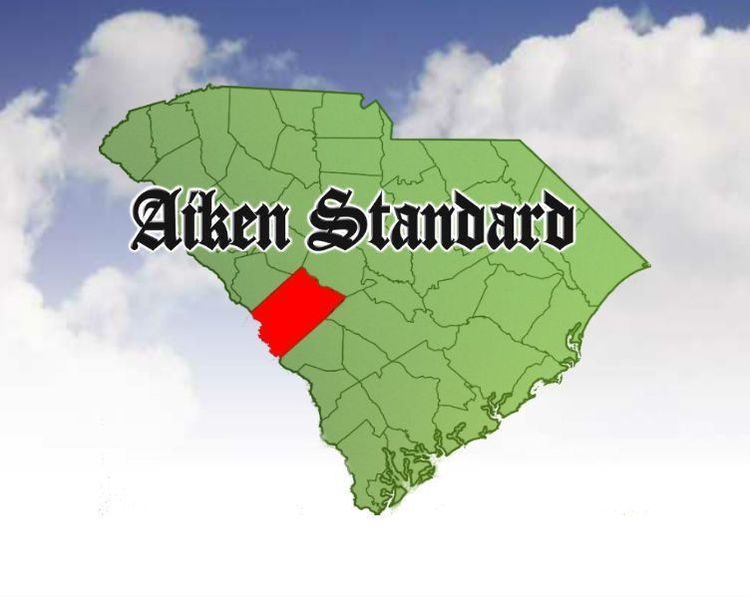
There have been multiple reports of a loud "boom" and the ground shaking in the Midland Valley area of Aiken County on Monday afternoon.
The Aiken County Sheriff's Office has received no reports concerning the "boom" around 1:25 p.m., said Capt. Eric Abdullah, with the Sheriff's Office.
Charles William Clendenin, Jr., state geologist with the South Carolina Geological Survey, said they have received no notification of any earthquake activity in the area today from the U.S. Geological Survey.
Aiken Standard is still looking into the reports at this time.
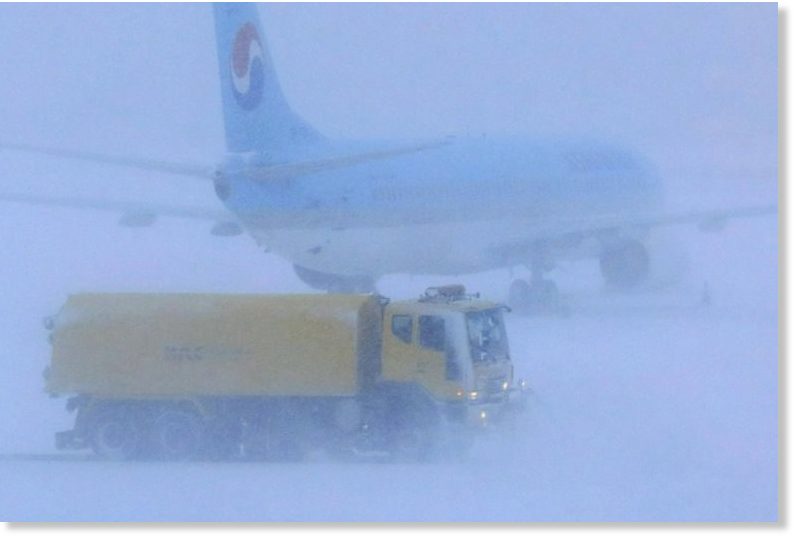
Extreme cold gripped South Korea on Thursday (Jan 11) - with a wind chill of minus 16 deg C in Seoul in the morning - and it is forecast to reach its peak on Friday, according to the country's weather agency.
Thursday's temperatures across the country hovered around minus 10 deg C in general, marking the coldest temperature this year.
Runways at Jeju Airport were closed earlier in the day due to heavy snowfall, suspending international flights until 11am, according to the Korea Airports Corp.
The country's power use soared in the morning amid a spike in heating demand, prompting Korea Power Exchange to order local companies to cut their power use as part of efforts to stabilise the level of electricity reserve.
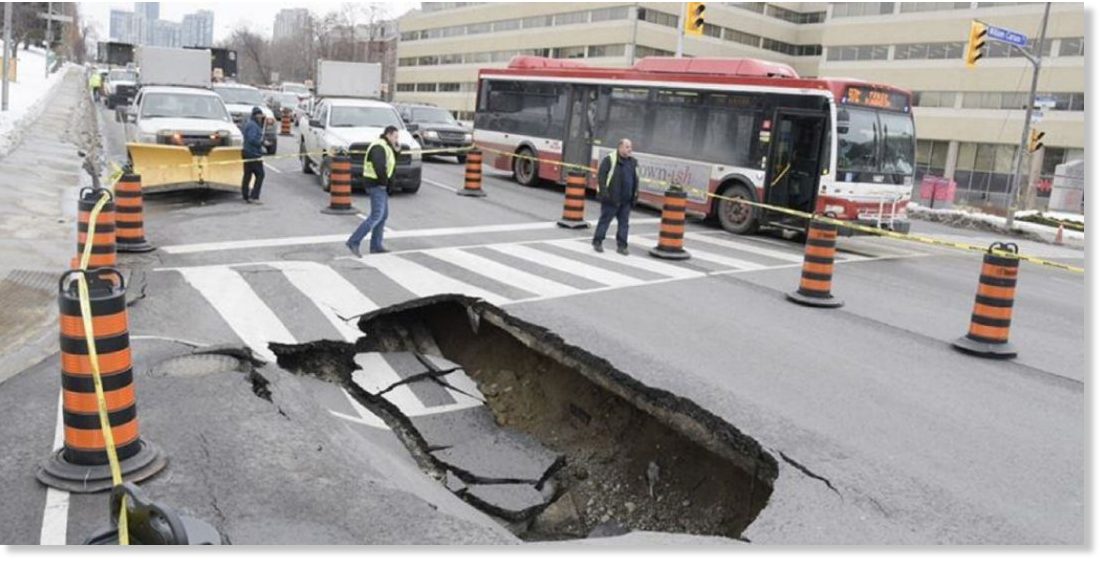
A large sinkhole shut down two traffic lanes on Yonge St., just north of York Mills Rd., on Wednesday.
City work crews are attending to the large sinkhole, which appeared Wednesday morning at William Carson Cres., just south of Highway 401, and is large enough to swallow a car.
While the cause of the sinkhole is yet unknown, city workers speculate it may have been caused by a water main breaking during the recent deep freeze. With temperatures warming, it may well be possible the frozen water from the leak melted, creating a pool of liquid and causing the street to cave in.
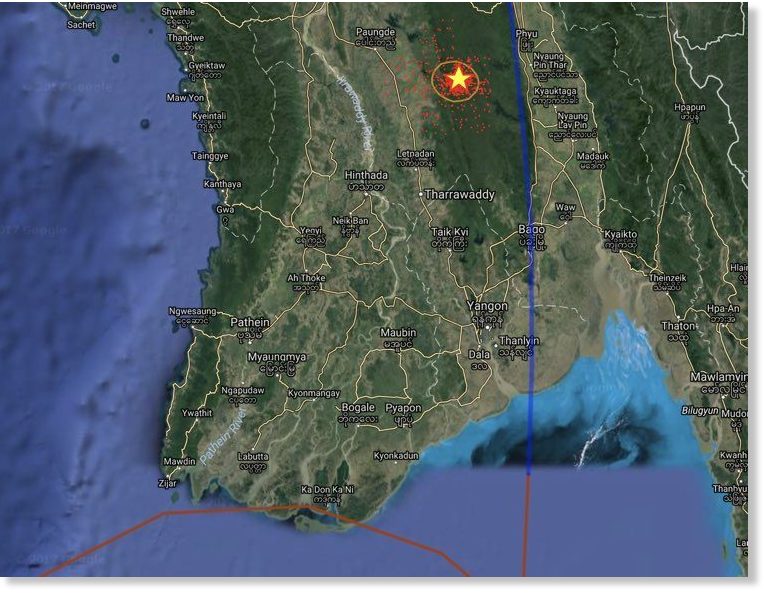
Comment: 3 strong aftershocks followed in quick succession, from Earthquake Track: