

© Audun Rikardsen/ScienceKiller whales hunting seals off the coast of northern Norway.
Although the poisonous chemicals, PCBs, have been banned for decades, they are still leaking into the seas. They become concentrated up the food chain; as a result, killer whales, the top predators, are the most contaminated animals on the planet. Worse, their fat-rich milk passes on very high doses to their newborn calves.
PCB concentrations found in killer whales can be 100 times safe levels and severely damage reproductive organs, cause cancer and damage the immune system. The new research analysed the prospects for killer whale populations over the next century and found those offshore from industrialised nations could vanish as soon as 30-50 years.

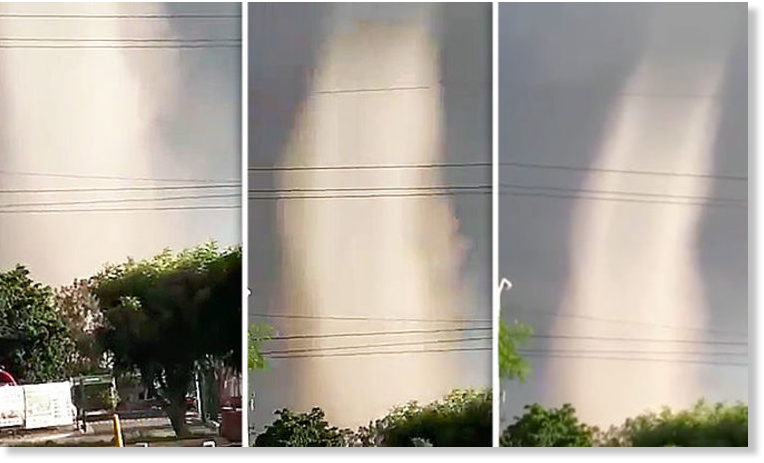
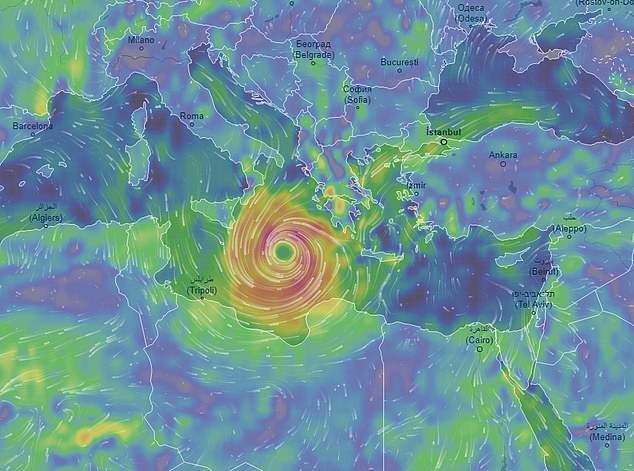

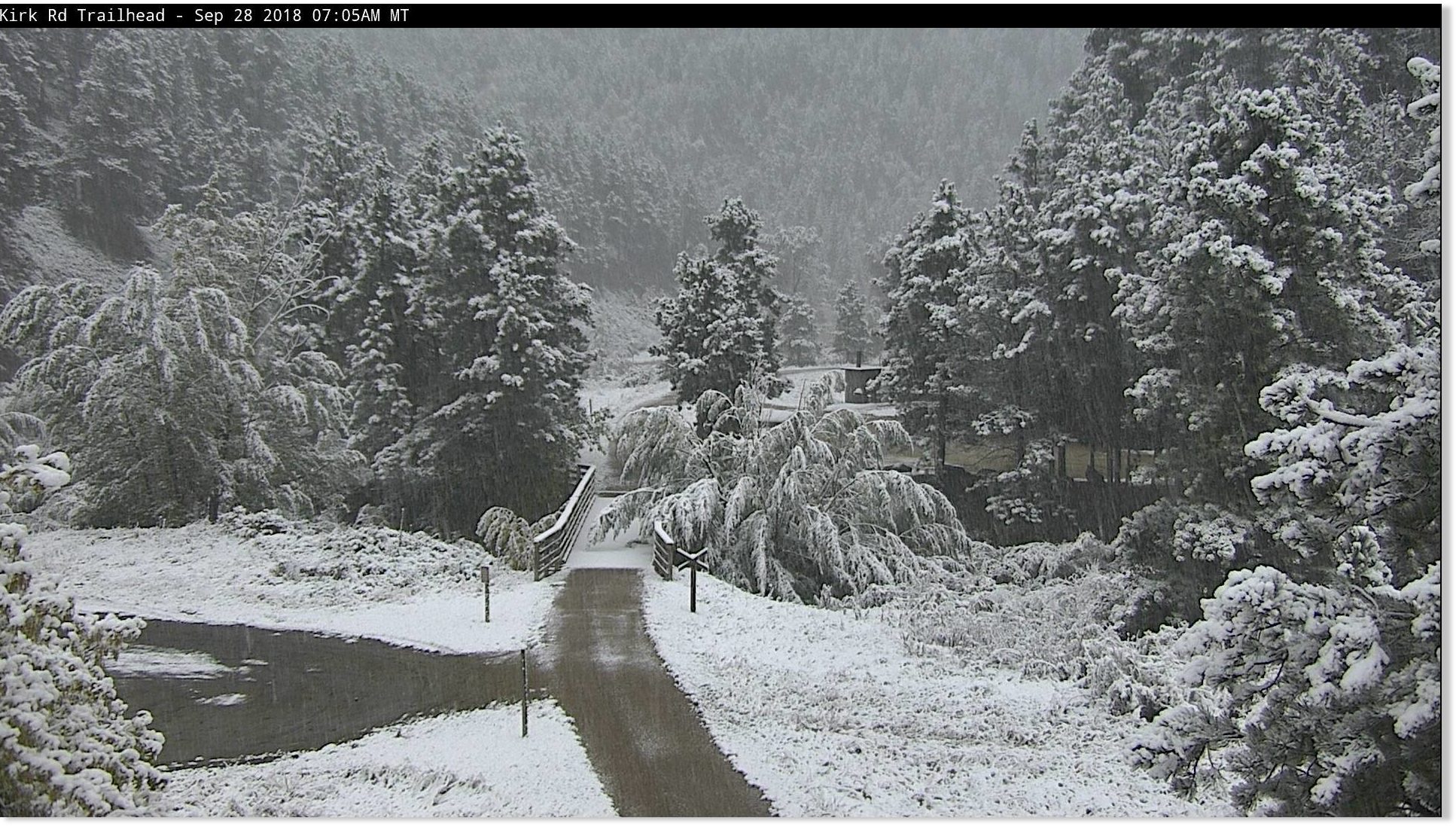

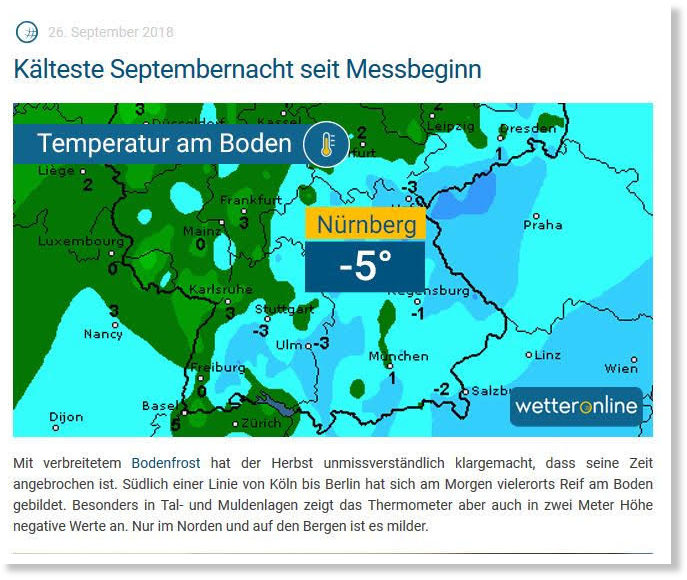






Comment: While pollution is clearly devastating vast swathes of our planet, it's essential we factor in the ongoing climatic shifts to truly understand what's happening to wildlife: