Secret HistoryS


Alarm Clock

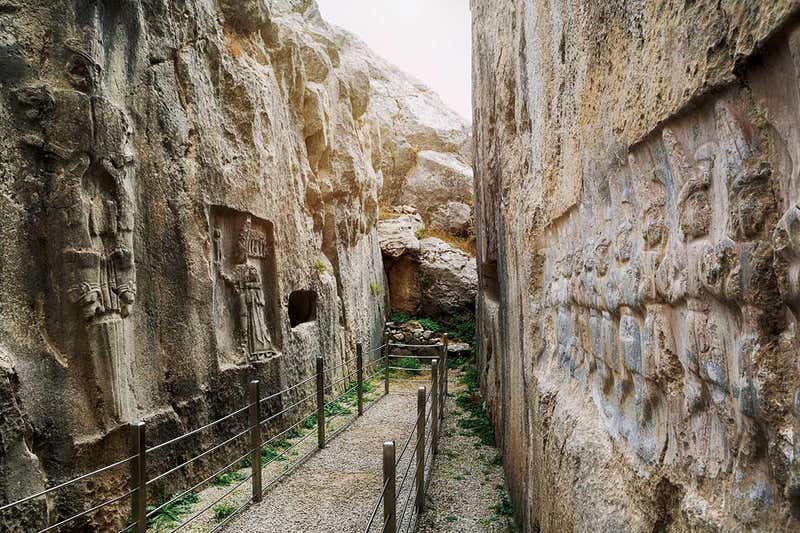
Yazılıkaya: A 3000-year-old Hittite mystery may finally be solved

Hittite
© GettySome call Yazılıkaya in Turkey the Sistine Chapel of Hittite religious art
FOR 3200 years they have guarded their secret. The deities carved in limestone near the ancient city of Hattusa are as enigmatic as they are beautiful.

Perhaps no longer. A controversial theory suggests the ancient carvings may have functioned as a calendar, with a level of sophistication way ahead of its time. "It's not only a striking idea, it's reasonable and possible," says Juan Antonio Belmonte at the Institute of Astrophysics of the Canary Islands, Spain, who wasn't part of the work.

Hattusa was the capital city of the Bronze Age Hittite empire, based in what is now Turkey. A few kilometres to the north-east of Hattusa are the ruins of an ancient religious sanctuary centred on a large limestone outcrop.

Comment: If this was a calendar, considering the efforts that went into it, it must have been tracking and recording something of great import:


Info

What ancient humans live on in our DNA?

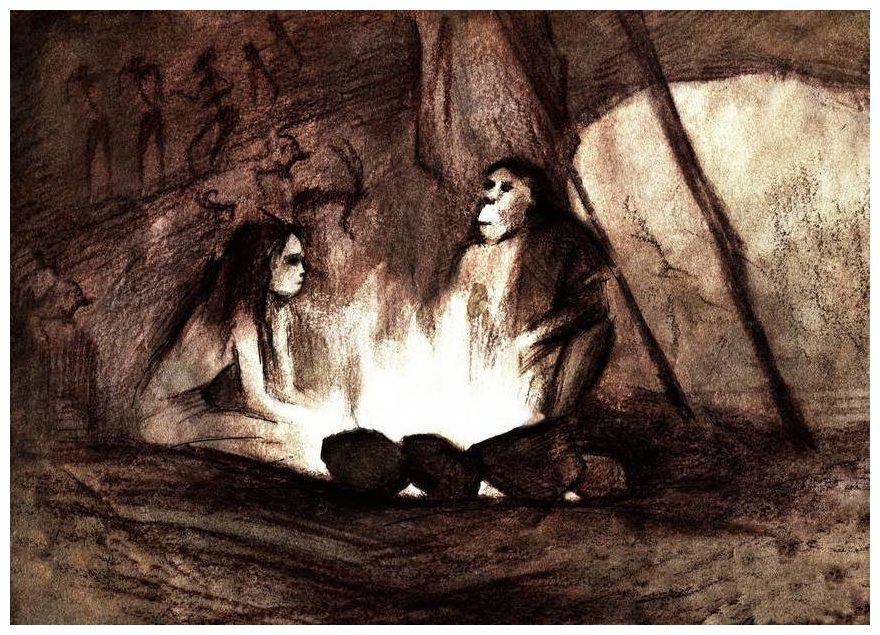
Neanderthal in CAve
© Yulliii/Shutterstock
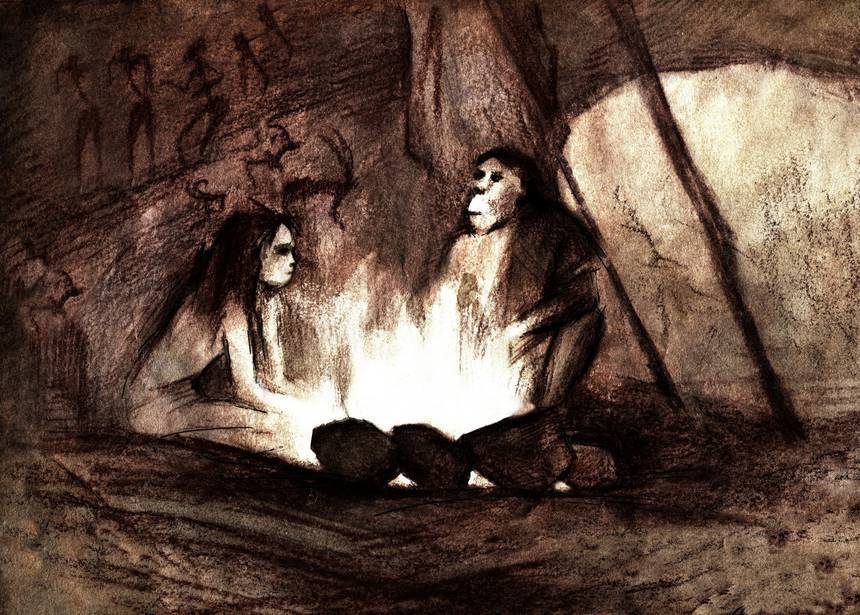
When the Neanderthal genome was first sequenced in 2010 and compared with ours, scientists noticed that genes from Homo neanderthalensis also showed up in our own DNA. The conclusion was inescapable: Our ancestors mated and reproduced with another lineage of now-extinct humans who live on today in our genes.

When the Denisovan genome was sequenced soon after, in 2012, it revealed similar instances of interbreeding. We now know that small populations from all three Homo lineages mixed and mingled at various times. The result is that our DNA today is speckled with contributions from ancient hominin groups who lived alongside us, but did not survive to the present day. Genes from Denisovans and Neanderthals are not present in everyone's DNA - for example, some Africans have neither, while Europeans have just Neanderthal genes. But, these genetic echoes are loud enough to stand out clearly to scientists.

On one level, it's not shocking that DNA from other human groups resides within us. H. sapiens today is the result of millions of years of evolution; we can count numerous species of ancient hominin among our ancestors. But the Neanderthal and Denisovan contributions to our genetic makeup happened far more recently, after H. sapiens had already split from other human groups. Those interbreeding events, also called introgressions, did not create a new species of human - they enriched an already existing one. Some of the traits we acquired are still relevant to our lives today.

"There's a lot of evidence for some type of introgression from ancient hominins into modern humans, particularly modern humans out of Africa," says Adam Siepel, a computational biologists at the Cold Spring Harbor Laboratory. "I don't think there's any real question among experts in the field as to whether the evidence overwhelmingly supports that event."
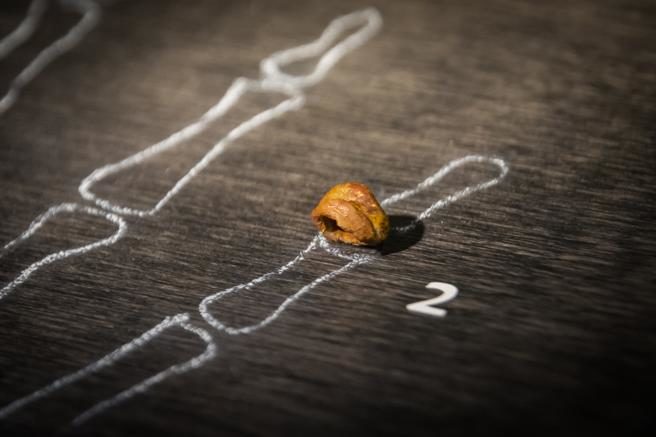
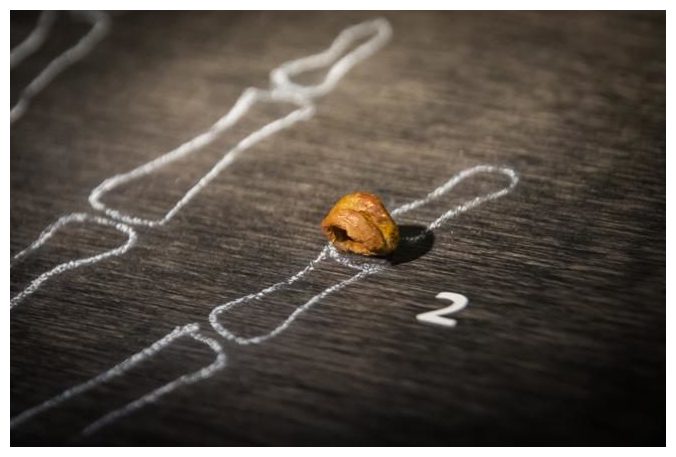
Finger Bone Fragment
© Thilo Parg/Wikimedia CommonsReplica of a Denisovan finger bone fragment, originally found in Denisova Cave in 2008, at the Museum of Natural Sciences in Brussels, Belgium.
Some evidence also suggests that there may be more than two additional human groups lurking in our DNA, what researchers sometimes call "ghost lineages." Modern humans living in Africa may have interbred with one or more hominin species there, resulting in even more addition to our current DNA. And a recent study of modern-day Indonesians suggests that what we call Denisovans was actually three separate groups of hominins, at least one of which can be thought of as its own species. The ancestors of Asians and Melanesians mated with at least one of these groups, and possibly more.

Sherlock

Severe scurvy found in mouth of skull believed to belong to failed crusader king Louis IX

Louis IX
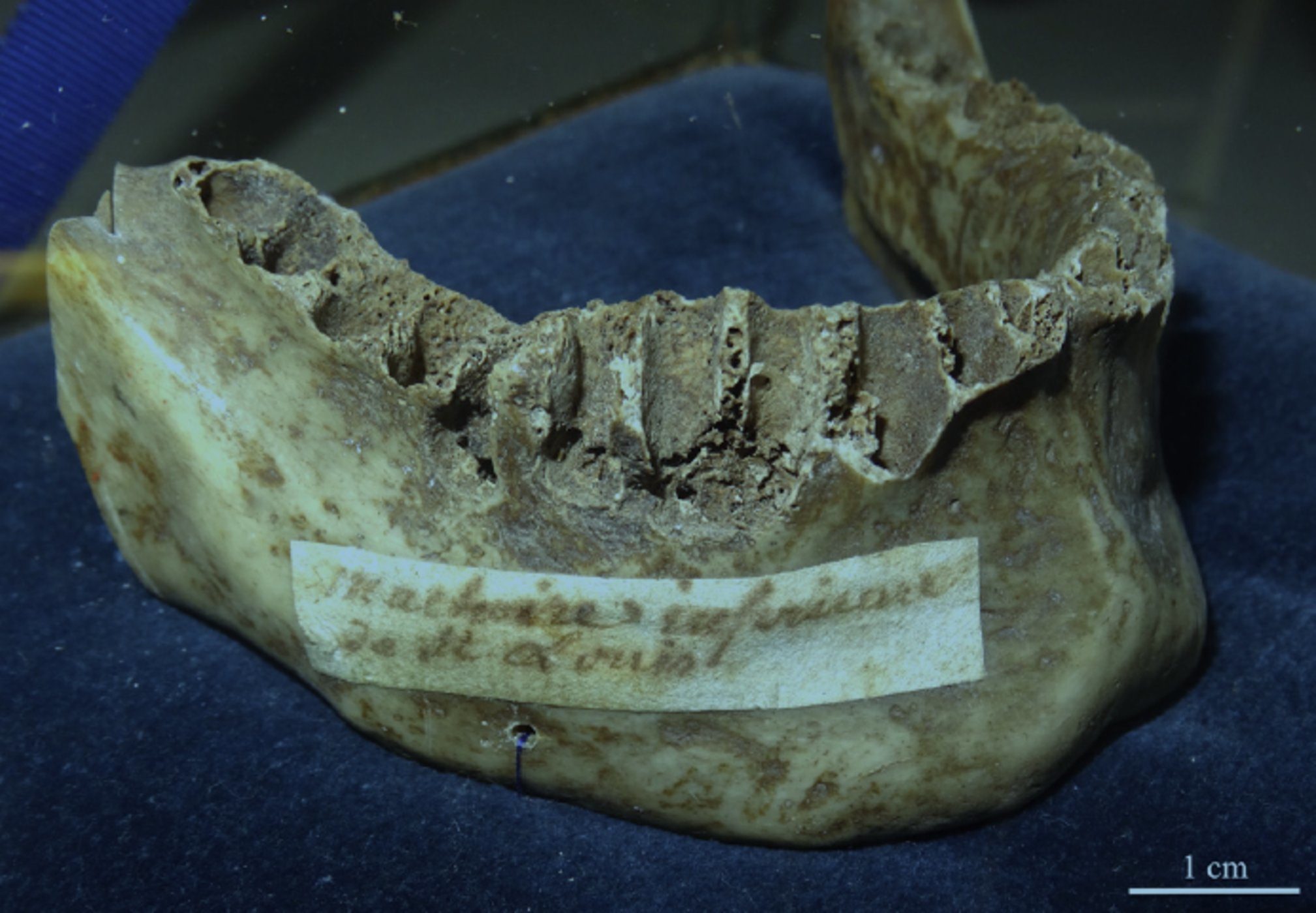
© J Stomatol Oral Maxillofac Surg (2019)An image of the jaw shows an 18th Century parchment attached identifying it as belonging to Louis IX. Credit: Charlier P, et al. The mandible of Saint-Louis (1270 AD): Retrospective diagnosis and circumstances of death.
One of the last crusader kings had scurvy when he died, a new forensic analysis finds - contradicting old narratives that he died of plague or dysentery.

The new find comes from an old jawbone that was buried in Notre Dame Cathedral. It was said to belong to Louis IX, a king of France who died besieging Tunis during the Eighth Crusade in 1270 and was later canonized as St. Louis. They found forensic evidence that the bone did indeed come from St. Louis, and that he had a severe case of scurvy when he died. The results of their examinations were made available online June 8 in the Journal of Stomatology, Oral and Maxillofacial Surgery.

Comment: So, it's not definitive that this was Louis IX, or whether the scurvy was because his diet consisted solely of fish. It is notable that during that time scurvy appears to have been widespread, and even in people of high status. Was it really caused by a seriously restricted diet - because there is evidence that the Inuit avoid scurvy by eating fresh meat and raw fish - or was it for another reason, perhaps because resources were scarce or the knowledge of how to prevent it wasn't known? Also check out SOTT radio's: Behind the Headlines: 'Muslim Hordes' - The Islamic origins of Western Civilization


Archaeology

'Russian Atlantis' where women were revered unearthed in Siberia

siberian atlantis
© RGO
Relics from not one, but two ancient peoples have emerged from the depths at a site dubbed the 'Siberian Atlantis.' The race is on to unearth as many artifacts as possible before the 50ft (15m) waters consume the site once more.

Treasures from two civilizations dating from the Bronze Age to the era of Genghis Khan were uncovered as the waters receded at a 240-square-mile site in the Tuva Republic in southern Siberia, the Siberian Times reports.
siberian atlantis
© RGO

Palette

Elaborate mosaics uncovered at massive and mysterious Roman villa in Spain

roman villa spain
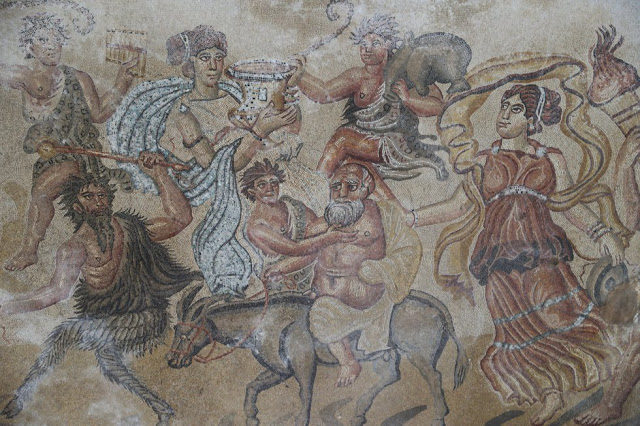
© R.G./El PaisA section of the triclinium at the Roman villa of Noheda. This scene depicts Dionysus’ retinue, including centaurs,
musicians, satires and Silenus, represented as an old man riding a donkey
Once upon a time, there was an immensely rich man. He was so wealthy that he could afford to have wine sent from Syria to his home, nearly 5,000 kilometers away, even though this was back in the fourth century, in Roman Hispania. His estate, known as Villa de Noheda, was a testament to his great power: it covered more than 10 hectares, according to recent geo-radar measurements. Just his dining room (known in Roman as a triclinium) was 291 square meters, and it was decorated with mosaics fit for the palace of an emperor.

"This man really existed," explains Miguel Ángel Valero, professor of ancient history at the University of Castilla-La Mancha. His name is not yet known "but sooner or later, we'll find out," says Valero, who has spent a decade uncovering the dazzling features of the villa, which is located in Villar de Domingo, a hamlet of 218 inhabitants in Cuenca province, in the central region of Castilla-La Mancha.

Comment: See also: Also check out SOTT radio's: Behind the Headlines: Julius Caesar - Evil Dictator or Messiah for Humanity?


Info

First evidence of humans cooking starches found in South African cave

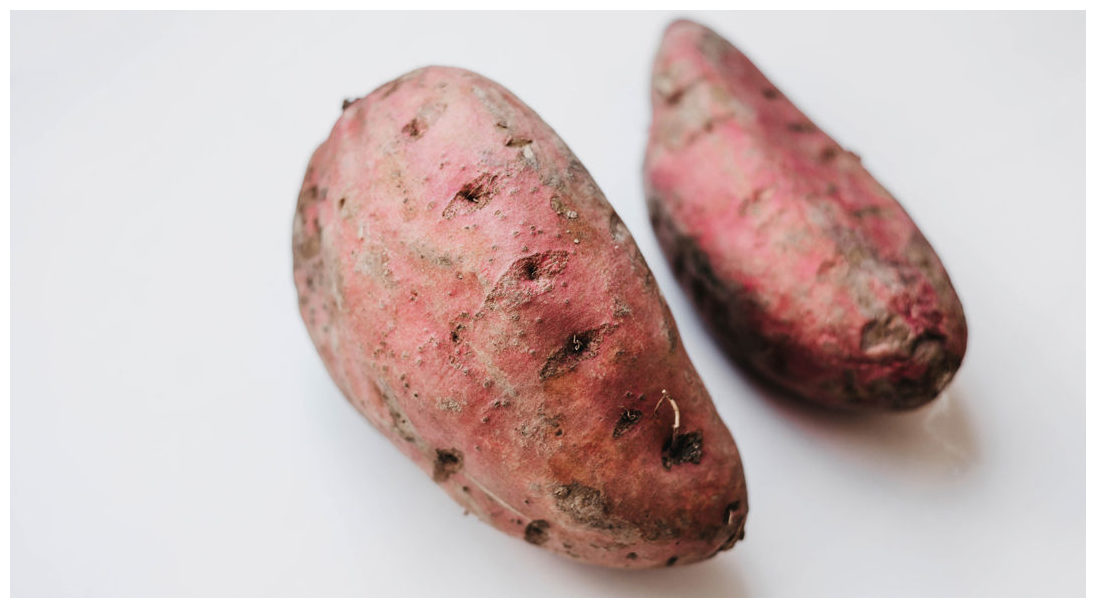
Starchy Tubers
© Marco Verch/FlickrHumans have been cooking starchy tubers—not unlike the potato—far longer than was previously estimated.
More than 100,000 years ago, humans lived in the caves that dot South Africa's coastline. With the sea on their doorstep and the Cape's rich diversity of plant life at their backs, these anatomically modern Homo sapiens flourished. Over several millennia, they collected shells that they used as beads, created toolkits to manufacture red pigment, and sculpted tools from bones.

Now some of these caves, along the country's southern coast, have shed light on humanity's earliest-known culinary experiments with carbohydrates, a staple in many modern diets. Small pieces of charred tubers found at the Klasies River site in South Africa date back 120,000 years, making them the earliest-known evidence of H. sapiens cooking carbs, according to recent research published in the Journal of Human Evolution.

The study joins a suite of new findings that illuminate the evolution of our ancestors' diet. For example, in recent years, scientists have determined that hominins have been eating meat for at least 2.6 million years-with some researchers contending that hominins were butchering bones for marrow as much as 3.4 million years ago. And hominins were roasting nuts, tubers, and seeds about 780,000 years ago. Humans specifically, as another South African find revealed, ate shellfish some 164,000 years ago. And last year, ancient crumbs revealed that H. sapiens has been eating bread for 14,400 years.

Cynthia Larbey, an archaeologist at Cambridge University in the United Kingdom and lead author of the new study, suspects that roasting tubers provided critical nutrition to our species. "It was the way we were able to continue feeding ourselves as we moved and migrated," she says. Hunting was difficult and unreliable, so "it was a skill to be able to find food as they moved to different ecologies."

Dig

Ancient lead sarcophagus discovered during restoration works in Granada

sarcophagus
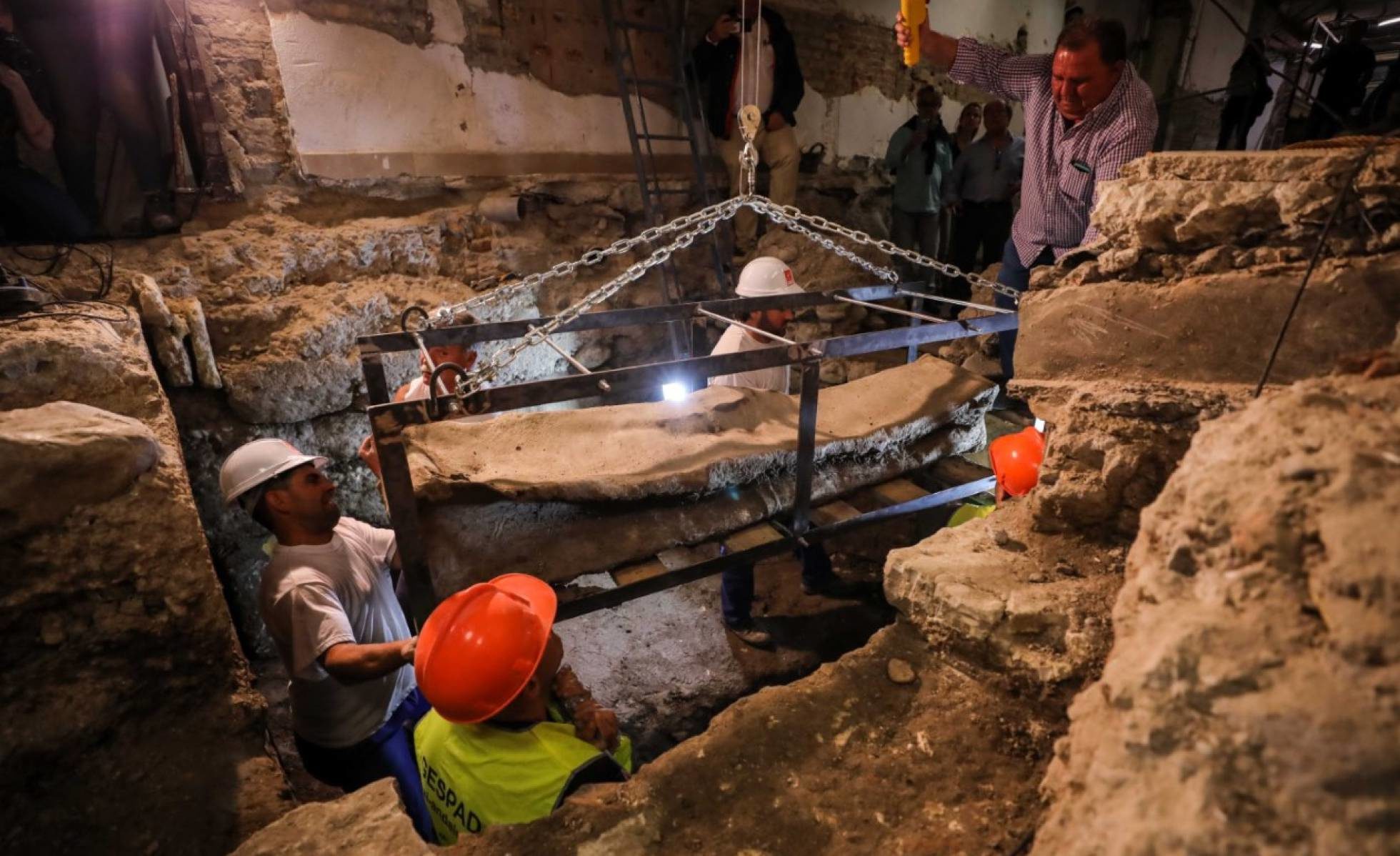
© Fermín RodríguezWorkers remove the sarcophagus in Granada.
When archaeologists began exploring underneath a building in Granada, in the southern Spanish region of Andalusia, they weren't expecting to find anything of importance. After all, they were just completing a standard prospection of the Villamena building, as required for any planned underground work in the city to rule out the existence of historic remains. The survey was going ahead as planned. They found a few remains from the Christian era and from the days of Muslim rule, but nothing truly relevant.

The sarcophagus weighs between 300 and 350 kilograms

But before finishing the work, they decided to explore a little deeper. And that's when they found it: a Roman grave covered with sandstone and mud, 2.5 meters below the surface.

Sherlock

Mysterious Nasca lines in Peru depict exotic birds not local ones

nazca bird
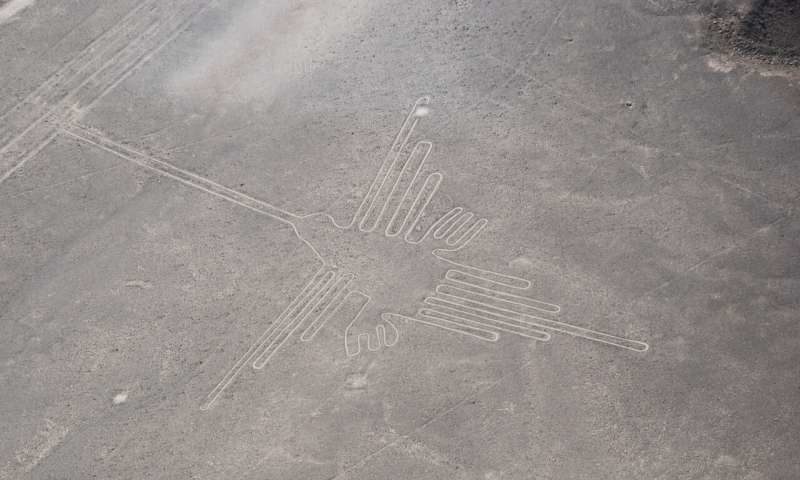
© Masaki EdaThe team's ornithological analysis re-classified a previously identified hummingbird as a hermit.
A scientific approach has re-identified huge birds etched into the desert plains of southern Peru around 2,000 years ago. The birds appear to be exotic to the region, and further studies could help explain their significance. The study is published in the Journal of Archaeological Science: Reports.

The lines and geoglyphs of Nasca and Palpa are located some 400 kilometers south of Lima, Peru, and comprise a World Heritage Site covering an area of about 450 square kilometers. They were carved into the ground between 400 B.C.E and 1000 C.E. by pre-Inca people, and include lines, geometric designs, and animal and plant drawings. Most of these etchings are so large that they are best seen in aerial photographs. Identifying what they represent is an essential first step toward unraveling the mystery of why they were drawn in the first place.

Comment: This new perspective on the Nazca lines could go some way to explaining why, in the desert, they chose to depict a killer whale (orca): Orca geoglyph re-discovered in southern Peru

See also:


Info

First time that Scythian settlement has been found in East Kazakhstan

Saka Settlement
© Arkeolojik Haber
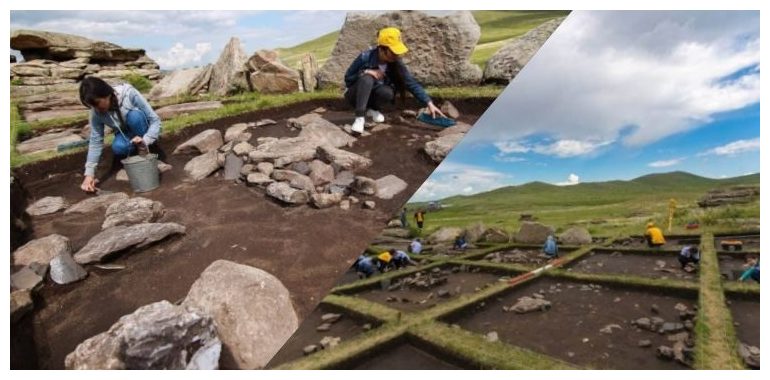
3,000-year-old Saka settlement discovered in Kazakhstan.

At the start of the 2019 archaeological season, Kazakhstani researcher Zeynolla Samashev discovered an ancient Saka settlement of the final Bronze Age and early Iron Age near the historical complex Akbaur, located some two kilometres west of Kazakhstan's capital Nur-Sultan, local news sources reported.

The Saka were among the Scythian tribes that historically inhabited the territories of Central Asia, South Caucasus, Afghanistan and modern-day India and widely believed to have had an exclusively nomadic economy and social structure.

"In the first layer we discovered numerous artifacts, including millstones for grinding wheat, thousands of ceramic fragments, spindle whorls and bones of horses, sheep and goats, all of which clearly indicate the complex nature of the economy of the people who lived here," said the Kazakhstani archaeologist Zeynolla Samashev, who led the excavation team.

Fire

"Catastrophic" fire destroyed incredible British Bronze Age settlement a year after it was built

Must Farm.
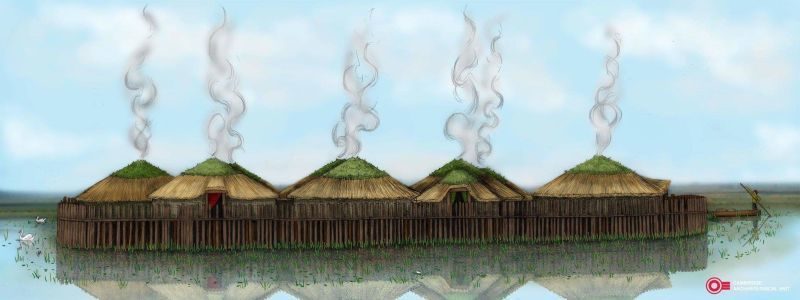
© Vicki Herring, Cambridge Archaeological UnitArtist’s reconstruction of Must Farm.
A remarkably well-preserved Bronze Age settlement dubbed the 'British Pompeii' was destroyed by fire around a year after it was constructed, according to new research. It's one of many new findings that's shedding light on the 3,000-year-old community and the people who called it home-albeit it for a short time.

New research published today in the journal Antiquity offers a detailed look into Must Farm, a late Bronze Age settlement located near Whittlesey in eastern England. First described in 2016, the settlement is known as the "Pompeii of Britain" owing to its remarkable state of preservation. Like Pompeii, the settlement captures a moment in time-albeit a moment of tragedy. Some 3,000 years ago, the wooden structures caught fire and plunged into the waters below, an event that contributed to their preservation.

Comment: The similarities with Scotland's crannogs is intriguing. As noted in Crannogs: Neolithic artificial islands in Scotland stump archeologists:
In Loch Tay, of the 13 crannogs that have been radio-carbon-dated, nine date back to the same period as Oakbank. Four others seem to have been built 2,400 and 1,800 years ago. Those two spikes in activity - one in the mid-first millennium BC, the second toward the end of the millennium - echo a trend seen throughout Scotland. In part, this may have stemmed from the same reason that caused a boom in Welsh hill forts in the same period: climactic deterioration.

Around 536 AD, there was a well-documented catastrophe - likely caused by one if not two volcanic eruptions, or perhaps a series of comet impacts - that covered the Northern Hemisphere in a haze of dust. This caused crops to fail and made it colder and wetter.

As researchers Mike Baillie and David Brown, among others, have pointed out, these events line up with a spike in building crannogs in both Ireland and Scotland.
See also: