The current mania for pulling down statues of so-called morally corrupt historical figures is a classic case of
presentism: "reading modern notions of morality" onto the past. It seems that those driven to do so may be honestly trying to rectify the "sins" of the past — whether it be colonial conquest, slavery, genocide, or whatever else. How corrupt were these historical figures? Were they indeed much more reprehensible than anyone in the present day? What did these people actually think in the awful before times when our Western European ancestors discovered the "New World" and practiced conquest and slavery? We are not able to read their minds — only to speculate upon their intent by examining historical documents: the writings, recollections, and stories of those who experienced those days. Indeed, how many of these activists so intent on destroying these representations of the past are fully knowledgeable of these documents that underpin the respect once given to these historical figures resulting in their statuary honors?
David Wootton, in his book
The Invention of Science, explores the development of modern thinking through the investigation of historical artefacts such as writings, literature, and recollections. He notes that in the 1600s, even the notion of
history itself did not exist as we understand it today. Wootton describes the intellectual culture of a typical well educated European in the 1600s. Such a person believed that witches could turn people into pigs, for instance, and that magic could be used to retrieve stolen goods. Alchemists could turn base metal into gold, and murdered bodies would bleed in the presence of the murderer. Slavery was understood to be just one way of the world. Europeans at that time were familiar with the writings of the Romans and the Greeks and how they lived. They had no notion of
progress as such — to be able to reflect on their own technologies and compare them to the capabilities of others — so the classical civilizations of Rome and Greece were seen as contemporaries rather than as ancients. We today can marvel at their ignorance, even as we take for granted the modern world that exists as a result of their imagination and curiosity.





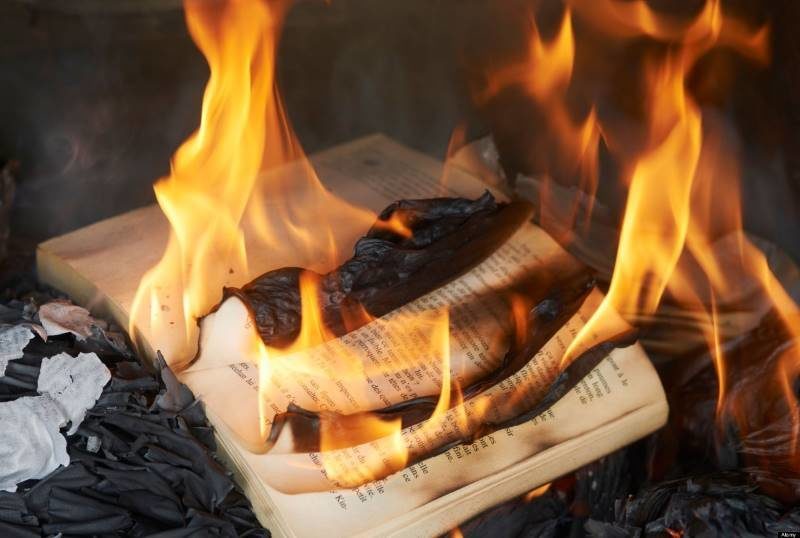














Comment: The plan: Destroy until there is nothing and no one to fight for.
See also:
Kiev's long term plans to blow up the Kakhovka Dam