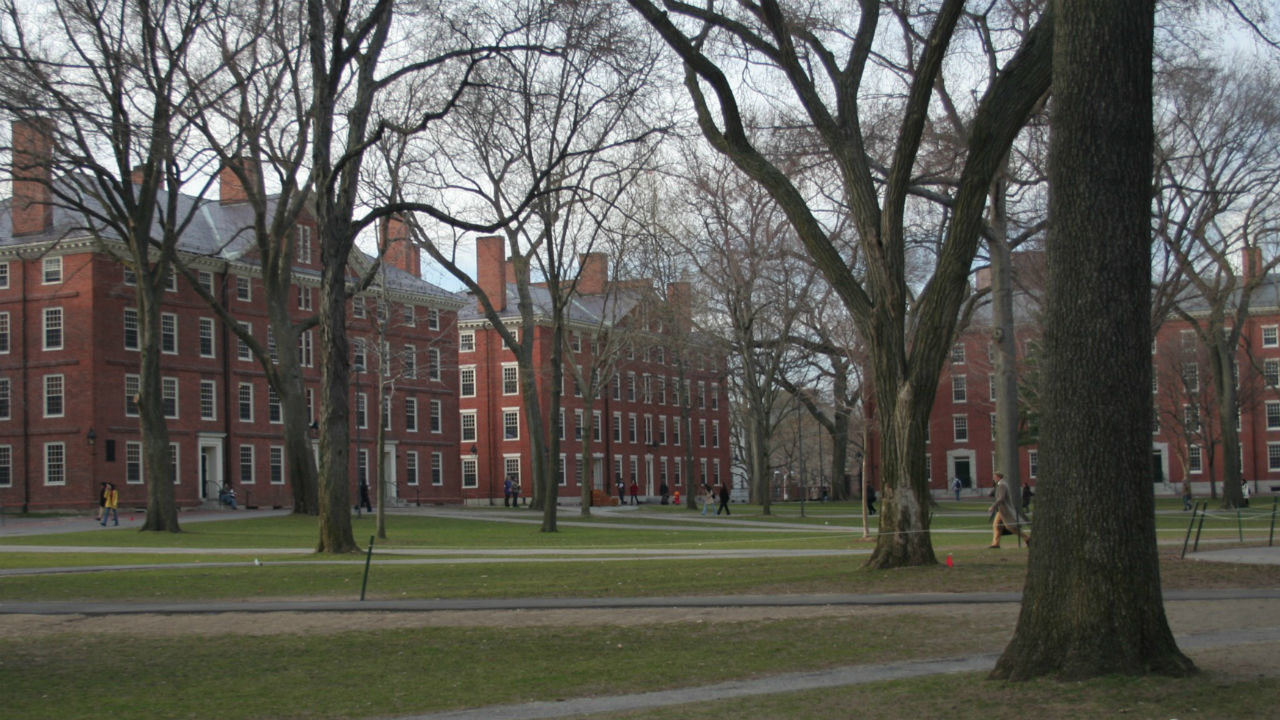
© Mathieu Thouvenin/Flickr (CC BY-NC-ND 2.0)
At 1 a.m. on 4 June 2016, Gustavo German, a doctoral student in biomedicine at Harvard University, heard a knock at his door. It was three police officers.
They explained that a doctor with Harvard's health service had issued an order to take German to a hospital for a psychiatric evaluation to see whether he should be committed, even against his will. Surprised, German said he was fine. One police officer put on black gloves. His parents, who were visiting, tried to persuade the police to stop, saying they were not concerned about their son.
The officers made German lie down on a stretcher, and an ambulance carried him to a hospital. He was
back home within hours, however; a psychiatrist had found nothing out of the ordinary. But German was traumatized, he says, and "my mom was distraught." She couldn't sleep for 5 days, he says. Soon after, German says a Harvard official told him he shouldn't return to his laboratory.
Court records reveal that the police had received their order because, for months, German's mentor—prominent stem cell researcher Lee Rubin—had been voicing concerns about German's behavior. German appeared "uncharacteristically disheveled and exhausted" at times, according to an affidavit from Rubin; other members of Rubin's laboratory said they felt unsafe around German, and worried he might sabotage their experiments. Rubin's concerns deepened in late May 2016, after German—who was just months away from finishing his Ph.D.—stopped showing up at the lab. Just weeks later, German's disappearance led the health service doctor—who had never spoken to German, nor his physician—to
order him to be taken from his home in the middle of the night for a psychiatric evaluation.



















Comment: She was actually reciting a poem but it doesn't make it any less crazy.