
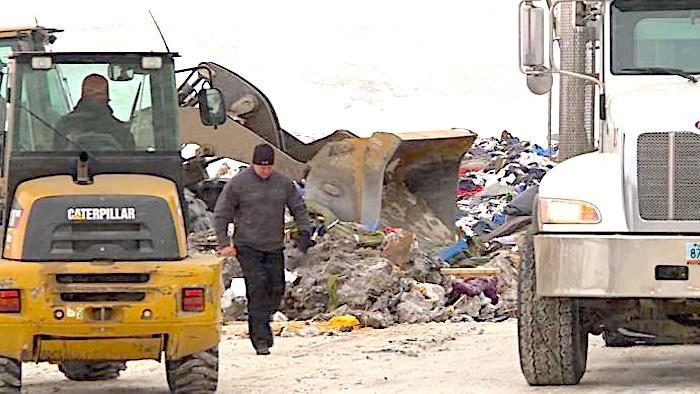
© KOTAAccording to reports, so far 23 loads of garbage have been dumped at the Bismarck landfill.
A press release published by Governor Doug Burgum (R) said the US Army Corps of Engineers would be visiting the campsite that sits on federally owned lands "to assess the situation and determine what resources are needed to complete the environmental cleanup before potential major spring flooding arrives."
The crisis emerged when high temperatures led to melting snow on frozen ground, which could potentially submerge the camp because it rests on a floodplain. As a result, the governor called for federal assistance in cleaning up the campsite in the form of the Army Corps.
"Today's assessment by the Army Corps of Engineers is crucial to accelerating the cleanup process, so this land can be properly cleared of garbage, structures, vehicles and human waste before it washes into the rivers," Burgum said. "We cannot afford to wait any longer." A particular concern is of garbage and human waste flooding into the Cannonball River. "If you're really trying to protect the river, it is imperative we get that stuff cleaned up before we see a flood," the governor said.


















Comment: Odd juxtaposition: Garbage cleanup in the protest campsite for health concerns and to prevent toxic substances washing into the Cannonball River, countered by the future pollution and poisoning of the water in Lake Oahe due to the pipeline route. The Tribe is partnering with a corporation to effect the campsite cleanup and save the river. What will the pipeline do to save the lake?