© Bowen Press
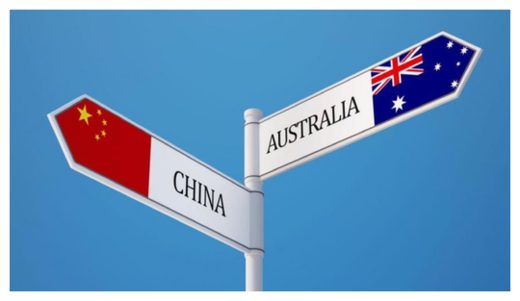
Wars can happen suddenly in an atmosphere of mistrust and provocation, especially if a minor power, like Australia, abandons its independence for an "alliance" with an unstable superpower.
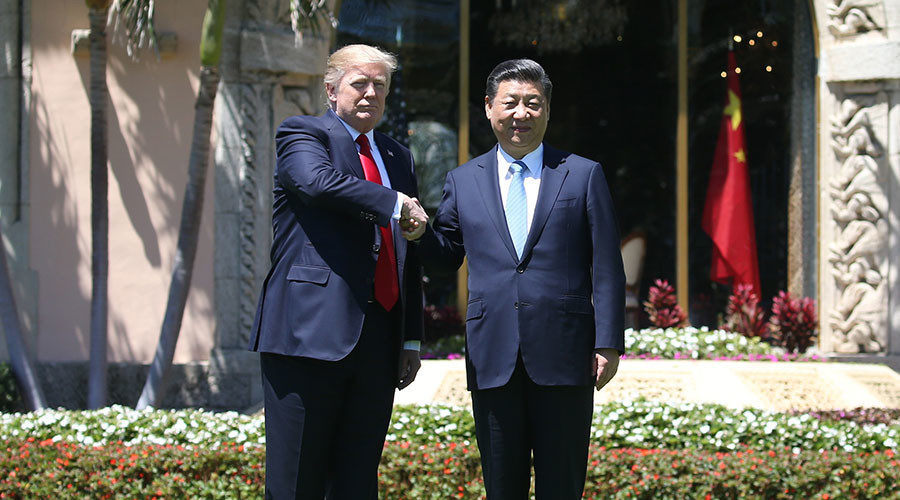
The United States is at a critical moment. Having exported its all-powerful manufacturing base, run down its industry and reduced millions of its once-hopeful people to poverty, principal American power today is brute force. When Donald Trump launched his missile attack on Syria — following his bombing of a mosque and a school — he was having dinner in Florida with the President of China, Xi Jinping.
Trumps attack on Syria had little to do with chemical weapons. It was, above all, to show his detractors and doubters in Washington's war-making institutions — the Pentagon, the CIA, the Congress — how tough he was and prepared to risk a war with Russia.
He had spilled blood in Syria, a Russian protectorate; he was surely now on the team. The attack was also meant to say directly to President Xi, his dinner guest: this is how we deal with those who challenge the top dog.China has long received this message. In its rise as the world's biggest trader and manufacturer, China has been encircled by 400 US military bases — a provocation described by a former Pentagon strategist as "a perfect noose".
This is not Trump's doing. In 2011, President Barack Obama flew to Australia to declare, in an address to parliament, what became known as the "pivot to Asia": the biggest build-up of US air and naval forces in the Asia Pacific region since the Second World War.
The target was China. America had a new and entirely unnecessary enemy. Today, low-draft US warships, missiles, bombers, drones operate on China's doorstep.In July, one of the biggest US-led naval exercises ever staged, the biennial Operation Talisman Sabre, will rehearse a blockade of the sea lanes through which run China's commercial lifelines. Based on a Air-Sea Battle Plan for war with China, which prescribes a preemptive "blinding" attack, this "war game" will be played by Australia.

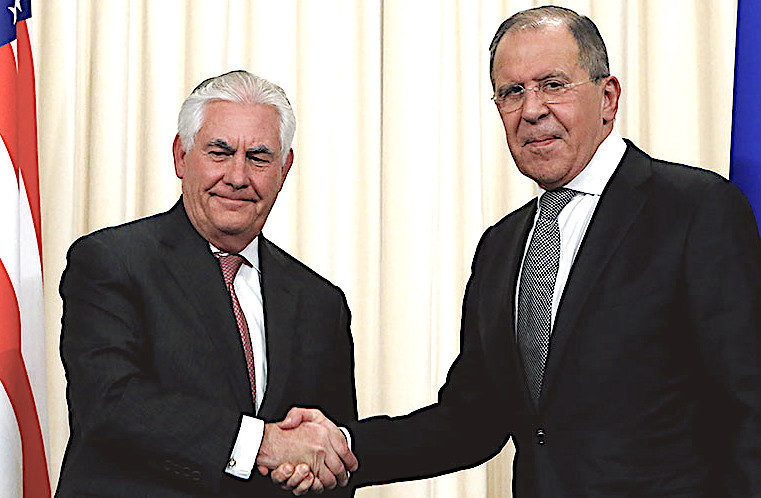






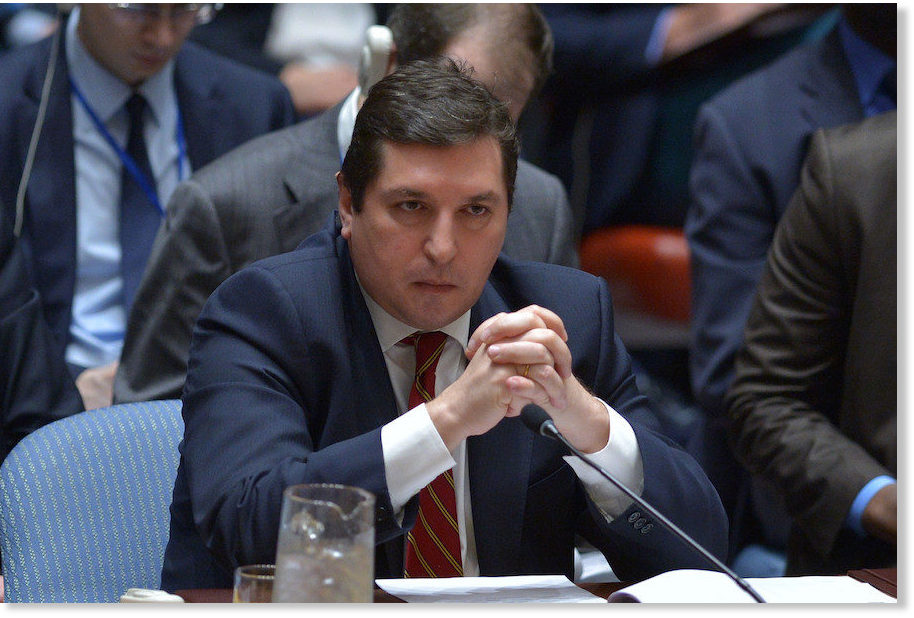

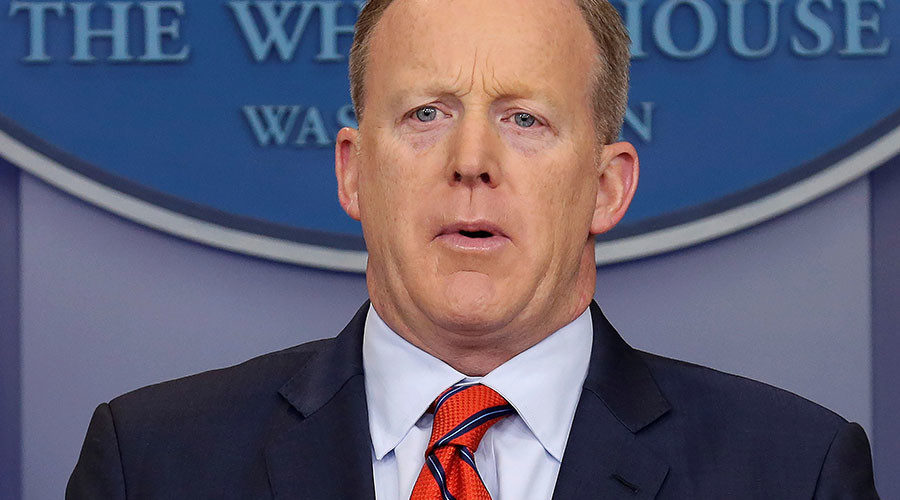

Comment: The press conference is quite informative as to the positions of Lavrov and Tillerson on various issues and the willingness of both statesmen to create opportunities to cooperate between the two countries. They also respectfully and carefully articulated their differences and expectations regarding such. However, proof will be what they respectively do and what is actually achieved.
Some additional excerpts of the press conference: