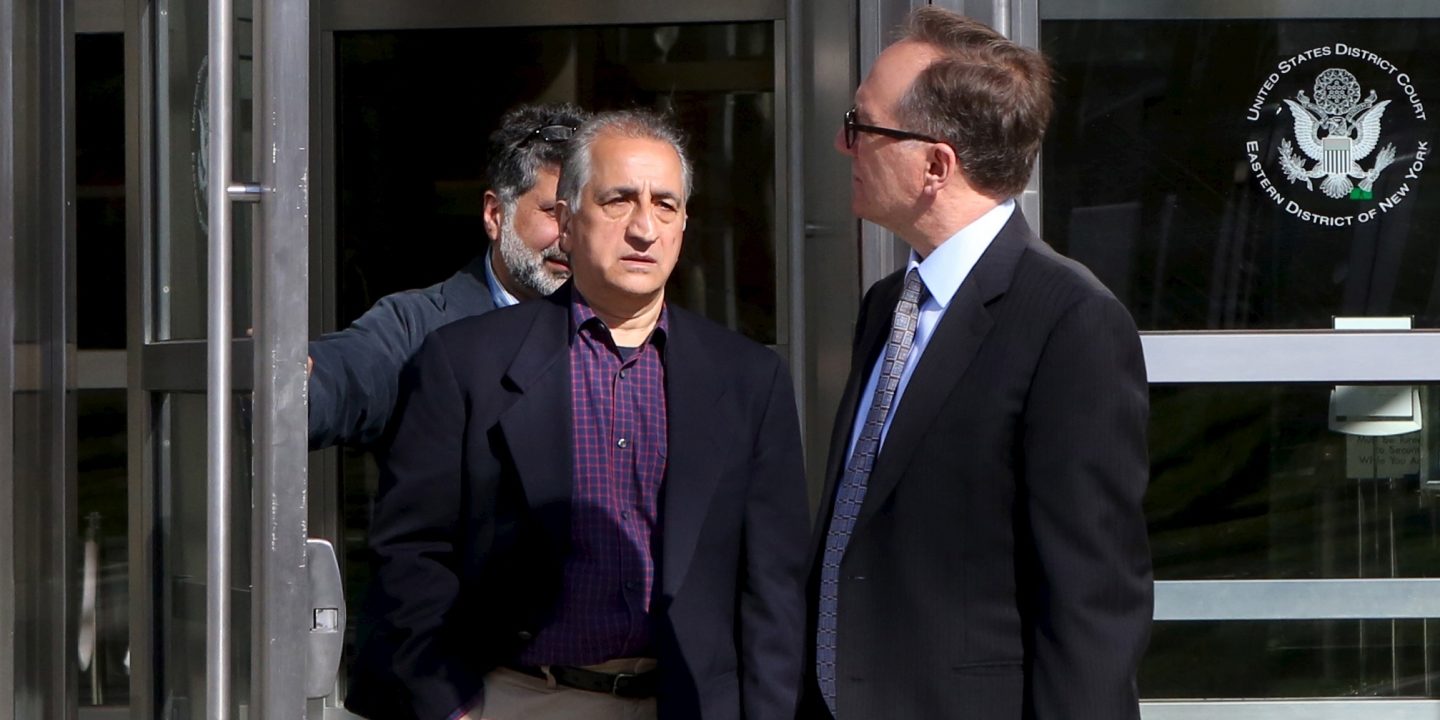
© Pearl Gabel/ ReutersAhmad Sheikhzadeh, center, a consultant to the Iranian Mission to the United Nations, leaves Brooklyn Federal Court in New York, March 23, 2016.
To all appearances, Ahmad Sheikhzadeh led the life of a typical New York academic. A 62-year-old Columbia University Ph.D., he lived alone in a small West Village rental, practiced yoga, attended lectures with friends, and conducted research at New York University's labyrinthine Bobst Library. On Fridays, he'd travel uptown to a building at the corner of 40th Street and Third Avenue to work at Iran's Mission to the United Nations, stepping directly into one of the most dangerous flashpoints in global politics.
As Sheikhzadeh left his weekly briefing one day in March 2016, an FBI agent approached him. The agent did not immediately detain Sheikhzadeh, according to court filings; instead the investigator brought him to a hotel for questioning. Over the course of the night, the agent revealed that Sheikhzadeh was the subject of a sealed indictment in the Eastern District of New York.
Eventually, the agent made his pitch. The FBI asked Sheikhzadeh
"to cooperate with the government and to spy on his employer even though the charges against him did not include anyone else employed at the Mission," according to court documents.
When Sheikhzadeh refused, he was charged with falsifying his tax returns, followed by other, more serious accusations, including money laundering and conspiracy to violate U.S. sanctions against Iran.

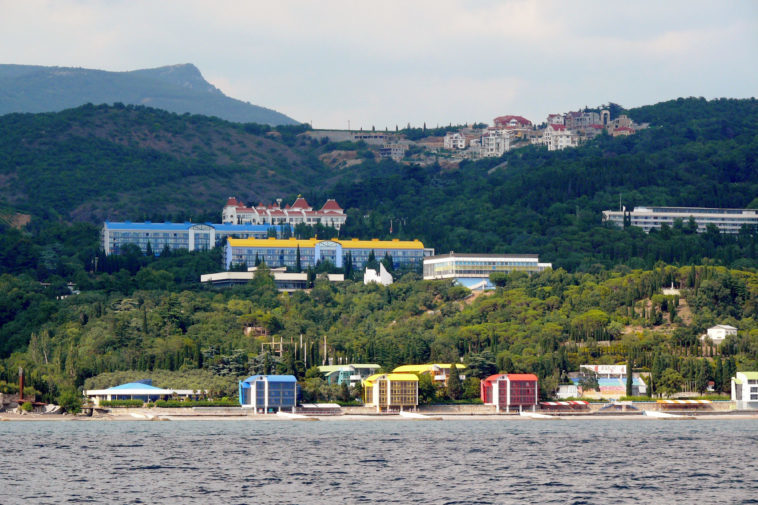










Comment: That the German politicians were expecting a crumbling infrastructure, just goes to show just how sinister the western mainstream media narrative really is. Because while Crimea is going from strength to strength, Ukraine's future, thanks to yet another US 'intervention', is looking pretty bleak, and there may be even darker signs on the horizon: