OF THE
TIMES
I have now been sent the vital information that in late 2016, Iranian scientists set out to study whether novichoks really could be produced from commercially available ingredients. Iran succeeded in synthesising a number of novichoks. Iran did this in full cooperation with the OPCW and immediately reported the results to the OPCW so they could be added to the chemical weapons database.This makes complete nonsense of the Theresa May's "of a type developed by Russia" line, used to parliament and the UN Security Council. This explains why Porton Down has refused to cave in to governmental pressure to say the nerve agent was Russian. If Iran can make a novichok, so can a significant number of states.

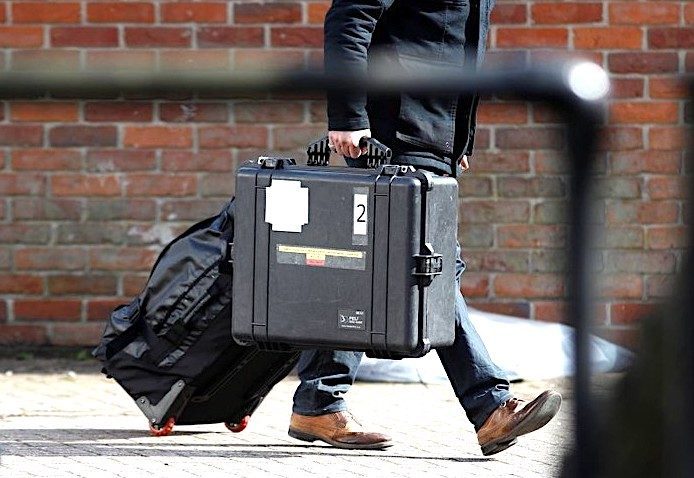
"What exactly is Britain asking the OPCW Technical Secretariat to confirm: only the fact that a nerve agent was used or that it belongs to the 'Novichok' type under Western classification?" one of the questions reads.Moscow is also asking what type of samples and other evidence was handed over to the OPWC by the British and whether the Technical Secretariat has plans to share its information on the Skripal case with the OPCW Executive Council, of which Russia is a member.
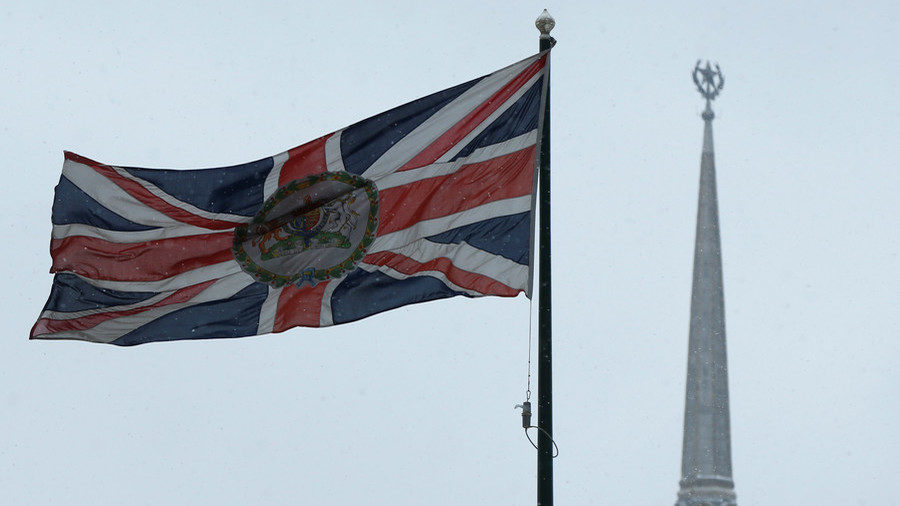
It has taken a long time for western politicians to recognise the extent and depth of the threat represented by Vladimir Putin's Russia. Some in the Labour party still don't. It is also plain, as Theresa May embarks on an open-ended confrontation with Moscow, that the dispute provoked by the Salisbury outrage could take years to resolve.
Cold or hot, overt or covert, this is going to be a long war - and Britain will need all its friends and allies if it is to prevail against a ruthless opponent. Whether sincere, sufficient and timely support will be forthcoming is in serious doubt.
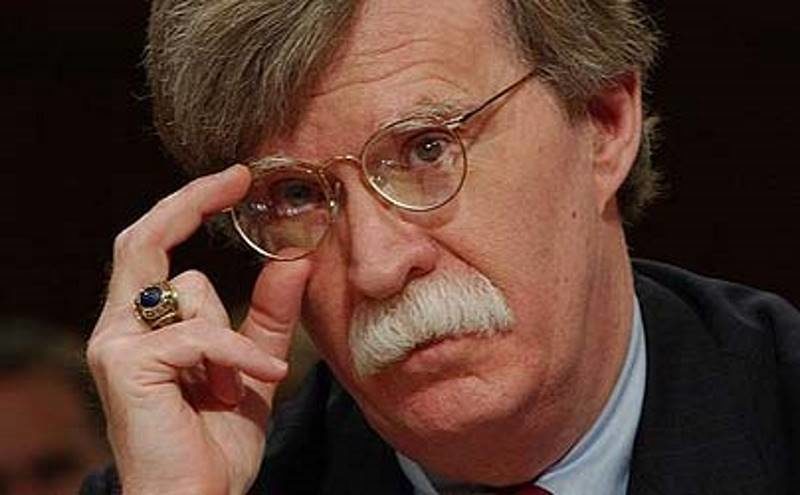
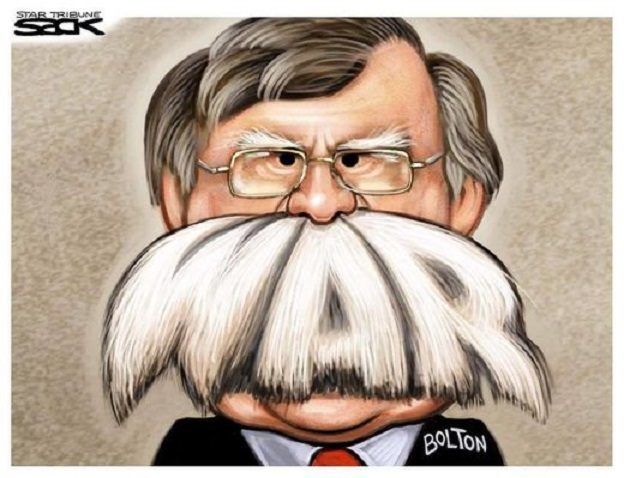
While President Trump's appointment of John Bolton to the position of National Security Adviser has sent shockwaves throughout the country, most of the concern about his likely effect on U.S. policy has been focused on the Middle East as well as the Korean peninsula. Bolton's appointment has, however, also caused concern elsewhere, particularly in Latin America.
This article is Part III of a series exploring the past of soon-to-be National Security Adviser John Bolton and what his appointment will mean for U.S. foreign policy, with a focus on the Middle East, Latin America, and the Koreas. Part I examined Bolton's past advocacy for Israel, often at the U.S.' expense. Part II detailed how that same commitment to Israel has shaped his vision for the Middle East, a vision that calls for regime change in Iran, the division of both Syria and Iraq, and the creation of a new Sunni state. Part III explores Bolton's past and present policies in regards to Latin America, policies which threaten to return the region to bloody legacy of American-backed military coups.
He [Bolton] is a warmonger and Latin Americans get nervous when American presidents tend to lean toward military versus diplomatic solutions. It's a militaristic style that won't go down well in Latin America."
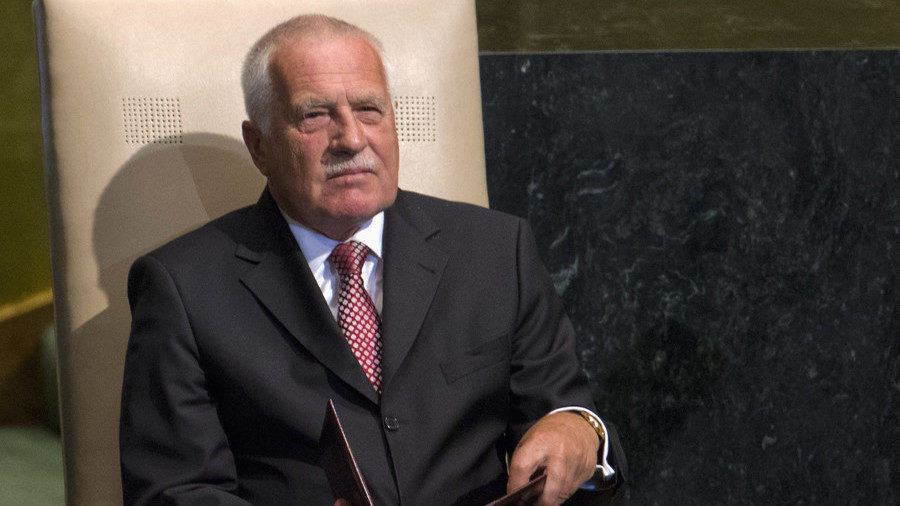
Comment: The general sentiment from the left is that ideas opposing multiculturalism are based on racism and the fear and hatred of the 'other'. However, what if that is not the case. The 'leftist utopia' isn't bringing about a land of peace and prosperity, as Klaus points out. Instead people are growing ever more divided and this cannot be solely blamed on those on the right. In effect, this liberal vision seeks to build a world where the 'other' (meaning everyone else but them) make sacrifices, where there is little to no genuine cooperation or dialog. What kind of utopia is that?