OF THE
TIMES
At this week's summit in Helsinki, Russian President Vladimir Putin proposed what President Trump described as an "incredible offer" - the Kremlin would give special counsel Robert S. Mueller III access to interviews with Russians who were indicted after they allegedly hacked Democrats in 2016. In return, Russia would be allowed to question certain U.S. officials it suspects of interfering in Russian affairs.The Washington Post would compound confusion and hysteria by also claiming (emphasis added):
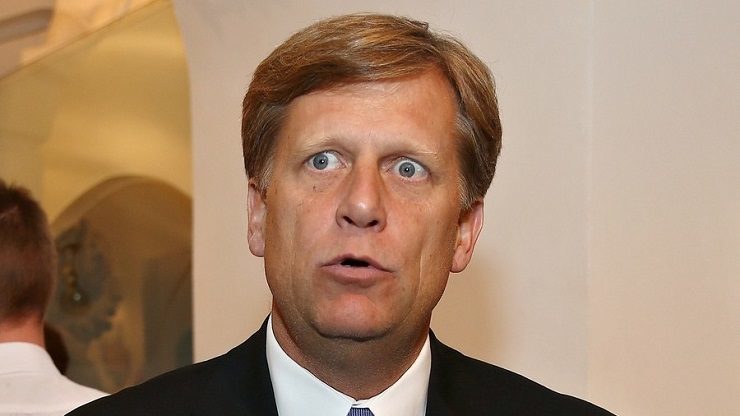
One of those U.S. officials is a former U.S. ambassador to Moscow, Michael McFaul, a nemesis of the Kremlin because of his criticisms of Russia's human rights record.
The willingness of the White House to contemplate handing over a former U.S. ambassador for interrogation by the Kremlin drew ire and astonishment from current and former U.S. officials. Such a proposition is unheard of. So is the notion that the president may think he has the legal authority to turn anyone over to a foreign power on his own.In reality, the proposal never entailed the US or Russia handing anyone over for interrogation. Bloomberg in an article titled, "Trump 'Looks Weak' by Considering Putin's Interrogation Idea, McFaul Says," would more accurately summarize the deal, stating:
Putin proposed letting Russians observe interrogations of McFaul and other Americans. In exchange, U.S. Special Counsel Robert Mueller could send members of his team to watch Russian questioning of 12 Russian intelligence agents indicted by a U.S. grand jury last week in connection with hacking Democratic Party email accounts and disseminating those messages before the 2016 presidential election.Americans of interest would be questioned in the United States, by Americans, merely with Russian representatives present, in exchange for American representatives travelling to Russia to watch a Russian interrogation of suspects relevant to ongoing US investigations.
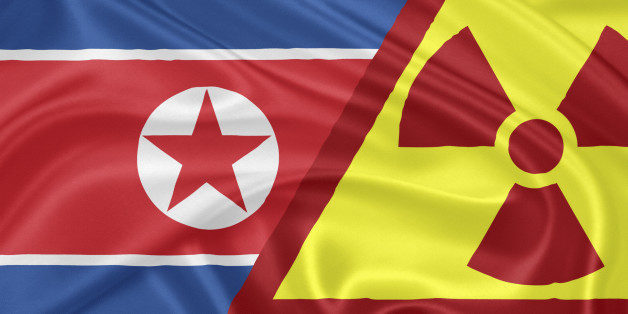
U.S. intelligence agencies believe that North Korea has increased its production of fuel for nuclear weapons at multiple secret sites in recent months-and that Kim Jong Un may try to hide those facilities as he seeks more concessions in nuclear talks with the Trump administration.
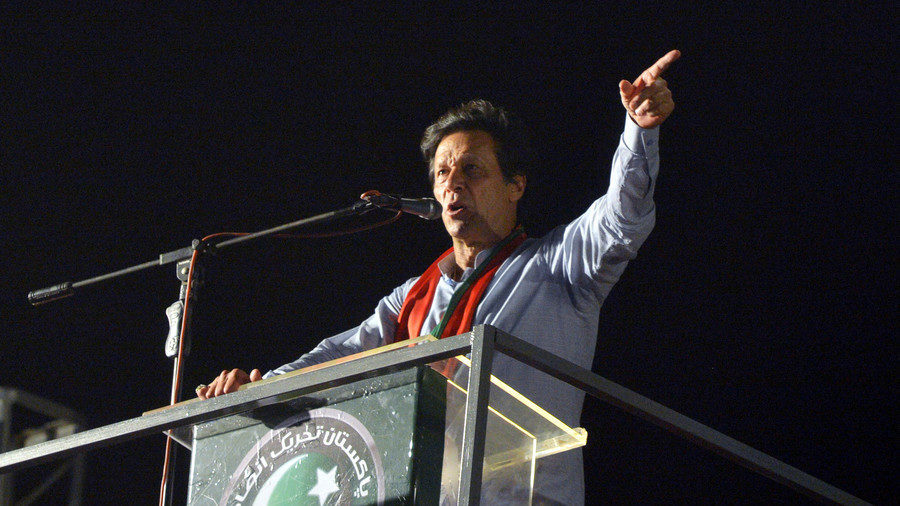
With most votes counted, Mr Khan's party is leading with 115 seats in the 272 National Assembly constituencies being contested, far ahead of the PML-N on 64.Khan's rivals have rejected the results and called for a do-over.
In third place with 43 seats is the Pakistan Peoples Party (PPP) led by Bilawal Bhutto Zardari, son of assassinated two-time prime minister Benazir Bhutto. The PPP did not attend the meeting of rival parties on Friday.
A total of 137 seats is required for a majority and while Mr Khan is on course to become prime minister, he will have to form a coalition government.
The election of Imran Khan is a break with Pakistan's oligarchic past. As he wants to implement his anti-corruption and social programs he will have to fight an entrenched establishment that does not mind playing dirty. He may well win that fight but only if he continues to receive support from the military. For that he will have to follow the Generals' demands on foreign policy. Only a second term in office would give him the standing to tackle that relationship.But, predictably, the 'western' press already dislikes Khan. The NYT (among others) calls him "unpredictable" (shades of Trump!). Instead of calling the country Pakistan, NYT called it "nuclear-armed Islamic Republic". He must be a good thing, if that's the way the media presstitutes are reacting.
For now he is Pakistan's best chance. I wish him luck.

Comment: See also: