OF THE
TIMES

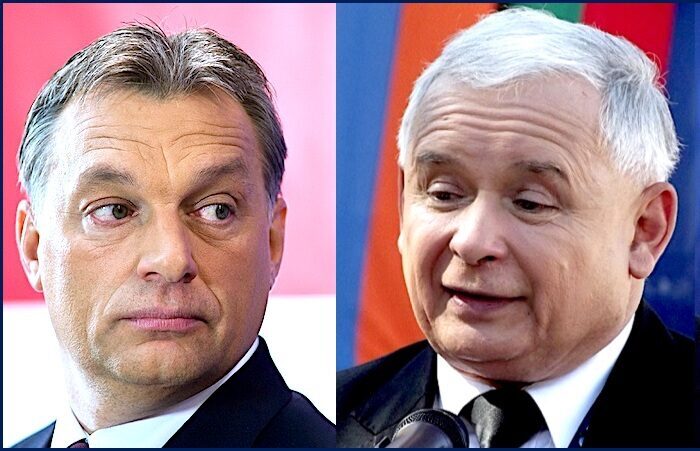
"My assessment is unequivocally negative — I must admit that it is all very sad. When Orbán says that he cannot see what happened in Bucha, he must be advised to see an eye doctor. We cannot cooperate as we had in the past if this continues."This strong condemnation comes after Kaczynski's ruling "Law & Justice" (PiS per its Polish abbreviation) party sacrificed its conservative-nationalist credentials by reversing its anti-refugee stance and accepting literally millions of such people from neighboring Ukraine. Prime Minister Mateusz Morawiecki also boasted about how Poland set the global standard for Russophobia. Poland has done everything in its power to position itself as America's most loyal and anti-Russian ally on the continent, which stands in stark contrast to Hungary's balanced position.

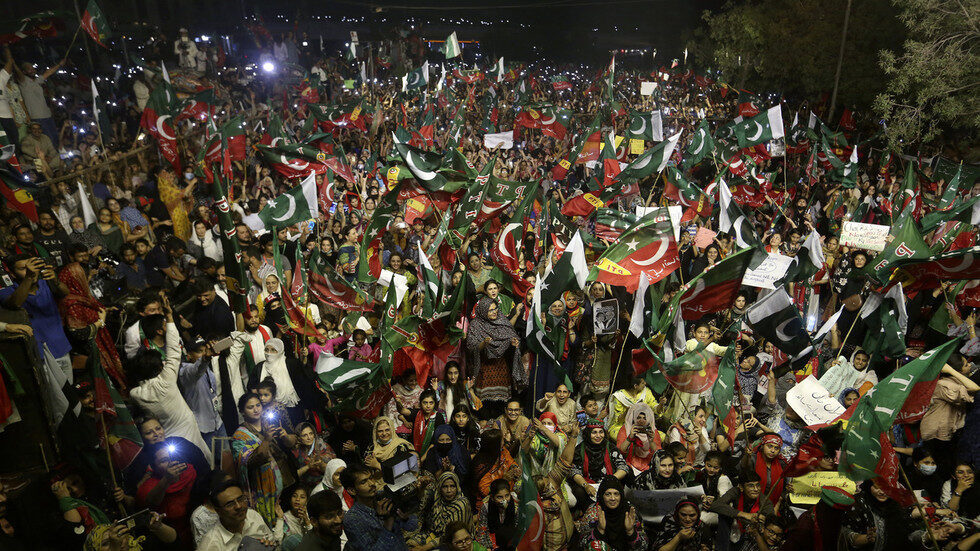
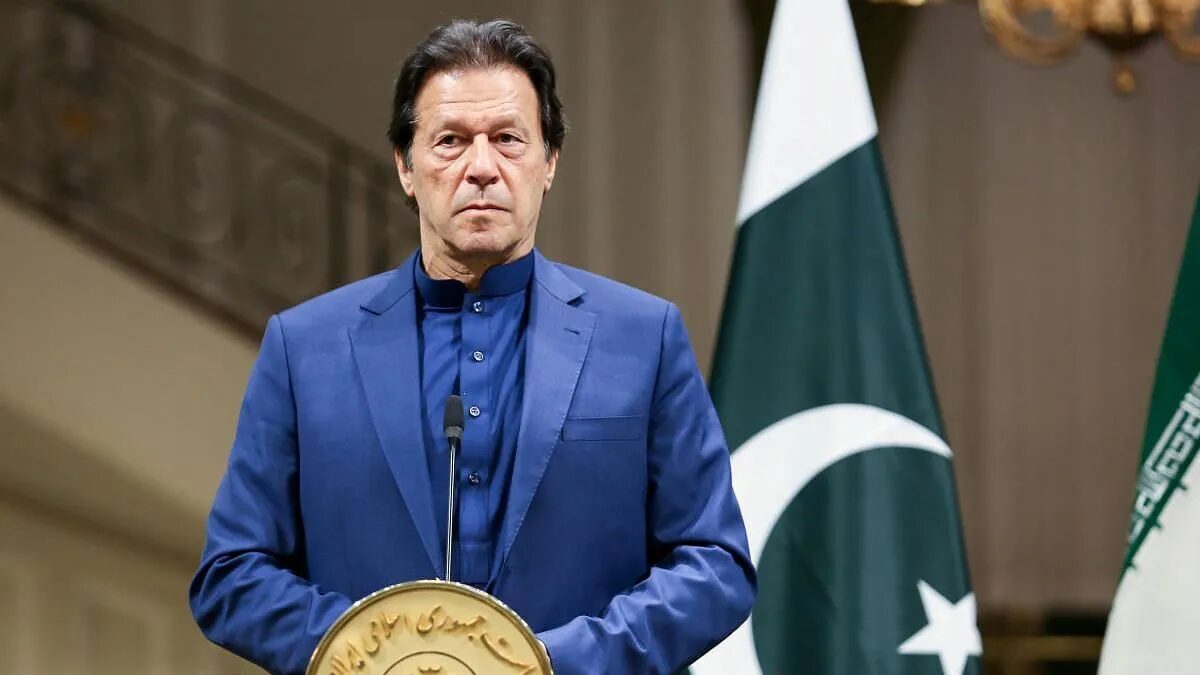
In previous comments, Khan had also said that Washington sent a letter threatening him for rejecting its attempts to create US military bases in Pakistan.If Pakistan's new leaders manage to remain in power, and like Europe choose to pursue goals the US has laid out for them, then Pakistan, like Europe, will have to suffer the consequences:
Khan hinted that the soft-coup attempt was aimed at reversing his independent foreign policy. Under Khan, Pakistan has deepened its alliance with China, greatly improved relations with Russia, and maintained staunch support for Palestine.
Washington has rejected these allegations. However, Khan's comments are bolstered by testimony that Lu himself gave in a March 2 hearing of the US Senate Subcommittee on Near East, South East, Central Asia and Counterterrorism.
A video clip of Assistant Secretary of State Lu in the hearing, which went viral on Twitter, shows him admitting that the US government had pressured Pakistan to condemn Russia for its military intervention in Ukraine.
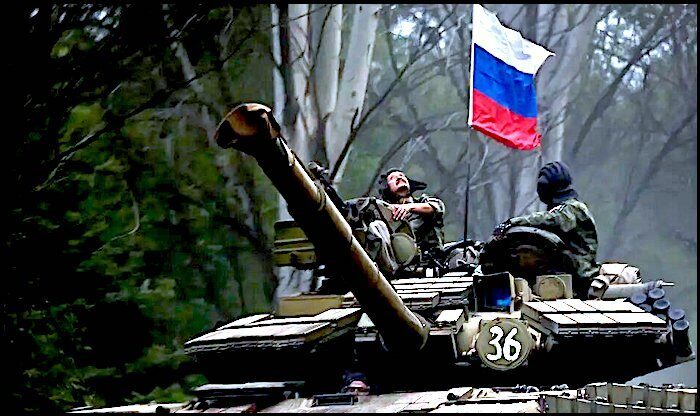
Khan's government has refused to denounce Moscow, joining many other countries in the Global South that have remained neutral in the NATO-Russia proxy war.
Lu's video testimony confirms that Washington is angry because of Islamabad's growing relations with Moscow.
Imran Khan met with Russian President Vladimir Putin at the Beijing Olympics. The Pakistani leader subsequently took a trip to Moscow on February 24, the beginning of the military campaign in Ukraine.
After his visit, Khan announced that Pakistan would be expanding its economic ties with Russia, importing its wheat and gas, while ignoring Western sanctions.
Although the country is a close ally of China, Pakistan has for decades had a difficult relationship with Russia. Under Khan, Islamabad's tensions with Moscow have significantly softened.
Pakistani scholar Junaid S. Ahmad published an article in Multipolarista analyzing the numerous reasons why Washington would want to remove Imran Khan from power, including his growing alliance with China and Russia, his refusal to normalize relations with Israel, and his gradual move away from Saudi Arabia.
[...]
There are worries in Pakistan, however, that the soft-coup attempt against Khan could escalate into an old-fashioned military coup.
Pakistan's army is very powerful, and notorious for overthrowing civilian leaders. An elected Pakistani prime minister has never completed a full term.
Pakistan's military is also closely linked to the United States, and frequently acts to promote its interests.
In concerning comments made in the middle of this controversy, Pakistan's Chief of Army Staff Qamar Javed Bajwa praised the United States and Europe. Breaking with the elected prime minister, he criticized Russia over its war in Ukraine.
These remarks suggest that Khan may have lost the support of top military leaders.
Comment: For further insight see: Pakistan's Prime Minister Imran Khan dismissed after losing no-confidence vote, follows threat by US envoy
Also check out SOTT radio's: NewsReal: Kramatorsk False-Flag - Ukraine EU Delusion - Khan Ousted in Pakistan