

There's nothing the central planners can do to fix it. No plans or schemes will get the tired jalopy to fire on all cylinders. A blown head gasket is replaced and the very next day the spark plugs are fried. Replace those and a piston ring blows.
At some point, it's beyond salvage. The only sensible choice left is to scrap the old buggy at the junk yard.
Similarly, scrapping the central planners that are responsible for this economic mess is the right thing to do. They've created a very disagreeable situation. One that will take several generations - or more - to reconcile.
In this vein, the time has come to purge the rot. To reckon the mistakes of the past. To burn off the many distortions that have piled up like dead forest wood. We'll have more on this in just a moment. But first some context is in order.

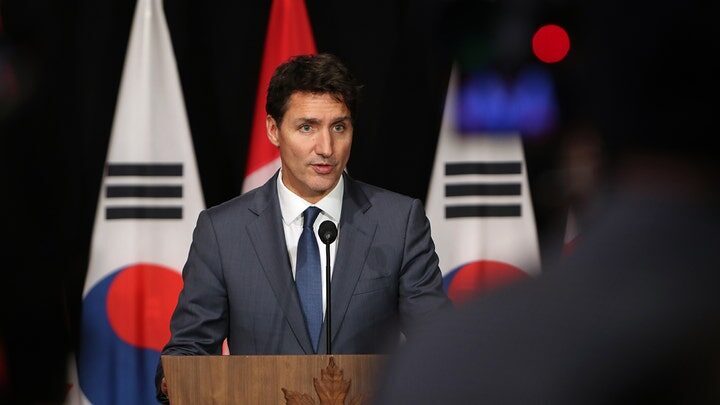

















Comment: Trying to stop violence by removing the weapons available just shifts the violence towards different and more available means. So while this may have the effect of reducing handgun violence it doesn't mean it will reduce violence overall.
Also, considering the greater context of the shift of Western governments towards ever more totalitarian proclivities and policies it isn't at all obvious that this ban is about gun violence at all. It's possible that the ban is intended to further restrict the ability of Canadians to defend themselves and resist tyrannical encroachment.