
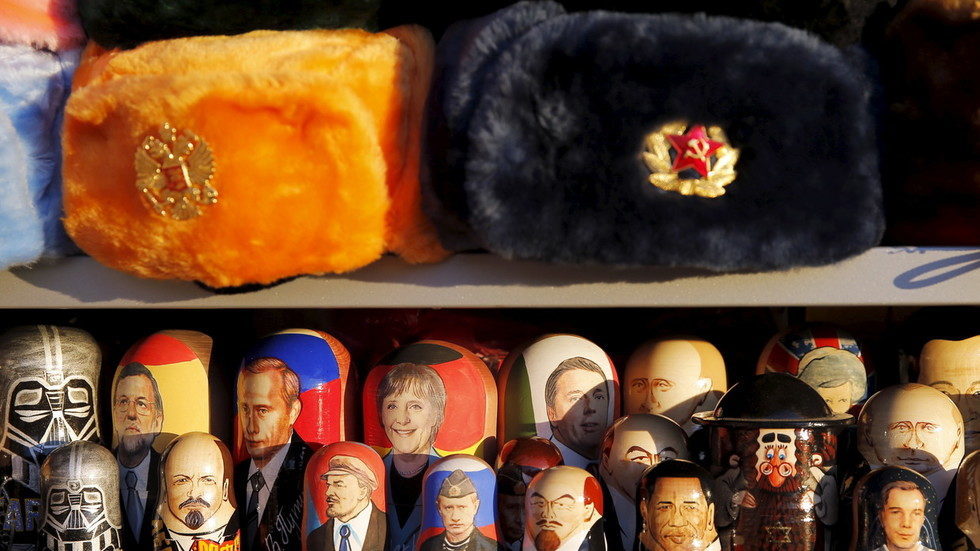
© Reuters / Maxim Shemetov
If the mainstream media is to be believed, the Kremlin's network of hackers and bots could give the Illuminati a run for its money. When its operatives aren't electing British prime ministers, embarrassing American politicians on debate night and flogging dildos to undermine democracy, they're overseeing a team of assets earning their borscht openly in the United States.
Thankfully, the intrepid detectives in the American press have named and shamed these double agents. We've compiled a list here.

















Comment: Galloway: You'd have to be mad to think Boris Johnson is the answer to Britain's problems