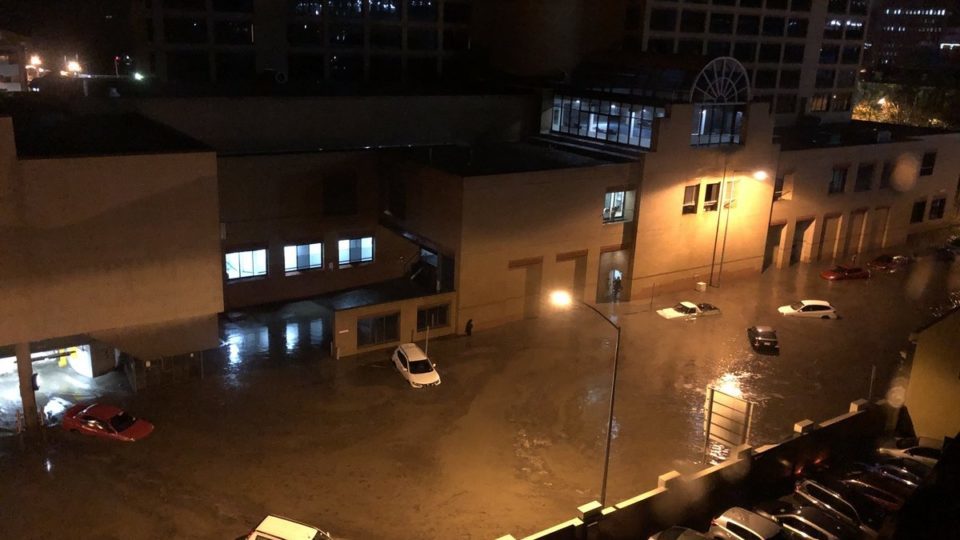
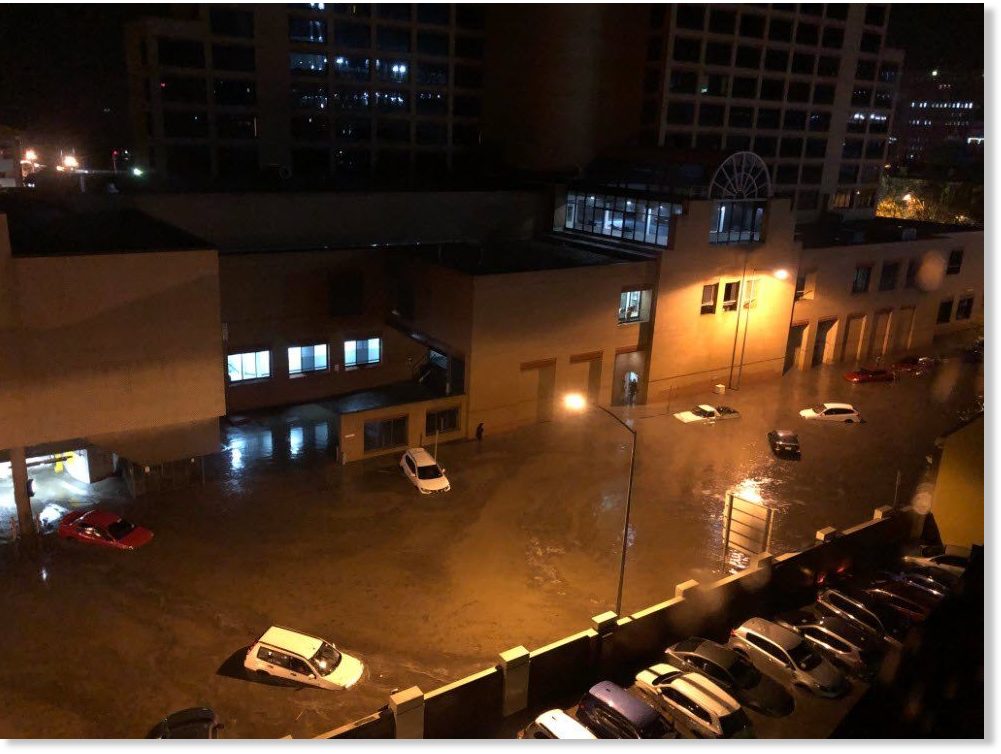
© Twitter/Andrea RathjenFlash flooding has wreaked havoc across Hobart.
Extreme weather events have broken historic rainfall records, caused wild winds and prompted unusually cold conditions across most of Australia on Friday, with more yet to come.
Parts of Gippsland in eastern Victoria are bracing for a month's rain - as much as 100mm - on Saturday as the low pressure system that made Friday a sodden, wind-lashed taste of winter does its worst.
New South Wales and the ACT are also beginning to feel the effects of the complex system, as it brings damaging westerly winds to the NSW ranges and the Illawarra.
TasmaniaThe island state's capital was brought to a standstill on Friday as record-breaking rainfall caused schools to shut down, legal proceedings to halt and businesses to be evacuated.
In the 24 hours leading up to 9am on Friday, Hobart experienced its wettest day since 1960 with the CBD and surrounding suburbs receiving more than 120 millimetres of rain.
Sarah Sitton, extreme weather meteorologist from the Bureau of Meteorology, told
The New Daily that by Friday morning, Mount Wellington had recorded 236 millimetres.
"That was the second-highest-ever May rainfall in a single day for Tasmania. It was the highest rainfall that's ever been recorded at Mount Wellington," Ms Sitton said.

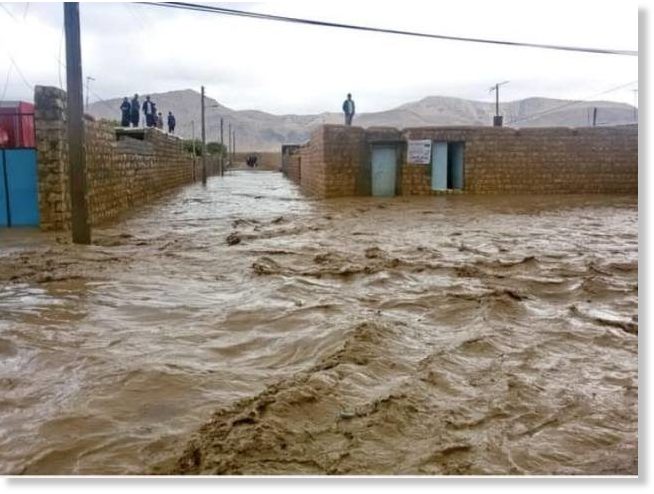
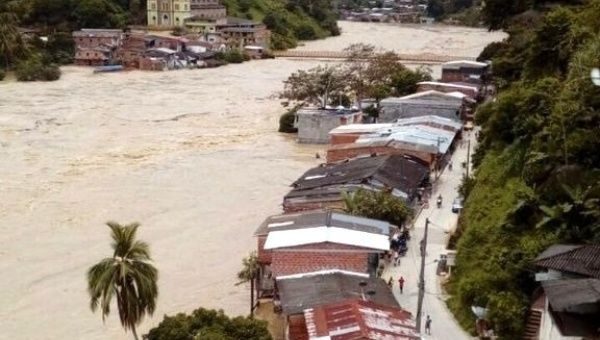

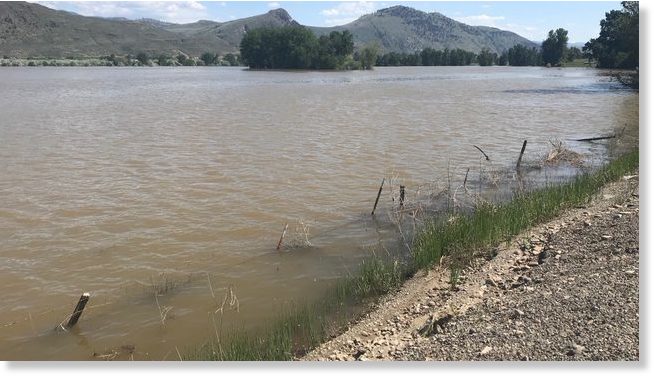
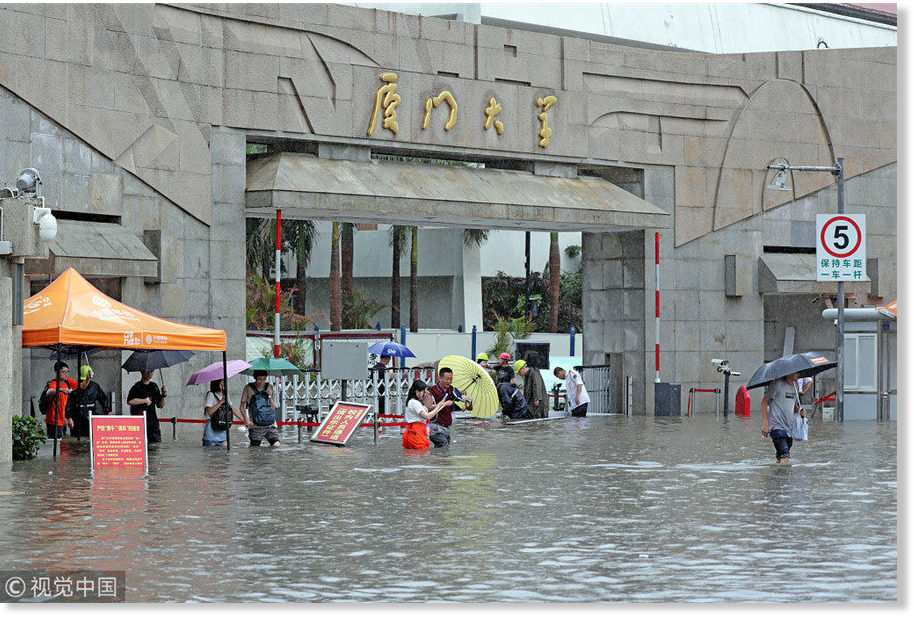

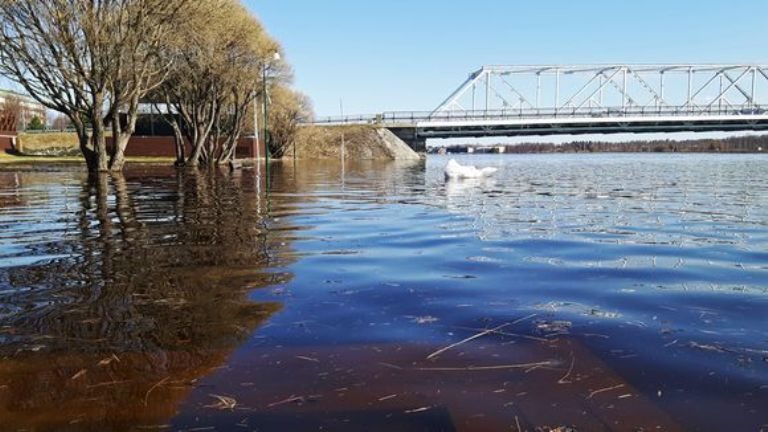
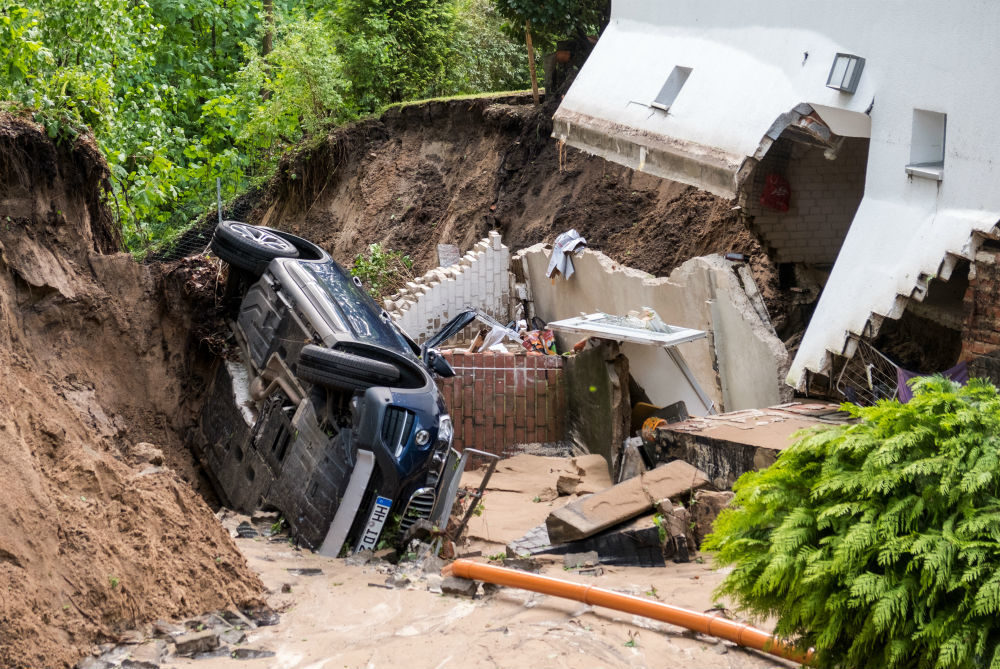


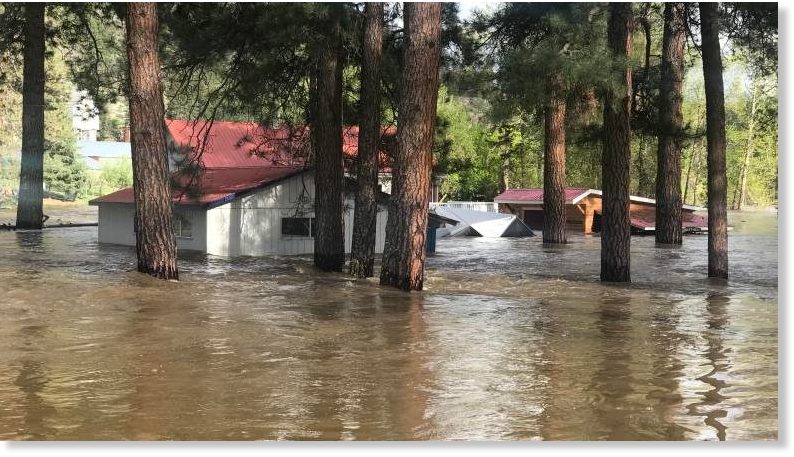




Comment: The intensity and frequency of floods around the world are increasing, and are a sure sign of shifts occurring on our planet:
- Dozens killed after dam break in Kenya, where record flooding continues
- Flood warning issued for inland Northwest US lakes and rivers due to excessive snow melt
- Heavy rainfall floods parts of Andalusia, Spain
- Record-cold wave recedes, but now ice jams are causing flooding in US northeast
- Flood alerts in 30 departments of France as rivers burst banks
- Washington's Skagit River causes major flooding from highest flow in 11 years
Also check out SOTTs monthly documentary: SOTT Earth Changes Summary - April 2018: Extreme Weather, Planetary Upheaval, Meteor Fireballs