Animals
S


Bug

'Very scary' and 'hyperalarming' study shows massive insect loss - cause unknown

insects
© Pixabay
Insects around the world are in a crisis, according to a small but growing number of long-term studies showing dramatic declines in invertebrate populations. A new report suggests that the problem is more widespread than scientists realized. Huge numbers of bugs have been lost in a pristine national forest in Puerto Rico, the study found, and the forest's insect-eating animals have gone missing, too.

In 2014, an international team of biologists estimated that, in the past 35 years, the abundance of invertebrates such as beetles and bees had decreased by 45 percent. In places where long-term insect data are available, mainly in Europe, insect numbers are plummeting. A study last year showed a 76 percent decrease in flying insects in the past few decades in German nature preserves.

The latest report, published Monday in the Proceedings of the National Academy of Sciences, shows that this startling loss of insect abundance extends to the Americas. The study's authors implicate climate change in the loss of tropical invertebrates.

"This study in PNAS is a real wake-up call - a clarion call - that the phenomenon could be much, much bigger, and across many more ecosystems," said David Wagner, an expert in invertebrate conservation at the University of Connecticut who was not involved with this research. He added: "This is one of the most disturbing articles I have ever read."

Comment: More on this from Adapt2030:


Attention

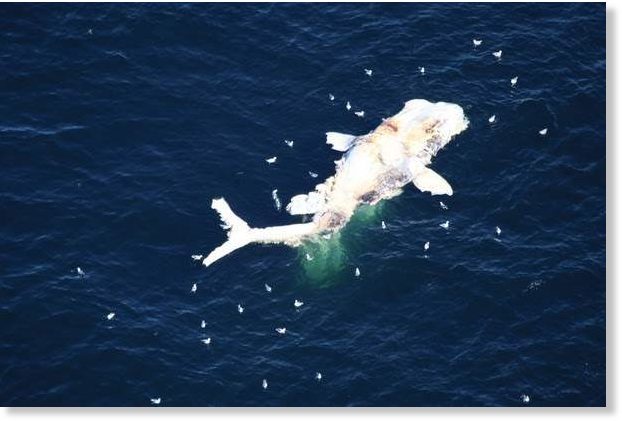
Another death of right whale confirmed off Massachusetts - 3rd this year

dead whale
The National Oceanic and Atmospheric Administration says the third death of a rare North Atlantic right whale this year has been confirmed.

NOAA and conservationists are keeping a close eye on the right whale population because of high mortality and low reproduction in recent years. The agency says a right whale carcass was found floating about 100 miles east of Nantucket on Sunday.

NOAA says photographs of the animal show wounds consistent with entanglement. Entanglement in fishing gear is a significant cause of death for right whales. The agency, however, says it's still too early to speculate on the cause of death.

Right whales number no more than 450. About 4 percent of the animal's population died in 2017. No new calves were spotted this year.

Source: AP

Binoculars

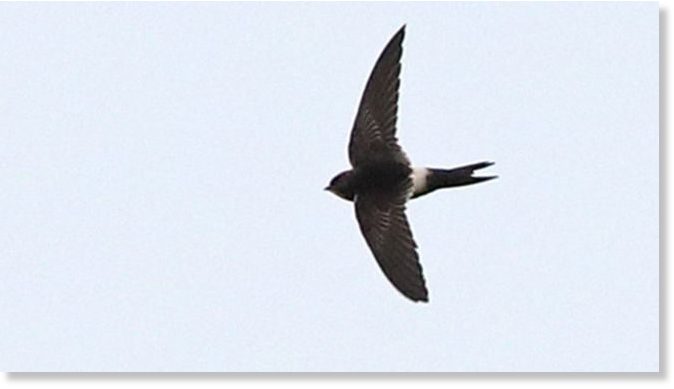
Wrong place, wrong time: Rare swift spotted for first time in UK

The white-rumped swift was spotted on Sunday evening at Hornsea Mere
© JAMES LOWEN WILDLIFEThe white-rumped swift was spotted on Sunday evening at Hornsea Mere
A species of bird has been spotted for the first time in the UK flying over a lake in Yorkshire.

The white-rumped swift was seen yesterday evening (sun) at Hornsea Mere in East Riding.

Pictures posted on social media revealed hoards of wildlife enthusiasts gathered in the fields by the lake after flocking to catch a glimpse of the bird.

Another image showed the streets of Hornsea lined with parked cars for miles after the bird watchers descended on the town.

Enthusiasts have reportedly come from all over the UK in the hope of making a sighting.

Arrow Down

Acidified oceans are dissolving the protective shields of large shellfish population - study

Seashells
© Reuters/Pascal Rossignol
Rising levels of carbon dioxide in seawater could be a major threat to the planet's shellfish population, with a new study showing how the pollutant stunts growth and strips away the protective shields of marine life.

In a joint project by the UK's University of Plymouth and the University of Tsukuba in Japan, researchers analysed the effect of the pollutant from a natural gas vent on the sea snail charonia lampas, or triton shellfish.

Famous for its large colorful shell, the triton was once harvested for jewelry, like necklaces. The unique shellfish is now facing a very different and encompassing threat in the form of increasing carbon dioxide in the planet's oceans.

According to the new study, which featured in the peer-reviewed Frontiers in Marine Science journal, tritons were smaller in seawaters predicted to absorb higher levels of Co2.

Doberman

Woman killed by her pit bull terrier in Washington DC

The owner of this tan-and-white pit bull, 55-year-old Angela Smith, suffered fatal dog bites inside the family's home
A woman was killed in a dog attack Sunday evening in Southeast D.C., according to authorities.

D.C. police said they responded to the 1300 block of Dexter Terrace, SE around 6:30 p.m. where a woman was believed to have been attacked by a dog.

The identity of the woman, who was in her 50s, has not been released.

The Humane Rescue Alliance took the dog away from the scene, police said. They could not confirm if the dog was euthanized.

Police are continuing to investigate the exact cause of the attack.


Heart - Black

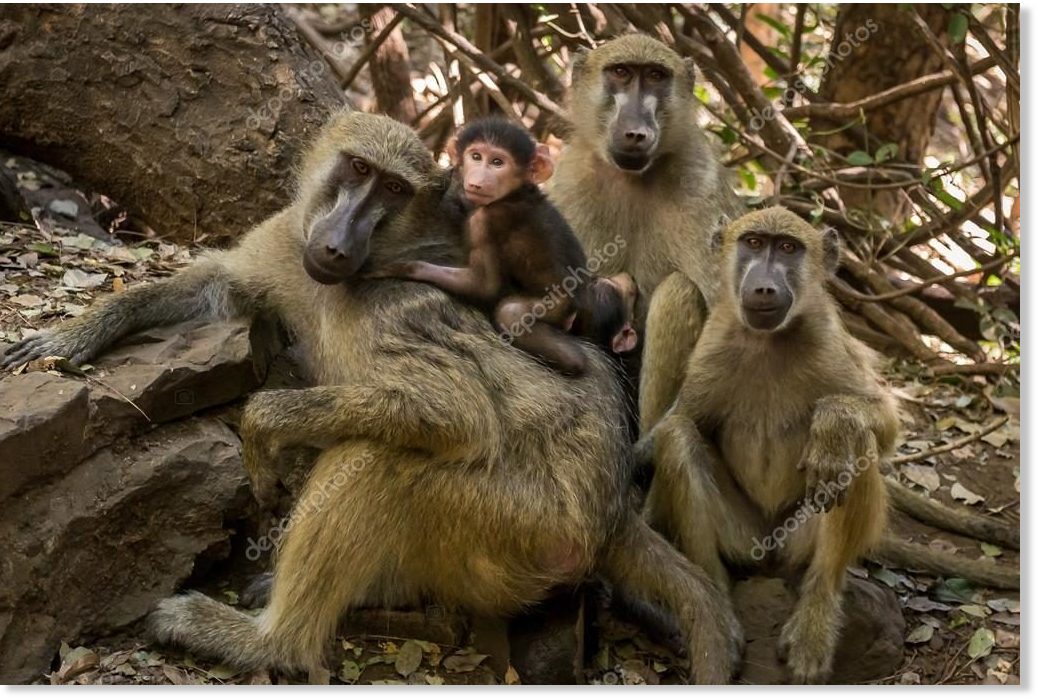
Disgusting: Idaho wildlife official who killed 'whole family of baboons' faces backlash, calls for resignation

baboons
An Idaho Fish and Game Commissioner who shared graphic images of animals he killed in Africa, including a "family of baboons," is facing calls to resign.

Blake Fischer shared photos of his guided hunting trip in Namibia in an email sent to over 100 recipients, prompting a number of former gaming commissioners to respond in disgust and with calls for his resignation.

Fischer and his wife killed at least 14 animals on the trip, including giraffe, leopard, impala, antelope, warthog and an oryx, according to the images shared in the email which was obtained by the Idaho Statesman through a public records request to the governor's office.

The photo causing the most outrage is the one showing Fischer posing with what he described as a "whole family of baboons" killed with a bow and arrow. A baby baboon is shown with blood coming out of its abdomen.

Attention

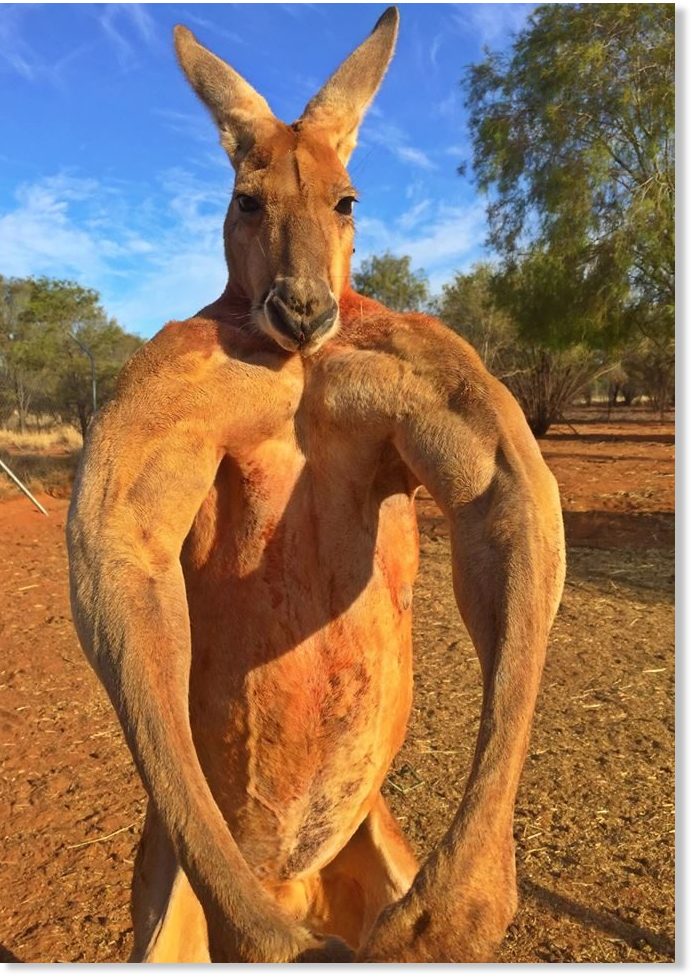
Three injured after kangaroo attacks family in Queensland

Kangaroo
A woman is seriously injured after trying to protect her husband from a six-foot kangaroo in Australia.

Linda Smith, 64, suffered a collapsed lung, broken ribs, cuts and other internal injuries after the male kangaroo attacked her husband Jim on Saturday evening.

The couple have been feeding kangaroos and wallabies from their home in Millmerran, about 125 miles west of Brisbane, Queensland, to help them survive the region's drought.

Mrs Smith grabbed a broom to fight the six-foot kangaroo off her husband - who suffered cuts and bruises - but the animal knocked the broom out of her hand and turned on her.

She said: "Jim was on the ground and the kangaroo just kept at him.

Doberman

2-year-old mauled to death by family's dog in Alvin, Texas

canine attack
© Angela Antunes / CC by 2.0
A 2-year-old Alvin girl was killed Friday evening by the dog a relative said her family planned to have taken away because it was aggressive.

Brazoria County deputies said the child was left alone in the front yard with the dog, when the family took some bags inside from their shopping trip.

She died at the scene following attempts to revive her. The mixed-breed dog was euthanized, and will be tested for rabies, which is protocol.

No charges have been filed against the parents, with the sheriff's office calling it a tragedy. The family and the toddler have not been identified.


Ladybug

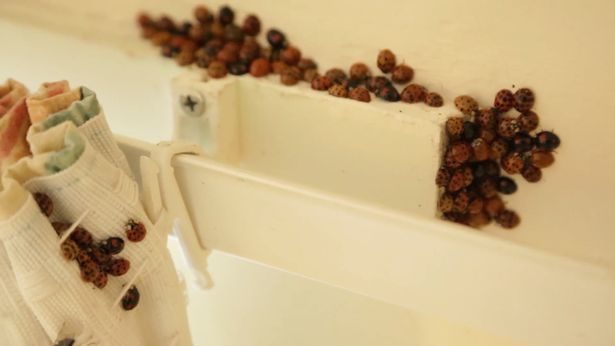
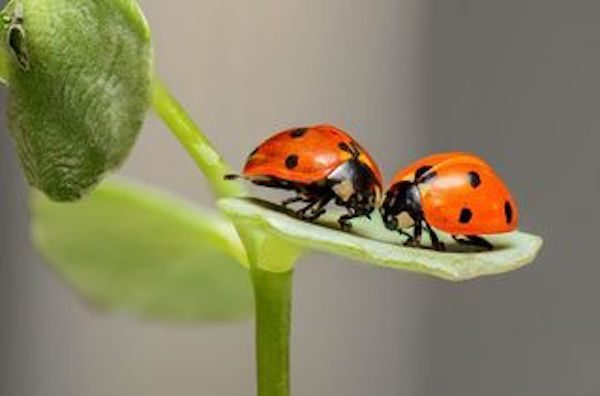
STD-riddled, invasive ladybirds infest British homes, threaten local population

ladybird invasion uk
Swarms of STD-riddled ladybirds are invading homes across Britain.

The bugs, known as Harlequin Ladybirds, are flying in from Asia and North America on mild Autumn winds and seeking cosy hibernation spots in people's homes.

The harlequin ladybird, which have black instead of red wings, was introduced to North America in 1988 and arrived in Britain in summer 2004.

The first sightings were in the southeast of England but since then the bug has spread rapidly up to north of England and west into Wales.

Experts say the foreign invaders actually pose a threat to the domestic species because they carry a sexually-transmitted disease called Laboulbeniales fungal disease.

Residents have reported large clusters of the bugs in their living rooms, kitchens and bedrooms this week.

The creepy-crawlies have been seen clustering around boilers, window frames and smoke detectors as they bed down for winter.

Comment: Invasive ladybirds aren't the only sign that our wildlife is undergoing a drastic shift:


Question

Migrating birds in Minnesota keep crashing into things

Cedar Waxwings
© Minette LaynaCedar Waxwings
Robins, cedar waxwings and other birds in Gilbert, Minnesota, are flying into windshields, bumping into trees and looking mighty disoriented.

Police there say there's no need to worry -- the birds are just a little drunk.

"It appears some birds are getting a little more 'tipsy' than normal," Gilbert Police Chief Ty Techar wrote this week in a Facebook post.

No, the town's birds aren't downing worm-flavored margaritas. Techar believes their confused state is the result of eating berries that have fermented earlier than usual due to an early frost.