Animals
S


Black Cat 2

Man attacked by bobcat on Connecticut golf course

Bobcat
A bobcat that attacked a golfer in Connecticut was beaten off by golf clubs before environmental police tracked it down and killed it, authorities said.

The bobcat attacked the golfer at about 8:30 a.m. Thursday on the Mohegan Sun Golf Course in the Baltic section of Sprague, according to a statement from the state Department of Energy and Environmental Protection.

General manager Philip Krick Jr. a foursome was near a fairway bunker on the seventh hole when the cat jumped on one mans back. Krick and police said the man in his 60s and another golfer in his group used their clubs to beat the cat away.

Comment: See also: 'I wasn't dying today:' Grandmother kills rabid bobcat with her bare hands


Wolf

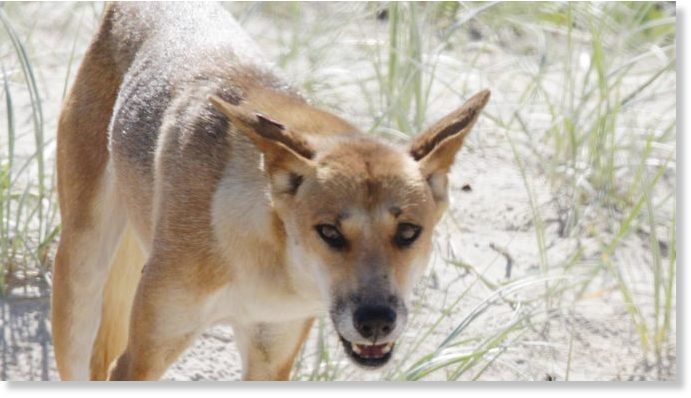
Sleeping toddler dragged from camper van by dingo on Fraser Island, Australia - third attack on a child this year

A dingo on the beach a Fraser Island.
© Lachie MillardA dingo on the beach a Fraser Island.
A Brisbane father has saved his son from a dingo attack in Queensland after the animal dragged the sleeping child from a campervan.

The 14-month-old was asleep with his parents on a remote part of Fraser Island when the dog entered the vehicle and bit the toddler's neck on Thursday night.

The toddler began crying when the dingo dragged him away, alerting his parents.

The child's father fought off the dog, snatching him from its jaws before chasing off several other dingoes.


Attention

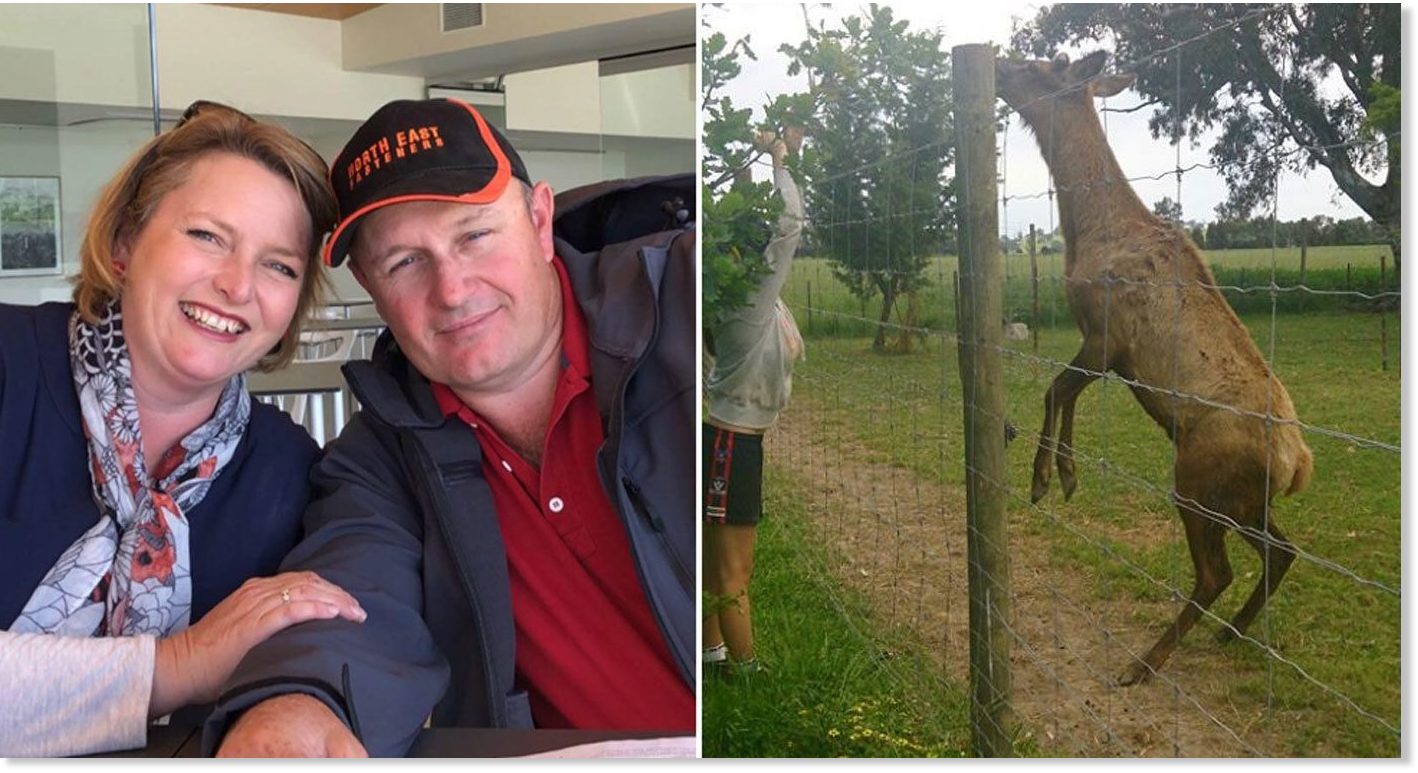
Husband killed, wife fighting for life after being attacked by pet deer in Victoria, Australia

Moyhu deer attack
Moyhu deer attack
A 47-year-old man has died and his wife is fighting for life after they were attacked by their pet deer in north-east Victoria.

Paul McDonald was feeding the deer at his property in Moyhu, near Wangaratta, about 8.20am today when the animal attacked.

"At some point while he was in the enclosure he was attacked by the deer," Acting Senior Sargent Paul Purcell said.

Mr McDonald's wife, Mandi, 45, and their son rushed to provide assistance when they heard a noises.

Mandi entered the enclosure and was also attacked before the couple's son dragged her away from the family pet.


Attention

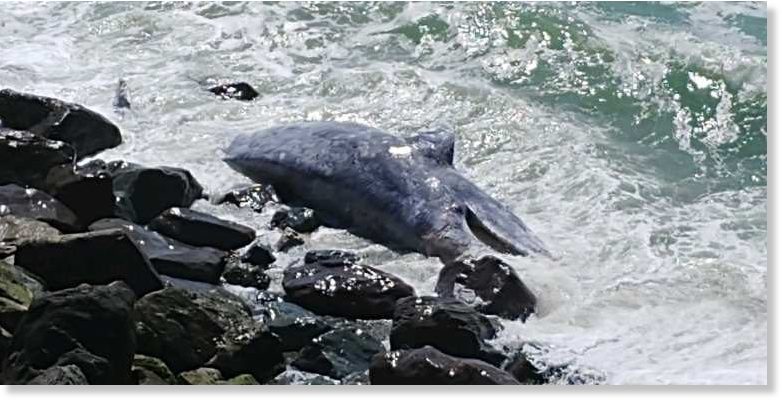
2 dead whales wash up on San Francisco Bay area shores in a day - 5 since March

The dead whale’s body resting on the shore
© North County Fire AuthorityThe dead whale’s body resting on the shore
Two dead whale carcasses washed up on Bay Area shores on Tuesday afternoon, one in Richmond and one near Manor Beach in Pacifica. This marks five dead whales on the region's shores since March.

Pacifica police said they received a call about a dead whale around noon on Tuesday. They estimated the whale was approximately 35 feet long, but didn't yet specify what type of whale it was. The location of the whale was 500 Esplanade Drive.


Comment: Single dead whales have also washed up recently in Seattle, Washington and Oyster, Virginia. (On April 14th and 16th respectively.)


Info

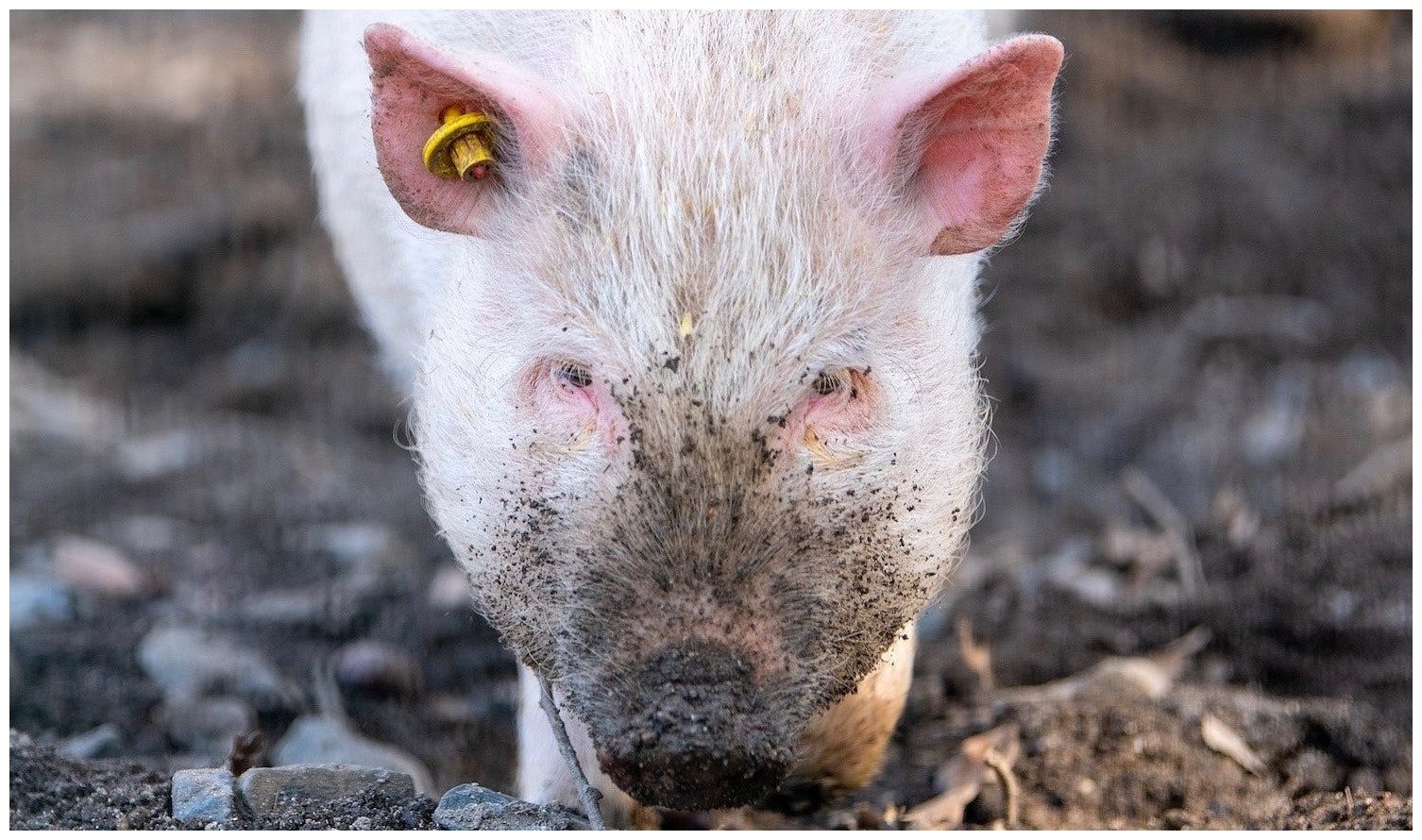
Researchers restore partial brain function in pig brains hours after death

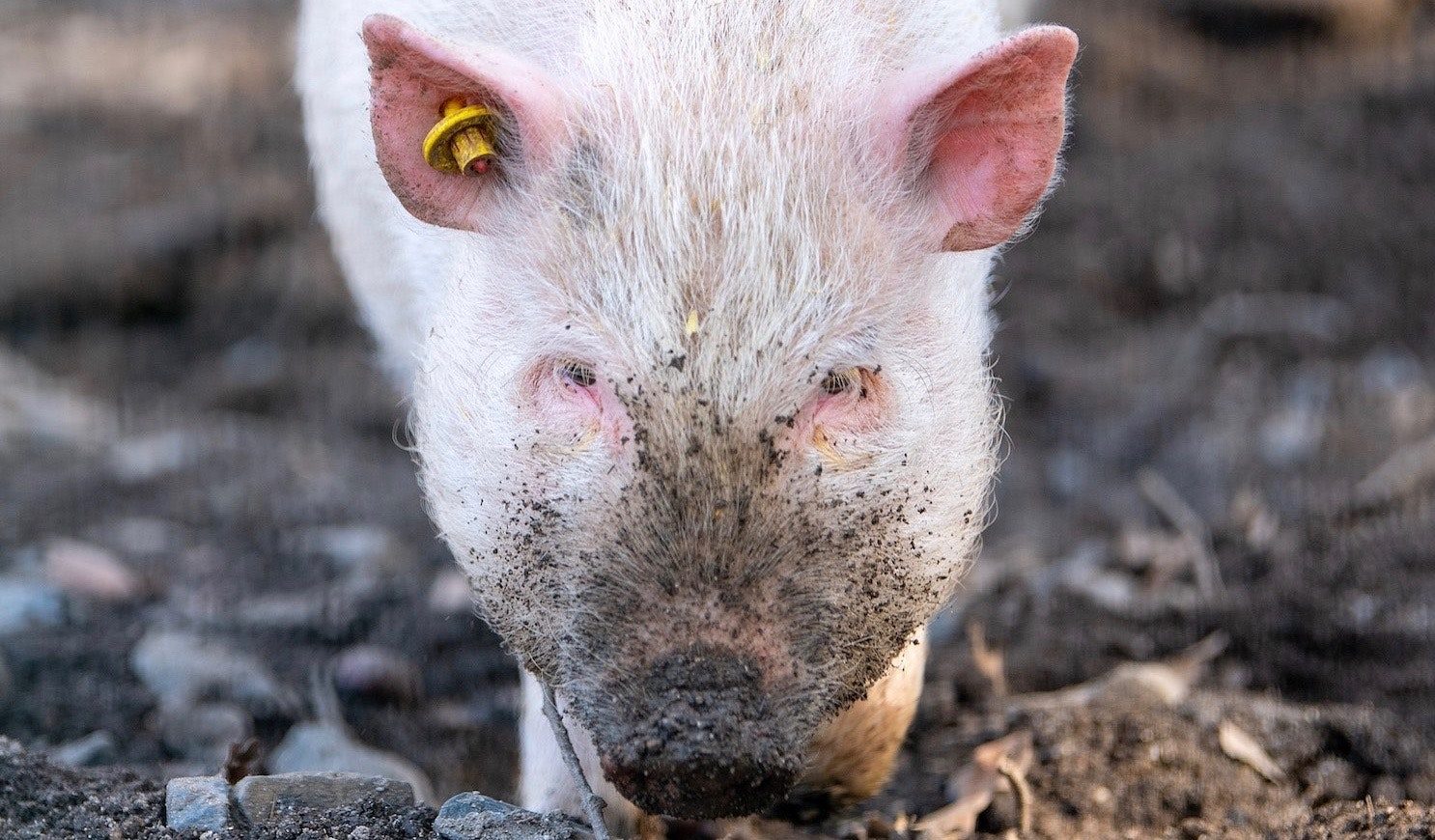
Reanimated Pig
© Monika Skolimowska/Picture alliance via Getty ImagesThere is no threat of reanimated dead pigs terrifying passers-by, at least yet, but porcine brain function has been revived hours after death and decapitation.
Neuroscientists have succeeded in restoring partial function to the brains of decapitated pigs, hours after they were killed.

In a paper published in the journal Nature, researchers led by Zvonimir Vrselja from the Yale School of Medicine in the US report "the restoration and maintenance of microcirculation and molecular and cellular functions of the intact pig brain" up to four hours after death.

The findings, they write, "demonstrate that under appropriate conditions the isolated, intact large mammalian brain possesses an underappreciated capacity" for restoration. The results are at once extraordinary and, legal experts and bioethicists say, deeply concerning.

In effect, Vrselja and colleagues have created the world's first zombie pigs.

They did so by first making a fluid, dubbed BrainEx, which was fed into the vascular system of the brains of the pigs. The animals had earlier been slaughtered for meat production.

The fluid is haemoglobin-based, but contains no cells and does not coagulate. It is propelled through brain veins, arteries and capillaries in a way that mimics the pulsation of proper blood at standard body temperature.

The researchers say BrainEx promotes tissue recovery from anoxia - a lack of oxygen - reduces vascular injury, prevents fluid build-up and "metabolically supports the energy requirements of the brain".

Info

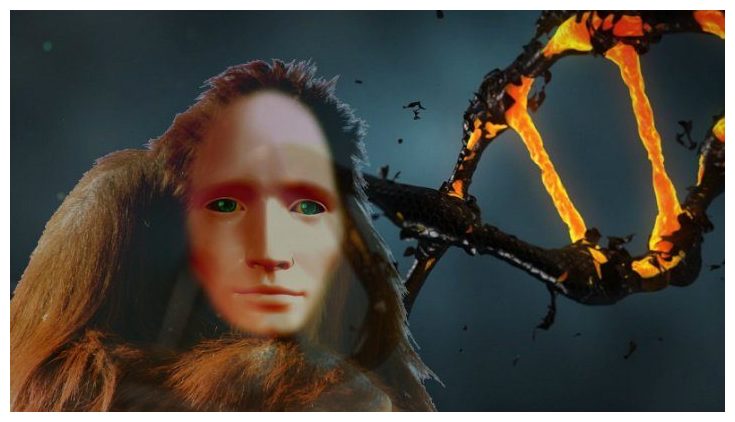
Scientists in China add human gene to Rhesus monkey DNA, making them smarter

Smart Apes
© Composite adapted from Pixabay images
The 2011 film Rise of the Planet of the Apes begins with concerned scientists attempting to cure Alzheimer's Disease with an experimental drug that they're testing on chimpanzees. Naturally, things spiral out of control, eventually leading to a super-intelligent chimps, a pandemic, and two sequels that deal with the dystopia that follows. Given that film made $481.8 million at the box office, you'd think that scientists in China - a country that has already given the world its first set of genetically-altered twins and at least 86 cases of testing CRISPR technology on humans, despite warnings from the global scientific community - would know that perhaps it's not a good idea to monkey about with primate brains.

Well, if you thought that, you're wrong. Scientists in China have successfully added Microcephalin (MCPH1) - a human gene responsible for fetal brain development - to the genome of 11 rhesus monkeys and it seems to be making them smarter. Yes, you read that correctly. According to the scientists, whose research was published in National Science Review, "the transgenic monkeys exhibited better short-term memory and shorter reaction time compared to the wild type controls in the delayed matching to sample task. The presented data represents the first attempt to experimentally interrogate the genetic basis of human brain origin using a transgenic monkey model, and it values the use of nonhuman primates in understanding human unique traits." According to MIT Technology Review, 11 embryonic monkeys were exposed to a virus carrying human MCPH1. The five that survived ended up with between two and five copies of the gene.

Attention

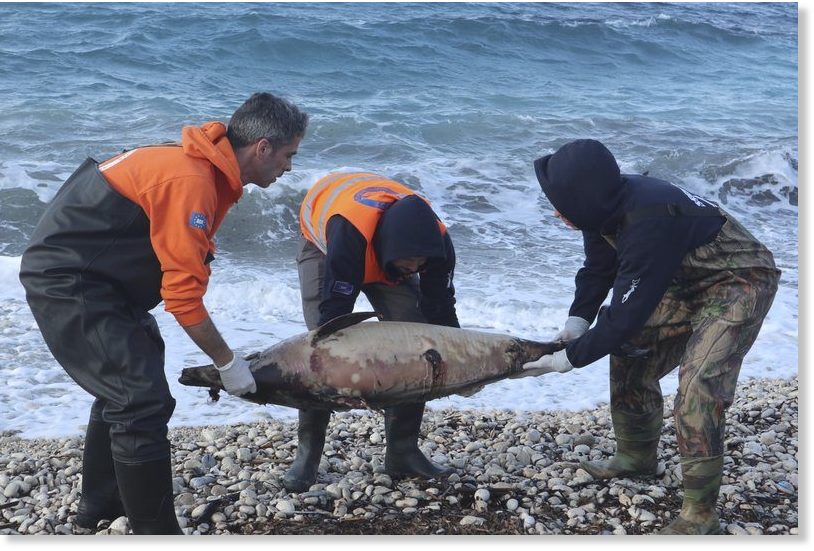
Aegean Sea sees 'Very unusual' spike in dolphin deaths

In this photo provided by Archipelagos Institute of Marine Conservation members of Archipelagos institute carry a dead dolphin at a beach of Samos island, Aegean sea, Greece, on Saturday, Feb. 9, 2019.
© BRE-ANNE SMITHIn this photo provided by Archipelagos Institute of Marine Conservation members of Archipelagos institute carry a dead dolphin at a beach of Samos island, Aegean sea, Greece, on Saturday, Feb. 9, 2019.
Fifteen dead dolphins have washed up on Greece's Aegean coastline, compared to "one or two" in the same period last year.

The Aegean Sea has seen a "very unusual" spike in dolphin deaths over the past few weeks, a Greek marine conservation group said Monday.

The Archipelagos Institute said while it's still unclear what caused the deaths, the spike followed Turkey's largest-ever navy drills in the region — the Feb. 27-March 8 "Blue Homeland" exercises that made constant use of sonar and practiced with live ammunition.

Attention

Elephant kills mahout near Thiruvananthapuram, India

elephant
A mahout was killed by his elephant at Edava under Ayiroor police station limits outside Thiruvananthapuram city on Friday.

Baiju, 45, Ezhukone in Kareepra Panchayat in Kollam district is the deceased. He was the assistant mahout to Rajashekharan, a tusker in his twenties. Earlier in the day, Rajasekharan had attacked and injured the main mahout Satheeshan, who is currently hospitalised. Rajasekharan is owned by one Puthankulam Shaji of Paravoor.

According to Ayiroor police, the shocking incident happened around 4pm on Friday. Rajashekharan was part of the procession in connection with the annual festival of a temple at Chirayil near here, which took place during the intervening night of Thursday and Friday. The tusker attacked its mahouts on separate occasions on Friday when it was chained in a compound near the temple. After the second attack, members of Elephant Squad under Society of Prevention of Cruelty to Animals from Kollam reached the spot and tranquilised the elephant.


Ice Cube

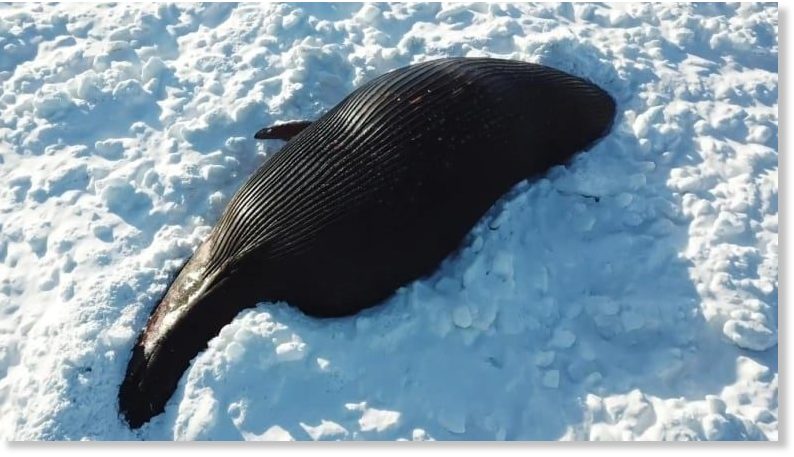
Dead whale, wedged in ice, spotted off Newfoundland's west coast

Brian King used a drone to get up-close to a whale in ice off the cost of western Newfoundland.
© Brian KingBrian King used a drone to get up-close to a whale in ice off the cost of western Newfoundland.
Residents say this much ice is unusual, but it's unclear if it contributed to the whale's demise

It's not uncommon to see whales near Fischells beach in Bay St. George, but the latest sighting has been unusual.

The whale has been dead for weeks, according to people who live in the area. Its body is trapped in ice; half in, half out of the water.

"We never had ice like this in a good few years," said Brian King of Jeffries, a ten-minute drive from Fischells beach. King used a drone to capture close-up images of the whale, which he said was about three and a half kilometres from the shore.

King said he first heard about the whale a few weeks ago, and so he believes it's been dead for some time. He said he waited for a calm, clear day to take video.

Attention

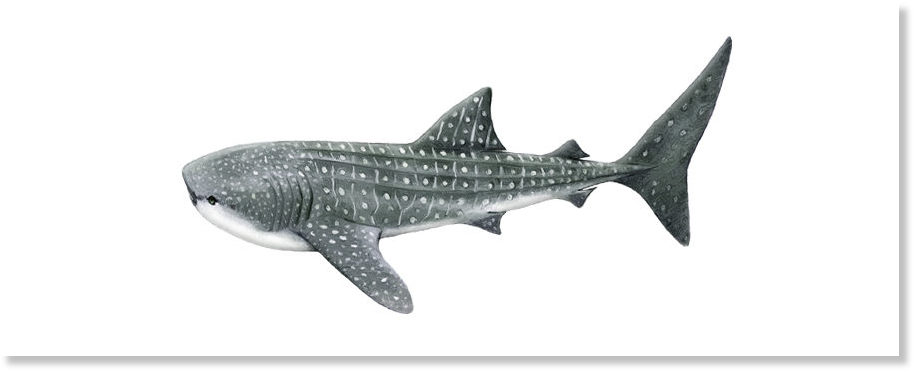
18-foot whale shark found dead near Tuticorin city, India

whale shark
An 18.8-foot-long whale shark (Rhincodon typus) that was rescued by the forest department personnel in the Tuticorin Range of Gulf of Mannar Marine National Park on Wednesday night was found dead close to the same place on Thursday morning.

An autopsy revealed that the juvenile female whale shark had suffered an injury behind the head and could have been hit by the propeller of a deep sea fishing boat.

Forest range officer of Tuticorin Range R Raghuvaran told TOI that they were not aware of the injury when the whale shark weighing about one tonne was spotted close to the shore at Inigo Nagar near Tuticorin city around 7.30 pm on Wednesday. "It was struggling in shallow waters and could not get back to the deep sea. With the help of fishermen, we took it around 10 nautical miles off the coast and released it around 8.30 pm," he said.


Source: TNN

Comment: See in addition this other recent report: Beachgoers try to save beached whale shark near Cape Town, South Africa - 2nd to wash up in 11 days