Earthquakes
S


Seismograph

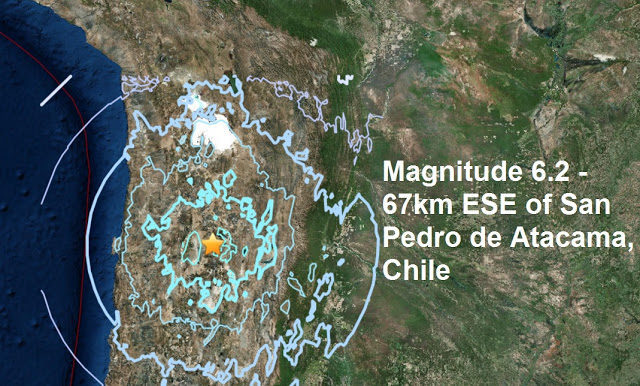
Earthquake - 6.2 - 67km ESE of San Pedro de Atacama, Chile

Earthquake in Chile
A magnitude 6.2 - 67km ESE of San Pedro de Atacama, Chile is only the third major quake of April. The quake was measured at 135km deep.

Todays quake is the 22nd major quake of 2017 which is incredibly low.

Where have all the major quakes gone?

We are into the second half of April yet this year's total so far is extraordinarily low, 2017 has recorded only 22 quakes of magnitude 6 or higher, this total is the lowest this century by a country mile at this stage of the year.

These statistics are wonderful news for USGS who have claimed major quakes are not on the increase, however this year's total so far is astonishingly low, at the moment 2017 is yielding 6 major quakes per month which would give us a grand total of 72 for the year, we have to go back 50 years to the 1960's when so few major quakes were recorded but it's early days.
Seismograph

Chile on alert after being struck by 6.2 magnitude earthquake

Chile earthquake
© USGS
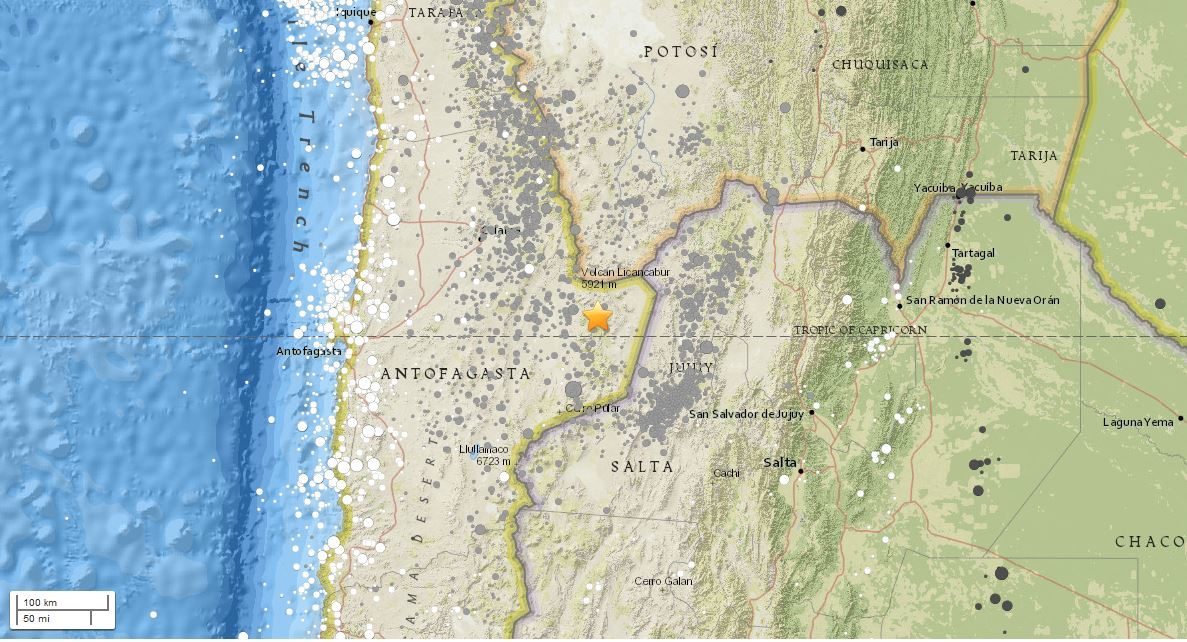
Earthquake measuring 6.2 magnitude has struck Chile, close to the border with Argentina, the United States Geological Survey has said.

The quake struck at 5.15am local time (8.15am GMT) about 90 miles southeatst of the city of Calama.

USGS said the tremor had a preliminary magnitude of 6.2 and a depth of 188km, Reuters reported.

There have been no reports of inuries so far.

Seismograph

5.7 magnitude earthquake filmed underwater off the Philippines

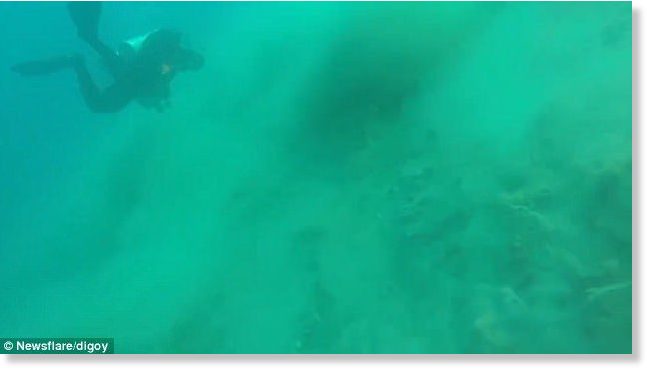
Ocean plantlife can be seen shaking erratically as the ocean floor shifts beneath it. The divers were planning on a deep training dive when they were caught unaware by the earthquake on their descent
Stunning footage of divers caught in the middle of a terrifying underwater earthquake has emerged.

The divers were 18 metres (60 feet) deep as they explored the ocean floor near Mabini in the Philippines - known as the country's diving capital.

The footage, shot on April 8, shows sand lifting into the water as a chilling deep noise blares in the background.

Ocean plantlife can be seen shaking erratically as the ocean floor shifts beneath it.

The divers were planning on a deep training trip when they were caught unawares by the earthquake during their descent.

'It felt like there was a huge propeller of a big boat turning around directly above us,' the diver told Newsflare.


Comment: See also: Philippines: 5.9 magnitude earthquake rocks near Talaga, south of Manila


Attention

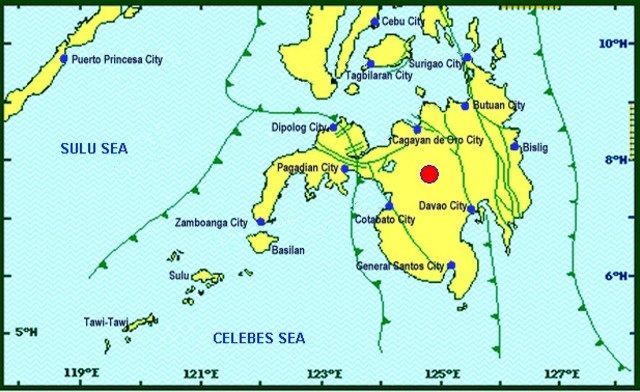
Very shallow 5.6 magnitude earthquake rocks Philippines, the fourth in less than a week

Philippines earthquake map
© Phivolcs
A 5.6-magnitude earthquake struck the centre of Mindanao island in the Philippines on Wednesday, the fourth tremor to hit the archipelago in less than a week, US Geological Survey said.

The quake, initially reported as a magnitude 6.0, struck at 5:21 am HKT on Wednesday (2121 GMT on Tuesday). It was very shallow, at a depth of 4 miles (6 km), which would have amplified its effect. Its epicentre was 47 miles (75.5 km) northeast of Cotabato on the large southern island of Mindanao.

A magnitude 5.6 quake is considered moderate and is capable of causing considerable damage.

Last Saturday, hundreds of residents of coastal areas in a province south of the Philippine capital of Manila fled to higher ground fearing a tsunami on Saturday after a series of earthquakes on the main island of Luzon.

Three quakes ranging in magnitude from 5.0 to 5.9 struck Batangas province, about 90 kms (55 miles) south of Manila, the USGS said.

"Residents in the coastal villages in two towns have evacuated to safer ground after the earthquakes," Lito Castro, head of the provincial disaster council, told local radio. "The people were afraid the earthquakes would generate a tsunami."

Seismograph

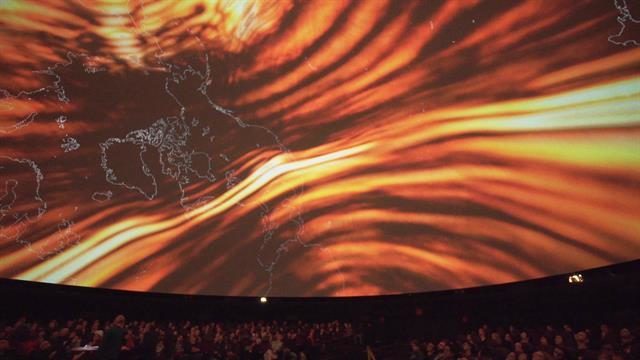
Earthquake seismic data comes to life in eerie 'songs'

SeismoDome
© National Geographic
SeismoDome shows enable people to hear the previously inaudible sounds of earthquakes deep in the Earth—and that may lead to better safety

Is it possible to "hear" an earthquake? Not the rumbling of the ground that results, but the earthquake itself. Even if you could, what's the point of listening?

About a dozen years ago, geophysicist Ben Holtzman and musician/sound designer Jason Candler set out to answer these questions, with a side goal of sharing their passion for earthquakes with the public. From the fruits of their research, the SeismoDome show was born.

Holtzman and Candler co-produce the show—with Holtzman writing scientific content, creating sounds from seismic data, and working with collaborators to produce the visual elements, while Candler handles the sound engineering and design and helps with the writing and conception of the show.


Attention

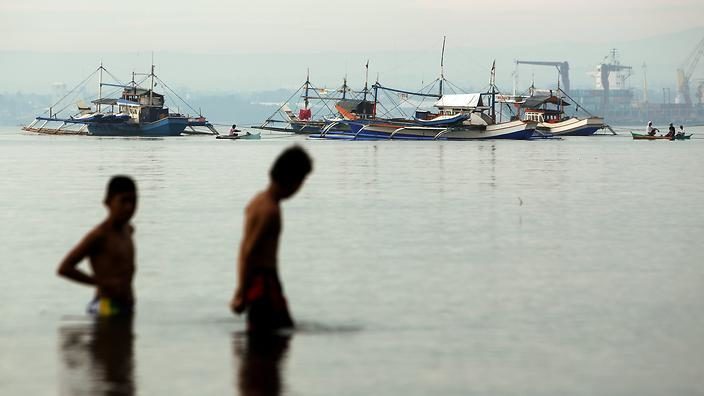
5.6-magnitude earthquake hits central Philippines

Philippine coast
© AAP
A 5.6-magnitude earthquake has shaken the waters near Samar Island in central Philippines with no damages or casualties reported.

The earthquake struck at 8.40am (local time) on Monday 137 kilometres northwest of Calbayog Town, to the north of Samar Island, and 500 kilometres southeast of Manila, with the epicentre located at a depth of 8.2 kilometres, according to the United States Geological Survey (USGS).

No tsunami alert has been issued.

On February 11, a 6.7-magnitude earthquake in the southern island of Mindanao killed eight people and left 200 injured.

The Philippines is situated on the so-called Pacific Ring of Fire, an area of great seismic and volcanic activity that is hit by around 7,000, mostly moderate, earthquakes every year.

Attention

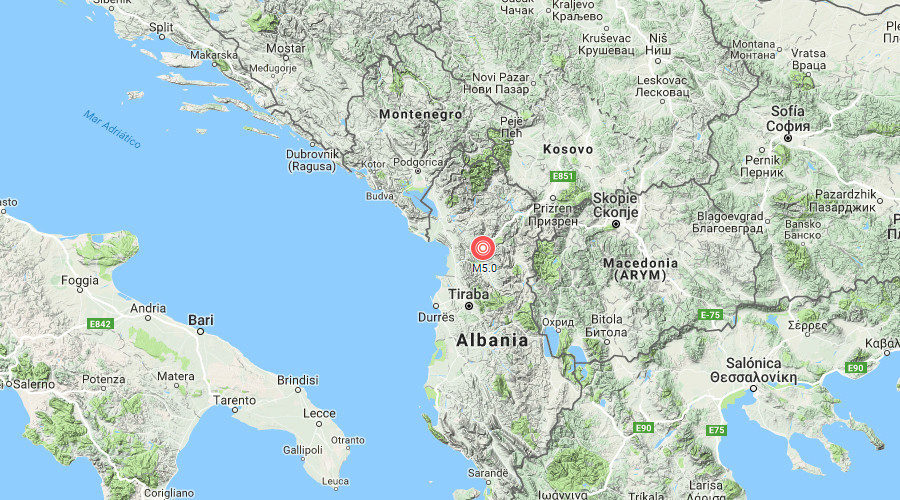
Magnitude 5.0 earthquake hits north of Albania's capital, no reports of injuries

Rreshen, Albania earthquake
© Google
A magnitude 5.0 earthquake has struck the town of Rreshen, 55 km North of the Albanian capital Tirana at a reported depth of 10km, according to the European-Mediterranean Seismological Centre (EMSC).

The quake struck the rural Albanian town at roughly 4pm local time on Saturday afternoon. According to testimonials on the EMSC's website, eyewitnesses described the tremor as lasting up to 30 seconds with the strength of convulsions reaching a crescendo as the quake progressed.


Comment: Earthquakes, hurricanes, volcanic eruptions, meteor fireballs, tornadoes, deluges, sinkholes and more have been on the rise since the turn of the century. Research put together by Pierre Lescaudron and Laura Knight-Jadczyk strongly suggest that these events are intimately connected and may have a common cause. Read "Earth Changes and the Human Cosmic Connection" for more.


Seismograph

Philippines: 5.9 magnitude earthquake rocks near Talaga, south of Manila

Map of Phillippines
© usgs.gov
A 5.9 magnitude earthquake struck in an area near Talaga, south of Manila in the Philippines. The quake was at a depth of 42.7km.

The quake struck one kilometer outside Talaga, located less than 70km south of Manila, the United States Geological Survey (USGS) reports.


The quake was the second and strongest of three that occurred over a 20-minute period, all between 5.0 to 5.9 in magnitude.

Tremors have been occurring in the area since earlier this week, Reuters reports, with no immediate reports of injuries or damage.

Seismograph

Largest Ever Earthquake in Botswana, Purple Skies over India & Mini Ice Age Signs Uptick

Purple skies over India
© YouTube/Adapt 2030 (screen capture)
As our Sun and Earth descend into a grand solar minimum, mega quakes have always occurred during these lows in solar activity. One indicator that we are repeating this same cycle is to see earthquakes in strange areas of the globe, the North Pole and now the strongest earth quake ever recorded in Botswana and southern Africa. Electrical and atmospheric changes are very apparent now with purple skies, phenomenal electrical discharges and fierce hail in strange locations globally in the wrong season.


Seismograph

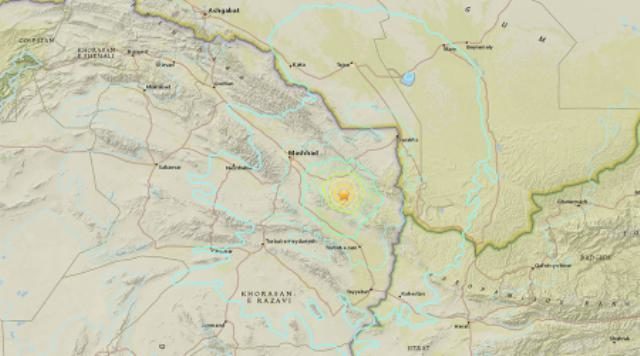
USGS: 6.1 magnitude earthquake hits near Iran's second-largest city at depth of 10km

Mashhad earthquake map
© USGS
A 6.1 magnitude earthquake has struck 89 kilometers from Mashhad, Iran's second most populous city, the US Geological Survey reported, adding that the tremor had a been registered at a shallow depth of 10 kilometers.

The quake hit northeastern Iran, 89 kilometers from the city of Mashhad, which has a population of over 2.3 million people.

There have been no reports of casualties or damage so far.