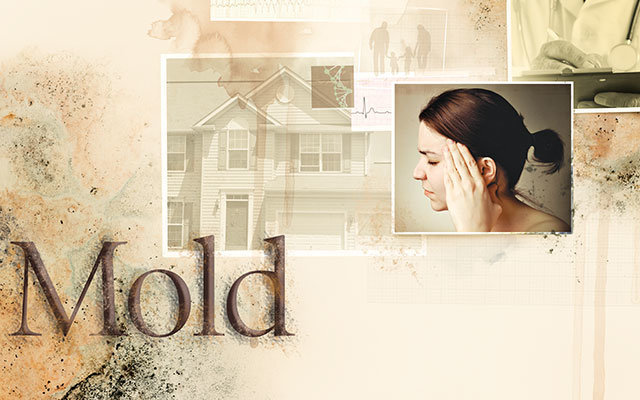
Learn if mold is messing with your body — and how you can clear up the trouble.When Jill Carnahan started getting winded walking up the stairs, she knew she had a problem.
Carnahan, 39, a functional-medicine doctor, was an avid runner, but beginning in the summer of 2014, she couldn't complete daily tasks without feeling fatigued, out of breath, and weak. She was also getting headaches and catching every virus going around her Boulder, Colo., community.
"I had my suspicions it was mold," says Carnahan, who had treated mold-related illnesses in her patients. "But I didn't want it to be."
Carnahan says she was "in denial for a long time" about the source of her health problems, because she knew a mold diagnosis would likely mean her
workplace or home was infested, and the fix was not a simple one.
Even in an arid state like Colorado, mold can wreak havoc on buildings. After Boulder was hit with flooding in 2013, Carnahan saw the first symptoms of mold illness in her patients —
respiratory problems, exercise intolerance, a weakened immune system, and new-onset asthma.When Carnahan started recognizing similar patterns in herself, she tested her urine for mycotoxins, often present after mold exposure. The test was positive.
"A physician cannot base a diagnosis solely on the urine test," she says, "so I had an inspector come to my work and home." They found evidence of toxic mold in her office building.
Few others in her medical practice noticed any ill effects. But it turns out that Carnahan had won an unlucky genetic lottery that makes her susceptible to mold illness. About 25 percent of the population falls into this category.
"People like me are really the canaries in the coal mine," says Carnahan. "We get very sick, and others can be fine."
Because of Carnahan's genetic makeup, her body cannot clear biotoxins easily. Mold experts believe the problem lies in the immune system's response
genes.
People with this condition usually host a higher "toxic burden" than others because they retain toxins the body would normally clear. This is how Carnahan could get sick from the mold in her building while her colleagues were unaffected.
Carnahan found another office space in January 2015. "Even office papers and documents brought from the old building made me sick," she says. "I had to completely start over."
She began an extensive protocol that included dietary changes, nutritional supplements, and detoxifying binding agents to help clear biotoxins from her body.
Nine months after starting treatment, she still follows a strict anti-mold diet,
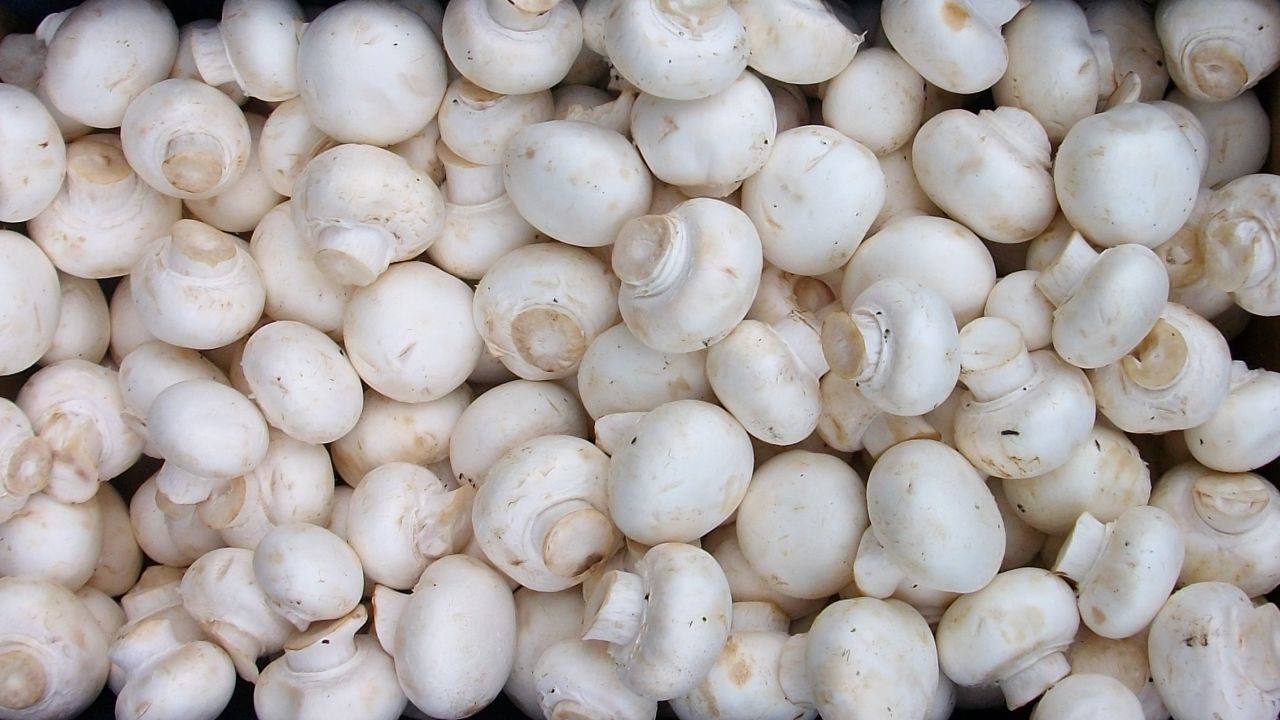
avoiding sugar, most grains, processed food, mushrooms, cheese, and alcohol. Her list of daily supplements remains "two pages long." But she says she's 80 percent better and has begun to exercise again.
Carnahan is fortunate: She knew to look for mold as a source of her health issues. For most people, mold-related illnesses remain mysterious and undiagnosed — though this is starting to change. Read on to discover what medical experts are learning about problems with mold, and what they suggest we do about it.












Comment: More information on CRISPR-engineered foods: