Health & WellnessS


Arrow Down

U.S. government supporting biotech agenda regardless of cost to society

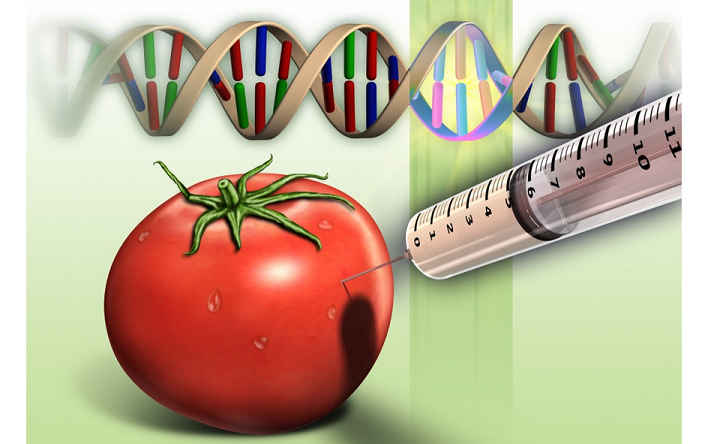
GMO tomato
A few weeks ago I wrote about how when a now retired University of Illinois' professor named Bruce Chassy received money from the U.S. State Department to produce informational videos on genetically modified organisms (GMOs), he collaborated with Monsanto on the content.

Alternet also recently published an article detailing the conflicts of interest between Chassy and Monsanto, and how the professor spent years supporting Monsanto's agenda without disclosing his financial ties to the company.1

But if you think an "independent" public university professor taking government money to produce propaganda for a private company is bad, consider this:

The new spending bill2,3,4 actually calls for $3 million to be allocated for consumer education and outreach to "promote understanding and acceptance of" biotechnology.

Your Money Is Being Spent to Promote Industry Propaganda

That's right, not only are the government and the food and chemical technology industries fighting tooth and nail to prevent GMO labeling, your hard-earned tax dollars will also be spent on industry propaganda to "assure" you that genetically engineered (GE) foods are of no concern.

This joint effort by the Food and Drug Administration (FDA) and the U.S. Department of Agriculture (USDA) is an outrage.

Instead of safeguarding environmental and human health, these agencies are simply supporting and promoting the industry agenda, regardless of the cost to society. Indeed, as noted in another recent article, the USDA has come under increasing scrutiny following charges of harassment and censorship of its own scientists.

Comment:


Health

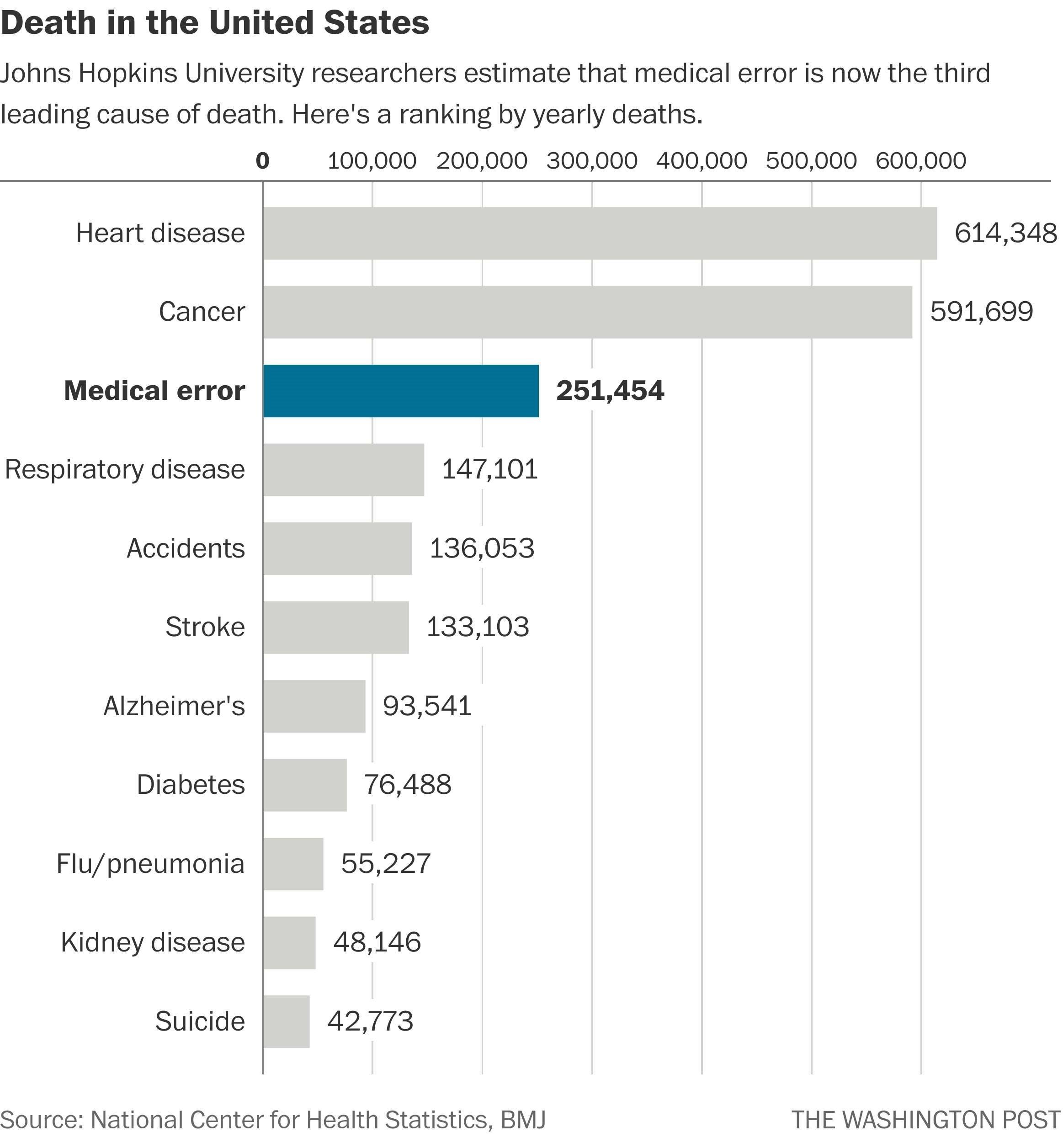
Doing no harm? Johns Hopkins study shows death by medical error now third leading cause in USA

cause of death
© Washington PostA new study by patient safety researchers shows common medical errors may be the third leading cause of death in the U.S., after heart disease and cancer.
Nightmare stories of nurses giving potent drugs meant for one patient to another and surgeons removing the wrong body parts have dominated recent headlines about medical care. Lest you assume those cases are the exceptions, a new study by patient safety researchers provides some context.

Their analysis, published in the BMJ on Tuesday, shows that "medical errors" in hospitals and other health care facilities are incredibly common and may now be the third leading cause of death in the United States -- claiming 251,000 lives every year, more than respiratory disease, accidents, stroke and Alzheimer's.

Martin Makary, a professor of surgery at the Johns Hopkins University School of Medicine who led the research, said in an interview that the category includes everything from bad doctors to more systemic issues such as communication breakdowns when patients are handed off from one department to another.

"It boils down to people dying from the care that they receive rather than the disease for which they are seeking care," Makary said.

The issue of patient safety has been a hot topic in recent years, but it wasn't always that way. In 1999, an Institute of Medicine (IOM) report calling preventable medical errors an "epidemic" shocked the medical establishment and led to significant debate about what could be done.

The IOM, based on one study, estimated deaths because of medical errors as high as 98,000 a year. Makary's research involves a more comprehensive analysis of four large studies, including ones by the Health and Human Services Department's Office of the Inspector General and the Agency for Healthcare Research and Quality that took place between 2000 to 2008. His calculation of 251,000 deaths equates to nearly 700 deaths a day -- about 9.5 percent of all deaths annually in the United States.


Comment: These numbers likely do not include folks who die from unnecessary medical intervention. Nor do they acknowledge cancer & heart disease have real alternative treatments that work, but due to their lack of profitability, are shunned by the medical establishment.


Comment:


Light Sabers

Fluoride wars: Loving cancer & loving lower IQ

fluoride
It's no surprise that the US government would look the other way when lower IQ and cancer are business as usual.

One of the major agencies that would look the other way is the Environmental Protection Agency (EPA).

—But suppose scientists within the EPA spoke out, revolted, and issued official rebukes to their own Agency's position on fluorides?

Comment: Also read Jon Rappoport's article Fluorides and the A-bomb
The documents reveal that fluoride was the most significant health hazard in the US A-bomb program, for workers and for communities around the manufacturing facilities.

Griffiths/Bryson:
Much of the original proof that fluoride is safe for humans in low doses was generated by A-bomb program scientists, who had been secretly ordered to provide 'evidence useful in litigation' [against persons who had been poisoned by fluoride and would sue for damages]... The first lawsuits against the US A-bomb program were not over radiation, but over fluoride damage, the [government] documents show.
So A-bomb scientists were told they had to do studies which would conclude that fluorides were safe.


Bullseye

Researchers find potential target for reducing obesity-related inflammation

inflammation
© altered-states.net
Study sheds light on preventing or reversing certain obesity-associated diseases.

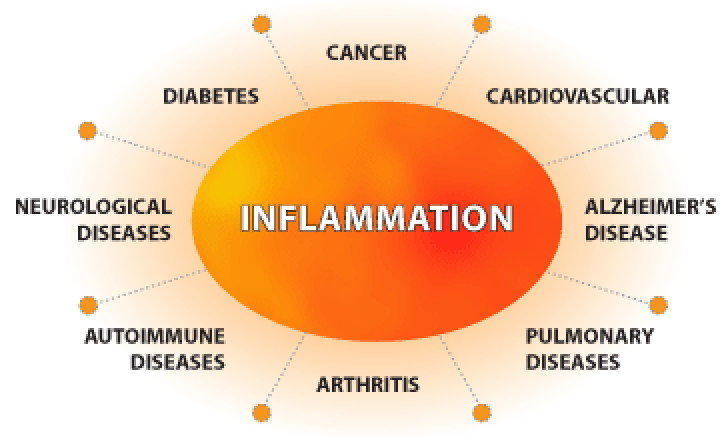
Scientists at the National Institutes of Health have identified a potential molecular target for reducing obesity-related inflammation. Researchers have known that overeating (that is, excess calorie consumption) by individuals with obesity often triggers inflammation, which has been linked to such diseases as asthma and Type 2 diabetes. In their study, published recently in The Journal of Clinical Investigation (Nov. 3, 2015, online version), the investigators found that a protein called SIRT3 provides resistance to this inflammatory response and could potentially prevent or reverse obesity-associated diseases of inflammation.

Lead researcher Michael N. Sack, M.D., Ph.D., a senior investigator at NIH's National Heart, Lung, and Blood Institute, explained that he and his team identified the role of SIRT3 through an investigation involving 19 healthy volunteers who fasted for a 24-hour period.

Comment: The Health & Wellness Show: Inflammation: The Root of Disease


Megaphone

The Feds lobbying for Monsanto - Again?

monsanto
© mauicauses.org
They already are, of course, but now they want to spend your dollars to propagandize you!

Hidden within a large federal spending bill is a proposal for $3 million to go toward consumer education and outreach to "promote understanding and acceptance of agricultural biotechnology"—a campaign to be carried out jointly by the FDA and the USDA.

In plain English, this proposal would spend taxpayer dollars on an effort to convince Americans that GMOs are just fine—perhaps even that they shouldn't be labeled.

Attention

1 in 3 antibiotics prescribed by American doctors were unnecessary - study

antibiotics
© Richard Clement / Reuters
Nearly a third of antibiotics in the US are over-prescribed, according to a study by the Centers for Disease Control and Prevention. That amounts to about 47 million patients receiving the wrong treatment for colds, sore throats, bronchitis, and flu.

The study published on Tuesday analyzed the use of antibiotics in doctors' offices and emergency departments throughout the US in 2010 and 2011. The CDC found that 13 percent of all outpatient doctor visits, some 154 million a year, resulted in an antibiotic being prescribed, 47 million of which were unnecessary because they were prescribed for conditions caused by viruses, which do not respond to antibiotics.

Comment: See also: Antibiotic-resistant superbugs on track to kill more people than cancer


Padlock

Big Pharma's silent hold over the US government

Big pharma
Lobbying allows special interest groups to control the way laws are shaped and how healthcare policies are both created and enforced.

Pharmaceutical companies are some of the richest, most profitable companies in the world. Besides using profits to advertise products and influence prescription-writing target markets, Pharma spends extraordinary amounts of money on patents to protect their profit margins. Some cancer treatments can cost 600 times more in the U.S. than in other countries — and this form of price gouging remains legal in the U.S.1 Unfortunately for consumers, the game is rigged in Pharma's favour, as they buy this privilege by lobbying government representatives.

Comment: No wonder Big Pharma is one of the most hated Institutions in America!


Magic Hat

The link between gut bacteria & your kid's behavior

gut bacteria
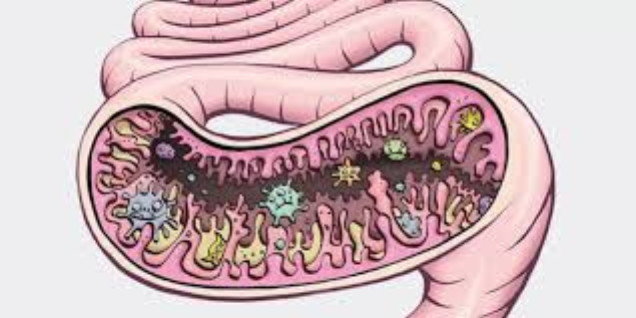
Ohio State University researchers have found that gut bacteria affect a toddler's temperament. After examining the stool samples of 77 kids aged 18-27 months, the researchers concluded that it was time to step outside and get some fresh air. They also concluded that mood, curiosity, sociability, impulsivity, and — in boys — extroversion were linked to more genetically diverse bacterial species.

Gut bacteria is having a moment lately, even receiving the Very Important Story treatment recently in the New York Times. The paper of record takes a deep dive into research that increasingly suggests the microorganisms swimming around your pipes not only digest food and fight disease, they secrete mood-regulating chemicals like serotonin, dopamine, and gamma-aminobutyric acid or GABA.

Comment: Mind-Gut Connection: Why Intestinal Bacteria May Have Important Effects on Your Brain


Wine

Researchers find coffee and wine help maintain good gut bacteria

wine
© Darrin Zammit Lupi / Reuters
Dutch scientists have put a new spin on the Victorian mantra "an apple a day keeps the doctor away." A cup of coffee or a glass of wine also appear to help maintain "good" bacteria in the gut, a new study has found.

Large-scale DNA analysis enabled researchers to examine what factors affect the diversity of the microbiome, the intestinal bacterial community unique to each individual. Coffee and wine can increase the diversity of gut bacteria, while whole milk or a high-calorie diet can decrease it.

"In total we found 60 dietary factors that influence the diversity. What these mean exactly is still hard to say," Alexandra Zhernakova, a researcher at the University of Groningen in the Netherlands and the first author of the study, said in a statement, according to EurekAlert."But there is a good correlation between diversity and health: greater diversity is better," she added.

Researchers collected questionnaires on the diet, medicine prescriptions and health of over 1,100 people, and analyzed their gut DNA from frozen stools. Unlike other studies, the Dutch research focused on normal people, while previous studies had chosen to examine patients with specific illnesses.

Health

Cereal grains: Edible agents of mental disease

Bread and wheat producs
© unknownGluten can be found in many common foods such as bread and baked goods.

"Give us this day our daily bread (...) but deliver us from evil"


—Matthew 6:11, 13
Perhaps because gastroenterology, immunology, toxicology, and the nutrition and agricultural sciences are outside of their competence and responsibility, psychologists and psychiatrists typically fail to appreciate the impact that food can have on their patients' condition. Here we attempt to help correct this situation by reviewing, in non-technical, plain English, how cereal grains—the world's most abundant food source—can affect human behavior and mental health. We present the implications for the psychological sciences of the findings that, in all of us, bread (1) makes the gut more permeable and can thus encourage the migration of food particles to sites where they are not expected, prompting the immune system to attack both these particles and brain-relevant substances that resemble them, and (2) releases opioid-like compounds, capable of causing mental derangement if they make it to the brain. A grain-free diet, although difficult to maintain (especially for those that need it the most), could improve the mental health of many and be a complete cure for others.

Introduction

About 12,000 years ago, when the last ice age came to an end, the rapid change in climate decimated our traditional food sources, especially large game. Possibly in response to that, in the fertile crescent of the Middle East (roughly the areas comprising the Levant and the Tigris and Euphrates valleys) we began to practice agriculture and animal domestication. Within a few thousand years both had independently started on at least four different continents (Murphy, 2007), stabilizing and increasing our food supply to such an extent that the human population exploded. Yet the agricultural revolution not only increased the availability of food, but also radically changed its nature: cereal grain products, to which we were largely unaccustomed, quickly took center stage. This article illustrates the surprising relevance of this diet change to neuroscientists, psychologists, and psychiatrists.

That the association between humans and grains paid off nicely for both is beyond dispute. Each partner helped the other reproduce, multiply, and ultimately conquer vast patches of the earth. Each partner coevolved with the other, adapting to it. For example, wheat progressively became shorter in response to our own preference for crops easier to harvest and less vulnerable to wind. At the same time, our faces, jaws, and teeth progressively became smaller in response to the soft texture of bread (Larsen, 1995). Thus we domesticated grain, and in return grain domesticated us (Murphy, 2007).

Yet the agricultural revolution may have spelled trouble. Tellingly, whenever diets based on grain replaced the traditional diets of hunter-gatherers, lifespan and stature decreased—while infant mortality, infectious diseases, bone mineral disorders, and the frequency of dental caries increased (Cohen, 1987). Some of these problems were never totally overcome. For example, despite a gradual increase in stature beginning 4,000 years ago, when diets became more varied again, on average we are still about 3 cm shorter than our pre-agriculture ancestors (Murphy, 2007). The coevolution between humans and grain brought on genetic changes in both parties, but did not render grain a more suitable food for us than it originally was.

Comment: Further reading: