Health & WellnessS


No Entry

The brain-busting, cancer-causing additive known as MSG

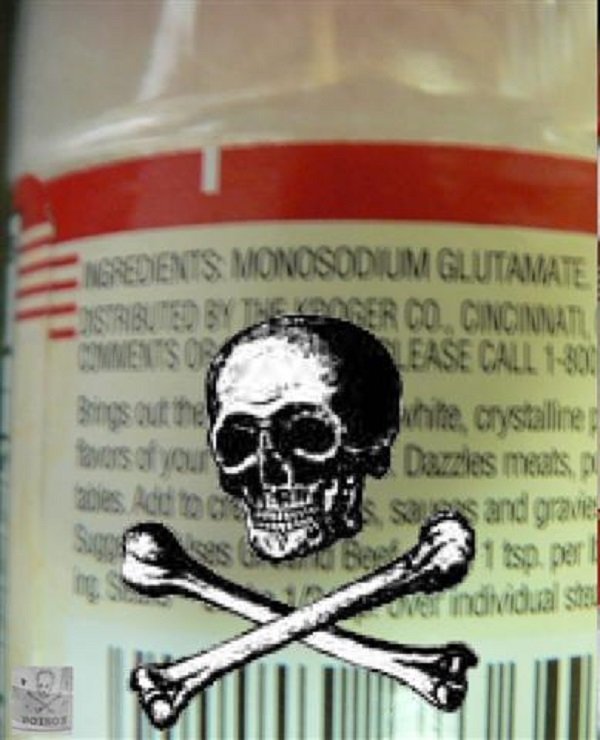
MSG poison
© MSreversed
I used to think that MSG was just in Chinese food, but the truth is that it's actually added to thousands of the foods you and your family regularly eat, especially if you are like most Americans and eat the majority of your food as processed packaged foods or in restaurants.

MSG is one of the most harmful additives on the market and is used in frozen dinners, crackers, canned soups, processed meats, barbeque sauce, salad dressings, and much more. It's found in your local supermarket and restaurants, in your child's school cafeteria and, amazingly, even in baby food and infant formula.

Comment: For more on MSG see:


TV

Professor Mary Holland speaks at the United Nations on Vaccination Policies and Human Rights

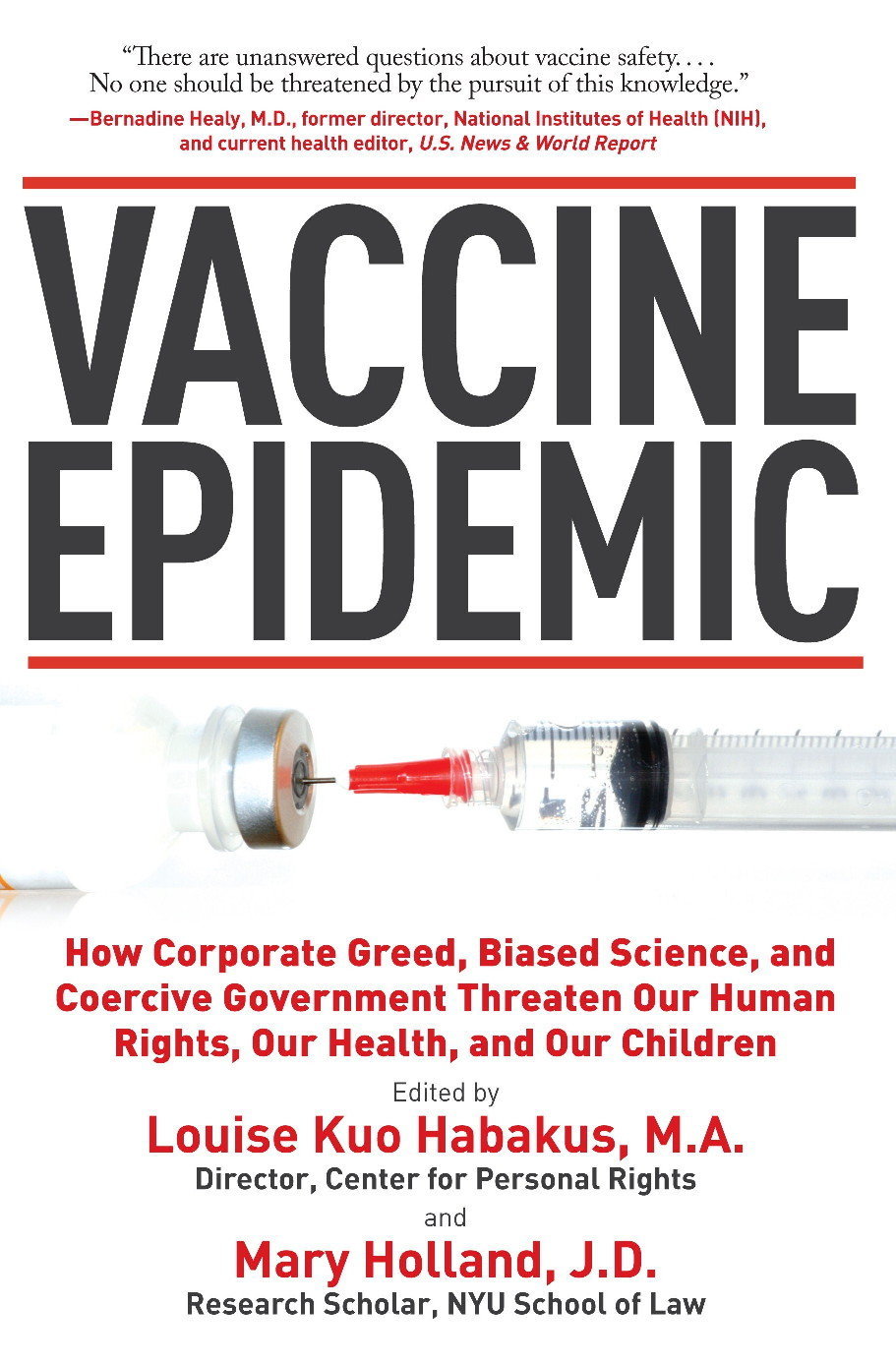
Vaccine Epidemic

Attention

When the body says no: How emotional trauma can lead to cancer

emotional trauma
War, natural disasters, the loss of a loved one, domestic abuse, financial destitution, a cancer diagnosis, tragic events from childhood: these and so many more situations can cause the "bottom to fall out" of our lives. They can also leave us with medically-diagnosable psychological disorders such as post-traumatic stress disorder (PTSD).

But can emotional traumas, if left unresolved, actually lead to cancer? The answer, according to the latest research on stress, the emotions, and cancer... is an unequivocal Yes!

Comment: Additional information about the relationship between unresolved emotions and disease
Stress is ubiquitous these days - it plays a role in the workplace, in the home, and virtually everywhere that people interact. It can take a heavy toll on individuals unless it is recognized and managed effectively and insightfully. This is even more true for parents, family members and caregivers of individuals with neuro-behavioural disorders such as FASD, and if left unchecked, accumulated stress goes on to undermine immunity, disrupts the body's physiological milieu and can prepare the ground for a multitude chronic diseases and conditions.


Info

The Center for Disease Control: Why it has lost its trustworthiness when it comes to vaccine policy

CDC lies
Despite the fact that I am a physician, I have long been suspicious of the influence of giant multinational medical corporate cartels that are best referred to as Big Pharma, Big Vaccine, Big Medicine, Big Insurance, Big Food, Big Agrichemical, etc. Most clear-headed observers of these industries (that meet the psychiatrist's DSM definition of sociopathic entities) are justifiably concerned about the inordinate influence that they have over the mainstream media and most of our political parties, legislators and presidents.

These mega-corporations and their cunning multibillionaire owners (the 0.01%) are the paymasters of every politician and political party that thinks that they have to have millions of dollars in their campaign coffers in order to keep their political offices safe. Those paymasters, as is the case with all their other "investments", expect a handsome long-term return on those investments. Those entities with excess luxury wealth are very serious when it comes to their money. That is why they can be so ruthless when it comes to getting what they want from their stable of politicians, lawyers and the publishers and editors of their newspapers and their television and radio stations.

Comment: No end in sight: CDC says there are at least 271 new vaccines being developed
In a recent article published by Robert F. Kennedy, Jr., titledChildren at Risk - Vaccines, Government & Big Pharma's Dirty Money, [1] he highlighted the fact that every vaccine introduced to the vaccine schedule guarantees its manufacturer millions of customers, increasing vaccine revenue by billions of dollars. However, it appears that a minimum of 56 doses of 14 vaccinations before the age of eighteen is not quite lucrative enough for the pharmaceutical industry, as according to Mr. Kennedy's research, the CDC has 271 new vaccinations under development in the hopes that vaccine revenues will reach a staggering $100 billion by 2025.

Kennedy called the Centers for Disease Control and Prevention (CDC) "a cesspool of corruption, mismanagement and dysfunction," making it crystal clear to readers that financial gain fueled their decision making.
...I will leave you with the wise words of Robert F, Kennedy Jr: "Vaccine industry money has neutralized virtually all of the checks and balances that once stood between a rapacious pharmaceutical industry and our children."


SOTT Logo Radio

SOTT Focus: The Health & Wellness Show: Stress and the compromised Adrenal system

Image
Are you stressed? Suffering from extreme tiredness? Need stimulants to get going in the morning? So dead tired at the end of the day that sleep seems like a dream that will never come true? Many suffer silently from a seemingly nebulous thing called adrenal fatigue. Prolonged physical, mental, and/or emotional stress, lack of rest, poor diet, antibiotics, and continual stimulation of the nervous system via electronics contribute to adrenal compromise.

Today on the Health and wellness show we discussed the good and bad aspects of stress and its effects on the adrenal system. The adrenals may be small and misunderstood, but in essence, there is no quality of life if they are not functioning properly. What steps can we take to provide the adrenals with adequate nutrition, supplements, herbs, lifestyle changes and alternative modalities such as meditation and bodywork.

In Zoya's pet health segment, adrenal issues in doggies are also covered. Listen to the show below.

Running Time: 01:34:22

Download: MP3


Here's the transcript of the show:

Ambulance

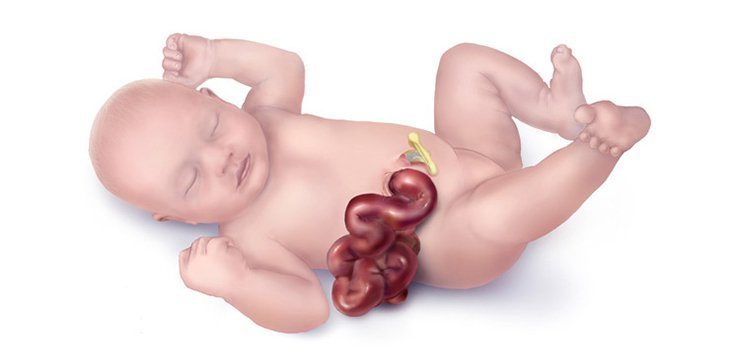
The CDC says: A strange birth defect is on the rise in the United States

birth defects
Federally funded studies are aimed at documenting the cause

A strange birth defect is on the rise in the United States, and scientists are at a loss to explain it.

Gastroschisis is a birth defect that causes a baby's intestines to protrude outside of his/her body, through a hole in the abdominal wall beside the belly button. Sometimes this hole is very small, but it can also be quite large, and other organs such as the stomach and liver can extend from the baby's body.

Shoe

Exercise genes? Study suggests certain people with depression may benefit from exercise

people running
© Chase Jarvis/Getty Images
Call it personalized medicine for depression -- but the prescription in this case is exercise, which University of Florida Health researchers have found helps people with certain genetic traits.

A UF study has found that specific genetic markers that put people at risk for depression also predict who might benefit from exercise, according to a study published recently in The Journal of Frailty & Ageing. The researchers found that men who were carriers of two specific genes had the most significant response to exercise. The results suggest physical activity as part of a treatment plan -- exercise as moderate as walking -- could help the carriers of these genes.

"I want to better understand who could benefit most from physical activity. I'd like to take the same approach to exercise that we take to medication, which is to have a personalized medicine approach," said Vonetta Dotson, Ph.D., the study's first author and an assistant professor in the College of Public Health and Health Profession's department of clinical and health psychology. "If we show through systematic research that exercise has a good chance of helping a patient because of their particular characteristics, I think that might help with patients' motivation to exercise."

Comment: Further reading:


Health

One minute of all-out exercise may have benefits of 45 minutes of moderate exertion

woman running
© iStock
For many of us, the most pressing question about exercise is: How little can I get away with? The answer, according to a sophisticated new study of interval training, may be very, very little. In this new experiment, in fact, 60 seconds of strenuous exertion proved to be as successful at improving health and fitness as three-quarters of an hour of moderate exercise.

Let me repeat that finding: One minute of arduous exercise was comparable in its physiological effects to 45 minutes of gentler sweating.

I have been writing for some time about the potential benefits of high-intensity interval training, a type of workout that consists of an extremely draining but brief burst of exercise — essentially, a sprint — followed by light exercise such as jogging or resting, then another sprint, more rest, and so on.

Athletes rely on intervals to improve their speed and power, but generally as part of a broader, weekly training program that also includes prolonged, less-intense workouts, such as long runs.

Comment: See also:


Bulb

Serotonin gives insight into sudden infant death syndrome

Researchers from the Geisel School of Medicine at Dartmouth, NH, recently investigated the role of serotonin on breathing responses in sleeping infants. The findings, published in Experimental Physiology, offer a new avenue of research into sudden infant death syndrome.

sleeping baby
© unknownNew research demonstrates that serotonin, apnea, and SIDS appear to be interlinked.
Sudden infant death syndrome (SIDS) refers to the unexplained death of a baby who seems otherwise healthy.

SIDS is also known as crib death as it most commonly occurs while the child is sleeping.

In the United States, an estimated 1,500 children under 12 months die from SIDS yearly.

Some factors that raise the risk of SIDS have been uncovered. These include children with brain abnormalities, low birth weight, or respiratory infections; however, the exact causes are still poorly understood.

Guidelines are in place to help minimize the risk of SIDS; for instance, babies sleeping on their side or stomach can have more difficulty breathing, soft, fluffy surfaces are more likely to block airways, and babies sleeping in bed with parents is not recommended.

Comment: For information about other possible causes of SIDS, see:


Cloud Grey

The teenage brain on poverty

teen poverty
© medicaldaily.com
This guest post was written by Suzanne Houston, a doctoral candidate in developmental psychology at USC who uses neuroimaging techniques to study brain development in children and adolescents.

All of you reading this sentence have been adolescents at one point. You have experienced the years marked by self-consciousness and peer pressure; when your parents were too strict, and your teachers too annoying. Somehow, you managed to struggle through it all to read this post. Perhaps some of you have teenagers of our own. Now, you are the strict parent, the annoying teacher. You are the one knocking on bedroom doors because you smell cigarette smoke, or the music is too loud. Perhaps, you are hiding the car keys, because you want to keep your child safe and under your roof, far away from the statistic that says that mortality rates among adolescents increases by 200%, among adolescents who drive compared to those who do not.

Now add poverty to the mix. According to the National Center for Children in Poverty (NCCP), roughly 16 million children and teenagers in the United States—1 in every 5—live below the federal poverty line. The percentage of adolescents (age 12-17) living in families with low income increased from 35% in 2007 to roughly 41% in 2013. Nineteen percent of this age group live below the poverty line.

Comment: Read more about Trying to understand the teenage mind