Health & WellnessS


Syringe

On Big Vaccine's disinformation specialists

vaccine america
© Caribflame
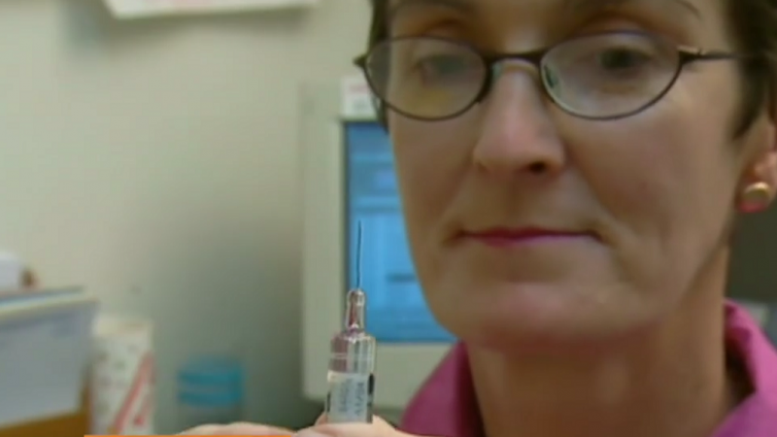
In recent days, I have been in communication with several journalists who have been writing about issues that pertain to an issue in which I have some expertise: the alleged safety and efficacy of the huge number of neurotoxin-containing vaccines that are rather cavalierly administered to babies as young as 1 day, 2 months, 4 months and 6 months, ages in which their blood-brain barriers, their immune systems and their mitochondria are at their most immature and most vulnerable to toxins.

Recently there has been information in the news about Rochester, Minnesota's school board. They have decreed, probably with the advice and blessings of the Mayo Clinic, that they will be banning from school attendance the couple hundred "under-immunized or un-immunized" students (according to CDC recommendations) until they receive their shots or get clearance from a physician or a parent attesting to their philosophical or religious objections to the shots. The school board has somehow deemed these students to be an existential threat to the immunized students on the basis of the un-proven theory of "herd immunity".

(Read the communication I had with a journalist who wrote about the Rochester issue HERE.)

Health

Vitamin C effective in targeting, stopping cancer stem cells

cancer stem cells
Vitamin C is up to ten times more effective at stopping cancer cell growth than pharmaceuticals, according to scientists in Salford, UK. The new research, published in the peer-reviewed medical journal, Oncotarget, is the first evidence that Vitamin C (ascorbic acid) can be used to target and kill cancer stem cells (CSCs), the cells responsible for fueling fatal tumors.

Dr Michael P. Lisanti, Professor of Translational Medicine at the University of Salford, said: "We have been looking at how to target cancer stem cells with a range of natural substances including silibinin (milk thistle) and CAPE, a honey-bee derivative, but by far the most exciting are the results with Vitamin C.
"Vitamin C is cheap, natural, non-toxic and readily available so to have it as a potential weapon in the fight against cancer would be a significant step."
Cancer stem-like cells are thought to be the root cause of chemotherapy resistance, leading to treatment failure in patients with advanced disease and the triggers of tumor recurrence and metastasis (regrowth).

The Salford team set out to assess the bioenergetics of cancer stem cells - the processes which allow the cells to live and thrive - with a view to disrupting their metabolism.

Comment: See also:


Bulb

Understanding the bipolar brain - and the keys to unlocking treatment for it

bipolar brain
An estimated 5.1 million Americans have bipolar disorder,1 also known as manic-depressive illness, which is characterized by unusual and typically dramatic shifts in mood and energy. Emotions tend to be intense, with the patient seesawing between ecstatic joy and hopeless depression.

Hallucinations and delusions of grandeur are common during the manic phase, leading the patient to engage in risky and irrational behaviors, such as not looking both ways before crossing the street because they think they're invincible, or jumping out of a window, convinced they can fly.

The PBS documentary, "Ride the Tiger: A Guide Through the Bipolar Brain," 2 originally aired on April, 2016, explores our current understanding of the illness, and puts a human face on the struggle with commentary by those challenged with it.

Highly accomplished individuals diagnosed with bipolar featured in the program include actress Patty Duke, who was diagnosed in 1982, and Patrick Kennedy, a former U.S. Representative.

By seeking to understand how the bipolar brain malfunctions, researchers believe they can get closer to understanding the inner workings of the brain, potentially unlocking treatments for other types of psychiatric problems as well.


Health

Insurance companies accidentally make the case for universal Medicare

insurance premiums
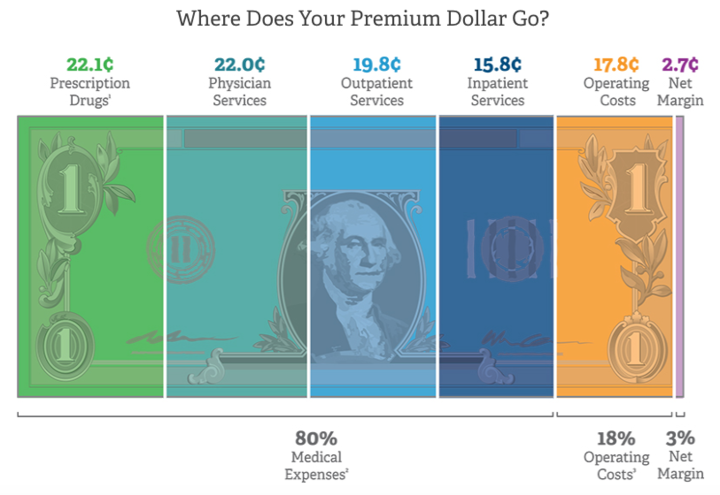
© AHIPAmerica’s Health Insurance Plans created a graphic to show where your premium dollars go.
America's Health Insurance Plans, the trade group for commercial health insurance companies, published an infographic this month breaking down how the industry spends every dollar it receives in premiums.

The group apparently crafted the visual aid to defend rising premiums its member companies are charging customers.

But the chart also inadvertently helps explain why commercial health insurance is a bad deal.

The graphic shows that about 80 percent of every premium dollar goes toward medical expenses ― prescription drugs, doctor visits, hospitalization and other services. Approximately 18 percent goes to administrative costs, and some 3 percent is profit. (The total is more than 100 percent because of rounding. America's Health Insurance Plans explains how it gathered the figures for its infographic here.)

Comment: Medicare for All: The Only Sound Solution to Our Healthcare Crisis


Bacon n Eggs

It's all about diet: Life expectancy projected to soar - except in the US

life expectancy
For the first time in 20 years, life expectancy has actually declined in the U.S.,1,2,3,4 dropping from 76.5 years in 2014 to 76.3 in 2015 for men, and from 81.3 to 81.2 for women. This means American women now die, on average, about one month earlier than they did in 2014, and men lost about two months of lifespan.5

In all, there were 86,212 more deaths in 2015 compared to 2014, and as of 2015, the U.S. ranks 29th out of 43 countries for life expectancy,6 lagging behind countries like Chile, Costa Rica, Slovenia, Korea and the Czech Republic. In 2014, the U.S. ranked 28th.7

Moreover, according to Dr. Peter Muennig, a professor of health policy and management at Columbia University's Mailman School of Public Health, this decline in life expectancy is a "uniquely American phenomenon." No other developed countries experienced this decline.

Dr. Jiaquan Xu, the report's lead author, noted the decline in life expectancy is primarily caused by a rise in several categories of preventable deaths,8 again highlighting the failure of the American health care system to properly address the root causes of chronic disease.

Meanwhile, both dietary patterns and health care availability in South Korea — which has made some of the greatest life expectancy gains — offer valuable hints at what Americans need to do to change course.


SOTT Logo Radio

SOTT Focus: The Health & Wellness Show: The Millennial Syndrome: Why they gotta be like that?

millennials
Millennials: born between 1980 and 1994.
Millennials are people born between the years 1980 and 1994. They have a reputation for being narcissistic and entitled, shallow, obsessed with technology and social media and unable to cope with reality. Social scientists have remarked that this generation is more likely to live with their parents, lack basic living skills, have an incapacity for meaningful relationships and suffer from a high rate of mood and personality disorders. Older generations talking smack about younger generations is a grand tradition but one must ask: How did millennials develop this reputation? Are these youngsters uniquely flawed or are they merely a product of the times?

Join us as we explore these questions and more.

And stay tuned, as always, for Zoya's Pet Health segment where the topic will be suicide among veterinarians.

Running Time: 01:29:45

Download: MP3


Syringe

Australia now refuses to treat unvaccinated

jab_australia
© 9News.au
Australian children who are not up-to-date with their vaccines are being refused treatment.

Remember, a hospital would treat someone wounded from a gunshot after being caught murdering another human being. However, they will not treat a child whose parent chose not to vaccinate them. Australia is becoming authoritarian madness and putting its own dogma ahead of the people it is supposed to treat.

Comment: A future of tragedies to come.


Health

The elephant in the room: How chronic exposure to low doses of environmental toxins affects our health

environmental toxins, air pollution
© istock / azgek
Toxins from our environment are ubiquitous and almost impossible to avoid. If you are taking steps to limit your exposure, should you be worried about the low levels that are still undoubtedly in your system? The answer is: it depends. Read on to find out how the traditional view of toxicity is outdated, what factors influence one's susceptibility to a toxin, and what else you can do to decrease your body's toxic burden.

We are exposed to thousands of environmental toxins, whether they are inhaled, applied to our skin, ingested with our food, or injected. Common exposures include substances found in:
  • health and beauty products, which I covered in a series of articles
  • pesticides and herbicides
  • industrial pollutants
  • mold
  • preservatives and flame retardants
  • petrochemical fuels and solvents
  • plastics and cookware
There is no denying that toxic chemicals are IN us. The Environmental Working Group (EWG) reported that the average person carries 91 toxic chemicals in his or her blood and urine. Another EWG study found 232 different toxins in the umbilical cord blood of 10 newborn babies. Do we fully understand how these chemical cocktails might be affecting our health?

Comment: More information on ways to improve your detoxification pathways:


Bug

Yellow fever outbreak in Brazil worries U.S. officials

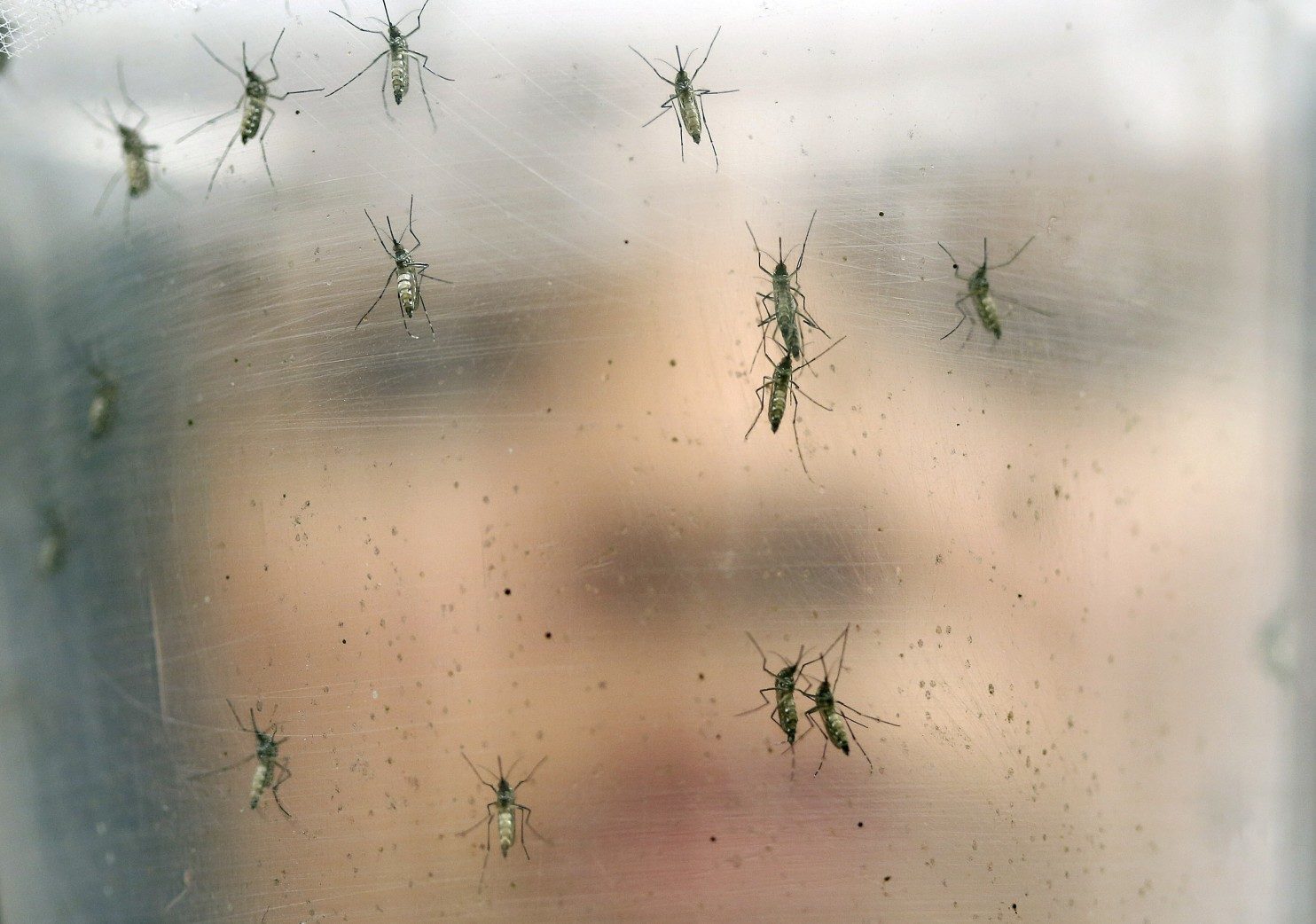
female Aedes aegypti mosquitoes
© Andre Penner/AP
Top infectious disease experts are warning about a rapidly spreading outbreak of deadly yellow fever in Brazil that could hit parts of the United States. The danger would be most acute if the virus starts spreading by the same mosquito that transmits Zika.

The outbreak in Brazil has been underway since December, mostly in rural areas in the southeastern part of the country. It's taking place primarily in jungle areas, where forest-dwelling mosquitoes are spreading the virus mainly to monkeys. But an increasing number of people also have been infected, making it Brazil's worst yellow fever outbreak among humans in decades. There have been at least 326 confirmed cases, including 220 deaths, with hundreds of additional cases under investigation, according to the Pan American Health Organization (PAHO).

Comment: Is this more fear mongering to push a vaccine agenda?


Health

Fighting cancer: The place of 24-hour rhythms

sleep, circadian rhythm
Scientists are constantly searching for new and innovative treatments for cancer. Recent research suggests that enhancing circadian clocks may slow tumor growth and assist in cancer treatment.

A disrupted circadian rhythm is a common consequence of modern life. People often find that they are not able to get enough sleep due to busy work schedules and other obligations. In addition, traveling and other common activities leave many of us jet lagged and depleted. This has been found to have a variety of negative physical and psychological effects, but the recent links between circadian rhythm disruption and cancer suggest that the consequences may even be deadly.

Circadian Disruption and Cancer

Circadian rhythm disruption has been linked to a variety of cancers, including breast cancer, colon cancer and melanoma. Irregular levels of melatonin are believed to be the reason for this link. Melatoninis an integral part of the cell cycle, telling cells when to perform critical DNA repair processes so they can reproduce safely. When melatonin levels are low at the wrong times, cells do not perform repair and rebuilding processes as well. This is believed to be one of the roots causes of one of the world's most deadly diseases: Cancer.

Comment: For more information, check out The Health & Wellness Show: Sleep, Light and Circadian Rhythms