OF THE
TIMES
Gluten-free foods are made with:Looking further into this 'study' (from which the original source is missing from the numerous articles posted over the web) we find the following:in place of wheat and gluten. People go gluten-free because of some real or perceived sensitivity to gluten, and they replace wheat and gluten with gluten-free foods. Big mistake. These gluten-free ingredients:
- Rice starch (or brown rice starch)
- Tapioca starch
- Cornstarch
- Potato starch
- Send blood sugar sky-high. From a blood sugar standpoint, wheat is bad. Few foods are worse for blood sugar than wheat - except for gluten-free foods made with these junk carbohydrate ingredients.
- Cause insulin resistance - the fundamental process that leads to diabetes.
- Grow abdominal visceral fat - the inflamed fat, expressed on the surface as a "muffin top," that causes hypertension, diabetes, heart disease, and cancer.
- Trigger high triglycerides - which thereby leads to formation of small LDL particles that cause heart attack.
- Trigger the phenomena of glycation, i.e., glucose modification of proteins, that leads to cataracts, knee and hip arthritis, hypertension, and heart disease.
In this long-term observational study, researchers found that most participants had gluten intake below 12 grams/day, and within this range, those who ate the most gluten had lower Type 2 diabetes risk during thirty years of follow-up. Study participants who ate less gluten also tended to eat less cereal fiber, a known protective factor for Type 2 diabetes development.Long term observational studies and food-frequency questionnaires are notoriously unreliable. Who can remember how much gluten they ate over the course of two to four years? This 'study', which was basically a doctor's presentation given at a meeting of the American Heart Association --which has a long history of dispensing dubious medical advice themselves--, should be taken with a grain of unrefined, non-processed sea salt.
After further accounting for the potential effect of cereal fiber, individuals in the highest 20 percent of gluten consumption had a 13 percent lower risk of developing Type 2 diabetes in comparison to those with the lowest daily gluten consumption (approximately fewer than 4 grams).
The researchers estimated daily gluten intake for 199,794 participants in three long-term health studies -- 69,276 from the Nurses' Health Study (NHS), 88,610 from the Nurses' Health Study II (NHSII) and 41,908 from the Health Professionals Follow-up Study (HPFS) -- from food-frequency questionnaires completed by participants every two to four years. The average daily gluten intake in grams was 5.8 g/d for NHS, 6.8 g/d for NHSII, and 7.1 g/d for HPFS, and major dietary sources were pastas, cereals, pizza, muffins, pretzels, and bread.
Over the course of the study, which included 4.24 million person-years of follow-up from 1984-1990 to 2010-2013, 15,947 cases of Type 2 diabetes were confirmed.
Study participants reported their gluten consumption and the study was observational, therefore findings warrant confirmation by other investigations. Also, most of the participants took part in the study before gluten-free diets became popular, so there is no data from gluten abstainers.
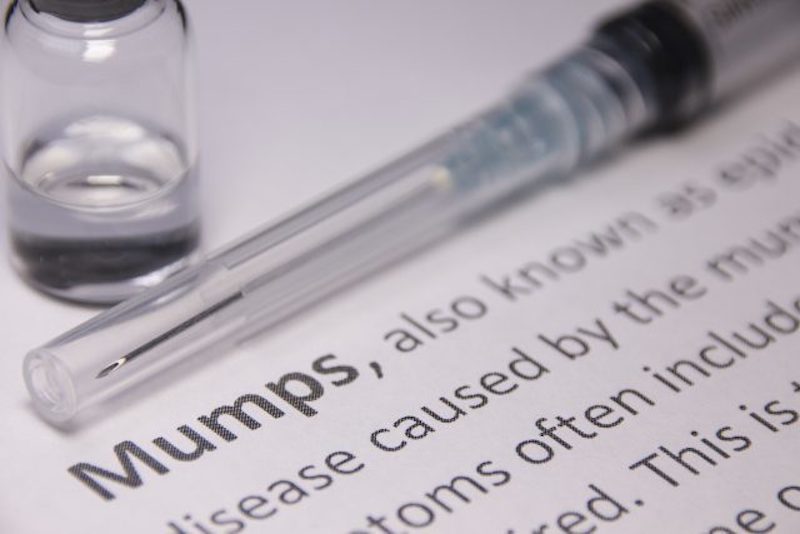
Let's start with the current — under-reported — story of the Merck "mumps" whistleblowers.
In 2010 a pair of former Merck virologists filed suit claiming Merck engaged in mumps research fraud. One of the Merck whistleblower virologist alleged in her 2010 lawsuit the following:"During her employment there [Merck], she witnessed firsthand, and was asked to directly participate in, fraud in a clinical trial relating to the efficacy of Merck's mumps vaccine."In 2012, a clinic and two MD's filed a class action lawsuit against Merck claiming violation of the Sherman Act — monopolistic, anti-competitive behavior resulting from the fraud — and violation of various state laws.
Merck has a full monopoly over the mumps — and MMR — vaccine in the United States being the sole manufacturer licensed by the Food and Drug Administration. 2017 will mark the 50th anniversary of Merck's de-facto exclusive license from the federal government to manufacture and sell a mumps vaccine in the U.S.
How does all this information relate to Harvard's — and any other — mumps outbreaks?
The former Merck virologists stated in their 2010 lawsuit:"The ultimate victims here are the millions of children who, every year, are being injected with a mumps vaccine that is not providing them with an adequate level of protection," And while federal health officials have said the disease was supposed to have been eradicated by now, "the failure of Merck's vaccine has allowed this disease to linger with significant outbreaks continuing to occur."The lawsuits are still ongoing at the moment.
Comment: A good place to start on really making sense of all the data that has come to light over the cell phone = cancer debate is to read about what 15 minutes on your cell phone actually does to your brain and then read the following articles: