Health & WellnessS


Sheeple

Six reasons to sleep on your left side

sleeping woman
By now most people are aware of how getting a solid night sleep is vital for both physical and mental well-being, but you might not be aware of the importance of the position that you sleep in and how that plays a role in your journey for optimal health. According to research that was conducted at the National Sleep Foundation, sleeping on the left side will be your ticket to better health and sleep. Lying on the left side is great for your back, your heart, and your digestive system too. Here are six reasons you should sleep on your left side to the way the organs are positioned while lying down.

Comment: See also:


Document

Disclosures in Nutrition Research

John P.A. Ioannidis
John P.A. Ioannidis
Nutrition research is among the most contentious fields of science. Although the totality of an individual's diet has important effects on health, most nutrients and foods individually have ambiguously tiny (or nonexistent) effects.1 Substantial reliance on observational data for which causal inference is notoriously difficult also limits the clarifying ability of nutrition science. When the data are not clear, opinions and conflicts of interest both financial and nonfinancial may influence research articles, editorials, guidelines, and laws.2 Therefore, disclosure policies are an important safeguard to help identify potential bias. In this Viewpoint, we contend that current norms for disclosure in nutrition science are inadequate and propose that greater transparency is needed, including a broader definition of what constitutes disclosure-worthy information.

Financial conflicts of interest have received substantial attention in nutrition science, particularly conflicts of interest involving the food industry, and for good reason.3 Food represents a huge market so it is logical that the food industry will try to promote its products and influence the scientific literature and opinion making.4 Major distortion may sometimes ensue for both the gathering of evidence and its interpretation.3 A financial disclosure registry may be helpful in understanding how the scientific literature, public policy, and individual and population dietary preferences might be affected. At the same time, the puritanical view that accepting funding from the food industry ipso facto automatically biases the results is outdated.5

Comment: Professor John Ioannidis has a track record of bringing up very good points. One only hopes to see the suggested disclosures from dietary policy makers such as the American Heart Association. In fact, it would be interesting to know how many of them are fervent vegetarians. You can check Prof. Ioannidis bio here. Read also his previous points:

Why Almost Everything You Hear About Medicine Is Wrong
As the new chief of Stanford University's Prevention Research Center, Ioannidis is cementing his role as one of medicine's top mythbusters. "People are being hurt and even dying" because of false medical claims, he says: not quackery, but errors in medical research.
Corruption of science: Mass production of redundant, misleading, and conflicted systematic reviews and meta-analyses
Ioannidis describes meta-analyses as being taken over by industry sponsors and concludes that an estimated 3% of all of these reviews may be useful...

Some fields produce massive numbers of meta-analyses; for example, 185 meta-analyses of antidepressants for depression were published between 2007 and 2014. These meta-analyses are often produced either by industry employees or by authors with industry ties and results are aligned with sponsor interests."...

At best such reviews provide the public with misinformation, at worst they can be dangerous.
'Evidence-Based' Medicine: A Coin's Flip Worth of Certainty
Case in point: in a 2005 essay, "Why Most Published Research Findings are False," and which is the most downloaded document of all time on PLoS, the Public Library of Medicine's peer-reviewed, open access journal, John P. A Ioannidis explains in detail how "It can be proven that most claimed research findings are false." And that "for many current scientific fields, claimed research findings may often be simply accurate measures of the prevailing bias."
Self-destruction of science: Most findings are wrong or useless
A 2015 British Academy of Medical Sciences report suggested that the false discovery rate in some areas of biomedicine could be as high as 69 percent. In an email exchange with me, the Stanford biostatistician John Ioannidis estimated that the non-replication rates in biomedical observational and preclinical studies could be as high as 90 percent.



Cut

How NOT to pop a pimple

wood tools
© peterzsuzsa/Shutterstock
A 23-year-old construction worker used a woodworking blade to remove what he called a pimple on his lower lip, developing a rare fungal infection afterward, a recent report of the man's case revealed. The infection was likely caused by his unusual choice of tools to zap his zit, the report said.

Doctors said they suspect the woodworking blade directly transferred the spores of a fungus called Blastomyces to the man's skin. This resulted in a large, painful, blood-encrusted lesion on the skin beneath the man's lower lip, according to the case report, which was published Nov. 21 in the Journal of Emergency Medicine.

The Blastomyces fungi usually live in moist soil and in decomposing wood or leaves, according to the Centers for Disease Control and Prevention(CDC). In the United States, the fungus is primarily found in Midwestern, South-Central and Southeastern states, the CDC says. [10 Bizarre Diseases You Can Get Outdoors]

People typically become infected with Blastomyces - which causes an infection called blastomycosis - by inhaling the fungal spores, rather than through a cut on the skin. Inhaling the spores leads to a lung infection called primary pulmonary blastomycosis. ("Primary pulmonary" means that the infection started in the lungs.) One common cause of the infection is breathing in spores of the fungus while doing outdoor activities that disturb the soil. Pets, especially dogs, can also get blastomycosis.


The fungal infection usually first causes flu-like symptoms, including fever, cough and muscle aches. From the lungs, the infection can spread to other organs, the most common of which is the skin, where the fungus causes crusty lesions, according to the case report.

But in the recent case, the man did not experience any of these flu-like symptoms, because the fungal spores entered his body through his skin rather than his lungs. His only symptom, in fact, was the noticeable patch of inflamed skin just below his lower lip.

Comment: He may not be the sharpest tool in the shed but at least the blade was sharp. For those some less intrusive ways to deal with acne:


Health

The value of vanilla beans

vanilla beans
Vanilla beans (Vanilla planifolia1) are long thin pods from a variety of orchid that's grown in a commercial scale in Madagascar, India, Indonesia, Puerto Rico and the West Indies.2,3 When opened, the pods are waxy and dark, filled with little brown specks and emit a sweet fragrance.4,5

There are three types of vanilla beans: Bourbon-Madagascar, Mexican and Tahitian. Bourbon-Madagascar vanilla is a thin pod with a rich and sweet flavor, the sweetest of the three.

Mexican vanilla tastes smooth and rich, while Tahitian vanilla has the thickest and darkest-colored pod that's aromatic but not as flavorful as the two.6 Vanilla beans have no flavor or aroma when they are first planted. Once vanilla pods are handpicked from the plant, they are dipped immediately in boiling water to stop growth, heated under the sun and wrapped to sweat at night for up to 20 days.

To develop that distinct vanilla scent and taste, pods are air-dried and fermented for four to six months, producing the vanilla beans most of us are familiar with.

The beans can be sold as they are, or made into paste or powder. Vanilla bean paste is produced by scraping out the vanilla pod and infusing the insides into a thick and sweet syrup made with sugar, water and thickener.7,8 Meanwhile, vanilla bean powder is made from dried and powdered vanilla beans, but without added sugar or alcohol.9

Brain

How to boost your Dopamine levels naturally and reduce depression and anxiety

neuron synapses
Dopamine is the brain's master chemical. This single neurotransmitter is responsible for a plethora of mental and physical processes. By learning how to stimulate your own dopamine levels naturally, you can overcome depression, anxiety, apathy, and fear, while boosting feelings of pleasure created by this amazing little neuron.

Dopamine is what rewards certain behaviors in us so that we do them again, and why certain drugs are so addictive. Cocaine, heroine and other opiates cause a dopamine "super reward" which makes their use highly desirable, until you experience the dopamine crash that comes once the illicit drug is absent from the physiology.

The opiates bind to the opiate receptors in the brain, increasing a dopamine release, but once gone, there is an ever-increasing need for more opiate (or other drug) to induce the same dopamine-high. This is what causes drug addicts to resort to ever increasing, negative behaviors to get their next "fix." The dopamine high is that desirable.

Health

The unraveling of the sugar conspiracy

sugar death
© iStock
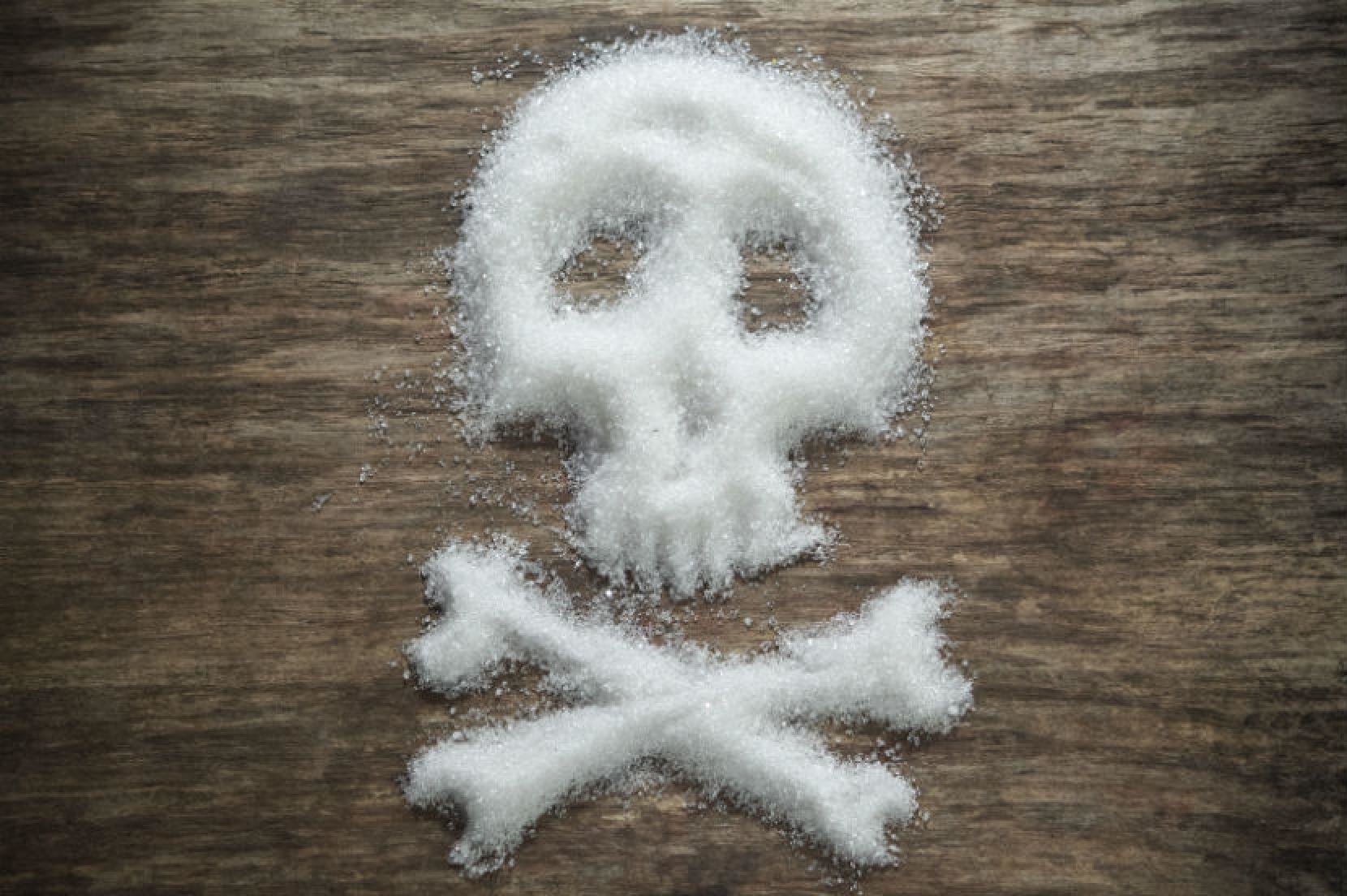
An explosive new study in the PLOS Biology journal confirms three things that independent health researchers have been saying for years:
  1. Sugar-heavy diets are worse for your health than fat-heavy diets.
  2. Researchers have known this fact for decades.
  3. The sugar industry actively covered up the research supporting this fact.
The study-bearing the typically unwieldy title "Sugar industry sponsorship of germ-free rodent studies linking sucrose to hyperlipidemia and cancer: An historical analysis of internal documents"-reads like an unlikely pairing of crime thriller and academic article.

At the heart of this medical thriller lies the mysteriously named "Project 259," a research study which ran from 1967 to 1971 to examine the link between sucrose consumption and coronary heart disease. From the outside, the project, headed by Dr. W.F.R. Pover at the University of Birmingham, appeared to be just another clinical study in nutritional science. It involved a feeding experiment in which lab rats were separated into two groups, one eating a high-sugar diet and the other eating a so-called "basic PRM diet" of cereal meals, soybean meals, whitefish meal, and dried yeast.

Comment: Is Sugar Toxic? You betcha.


Arrow Down

Prescription medication treatment for depression can drive some users to murder and suicide

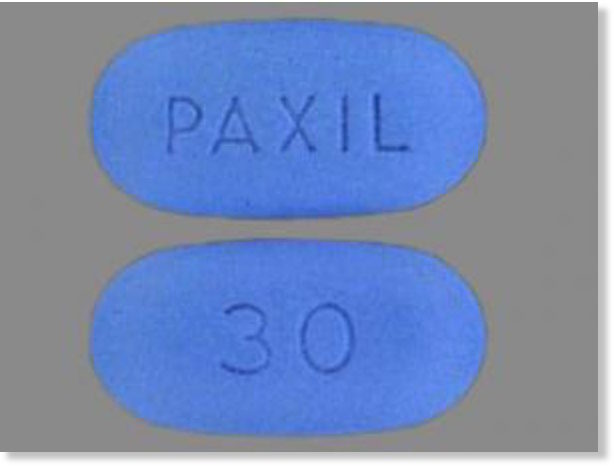
Paxil
After taking GlaxoSmithKline's Paxil for just two days, retired oilman Don Schell brutally murdered his wife, daughter and 10-month-old granddaughter in the middle of the night before turning the gun on himself. The murders, which took place in 1998 in Gillette, Wyoming, shocked neighbors who couldn't understand why Schell, who had no history of violence, appeared to have spontaneously killed the people in his life he loved the most.1

The bodies were discovered the following afternoon by Tim Tobin, the husband of Schell's daughter Deb. After overcoming the shock of discovering such a gruesome scene, Tobin and other family members started to piece together what may have happened. The only thing that stood out was that Schell, who was a doting grandfather, had started taking Paxil just two days before the killings. At the time of the killing, he had taken just two tablets.

Could Paxil have been responsible for driving Schell to murder his family? The featured film, "The Secrets of Seroxat," explores the dark and tormenting side-effects of Paxil (known as Seroxat in the U.K.) and GSK's attempt to conceal the drug's negative effects.


Comment: As we learned from the tragic suicide of musician Chris Cornell, Ativan is another SSRI that could very well be leading individuals to destructive thoughts and behavior.

See also:


Pills

Antipsychotics nearly triple the risk of major cardiovascular events such as stroke and heart attack

Big Pharma
© Pexels
A new study published in the fall of 2017 in the Journal of Clinical Psychiatry shows that certain antipsychotics nearly triple the risk of major cardiovascular events in adult patients, compared to those antipsychotics with lower metabolic side-effect profiles. The researchers examined 1,008 adults age 30 and older who were initiated on antipsychotics between 2002 and 2007. Each patient was followed from the time they started the medications until the end of the study period (December 31, 2013) or until they developed a cardiovascular event, died, or disenrolled from their health plan.

The antipsychotics prescribed were separated into three categories-low, intermediate and high-risk-based on the severity of their side effect profile on causing weight gain, increasing lipids and raising glucose levels.

The high-risk drugs were: Thioridazine (Mellaril), olanzapine (Zyprexa) and clozapine (Clozaril).

Comment: This is only the tip of the iceberg:


Brain

Smartphone addiction wreaks havoc in teenage brains

smartphone junkies,handy sucht
People who are constantly checking their phone, social media or are watching cat and bunny videos may be suffering from serious addiction, a new study suggests.

Smartphone addiction harms mental health especially in teenagers, according to a new research by scientists from the Korean University in Seoul, South Korea.

Dr. Hyung Suk Seo has warned that there's more danger in this addiction than just the potential wastage of time sharing memes and viral videos.

"Teens who are addicted to their phones and the Internet have a chemical imbalance in their brains that predisposes them to depression and anxiety," Medical News Today reported the hypothesis of the scientist.

Comment: Switch to a 'dumbphone' and prepare to be surprised of the cognitive improvement you'll see.


Magnify

A scientist explores the mysteries of the gut-brain connection

gut brain connection
© Sacha Vega/iStock
The brain in your head and the one in your gut are always exchanging info. But how do they do it? Neuroscientist Diego Bohórquez is trying to find out the answers.

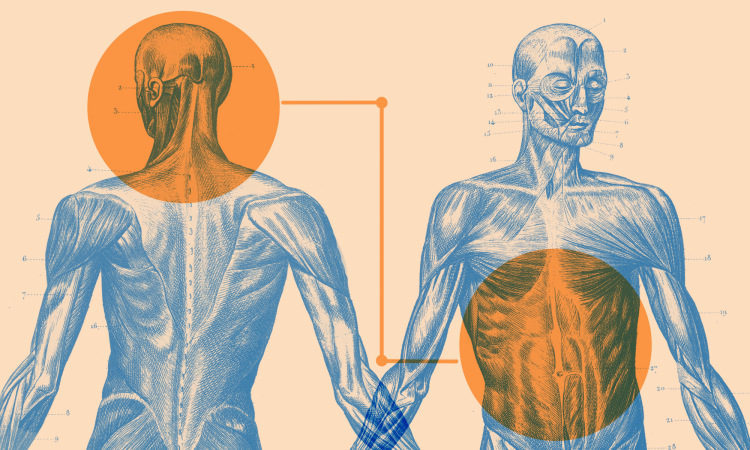
If you were asked where the human body's nervous system is located, you'd probably answer "the brain" or "the spinal cord." But besides the central nervous system, which consists of those two organs, our bodies also contain the enteric nervous system, a two-layer lining with more than 100 million nerve cells that spans our guts from the esophagus to the rectum. The enteric nervous system has been called "the second brain," and it's in constant contact with the one in our skull. That's why just thinking about food can lead your stomach to start secreting enzymes, or why giving a speech can lead to your feeling queasy.

Until recently, scientists thought the two systems communicated solely via hormones produced by enteroendocrine cells scattered throughout the gut's lining. After sensing food or bacteria, the cells release molecular messengers that prompt the nervous system to modulate behavior. But it turns out the process may be much more direct. Intriguingly, Duke University gut-brain neuroscientist Diego Bohórquez, a TED Fellow, has found that some enteroendocrine cells also make physical contact with the enteric nervous system, forming synapses with nerves. This revelation opens the door to rethinking how we might affect these signals - and might someday change how we treat conditions as varied as obesity, anorexia, irritable bowel syndrome, autism and PTSD.

Comment: It seems that the brain literally encompasses our whole body. See also: