Health & WellnessS


Question

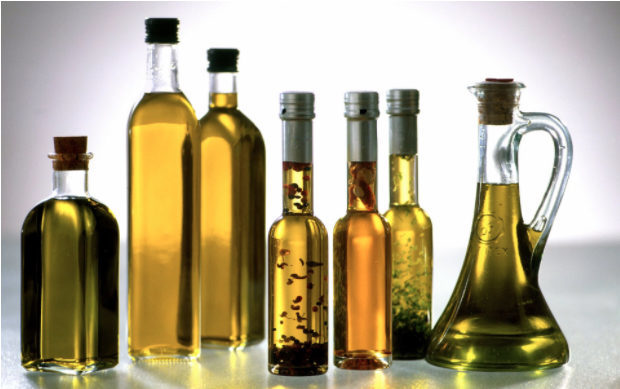
What's up with all the new-fangled cooking oils?

cooking oils
I often get questions about all these new-even new-fangled-oils like grape seed oil, rice bran oil, hemp seed oil and argan oil. Other oils new to the scene include avocado oil and camelina oil. Do they have any health benefits, and should we use them in cooking and food preparation?

To answer these questions, let's begin by looking at the fatty acid profiles. Remember that we want to avoid oils too high in omega-6 fatty acids. Ideally the level of omega-6 should be less than 15 percent, and the balance of omega-6 to omega-3 should be two or three to one.

Cow

Thanks to Big Ag, the 'organic' label might not mean what you think

cows
© Getty
The integrity of the Organic Standards is in jeopardy. With my five-year term on the National Organic Standards Board (NOSB) just completed, I am concerned about the future of the USDA Organic Seal.

The interests of big business and industrialized agriculture are having an outsized and growing influence on the organic standards, compared to the waning influence of organic farmers, who started the organic farming movement. Perhaps that is not surprising.

As organic food is becoming a $50 billion business, big business not only wants a bigger piece of the pie, they seem to want the whole pie.

We now have "organic" Concentrated Animal Feeding Operations (CAFOs) for chickens, with as many as 200,000 chickens crammed into a building with no real access to the outdoors.

Comment: Has 'Organic' Been Oversized?
"In some ways, organic is a victim of its own success," says Philip H. Howard, an assistant professor at Michigan State University, who has documented the remarkable consolidation of the organic industry. Organic food accounts for just 4 percent of all foods sold, but the industry is growing fast. "Big corporations see the trends and the opportunity to make money and profit," he says.

Big food has also assumed a powerful role in setting the standards for organic foods. Major corporations have come to dominate the board that sets these standards.

As corporate membership on the board has increased, so, too, has the number of nonorganic materials approved for organic foods on what is called the National List. At first, the list was largely made up of things like baking soda, which is nonorganic but essential to making things like organic bread. Today, more than 250 nonorganic substances are on the list, up from 77 in 2002.


Syringe

Crunching the vaccine numbers: How many shots are on the CDC schedule?

vaccines
World Mercury Project gets questions about the number of vaccines given to young children in America today. Different articles cite different numbers and the totals can be confusing. This article and chart are designed to clarify the vaccine schedule and explain why the numbers may not always "add up." To be accurate, wording about total numbers of vaccines should include phrases like, "may receive up to" or "typically" or "between X and Y" number of vaccines. The individual numbers for any given child will vary depending on the specific vaccines used in his pediatrician's practice or clinic.

Health

Which essential oils can help cold, cough and congestion?

essential oils colds
A cough combined with nasal congestion is, simply put, annoying. These symptoms often accompany the common cold, but they also occur with allergies.

An alternative to sugary cough syrups, one can use essential oils like lemon, frankincense, lavender, etc, as a vapor rub or as a cough syrup.

A holistic-minded medicine cabinet may be the place to go to for cough and cold relief. Aromatic oils and plants have been used for thousands of years in medicine and religion.

Various ancient cultures have used essential oils, including Egypt, India, China, and Southern Europe. Aromatic, or essential, oils can be found in various parts of a plant including the root, leaves, flowers, bark, wood, seeds, resin, and balsam.

Essential oils are also called volatile oils or ethereal oils. These oils provide the "essence" of the plant's fragrance, as well as a specific flavor. For example, the essential oil of a lemon or an orange is not difficult to identify-we can easily recognize the citrus scent.

Health

Vitamin C's antioxidant power could help Alzheimer's patients

Vitamin C
© The Urban Clinic
Early clinical features of sporadic Alzheimer's disease include alterations in mitochondrial function that appear prior to classical features. Mitochondrial dysfunction increases the production of reactive oxygen species (ROS), which then drive the production of Amyloid beta, creating a vicious cycle accelerating Alzheimer's pathology. Vitamin C is an effective antioxidant and thus, could be protective against disease pathology.

Fiona Harrison, Ph.D., and colleagues used mouse models to examine the effects of Alzheimer's-linked mutations and vitamin C deficiency on mitochondrial function.

Comment: More on the power of Vitamin C:


SOTT Logo Radio

SOTT Focus: The Health & Wellness Show: Consumerism is Consuming Us!

Image
It's that time of year again! The holiday season is upon us and for many so is the pressure to shop. Gotta find that perfect present? Maybe a little something for yourself?

What drives our desire to shop? Are we manipulated by the sophisticated propaganda of advertising? Does a seductive media convince us with its illusion of consumer happiness?

Consumption means acquiring and using goods and services to meet one's needs, yet consumerism is our particular (and peculiar) relationship to consumption, in which we seek to meet our emotional and social needs through shopping, defining and demonstrating our self-worth through the stuff we own. Does this sound like the basis of a happy and fulfilled populace?

Join us on The Health and Wellness Show as we discuss consumerism: the consumption that is consuming us. How can we navigate our daily lives without buying into the lies that we are exposed to every moment of the day? And stay tuned for Zoya's Pet Health Segment, where she talks about the psychic power of pets!

Running Time: 01:36:11

Download: MP3


Attention

Canola oil linked to brain damage, worsened memory and learning disability in Alzheimer's

vegetable oil
Canola oil is one of the most widely consumed vegetable oils in the world, yet surprisingly little is known about its effects on health. Now, a new study published online December 7 in the journal Scientific Reports by researchers at the Lewis Katz School of Medicine at Temple University (LKSOM) associates the consumption of canola oil in the diet with worsened memory, worsened learning ability and weight gain in mice which model Alzheimer's disease. The study is the first to suggest that canola oil is more harmful than healthful for the brain.

"Canola oil is appealing because it is less expensive than other vegetable oils, and it is advertised as being healthy," explained Domenico Praticò, MD, Professor in the Departments of Pharmacology and Microbiology and Director of the Alzheimer's Center at LKSOM, as well as senior investigator on the study. "Very few studies, however, have examined that claim, especially in terms of the brain."

Comment: The undeserved halo for canola oil in mainstream circles is finally coming to an end! See also:


Pills

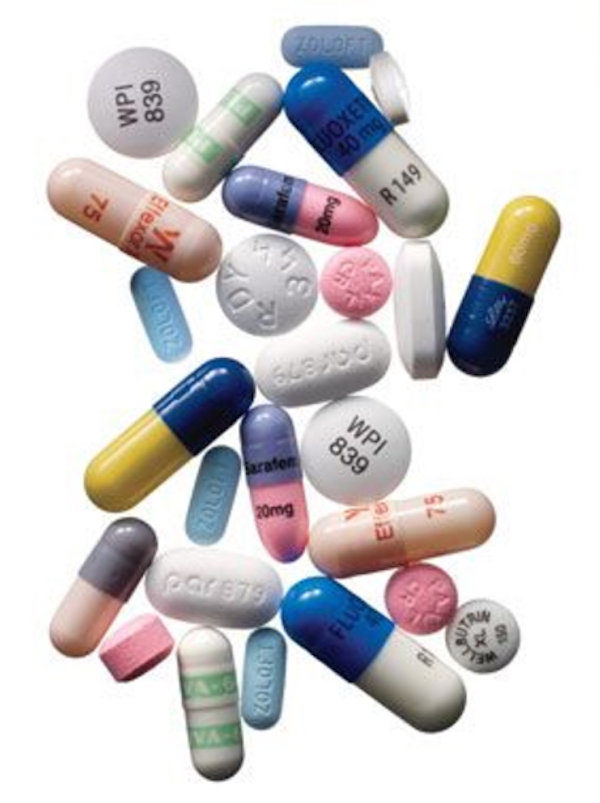
One reason why antidepressants fail

antidepressants
Antidepressants only work for around 50% of people.
Whether or not antidepressants work depends on how doctors present them to patients, new research finds.

Three times as many people respond to antidepressants when they believed in the drug, the study found.

The way antidepressants are presented to people who are depressed or anxious, therefore, could be just as important as any actual effect the drug may have.

For the study a group of people were given escitalopram, known commercially as Lexapro and Cipralex, among other names.

It is a standard SSRI antidepressant also used to treat anxiety and panic.

Comment: Placebos and nocebos aside, another reason that antidepressants don't work over the long term is science's ultimate lack of knowledge of how the brain really works and their reliance on a pill to fix what they don't know. Add in the medication side effects of worsening depression, suicidal thoughts and behaviors and you've got a recipe for disaster.


Microscope 2

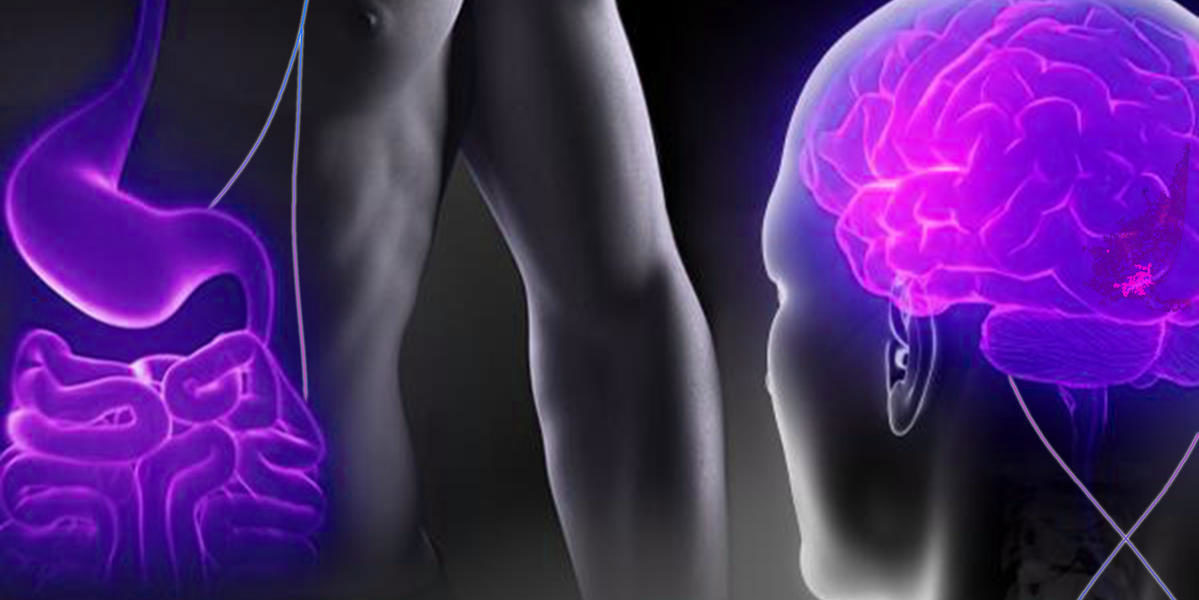
Biologists show how to shut off hunger 'alarm system'

gut brain connection
© Sam AlhadeffResearchers at Penn identified a connection between the gut and brain that acts to reduce an animal's drive to eat. Targeting the neurons involved in this "hunger alarm system" could provide a strategy to treat obesity.
Imagine you're in a restaurant, hungry, anxious and a bit irritable awaiting your food order to arrive at the table. The server exits the kitchen with a tray full of steaming plates and a flood of relief washes over you. But the server ferries the food right past you to another table, and the unpleasant sensation of hunger returns - at least until you take the first bite of your very own meal.

With a new study, researchers at the University of Pennsylvania have explained the biological mechanism behind these hunger-driven highs and lows. While the mere sight or smell of food can temporarily turn off neurons responsible for the drive to eat, they showed that the neurons only stay off if the brain receives a signal from the stomach that calories have been ingested.

"When these neurons are firing, they're basically telling you, 'You'd better go get food; you're starving,'" said J. Nicholas Betley, assistant professor in the Department of Biology in Penn's School of Arts and Sciences. "They're a sensitive alarm system. And what this study conclusively demonstrated is that nutrients are the primary regulators of this alarm system."

Furthermore, Betley's team determined that giving mice a combination of hormones normally released during digestion significantly calmed the activity of these neurons, pointing to a potential therapeutic strategy for reducing overeating and obesity.

Comment: See also: Researchers discover how to turn off "hunger alarm system", leading to hopes for obesity sufferers


People

Has the human race reached its physical peak? Scientists warn this is as good as it gets for mankind

dumbell workout
© Stone Sub
The human race has peaked, with mankind reaching its maximum limits for height, lifespan and physical performance, scientists have claimed.

Despite stories that each generation will live longer and longer, a new report suggests there may be a maximum threshold to our biological limits that we cannot exceed.

In particular, the French research team behind the study found what appears to be a plateau in the maximum biological limits for humans' height, age and physical abilities.

Comment: It would be interesting to know how the scientists reached this conclusion. Considering how little we know about the human genome and the burgeoning field of epi-genetics, it seems a little arrogant to be making declarations about peak human potential.