Health & WellnessS


Health

How stress can make you pile on the pounds

belly measurement
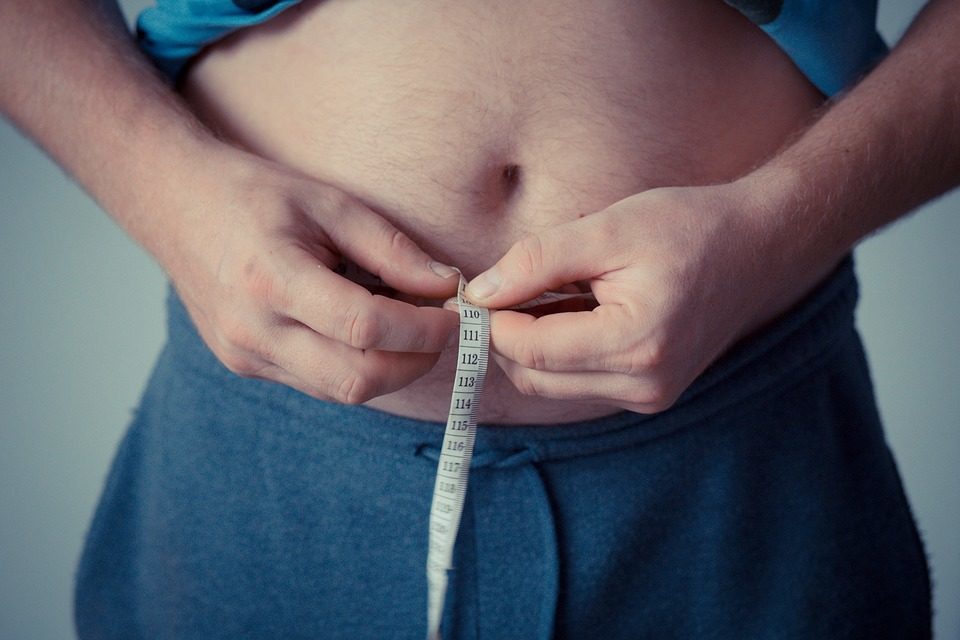
Are you stressed out? Is it hard for you to lose weight? Is there excess fat hanging around in your belly area?

If you answered yes to those questions, exploring the relationship between those problems is crucial to your health and well-being.

And even if you didn't answer yes to all three questions, it is important to understand how stress can harm your body.

That's because your body's main stress hormone - cortisol - can rise to damaging levels when you experience stress.

Cortisol (a steroid hormone) helps fuel the fight-or-flight response - the psychological loop that fires you up to fight or run for your life when facing danger.

Think of it as your body's built-in alarm system. When you are faced with immediate danger, increases in cortisol help you respond. The hormone works with certain parts of your brain to control your mood, motivation, and fear.


Bacon n Eggs

Minimal carbs, lots of fat, incredible dieting results - but not enough science

bacon
I first tried the infamous Atkins diet 20 years ago, not as a New Year's resolution but as an experiment in participatory journalism. I was a correspondent for the journal Science, investigating the questionable research implicating saturated fat in heart disease. An economist at the Massachusetts Institute of Technology told me that his collaborator's father had lost 200 pounds on the notoriously fat-rich Atkins diet and that he had lost 40. "If you're investigating fat," he said, "you have to try Atkins."

I wasn't obese, but I was pushing middle age and gaining two pounds a year despite all my best intentions. I was eating a very low-fat diet, as per the dietary zeitgeist of the era, and working out religiously, largely motivated by the belief that if I burnt enough calories, I could eat to satiety and still stay lean.

It wasn't working. Getting ever fatter seemed my fate - the best I could do.

So I did my Atkins experiment. I lived on eggs and bacon, steak and chicken and fish and cheese and butter and copious green vegetables. (On Atkins, I joked, bacon and butter are health foods.)

I lost 25 pounds in three months. I even cut back my workouts because I was losing weight effortlessly while eating what seemed like copious amounts of food. The experience was both gratifying and fascinating - precisely what you want from such an experiment.

It came with a catch, though: I didn't know if I was killing myself.

Comment: See also:


Evil Rays

The negative health effects of EMF and how to reduce exposure

EMF brain
The negative effects of electromagnetic fields (EMFs) continue to ignite conversations and controversy worldwide. The most dangerous pollution affecting you is the invisible sea of EMFs your body swims in daily. You are exposed to EMFs all day long, not only in public but inside your home, too. Most of the radiation emits from cellphones, cell towers, computers, smart meters and Wi-Fi, to name just a few of the culprits.

While it's nearly impossible to avoid EMF exposure completely, there are practical ways to limit it. Given the number of EMFs that bombard you all day long, getting educated about the negative effects of EMFs is imperative to your well-being. Particularly if you are dealing with a serious illness, it is well worth your time to reduce your EMF exposure as much as possible. If you have been told EMFs are safe and not a danger to humans, you may want to consider:
  • The telecommunication industry has manipulated federal regulatory agencies, public health authorities and professionals through powerful and sophisticated lobbying efforts leaving consumers confused and unaware of the health risks associated with EMFs
  • Any negative health effects from EMFs, similar to smoking, may not be immediately noticeable, but will likely develop gradually over time. Cell phones indeed are the cigarette public health threat of the 21st century.

Comment: See also:


Heart

Ground, balance and energize - how to cultivate a healthy psoas

psoas
© yogainternational.comMeet the Psoas
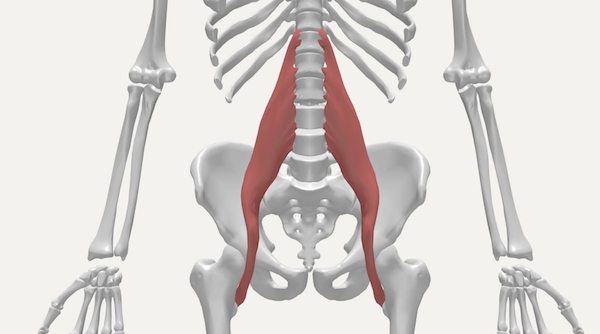
You may never have heard of the psoas muscle, and yet, it deeply affects not only structural balance, flexibility, strength and organ functioning, but also our emotional stability, level of energy and overall health. In fact, the psoas influences everything from lower back pain and anxiety, to full body orgasms and pure pleasure. It is a supple, juicy dynamic muscle. [source].

According to yoga therapist and author Liz Koch, the psoas is much more than a stabilizing muscle, it also has a strong impact on our day-to-day emotional well-being and physical vitality. She believes the psoas is a bio-intelligent tissue that literally embodies our deepest urge for survival, and more profoundly, our elemental desire to flourish. It's an emotional muscle that communicates what we are feeling deep within the belly core - otherwise known as "gut feelings." When this area of the body is tight and contracted, a range of painful conditions, both emotionally and physically, can arise.

Hearts

Essential touch: Research finds level of affection given to a baby physically affects their DNA

baby DNA
When a mother holds her baby, she doesn't exactly quantify her reasoning for doing so. It's just an instinct. But in a world where everything is increasingly analyzed, taken apart, quantified and measured, a failure to understand the necessity of something that is instinctual could lead to disaster.

In other words, a person may know something is important, but without scientific evidence for why it is important, their decision might be frowned upon by authorities who increasingly try to exert influence over people's lives.

Now thankfully, there is more quantifiable evidence that proves babies are affected down to the molecular level in their DNA by receiving more or less affection. Such evidence could be cited in court cases.

Comment: Read more about the importance of touch:
"We now know the best protection from infection [for the baby] is to be colonised by its mother's bacteria. We also know the best thing for its brain development is skin-to-skin, the best way to maintain blood sugar levels so it doesn't get hyperglycaemic is skin-to-skin. And what we didn't know in 1988 was that there are a whole set of nerves on the baby's chest and on the mother's chest that only get stimulated by skin-to-skin contact, which send oxytocin messages to the baby's brain."


Apple Green

The 'gene silenced' apple is coming - how will consumers know the difference?

Okanagan Specialty Fruits Inc.
© Okanagan Specialty Fruits Inc.A conventional apple vs. the Arctic Apple on the right.
Will you know it when you see it at the grocery store?

The Arctic Golden apple, the first genetically modified apple available to consumers, is making its way to grocery store shelves. I'm an apple loyalist-I pack one as an after-lunch snack nearly every day of the week. So I jumped at the chance to sample this new version of the fruit at a fall event hosted by the environmental technology think tank the Breakthrough Institute in San Francisco. The apple was crisp and mildly sweet, and pretty much tasted to me like any normal Golden Delicious apple. But there was one difference: When I let a slice sit on my plate for half an hour, it never turned brown.

Comment: It is becoming more and more obvious that American consumers are being bombarded with more products they don't want or need! Reread Neal Carter's claim; "The genetic engineering approaches we have used are well established and have been meticulously studied for many years." Notice that Carter neglects to say if the 'safety of genetic engineering has been well established'. An apple that doesn't brown, contains plant pathogens and can lead to antibiotic resistance sounds problematic!
Laboratory modification turns off the enzyme that produces browning. This trait is created with tiny pieces of apple leaves, a medium containing the antibiotic kanamycin, and Agrobacterium tumefaciens - an important plant pathogen in bioengineering due to its ability to transfer a defined segment of DNA into a plant to generate a desired effect.

"All of these elements are found in nature, and carefully put together by scientists with lots of initials after their names," states the Arctic Apple website.

Grown in Washington state and New York field trials for over a decade, Arctic is probably the most researched apple in history, but the new fruit already has critics. The Cornucopia Institute warns that because Arctic tree cells are resistant to a common antibiotic, it could contribute to antibiotic resistance beyond the orchard.


Pills

Pregnant women who take ADHD drugs more likely to have babies with heart deformities and other birth defects

ritalin

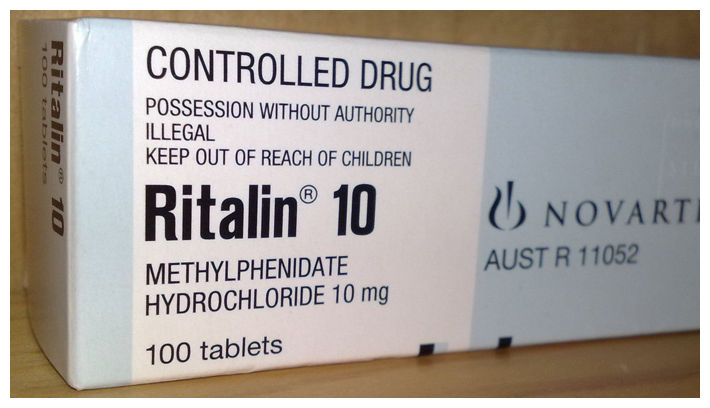
Pregnant women who take drugs like Ritalin and Concerta for attention deficit hyperactivity disorder (ADHD) are more likely than those who don't to have babies with heart deformities and other birth defects, a recent study suggests.

Researchers examined data on more than 1.8 million pregnancies in the U.S., including 2,072 women who used methylphenidate (Ritalin, Concerta, Daytrana) and 5,571 who took an amphetamine (Adderall) during their first trimester.

Overall, women who took methylphenidate were 11 percent more likely to have a baby with birth defects and 28 percent more likely to have infants with heart malformations than women who didn't take stimulants for ADHD during pregnancy.

There was no increased risk of birth defects in general or heart malformations specifically with amphetamines like Adderall, the researchers found.

Comment: Better safe than sorry...even though the authors of the study claim the 'absolute risk is small', given the number of other reported side effects from such drugs it would be prudent to find alternative solutions:


Ambulance

California flu epidemic: Pharmacies running out of medicines, ERs are packed and death toll is rising

California flu epidemic 2018
© Allen J. Schaben / Los Angeles TimesAdriana Gudinoperez, of Garden Grove, a patient with flu symptoms, looks at a nurse after being given ibuprofen in the emergency room at St. Joseph Hospital in Orange on Friday.
So many people have fallen sick with influenza in California that pharmacies have run out of flu medicines, emergency rooms are packed, and the death toll is rising higher than in previous years.

Health officials said Friday that 27 people younger than 65 have died of the flu in California since October, compared with three at the same time last year. Nationwide and in California, flu activity spiked sharply in late December and continues to grow.

The emergency room at UCLA Medical Center in Santa Monica typically treats about 140 patients a day, but at least one day this week had more than 200 patients - mostly because of the flu, said the ER's medical director, Dr. Wally Ghurabi.

"The Northridge earthquake was the last time we saw over 200 patients," Ghurabi said.

Comment: The flu virus has taken hold across the nation with at least 36 states showing widespread influenza levels. Don't pay attention to the vaccine hype, there are far better ways to improve your natural immunity such as getting enough quality sleep, avoiding sugar, and keeping your Vitamin D levels optimized.


Health

One FDA scientist could end the autism epidemic

man on beach
One guy could end all the madness. Really.

In a brand new published study, the only science vouching for the "safety" of injected aluminum adjuvant has come under extreme criticism by heavyweight scientists. Dr. Robert J. Mitkus - author of the misleading aluminum safety study from 2011 - could change the autism debate forever by telling the truth.


BY J.B. Handley January 5, 2018

While you were (hopefully) enjoying the winter holidays, a study was published in the Journal of Inorganic Biochemistry (it went online on December 27th) that could change the autism debate permanently. In fact, this new study placed the burden of proof for the safety of aluminum adjuvants used in vaccines so squarely on the shoulders of a lone FDA scientist - Dr. Robert J. Mitkus - that he alone could permanently change the outcome of the autism debate. Forever.

SOTT Logo Radio

SOTT Focus: The Health & Wellness Show: The Smarter Your Phone, The Dumber Your Brain

Image
There are estimated to be over 200 million smartphone addicts worldwide and 46% of Americans say that they can't live without their smartphones. Mobile phones were initially an adjunct to the home phone, useful for emergencies while out on the road, but have morphed into an ever-present source of addiction for children and adults alike. Users check their phones up to 85 times a day, interact more with their phones than they do with other people and live in a state of continuous distraction. Warnings of the dangers of smartphone overuse have fallen on deaf ears as the technology has invaded every aspect of life. Researchers are finding that as we become more dependent on smartphone apps our cognitive capacities weaken considerably and we are left dumbed down, moody and distanced from reality.

Join us on this episode of The Health and Wellness Show where we discuss the dumbness of smartphones (and their owners) and if society can ever turn back after Pandora's smartphone has been unboxed.

Also stay tuned for Zoya's Pet Health Segment where she discusses the use of a common cooking spice as a solution for dog's itching.

Running Time: 01:20:05

Download: MP3