Health & WellnessS


Wine n Glass

Study finds alcohol damages DNA of stem cells, enhancing the risk of cancer

alcohol
© Kim Kyung Hoon / Reuters
Alcohol causes irreparable damage in the DNA of stem cells, enhancing the risk of developing cancer, and costing some hard drinkers "more than just a hangover," British scientists say.

Researchers at the MRC Laboratory of Molecular Biology, Cambridge, gave diluted alcohol (ethanol) to mice. Afterwards they used chromosome analysis and DNA sequencing to study the genetic damage caused by a harmful chemical (known as acetaldehyde) produced when the body processes alcohol.

Scientists discovered that acetaldehyde can break and damage DNA within blood stem cells, causing rearranged chromosomes as well as permanently altering the DNA sequences within these cells.

Researchers highlighted the importance of understanding the DNA blueprint within stem cells citing one simple reason: when healthy stem cells are corrupted, they can give rise to cancer. Their findings demonstrate how drinking alcohol boosts the risk of developing 7 types of cancer, including the most common types - breast and bowel.


Ambulance

Trehalose, a popular sugar additive, may have fueled the spread of two strains of C. difficile superbug

Clostridium difficile
© Centers for Disease Control and PreventionA widely used sugar additive called trehalose may have contributed to the emergence of two hyper-virulent strains of the bacterium Clostridium difficile, above.
Two bacterial strains that have plagued hospitals around the country may have been at least partly fueled by a sugar additive in our food products, scientists say. Trehalose, a sugar that is added to a wide range of food products, could have allowed certain strains of Clostridium difficile to become far more virulent than they were before, a new study finds.

The results, described in the journal Nature, highlight the unintended consequences of introducing otherwise harmless additives to the food supply.

C. difficile is a nasty bacterium - infection can result in severe diarrhea and death - and numbers among the most prevalent hospital-acquired infections in the United States. According to the Centers for Disease Control and Prevention, nearly half a million people were sickened by the bug in 2011. Some 29,000 of those patients died within 30 days of being diagnosed with C. difficile, and about 15,000 of those deaths were directly linked to the infection.

Comment: What isn't mentioned in the article is that the sugar trehalose is on the list of 100 GMO ingredients found in processed foods. While this likely had something to do with the lowered cost of production of trehalose, it's unknown whether this had anything to do with the rise of C. difficile.

See also:


Brain

Connections matter: Study reveals link between intelligence and connectivity in different regions of the brain's network

brain interconnectivity intelligence
A new brain mapping technique has revealed a link between a person's intelligence and how well his or her brain regions are connected, according to a new study published in the journal Neuron.

Scientists have been making great strides in mapping the human brain in an effort to understand how it relates to human behaviors, intelligence, and mental health disorders.

Now, an international team of scientists at the University of Cambridge in the U.K. and the National Institutes of Health (NIH) in the U.S., has shown that it is possible to build a map of neural data, which they call the "connectome," by analyzing conventional brain scans taken with a magnetic resonance imaging (MRI) scanner.

Comment: Further reading:


Alarm Clock

Study confirms the next generation of RNA interference GM foods may seriously compromise the genetic integrity of our species

GMO foods
A new study titled, "Detection of dietetically absorbed maize-derived microRNAs in pigs," adds fuel to the fire of the growing controversy surrounding the EPA's recent and conspiculously underreported approval of Monsanto/Dow's RNA interference (RNAi) corn - a new type of genetically modified organism comprised of a multitude of genetically engineered traits (and therefore health risks) destined to make it to people's dinner tables by the end of this decade.

The Biotech/Chemical industry's new RNAi corn was quietly rubber stamped by the EPA on June 15th of this year under the premature, and likely patently false assumption that the RNA interference molecules in the maize can not directly affect the gene expression of those animals or humans who eat it.

Info

The most common vitamin and mineral deficiencies

cure joy
© curejoy.com
Even when you eat a balanced, whole-food diet similar to the one presented in my nutrition plan, you may still fail to get the right balance of vitamins and minerals your body needs for optimal health. Because many factors contribute to your body's ability to derive nutrients from the food you consume, you may eat a healthy diet and still lack proper nutrition.

Changes in animal feed, climate, farming and food-processing methods, soil conditions, water quality and weather patterns, as well as increased use of genetic engineering and toxic pesticides, can have a negative effect on the quality of food available.

Your age, genetics and health conditions such as digestive issues also impact your body's ability to absorb nutrients from your food. Often, vitamin and mineral deficiencies can be difficult to identify because you may not develop symptoms until the deficiency has become quite pronounced.

Life Preserver

UK woman who battled blood cancer for years halts disease by treatment with turmeric

Dieneke Ferguson blood cancer turmeric
Dieneke Ferguson had been diagnosed with the blood cancer myeloma in 2007 and had undergone three rounds of chemotherapy as well as four stem cell transplants.
A woman who battled blood cancer for years without success finally halted the disease with turmeric, it has been reported.

Dieneke Ferguson is now leading a normal life after giving up on gruelling treatments that failed to stop it.

Doctors say her case is the first recorded instance in which a patient has recovered by using the spice after stopping conventional medical treatments.

With her myeloma spreading rapidly after three rounds of chemotherapy and four stem cell transplants, the 67-year-old began taking 8g of curcumin a day - one of the main compounds in turmeric.

The cancer, which has an average survival of just over five years, was causing increasing back pain and she had already had a second relapse.

Comment: There has been considerable research supporting the efficacy of turmeric in treating cancer and many other health challenges:


Binoculars

Humans can spot small signs of sickness at a glance, only hours after infection

cold flu
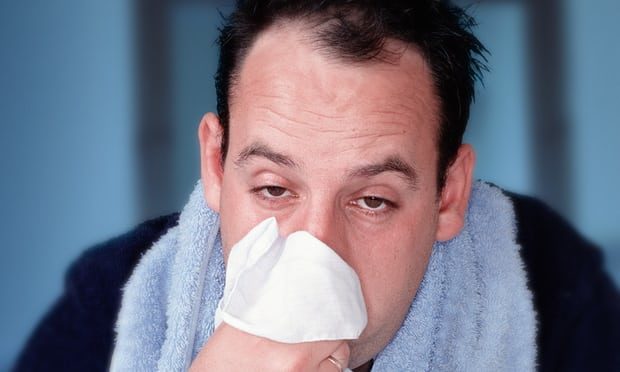
© Alan Thornton/Getty ImagesObvious signs of illness such as sneezing and coughing are easy to spot, but more subtle cues such as pale lips or droopy eyelids may help humans to tell when another person is sick.
Humans may use a host of facial cues - visible just hours after an infection starts - to avoid contracting illnesses from others, study indicates

Coughing, sneezing and clutching the stomach might be obvious signs of sickness, but humans can also spot if someone is healthy simply from a glance at their face, new research suggests.

Scientists have found that signs of a person being acutely unwell - such as pale lips, a downward turn of the mouth and droopy eyelids - are visible just hours after an infection begins.

"We use a number of facial cues from other people and we probably judge the health in other people all the time," said John Axelsson, a co-author of the research and a professor at the stress research institute at Stockholm University.

Comment: Very interesting research. It goes to show that we humans have a very sophisticated system of reading facial cues for gathering all sorts of information we're usually completely unaware of. See also:


Pills

Testing new diabetes drug, scientists find possible Alzheimer's treatment

Alzheimer
© PeteLinforth/Pixabay
Although their goal was to cure diabetes, scientists may have stumbled onto a new medication to help treat the devastating effects of Alzheimer's disease.

According to a press release from researchers at Lancaster University, a new drug being tested for diabetes patients was found to have "significantly reversed memory loss" in test subjects and is now being examined as possible treatment for neurodegenerative disorders.

The medication, known as a triple receptor drug - or "triple agonist" - reportedly works in multiple ways to protect the brain against degeneration and promote growth. Researchers say that a study of mice being given the drug found that the animals had an increased ability to learn and retain memories.

Comment: As mentioned in the article, this isn't the first time a connection between Alzheimer's and diabetes has been theorized/discovered. While it may require a discovery through testing medications to get the mainstream medical establishment on board, those studying the effects of the modern diet on multiple disease states are ahead of the curve and have more holistic (and likely more effective), dietary interventions on offer.


Syringe

Unvaccinated Australian children are now banned from daycare

curious child
Unvaccinated children in Wagga Wagga will not be allowed to enter daycare as part of Australia's draconian "no jab, no play" policies. Australia does not hold the pretense of incrementally removing exemptions but openly wants to ferret out anyone who remains unvaccinated even calling parents "so-called conscientious objectors."

Not only are there harsh fines for daycare directors who do not enforce the government's mandatory vaccine regime, but anyone who falsifies a vaccine certification will face penalties as well. Only children with medical exemptions are allowed daycare entry, but those are rarely given. See: Government Agencies ACTUALLY Admit Poisoning By Vaccines In ICD-9

Wagga Wagga (called Wagga) is a major regional city in the Riverina region of New South Wales, Australia and boasts the highest childhood vaccination rate with one-year-olds having a 95% vaccination rate.

Comment: Vaccinated children should have nothing to fear from their non-vaccinated peers, right? If Australia really wanted to be logical they would ban vaccinated children from schools.


Health

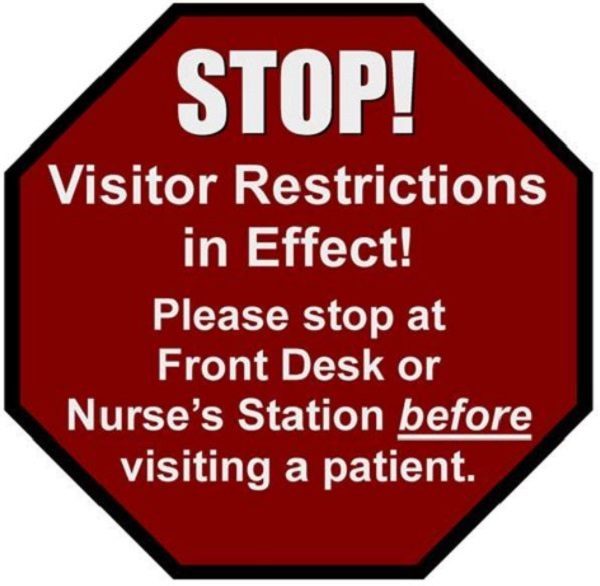
Flu hype nothing-burger: Minnesota hospitals enact visitor restrictions to reduce spread of illness

visitor restriction
The flu is now considered "widespread" across Minnesota.

In other words, the flu virus has been reported at hospitals all over the state.

Many hospitals are placing restrictions on visitors to stop the spread.

"We're seeing people with body aches, headaches, high fevers, sore throat, cough, wheezing," said Dr. Bjorn Peterson.

Emergency rooms across the state are dealing with an increase in the number of people seeking relief from flu-like symptoms.

Doctors at Regions Hospital in St. Paul say they see more than 30 people a day who just don't feel good.

"The hospital itself is seeing on average 10 patients a day that are hospitalized for flu-symptoms," Peterson said.

The numbers are why the Minnesota Department of Health has declared influenza and respiratory illness widespread, which means hospitals will be placing restrictions on visitors to protect patients and staff.

Comment: Flu hype, otherwise known as one big advertisement for flu shots, happens every year around this time. The hype is inevitably followed by announcements that the flu shot is nowhere near as effective as Big Pharma hoped. The 2015-2016 shot was deemed only 18% effective for adults and 2014-2015's shot was only 23% effective yet flu jabs are still pushed as a preventative measure despite their multiple failures and disastrous side effects.