Health & WellnessS


Smoking

Nanny state: FDA threatens to pull e-cigs from shelves, says retailers & manufacturers are 'perpetuating youth access'

E-Zigarette, E-cigs,vapern
© Marc Bruxelee/Shutterstock
Federal regulators are threatening to pull e-cigarettes from shelves if manufacturers do not control teen use, which officials say has reached epidemic levels.

The Food and Drug Administration was prepared to embrace e-cigarettes as a way to wean adult smokers from cigarettes, but the agency is rethinking its approach after seeing scores of teens vaping. The crackdown by the FDA includes historic action against more than 1,300 retailers and five major manufacturers for their roles in "perpetuating youth access," the agency said.

"E-cigs have become an almost ubiquitous - and dangerous - trend among teenagers," FDA Commissioner Scott Gottlieb said in a statement. "The disturbing and accelerating trajectory of use we're seeing in youth, and the resulting path to addiction, must end. The FDA cannot tolerate a whole generation of young people becoming addicted to nicotine as a trade off for enabling adults to access these products."

The e-cigarette craze has driven what's arguably the largest uptick of teen nicotine use in decades after years of driving cigarette smoking rates to record lows. Teens who would have never smoked cigarettes are happily inhaling fruity flavors, sometimes without realizing it is packed with nicotine, an addictive substance. Middle school and high school students sneak the devices into schools and flaunt pictures of their vapes or of themselves performing tricks on Instagram.

Comment: There are a multitude of reasons to avoid e-cigarettes which do pose health risks that cigarettes with pure tobacco do NOT! These cigarette substitutes have the opposite effect of natural tobacco, which has been shown to lower inflammation and boost immunity: Also check out SOTT radio's: The Health & Wellness Show: The Truth about Tobacco and the Benefits of Nicotine

More on the health risks of vaping:


Life Preserver

The Definitive Guide to Metabolic Flexibility

avocado
Metabolic flexibility is the capacity to match fuel oxidation to fuel availability-or switch between burning carbs and burning fat. Someone with great metabolic flexibility can burn carbs when they eat them. They can burn fat when they eat it (or when they don't eat at all). They can switch between carbohydrate metabolism and fat metabolism with relative ease. All those people who can "eat whatever they want" most likely have excellent metabolic flexibility. So, why does it really matter, and how does it happen? Let's get into the weeds today.

Why We Need Metabolic Flexibility

There are many good reasons to want more metabolic flexibility:

It allows us to safely and effectively utilize a wider variety of nutrients. If we enjoy metabolic flexibility, we can eat a purple sweet potato and a grass-fed ribeye.

It means we can tap into different fuel sources to power different activities.

Info

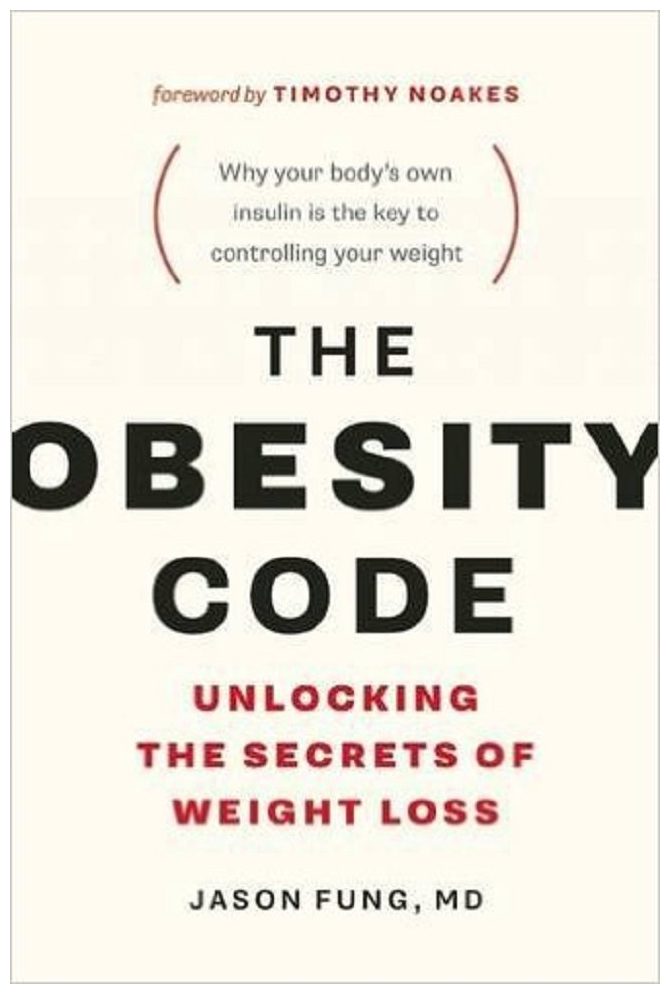
The obesity epidemic and it's treatment

The Obesity code
© Medium
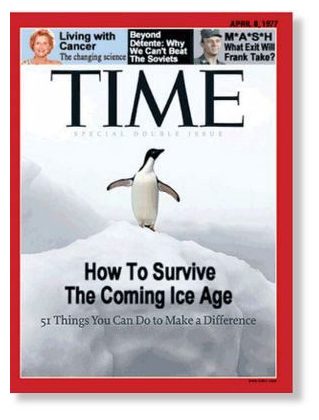
I grew up in Toronto, Canada in the early 1970s. My younger self would have been utterly shocked that today, obesity has become a rising, unstoppable global phenomenon. At that time, there were serious Malthusian fears that the world's population would soon eclipse the world's food production and we would face mass starvation. The major environmental concern was global cooling due to the reflection of sunlight off dust particles in the air triggering the dawn of a new Ice Age. I wonder if Time Magazine thought one of the 51 things we should do is to become a penguin...
Time Mag 1977 Cover
© Medium
Instead, some 50 years later, we find ourselves facing exactly the opposite problems. Global cooling has long ceased to be a serious concern, but global warming and melting polar ice caps dominate the news. Instead of global hunger and mass starvation, we face an obesity epidemic, unprecedented in human history.

There are many puzzling aspects to this obesity epidemic. First, what caused it? The fact that this epidemic is both global and relatively recent argues against an underlying genetic defect. Exercise as a leisure activity was largely unheard of in the 1970s. People just didn't sweat with the oldies in that decade. The proliferation of gyms, running clubs, exercise studios and the like were a product of the 1980s. I would struggle with this question for many years. People ate white bread, ice cream and Oreo cookies in the 1970s. Whole wheat pasta and bread didn't truly exist as foods real people ate. They were doing everything 'wrong' but yet there's little obesity, as you can easily see if you were to look at old photographs from the 1970s.

Second, why were we powerless to stop this epidemic? Nobody wanted to be fat. All the best scientists, doctors and dieticians of the era were giving dietary advice to stay lean. For more than thirty years, doctors have recommended a low-fat, calorie-reduced diet as the treatment of choice for obesity. Yet the obesity epidemic accelerated. From 1985 to 2011, the prevalence of obesity in Canada has tripled, from 6 percent to 18 percent. All the available evidence shows that people were trying to cut their calories, cut their fat and exercise more. But they weren't losing weight. The only logical answer is that we didn't understand the problem. Eating too much fat and too many calories wasn't the problem, so cutting the fat and calories was not the solution. So, it all comes back to that first essential question. What causes weight gain?

Cow

What are we doing to our cows? World's first blood glucose meter created for diabetic cows to tackle growing problem for UK farmers

Cow in a field
© Shutterstock/Rusta RuseynIt has been designed in answer to the growing problem facing British farmers, with up to one in seven cattle having the condition.
The world's first blood glucose meter designed specifically for diabetic cows has been developed by scientists.

British farmers are faced with a growing problem, with up to one in seven cattle potentially having the condition.

It is caused by poor quality feed or being overweight - a common symptom of cows that are milked, as they require extra energy.

Comment: The terminology used in the above piece is confusing: The combination of high ketones coupled with high glucose levels in the blood is called ketoacidosis in humans, but appears to be called simply ketosis in cows. In humans, the state of ketosis is often desired and achieved by lowering dietary carbohydrates, putting the body into an ideal state of fat burning for energy. In reference to cows, however, it describes a pathalogical state.

So what the heck are they feeding these cows to put them into a state of near diabetes? One wonders if a cow fed its natural diet of grass would ever end up in this state (highly doubtful).


Bug

Insect-borne Chagas disease on the rise in the US

triatomine
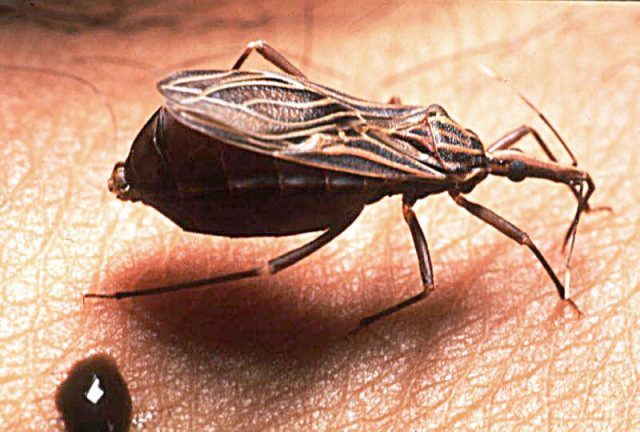
Triatomines, affectionately known as "kissing bugs," have made headlines lately. According to U.S. health officials, disease caused by these insects is on the rise, and in the long term can be quite serious. Known as Chagas disease,1,2 the infection is contracted through a bite from a triatomine, a nocturnal insect that crawls around on your face while you're sleeping.

It will typically bite around the lips or eyes - hence the nickname "kissing bug." Most people report they did not feel the bite. Like other bloodsucking insects, the triatomine sucks your blood. It then deposits parasite-infested feces near or into the open wound.

The parasite responsible for the disease, Trypanosoma cruzi, lives in the bug's digestive system, and researchers have found between 503 and 64 percent4 of triatomines tested are infected with this parasite.

Comment: See also:


Health

Is factory-farmed chicken a cause of urinary tract infections?

raw chicken
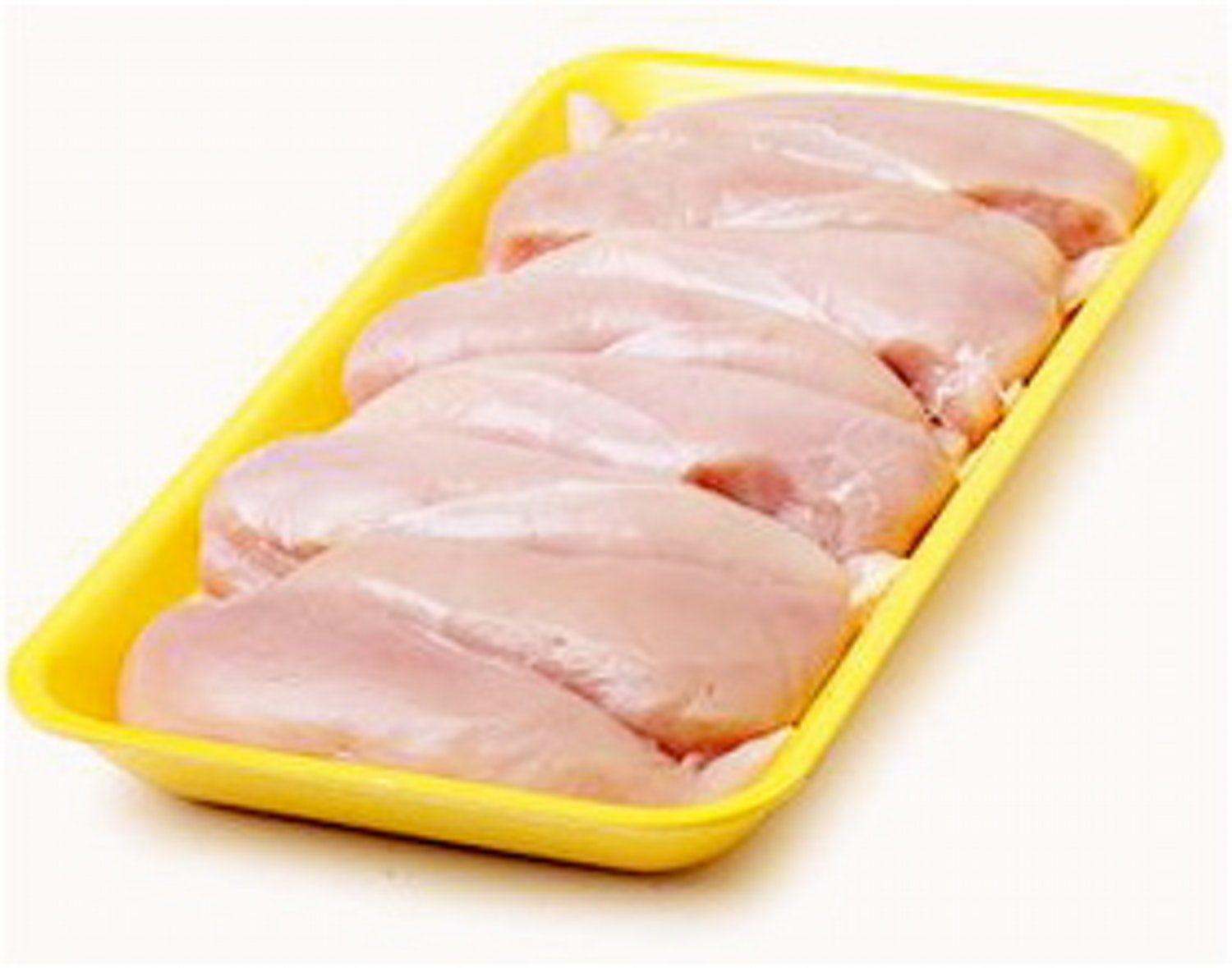
Urinary tract infections (UTIs) are incredibly common, affecting up to 60 percent of women during their lifetime1 and leading to close to 10 million doctor visits in the U.S. annually.2 Most UTIs (about 80 to 90 percent) are caused by E. coli bacteria, which can be introduced into your urinary tract in a number of ways.

While many strains of E. coli live in your intestines, and can end up causing a UTI if introduced to your urinary tract via your own feces or during sexual intercourse, other strains of E. coli come from external sources like contaminated food. E. coli-contaminated food is often associated with foodborne illness like vomiting and diarrhea, but it turns out UTIs may be a form of foodborne illness too.

In fact, in a study led by Lance Price, a professor at George Washington University's Milken Institute School of Public Health, it's suggested that "People are definitely picking up those infections from poultry" and "We have to open up our heads and acknowledge that foodborne infections aren't just diarrhea and/or vomiting; they can be UTIs, too."3

Comment: See also: Pathogens, chemical contaminants and how factory-farmed chicken can sicken


Pills

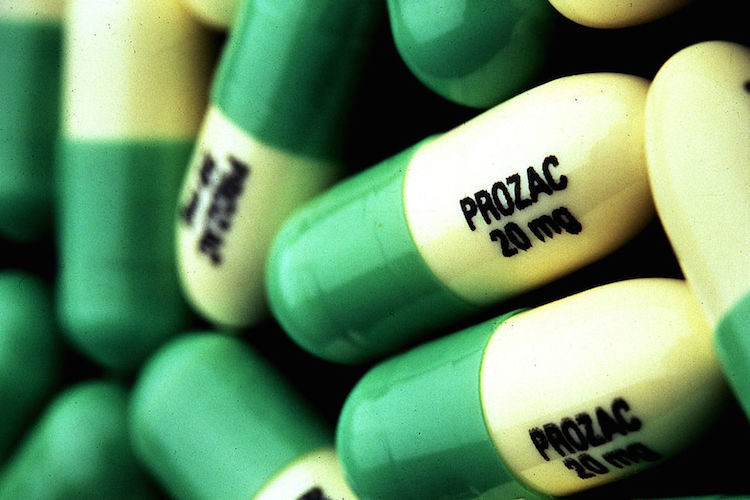
Widely used antidepressant fluoxetine contributing to multi-antibiotic resistant superbugs

prozac
Scientists have discovered a key ingredient in the most widely used antidepressants may be contributing to the antibiotic resistant superbug that has spread through hospitals across the world.

Bacteria has become increasingly resistant to antibiotics in recent years, which is generally thought to be down to overusing of the drugs. However, it seems other medications may be contributing to the weakening effect.

Researchers from Australia's University of Queensland discovered the drug fluoxetine, which is a selective serotonin reuptake inhibitor (SSRI) commonly found in antidepressants like Prozac and Sarafem, can reduce antibiotic capabilities.

The team stumbled upon the discovery after their previous study found triclosan, a common ingredient in toothpaste and hand wash, "can directly induce antibiotic resistance".

"We wondered whether other non-antibiotic pharmaceuticals such as fluoxetine can directly induce antibiotic resistance,"said engineer Jiahua Guo from the university's Advanced Water Management Centre.

Comment: One more reason (among many) to avoid this drug like the plague it is:


Red Flag

Young blood an elixir that prevents age-related diseases, study reveals

vampire
© SkynewsDrinking young blood could prevent age-related diseases, a new study suggests
Blood factors obtained from young beings can improve late-life health in animals and put an end to age-related diseases.

Blood taken from a young person could be the key to maintaining long-lasting health in old age, scientists claim.

Blood factors obtained from young beings can improve late-life health in animals, the study published in Nature journal revealed.

It could also help reduce the chances of developing age-related diseases, the scientists at University College London (UCL) said.

Dame Linda Partridge, a geneticist at UCL, said research shows that young blood could allow humans to live a life free of diseases such as cancer and heart disease right up until their deaths.

"I would say ageing is the emperor of all diseases," she told The Times.

"A lot of people regard ageing as 'natural' and that therefore you shouldn't interfere with nature. But we've always considered it an ethical imperative to cure illness where we find it."

Comment: Can't imagine any abuse scenario from this. Nothing to see here.


Cow

Got gout but love meat? Here's some good news

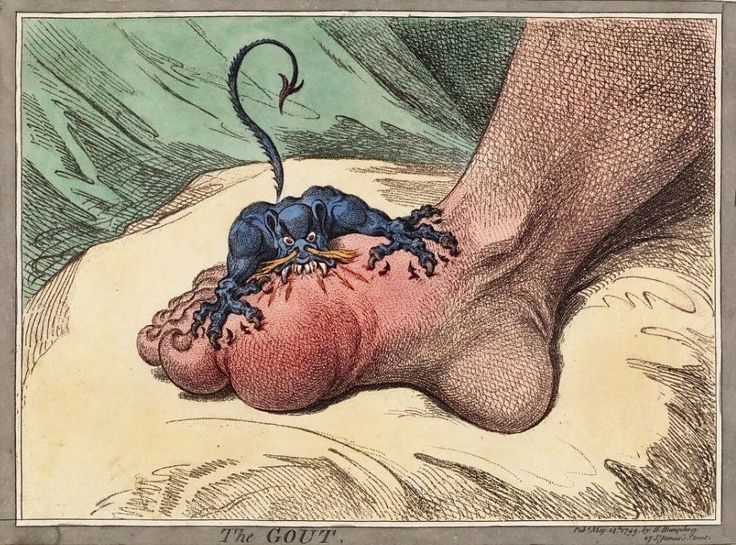
gout illustration
Gout, once called "the ailment of kings", because it mainly afflicted those who could afford a "rich" diet, now affects more than 8 million non-royal Americans. To what do we owe this dubious honor? Is it because we are eating more meat than ever before?

What is gout?

Gout is a special type of arthritis in which certain joints fill up with microscopic shards of uric acid, becoming red, swollen, and exquisitely sensitive to the touch. Most people with gout have too much uric acid in their blood - higher than 6 mg/dl in women and 7 mg/dl in men (levels can reach 12 mg/dl or more in some cases). Uric acid crystals can also cause kidney stones and kidney damage. More than 20% of Americans now have abnormally high uric acid levels.

Comment: The must-read book, Good Calories, Bad Calories, by Gary Taubes, originally included a chapter on gout, but it didn't make it into the final version. Fortunately, this "lost chapter" is available online and it's another educational read on the connections between insulin, fructose, and gout: Gout: The Missing Chapter from Good Calories, Bad Calories.

See also:


Pills

Human gut study questions the health benefits of probiotic supplements

gut illustration
© CC0 Public Domain
Probiotics are found in everything from chocolate and pickles to hand lotion and baby formula, and millions of people buy probiotic supplements to boost digestive health. But new research suggests they might not be as effective as we think. Through a series of experiments looking inside the human gut, researchers show that many people's digestive tracts prevent standard probiotics from successfully colonizing them. Furthermore, taking probiotics to counterbalance antibiotics could delay the return of normal gut bacteria and gut gene expression to their naïve state. The research publishes as two back-to-back papers on September 6 in the journal Cell.

"People have thrown a lot of support to probiotics, even though the literature underlying our understanding of them is very controversial; we wanted to determine whether probiotics such as the ones you buy in the supermarket do colonize the gastrointestinal tract like they're supposed to, and then whether these probiotics are having any impact on the human host," says senior author Eran Elinav, an immunologist at the Weizmann Institute of Science in Israel. "Surprisingly, we saw that many healthy volunteers were actually resistant in that the probiotics couldn't colonize their GI tracts. This suggests that probiotics should not be universally given as a 'one-size-fits-all' supplement. Instead, they could be tailored to the needs of each individual."

Comment: Interesting studies, but not without their limitations. For one thing, they were using a generic probiotic found in grocery stores. Given the difference found in different strains of probiotic bacteria, the quality and study behind the supplement one is using could make all the difference. However, the fact that the science behind the microbiome is relatively new, further study is important, especially if probiotic supplementation could potentially be detrimental. There is a significant amount of research showing benefit from supplementation of specific probiotic strains for particular conditions (see below), but it may turn out that just taking any old probiotic is at best benign or at worst preventing healing.

See also: