Health & WellnessS


Info

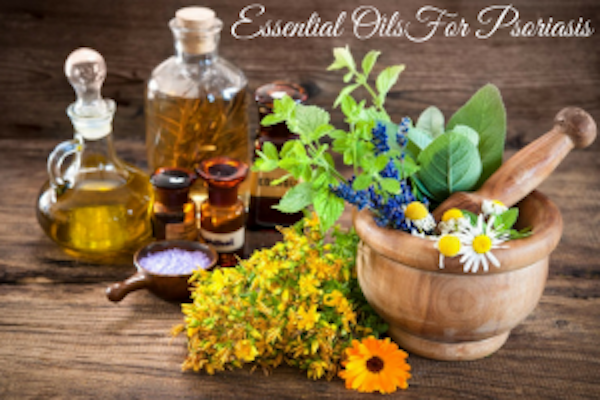
Essential oils for psoriasis

essential oils
Psoriasis is a common skin condition where a person's skin cells replicate too quickly. With nowhere to go, new skin cells accumulate under the skin's surface. Psoriasis is thought to affect more than three percent of the U.S. population, or more than 5 million American adults at any given time. Relief from this condition can come in the form of essential oils for psoriasis.

Essential oils can be used as a complementary therapy. While much of the evidence is anecdotal, there is also some research that supports essential oils for psoriasis.

The buildup of cells associated with psoriasis creates patches of swollen and red skin with silvery or whitish scales. They can appear anywhere on the body, but most often develop on the elbows, knees, buttocks, scalp, feet, neck, face, hands, and backs of the wrists.

Other psoriasis symptoms include joint pain, inflammation, fatigue, impaired immune function, brain fog, allergies, and digestive complaints.

Comment: The wise men knew about the benefits of healing oils


Pills

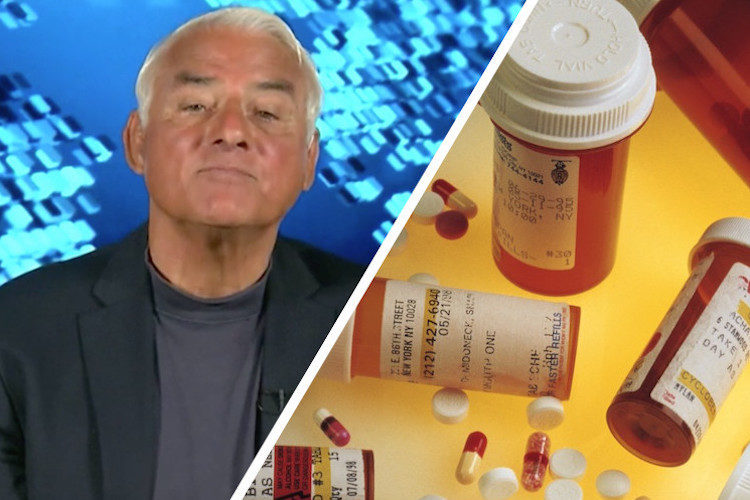
Psychiatrist Dr. Allen Francis addresses the very real problem with antidepressant addiction

antidepressants
When one of the world's leading psychiatrists issues such a severe warning about antidepressants, we should probably listen. In 1994 Dr. Allen Francis chaired the committee that assembled the DSM-IV, the Diagnostic and Statistical Manual of Mental Disorders, which is sometimes referred to as the bible of mental health.

In a recent interview with CNN's Christiane Amanpour, Dr. Francis addresses the very real problem with antidepressant addiction, which is something that is just now being understood by the public. He notes that it is a different type of addiction that what we would normally associate with substance abuse.
"Well they're not really addictive in the sense that benzodiazepines are addictive, or cocaine or alcohol. They don't cause the same degree of functional impairment when you're taking them, but they definitely do have a withdrawal syndrome, and that withdrawal syndrome traps people. It's so easy to start an antidepressant and sometimes so very difficult to stop it." ~ Dr. Allen Francis

Comment: Read more about the over prescribing of antidepressant drugs:
Is depression manufactured? Two decades after the introduction of antidepressants, it's become commonplace to assume that our sadness can be explained in terms of a disease called depression. The National Institute of Mental Health estimates more than 14 million Americans suffer from major depression every year and more than three million suffer from minor depression. Some 30 million Americans take antidepressants at a cost of over $10 billion a year.


Info

Pandora's GMO Potato: What consumers need to know

gmo potatoe
You're probably aware of the best-known GMO crops such as corn, soy, and canola. Did you know that there are also GMO potatoes? They have been around since 2015, but it is just now that they are becoming widely available in the American food supply. To address this new GMO concern, the Non-GMO Project has officially moved the potato from the Monitored-Risk list to the High-Risk list in the Non-GMO Project Standard.

The Non-GMO Project evaluates key criteria to determine when a crop needs to be upgraded to the High-Risk list. These criteria include the number of acres planted, the degree of presence in the supply chain, and the potential for use in human food or animal feed. When these factors reach a predetermined threshold, the crop is recommended for addition to the High-Risk list.

The genetically modified potato has now met this threshold. This means that products made with potato will be subject to extra scrutiny before they can become Non-GMO Project Verified.

Comment: Exclusive interview - The creator of GMO potatoes reveals the dangerous truth


Pills

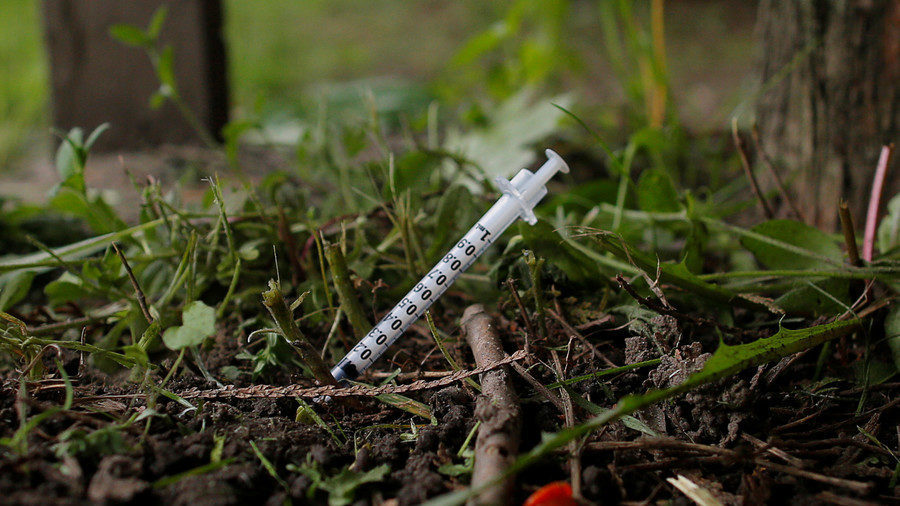
Because the opioid crisis isn't bad enough, the FDA approves a drug 10x stronger than fentanyl

syringe in dirt
© Reuters / Brian Snyder
The FDA has approved the rollout of a new opioid drug up to 1000 times stronger than morphine, despite the opioid crisis that is currently killing more Americans than any other cause of accidental death.

The agency sided with its Anesthetic and Analgesic Advisory Panel, which voted 10-3 to approve Dsuvia, a sublingual tablet form of sufentanil, against the recommendation of its chairman. At 5-10 times the strength of fentanyl, sufentanil is 500-1000 times stronger than morphine, and will supposedly only be administered to treat acute pain in medically-supervised settings.

Fentanyl, too, is available only by prescription, yet a significant quantity is manufactured in illegal labs or diverted to the street, where it regularly kills opioid addicts who aren't even aware they are taking it.

Dsuvia is fulfilling an "unmet need," says Dr Pamela Palmer, chief medical officer of AcelRx, which makes the drug. Because the drug dissolves under patients' tongues, it provides quick relief without the use of an injection. Still, because it must be delivered in a medical setting and doctors and nurses are trained to give injections, there are relatively few situations in which it offers an advantage that outweighs the risk of unleashing a powerful new narcotic onto an already drug-saturated populace.

Sun

Sunlight works as a preventive against eczema

sunlight
Babies who spend more time in the sun are less likely to develop eczema, but it may not be because it boosts their vitamin D levels as previously thought says a new study in Journal of Allergy and Clinical Immunology.

Kids who are overly hygienic appear to be at increased risk of developing allergy-related skin condition eczema, according to some study findings.

Eczema is a catch-all term for a group of medical conditions that cause the skin to become inflamed or irritated. It affects about 10% to 20% of infants and about 3% of adults and children although those numbers appear to be increasing due to environmental pollutants. Physicians treat eczema with corticosteroid creams which only suppress symptoms without address the underlying cause. No one knows the exact cause, but some experts think it's because babies are spending less time outdoors and getting less vitamin D from sunlight.

Exposure to sunlight and vitamin D has been shown to effectively deal with toxins including medications. A study from the Swedish medical university Karolinska Institutet has shown that the body's ability to break down medicines may be closely related to exposure to sunlight, and thus may vary with the seasons.

Health

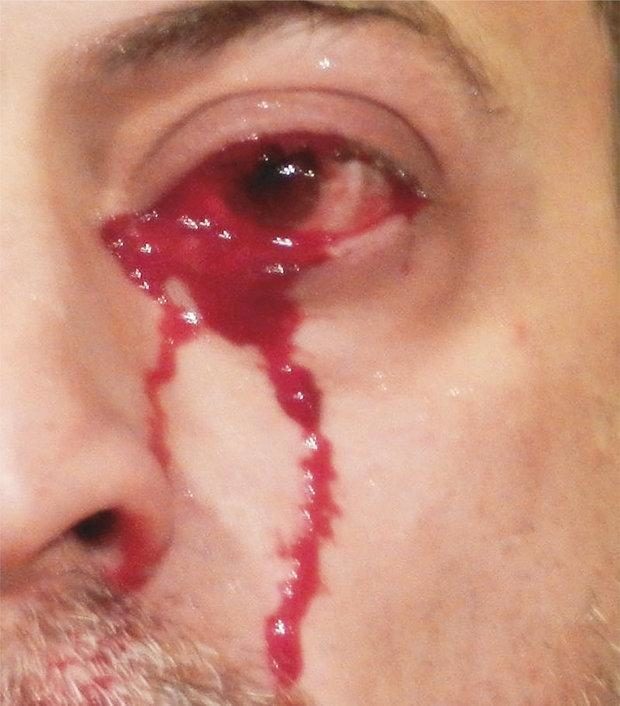
Italian man cries blood for an hour due to rare eye condition

Italian man bleeding from his eyes
© University Hospital Messina
This shocking image shows how a man cried blood for an hour after suffering from a rare medical condition.

The unnamed man, 52, is thought to have visited a hospital in the Sicilian city of Messina after blood started leaking from both his eyes.

Initially, the bleeding only carried on for a couple of minutes before it stopped.

However while he was waiting to be seen by the medical staff it started again.

Doctors discovered the man had non-cancerous tumours underneath his eyelids and diagnosed he was suffering from a rare condition called haemolacria.

These tumours are made of blood vessel cells, which are often seen on the skin of children and are sometimes known as strawberry marks.
What is haemolacria?

The New England Journal of Medicine states: "Haemolacria is a rare condition that is characterized by the presence of blood in the tears."

This can be connected to cases of infection, inflammation or some form of trauma to the eye.

The tears can vary from appearing to be just red-tinged to appearing to be made entirely of blood.

SOTT Logo Radio

SOTT Focus: The Health & Wellness Show: To Booze or Not to Booze?

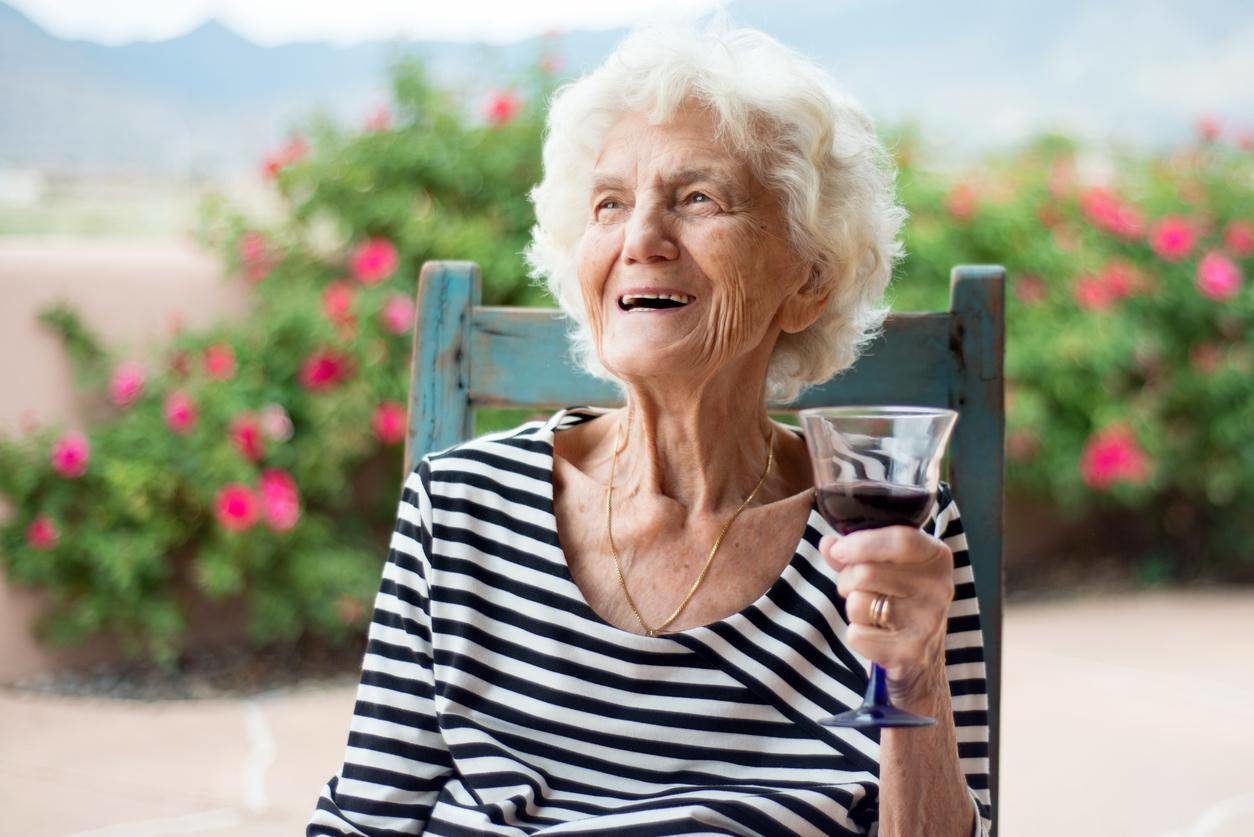
old drink alcohol age
Alcohol consumption is one of humanity's most socially sanctioned drugs. Humans have been serving up the booze for tens of thousands of years and will surely continue to do so until the end of time with or without the blessing of the established health authorities. At this particular moment in history the medical establishment tends to lean toward advocating a moderate level (whatever that means) of alcohol consumption for its supposed heart healthy benefits. Other health professionals state that there is no safe level of consumption and alcohol's benefits are wildly exaggerated.

Whether you're a teetotaler, a fine wine aficionado or a straight up boozehound join us for this episode of The Health and Wellness Show where we'll discuss the world's favorite drug and if it has any place in the diet of a health conscious person.

Stay tuned, at the end of the show, for Zoya's Pet Health Segment where the topic will be language in animals.

Running Time: 01:39:23

Download: MP3


Info

Unsavory Truth: Superfoods are a marketing ploy

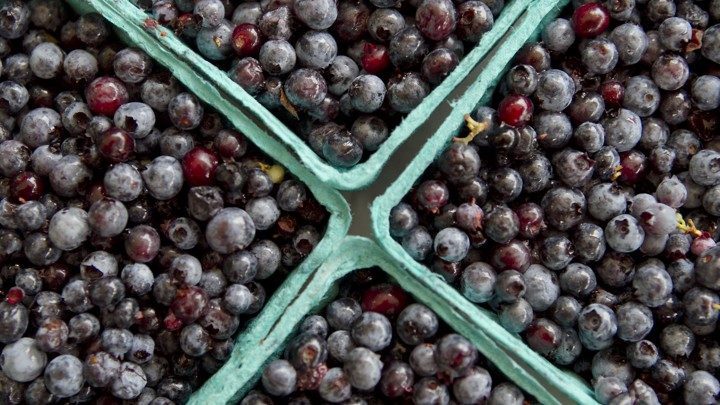
blueberries
Regardless of who issues them, guidelines for health promotion and disease prevention universally recommend diets that are largely plant-based, meaning those that include plenty of fruits, vegetables, grains, beans, and nuts. The U.S. dietary guidelines also recommend foods in the "protein" category. Grains, beans, and nuts are good sources of protein, but the guidelines use "protein" to mean low-fat dairy, lean meats, and fish. Recommended eating patterns include all these foods, relatively unprocessed, but with minimal addition of salt and sugars. Such patterns provide nutrients and energy in proportions that meet physiological needs but also minimize the risk of obesity, type 2 diabetes, and other chronic diseases. One more definition: "Patterns" refer to diets as a whole, not to single foods. No one food makes a diet healthful. The healthiest diets include a wide variety of foods in each of the recommended categories in amounts that balance calories.

Evil Rays

Electrosensitivity: Can you really be allergic to Wifi & Cell Phones?

electrosensitivity

Along with the incredibly fast increase in our use of wireless technologies, the number of people who claim getting health symptoms from exposure to wifi, cell phones or other sources of electromagnetic fields (EMFs) is on the rise


And while the current scientific "consensus" is that this non-ionizing radiation cannot possibly induce health effects besides overheating tissues, an increasing number of independent scientists and doctors are ringing the alarm.

"Will We All Become Electrosensitive?"

In a 2006 letter to the editor of the journal Electromagnetic Biology and Medicine,[1] researchers Örjan Hallberg from Sweden and Gerd Oberfeld from Austria shared their concerning observations:
"Each year an increasing number of people claim to suffer from electrosensitivity, also known as being electrically hypersensitive (EHS). There are also other diseases, such as fibromyalgia and burn-out syndrome, that have symptoms similar to those exhibited by people suffering from electrosensitivity."
And they ended with a pretty damning prediction:
"Contrary to the views of mainstream medical authorities, [our data] shows that the group of electrosensitive people around the world, including Sweden, is not just a small fraction that deviates from the rest of the healthy population. Instead, it points at the possibility that electrosensitivity will be more widespread in the near future. The extrapolated trend indicates that 50% of the population can be expected to become electrosensitive by the year 2017."

Comment: The Health & Wellness Show: Wireless Technology: 5G is Just the Tip of the Iceberg


Play

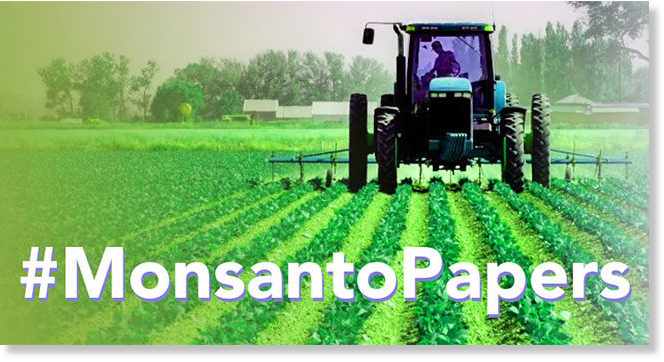
'The Monsanto Papers': New film exposes egregious crimes of global chemical giant

Monsanto Papers
The Australian documentary, "The Monsanto Papers," reveals the secret tactics used by global chemical giant Monsanto (now owned by Bayer AG1,2), to protect its bestselling herbicide, Roundup.

The film starts out with a quick history of Roundup and how its now-clearly absurd safety claims (such as "it's biodegradable," "safe enough to drink," and "safer than table salt") made it into the worlds' most widely used weed killer, used by farmers and private gardeners alike. Indeed, it was at one time known as "the world's most trusted herbicide," but those days are now long gone.

Between 1974 - the year glyphosate entered the U.S. market - and 2014, glyphosate use increased more than 250fold in the U.S. Today, an estimated 300 million pounds are applied on U.S. farmland annually. Globally, nearly 5 billion pounds (over 2 billion kilograms) of glyphosate are applied to some 70 types of farm crops each year.3


Comment: The Monsanto name has been retired - but it's destructive reputation and work live on: