Health & WellnessS


Health

Trust each other or die: America's culture wars might be shortening people's lives

Protest Portland Oregon
© Reuters / Jim UrquhartRight wing and left wing protesters exchange words at a rally in Portland, Oregon
Calling the United States a divided nation is not a radical notion. But aside from fuelling endless hours of cable TV and social media debate, America's culture wars might actually be shortening people's lives.

The political and cultural divide in the US is widening, with sometimes deadly consequences. Saturday saw an anti-Semitic gunman murder 11 worshippers at a Pittsburgh synagogue; last week saw a right-wing kook mail a series of crude homemade explosive devices to prominent Democratic officials; and this summer was marked by the left violently confronting Republican officials in restaurants, airports, and at their own homes.

Despite token calls for unity, all sides have accused each other of enabling and encouraging the violence. In the wake of the latest incidents, President Trump blamed the liberal media for stoking the "flame of anger and outrage" in US society, while many in the media blamed Trump's anti-media, anti-Democrat rhetoric.

This deteriorating political climate might be bad for people's health, according to a study by Swedish researchers, published last week. After examining over 25,000 participants, researchers found that low levels of social trust can shorten life expectancy by as long as ten months.


Comment: 72 hrs of hate-filled violence has social media debating whether a travel warning should be issued for US


Cloud Grey

The 'new tobacco': WHO says air pollution is killing 7 million people a year

Dr Tedros Adhanom Ghebreyesus
© Fabrice Coffrini/AFP/Getty ImagesDr Tedros Adhanom Ghebreyesus speaks at a press conference in 2017.
Air pollution is the "new tobacco", the head of the World Health Organization has warned, saying the simple act of breathing is killing 7 million people a year and harming billions more.

Over 90% of the world's population suffers toxic air and research is increasingly revealing the profound impacts on the health of people, especially children.

"The world has turned the corner on tobacco. Now it must do the same for the 'new tobacco' - the toxic air that billions breathe every day," said Dr Tedros Adhanom Ghebreyesus, the WHO's director general. "No one, rich or poor, can escape air pollution. It is a silent public health emergency."

"Despite this epidemic of needless, preventable deaths and disability, a smog of complacency pervades the planet," Tedros said, in an article for the Guardian. "This is a defining moment and we must scale up action to urgently respond to this challenge."

Comment: This change in tune is surely intended to get the average person to more firmly embrace the mainstream anthropogenic climate change myth and beg their governments to do something about it.


Umbrella

Acupuncture: A cure for depression?

acupuncture
Acupuncture, massage, yoga, and other healing modalities can address depression and anxiety effectively.
It's no wonder people are turning to alternative medicine to alleviate their symptoms of depression and anxiety in droves. The mainstream medical model has failed - miserably. Even Harvard medical school has admitted that drugs "aren't solving mental illness," if depression can even be labeled as such.

Depression is more likely a very natural reaction - to a systemic lack of positive social relationships, an onslaught of chemical toxins and poor dietary choices that lead to chronic inflammation, and even a political-social scheme that prohibits people from taking full responsibility for their life choices, blocks them from choosing their correct life path, and more.

The very medications that are supposed to make us "happier" than the average person, don't even create baseline happiness while promoting a hedonic treadmill that ironically can lead to even more feelings of dissatisfaction and unrest. In the worst cases, this treadmill puts us on a direct path to self-destruction.

However, instead of discussing the myriad reasons depression is a veritable epidemic today, let's talk about a simple solution. It's acupuncture.

Comment: The Health & Wellness Show: All About Acupuncture with Elizabeth Ross


Alarm Clock

We are not prepared for the coming dementia crisis

Alzheimers
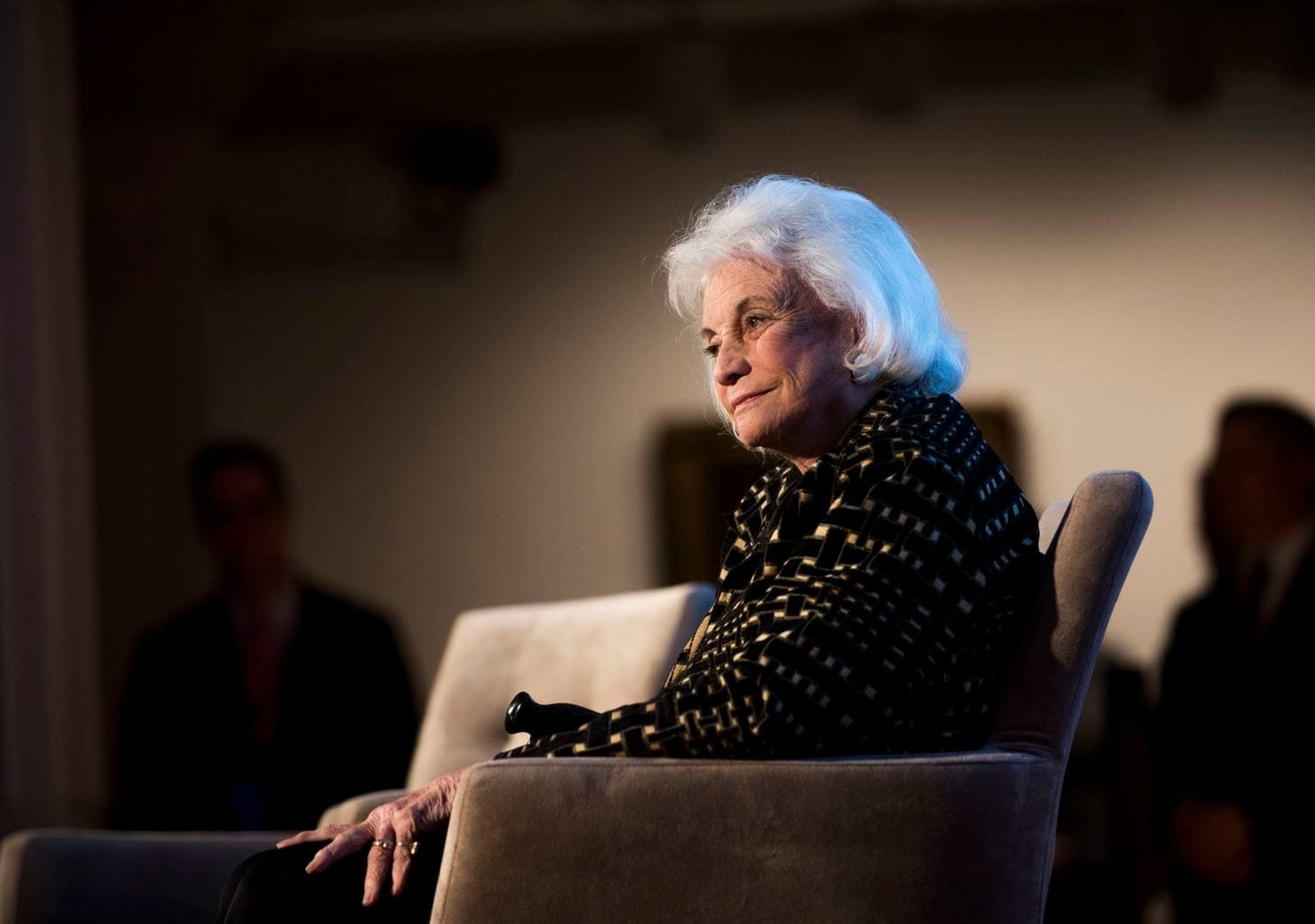
© Kevin Wolf/APJustice Sandra Day O'Connor at the Seneca Women Global Leadership Forum at the National Museum of Women in the Arts in Washington in 2015.
Many of us played the lottery this week in hopes becoming an instant billionaire. The chance of winning was less than 1 in 300 million, yet we all believed we could be "the one." We like to believe that good things will come our way and tend to ignore real threats to our health as we age, even though the chances they will happen are high.

Retired Supreme Court justice Sandra Day O'Connor recently disclosed that she has now been diagnosed with probable Alzheimer's disease. At 65, she had a 1 in 10 chance of developing dementia. At 85, her odds increased to 1 in 3. Now we acknowledge with great sadness that the 88-year-old's keen mind will fade away and that she, too, will succumb to the disease, just as her husband did.

Cheeseburger

Fast Food: For every meal?

Hamburger
© Kai Pfaffenbach/ReutersYounger adults and those with higher incomes are more likely to eat fast food, researchers reported.
On any given day in America, about one-third of adults will eat fast food, according to the C.D.C.

More than a third of adults in the United States patronize fast-food restaurants and pizza parlors on any given day. And the higher their income, the more likely they are to do so.

The Centers for Disease Control and Prevention has released data on fast food consumption gathered from 2013 to 2016 in the National Health and Nutrition Examination Survey, or Nhanes, a program that continuously monitors the health and nutritional status of Americans.

The Nhanes analysis relies on physical examinations and in-person interviews to produce demographic, socioeconomic and health data, including dietary information from a representative sample of about 10,000 adults over the four years.

Comment: America the fast food nation: Over a third of children and teens eat fast food daily


Syringe

Canadian hospital releases assisted suicide plan for kids, may not even inform parents

Injection
© Justin Sullivan/Getty Images
A group of medics from a Toronto children's hospital have released a shocking paper which outlines its controversial position on child euthanasia. In the paper, published at the British Medical Journal, Toronto's Hospital for Sick Children revealed that in some cases, the young person's parents will not be notified of the intention to end their own lives until after the death is confirmed.

"Usually, the family is intimately involved in this (end-of-life) decision-making process," the pediatric doctors, administrators and ethicists noted in a Sept. 21 paper published in the BMJ.
"If, however, a capable patient explicitly indicates that they do not want their family members involved in their decision-making, although health care providers may encourage the patient to reconsider and involve their family, ultimately the wishes of capable patients with respect to confidentiality must be respected."
In the east-central Canadian province of Ontario, parents are not required to be involved in any "capable" child's decision to end their own life.

Heart

You can die of a broken heart! Study finds grief may cause deadly inflammation

Steth/Heart
© Arizona Health & Education
We see stories covered by local news outlets time and time again featuring elderly couples who spent nearly their entire lives together, only to pass away hours or days apart. Now a new study may explain why.

Researchers from Rice University say that people who struggle to overcome grief caused by loss of a loved one are at greater risk of suffering from potentially deadly levels of inflammation. Conversely, those who have an easier time dealing with a spouse's death are prone to healthier outcomes.

"Previous research has shown that inflammation contributes to almost every disease in older adulthood," notes lead author of the study, Chris Fagundes, an assistant professor of psychological sciences, in a statement.
"We also know that depression is linked to higher levels of inflammation, and those who lose a spouse are at considerably higher risk of major depression, heart attack, stroke and premature mortality. However, this is the first study to confirm that grief - regardless of people's levels of depressive symptoms - can promote inflammation, which in turn can cause negative health outcomes."

Comment: See also:


Red Flag

Study finds: The military's obsession with energy drinks is contributing to PTSD

energy drinks
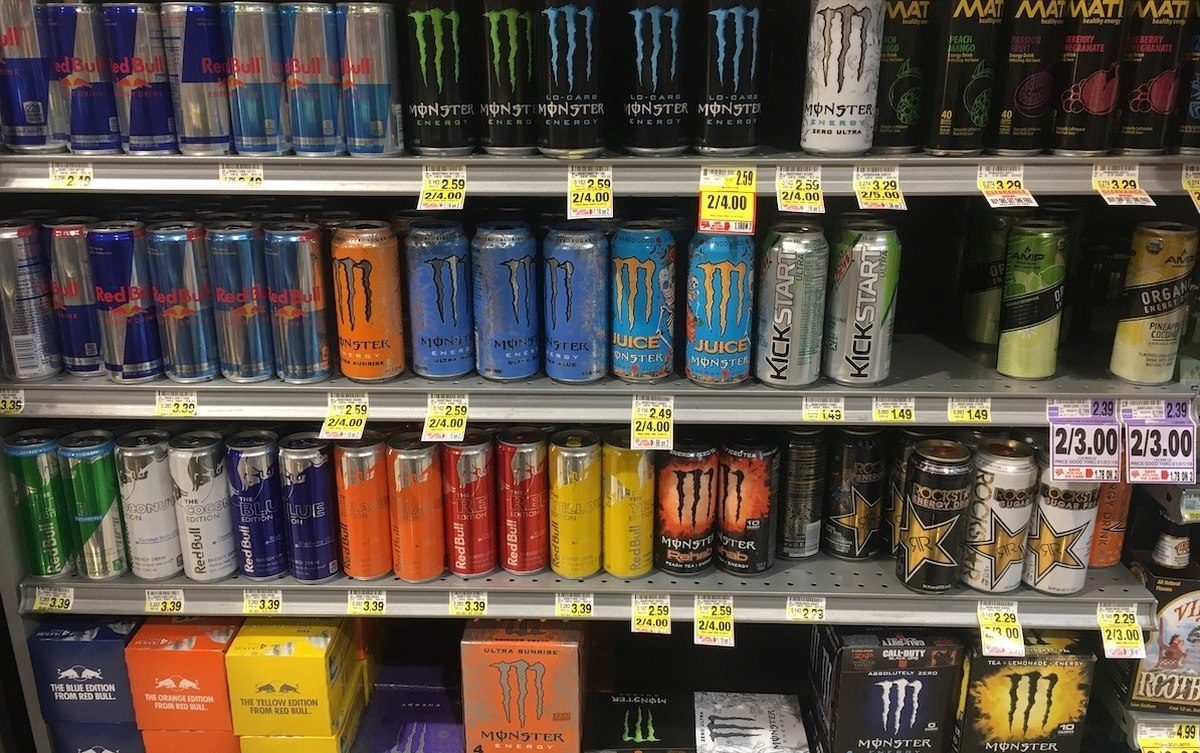
© J.D. Simkins/StaffA recent study found a significant association between energy drink use and mental health problems, including symptoms of post-traumatic stress disorder.
Getting adequate sleep is increasingly rare among the active duty military population, as frequent deviations from the body's natural circadian rhythms due to a demanding operational tempo pit personnel in an ongoing struggle against the ever-persistent sandman.

To combat the sleep deprivation unique to this demographic, service members often turn to energy drinks, a prominent component of combat deployments that has become as paramount to mission success as any piece of protective gear or weaponry.

The prevalence of energy drink use in these settings is extraordinary. The life blood is virtually everywhere - and tends to cost nothing - resulting in an environment in which nearly half of deployed troops down at least one readily available crack can per day.

Wine n Glass

New study shows alcohol affects a gene making your brain forget the bad times, remember the good ones

Man drinking
© Shutterstock/millas1987
Just one glass of wine could be enough for you to dismiss your bad memories and focus only on the good times, a new study suggests.

Researchers say that alcohol 'hijacks' the pathway that forms memory on a fundamental, molecular level.

It affects a gene involved with encoding whether a memory is pleasing or unpleasant and changes a protein the gene makes, which in turn makes you form 'craving memories'.

One drink only changes the pathway for an hour, but three can change the pathway for 24 hours - which could explain why we forget being sick or stumbling home.

The team, led by Brown University in Rhode Island, says its findings may help explain why recovering alcoholics find it hard to stay on the wagon and that this could lead to forms of treatment that help decrease how long the craving memories last, or how intense they are.

Health

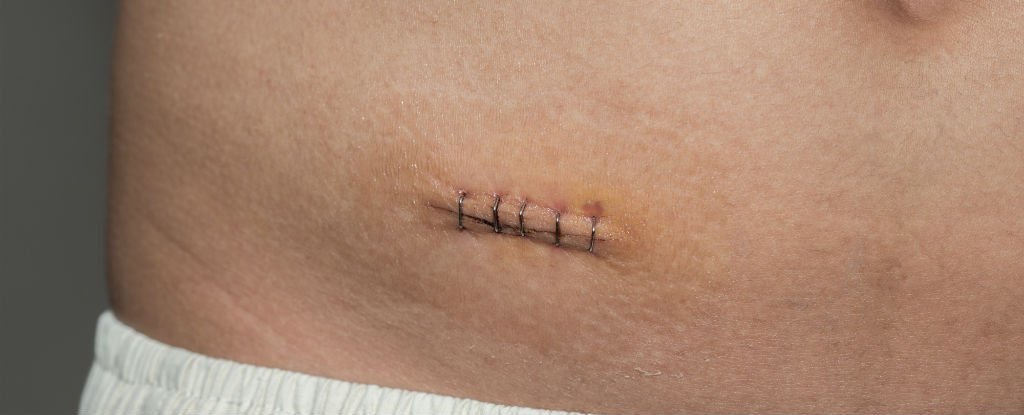
Almost two-thirds of appendectomies are unnecessary

appendix scar
© TaraPatta/Shutterstock.com
You've probably heard that your appendix is a useless organ, an artifact from our ancient past when early humans had to digest tree bark and other fibrous materials.1 However, modern medical science has again proven your body does not contain superfluous organs that serve no useful function.

Unfortunately, the idea that your appendix is little more than a nuisance and potential health risk has led to the routine removal of this organ. Many doctors will even suggest prophylactic removal of the appendix when you're having some other abdominal surgery done. As noted in a 2017 paper:2
"Appendectomy is the most common emergency surgery performed in the USA. Removal of a noninflamed appendix during unrelated abdominal surgery (prophylactic or incidental appendectomy) can prevent the downstream risks and costs of appendicitis. It is unknown whether such a strategy could be cost saving for the health system."
Based on hypothetical patient cohorts aged 18 to 80, the researchers concluded that people under the age of 30 could save about $130 over their lifetime by undergoing prophylactic appendectomy during other elective abdominal surgery. However, considering the potential benefits of keeping your appendix, saving $130 over a lifetime doesn't seem very good value proposition.