Health & WellnessS


USA

America's Dark Vaccine History: The Pertussis Vaccine Blame Game

Pertussis (Whooping Cough)
© Pertussis (Whooping Cough)
It is a primitive bacterial vaccine licensed in 19141. It has not been given to babies in America for 20 years. It is the vaccine that had brain damaged so many children and caused so many vaccine injury lawsuits 2 that Big Pharma used it to blackmail Congress into giving vaccine manufacturers a partial product liability shield in 1986, which the U.S. Supreme Court made even bigger in 2011. 3

I'm talking about whole cell pertussis vaccine in DPT, a crude brew of whole B. pertussis bacteria heated and washed with formaldehyde 4 but still full of neurotoxic aluminum 5 and mercury 6 along with shock-inducing endotoxin, 7,8 as well as brain damaging bioactive pertussis toxin, 9,10,11 a toxin so lethal that researchers use it to deliberately induce acute experimental autoimmune encephalomyelitis (EAE) in lab animals. 12,13,14 Whole cell pertussis vaccine: the most reactive vaccine still given to infants and children in developing countries because it costs drug companies just pennies to make a dose of it. 15 Whole cell pertussis vaccine, the one that put pressure on the B. pertussis bacterium to mutate into vaccine resistant strains beginning in the 1950s. 16,17

Brain

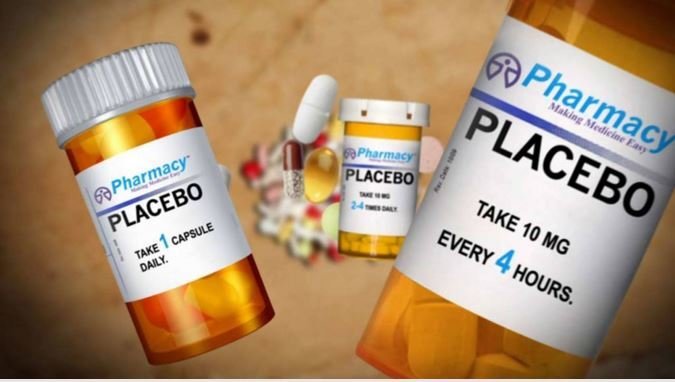
Researchers are uncovering a biochemical basis for the placebo effect opening a Pandora's box for mainstream medicine

placebo pills
The Chain of Office of the Dutch city of Leiden is a broad and colorful ceremonial necklace that, draped around the shoulders of Mayor Henri Lenferink, lends a magisterial air to official proceedings in this ancient university town. But whatever gravitas it provided Lenferink as he welcomed a group of researchers to his city, he was quick to undercut it. "I am just a humble historian," he told the 300 members of the Society for Interdisciplinary Placebo Studies who had gathered in Leiden's ornate municipal concert hall, "so I don't know anything about your topic." He was being a little disingenuous. He knew enough about the topic that these psychologists and neuroscientists and physicians and anthropologists and philosophers had come to his city to talk about - the placebo effect, the phenomenon whereby suffering people get better from treatments that have no discernible reason to work - to call it "fake medicine," and to add that it probably works because "people like to be cheated." He took a beat. "But in the end, I believe that honesty will prevail."

Lenferink might not have been so glib had he attended the previous day's meeting on the other side of town, at which two dozen of the leading lights of placebo science spent a preconference day agonizing over their reputation - as purveyors of sham medicine who prey on the desperate and, if they are lucky, fool people into feeling better - and strategizing about how to improve it. It's an urgent subject for them, and only in part because, like all apostate professionals, they crave mainstream acceptance. More important, they are motivated by a conviction that the placebo is a powerful medical treatment that is ignored by doctors only at their patients' expense.

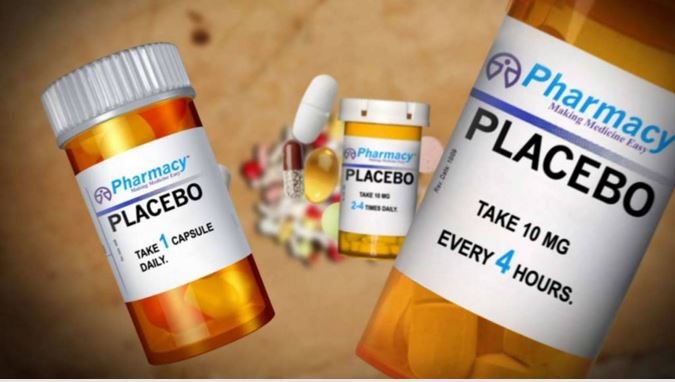
And after a quarter-century of hard work, they have abundant evidence to prove it. Give people a sugar pill, they have shown, and those patients - especially if they have one of the chronic, stress-related conditions that register the strongest placebo effects and if the treatment is delivered by someone in whom they have confidence - will improve. Tell someone a normal milkshake is a diet beverage, and his gut will respond as if the drink were low fat. Take athletes to the top of the Alps, put them on exercise machines and hook them to an oxygen tank, and they will perform better than when they are breathing room air - even if room air is all that's in the tank. Wake a patient from surgery and tell him you've done an arthroscopic repair, and his knee gets better even if all you did was knock him out and put a couple of incisions in his skin. Give a drug a fancy name, and it works better than if you don't.

You don't even have to deceive the patients. You can hand a patient with irritable bowel syndrome a sugar pill, identify it as such and tell her that sugar pills are known to be effective when used as placebos, and she will get better, especially if you take the time to deliver that message with warmth and close attention. Depression, back pain, chemotherapy-related malaise, migraine, post-traumatic stress disorder: The list of conditions that respond to placebos - as well as they do to drugs, with some patients - is long and growing.

Comment: More on the placebo effect:


Info

Benefits of exercising in cold weather

Exercise in Cold Wx
© Unsplash/Isaac Wendland
The World Health Organization (WHO) keeps tabs on every country's HALE rating, which stands for "healthy life expectancy at birth." HALE is a measure of how long the average citizen will live before disease or disability sets in. Worldwide, that average is about 63 years. But according to the WHO's 2016 data, the residents of Japan know something the rest of us don't; the average Japanese citizen will live without disability until age 75 - nearly six years longer than the average American.

A mixture of diet, DNA, and lifestyle factors likely combine to explain this. But cold-weather exercise may also be part of the equation. "Growing up in Tokyo, it was thought that winter training keeps you away from the doctor, and the Japanese often exercise in winter," says Shingo Kajimura, an associate professor and lab director at the University of California, San Francisco (UCSF). "We can see now this makes a lot of sense."

Kajimura's lab at UCSF focuses on metabolism and energy balance, and specifically on the function of the body's fat cells. He says cold exposure during workouts may be beneficial for a number of reasons. For one thing, shivering burns a lot of calories. "Shivering is a very energy-demanding and tiring process," he says. If your goal when exercising is to lose weight, working out in the cold may help a bit.

SOTT Logo Radio

SOTT Focus: The Health & Wellness Show: Why is Glycine So...Enticing?

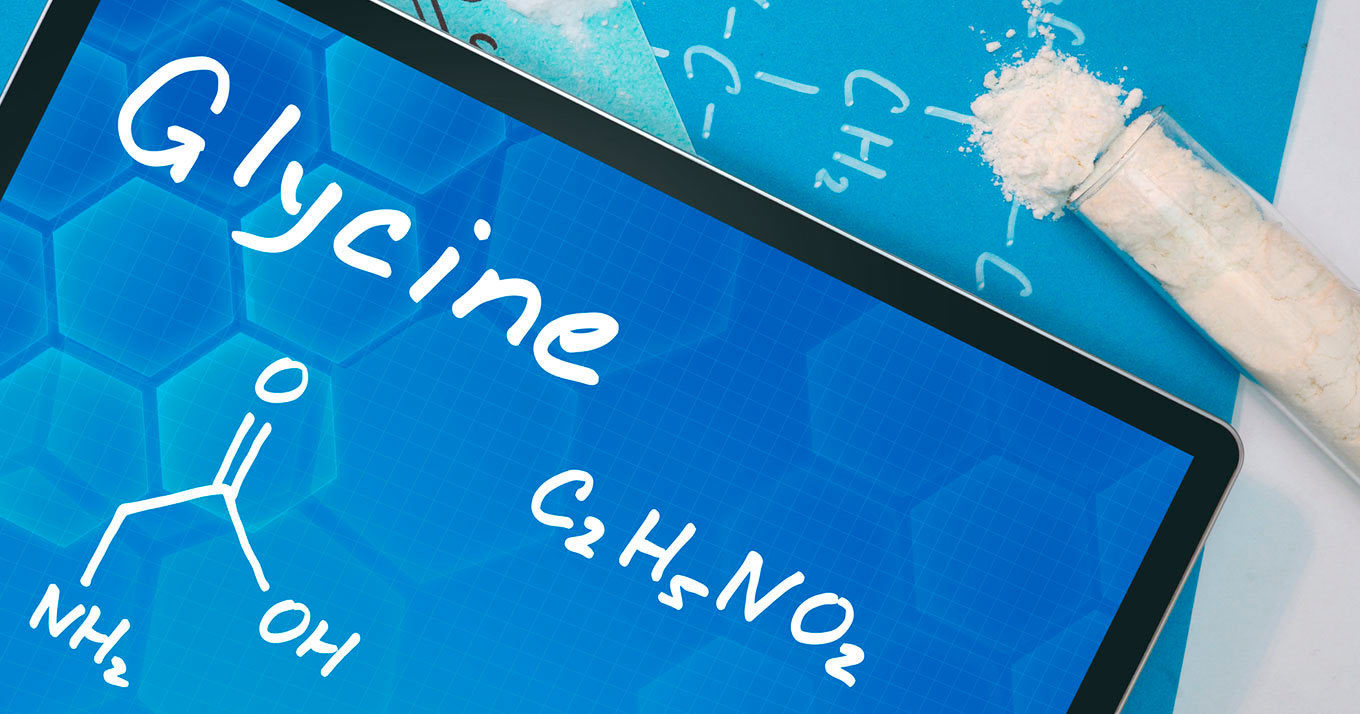
glycine
Glycine is a "conditionally essential" amino acid, one of the twenty amino acids that are the building blocks of proteins. Glycine is produced by the body and -- if you're healthy enough -- can be found abundantly in tendons, ligaments, connective tissues and skin, keeping them all firm and flexible. In the diet animals foods are the greatest source of this potent anti-inflammatory that has numerous benefits for human health including: the regulation of sleep and circadian rhythms, normalizing blood sugar, aiding in digestion, detoxification, wound healing and much, much more.

Join us for this episode of The Health and Wellness Show as we discuss this super amino acid, the best ways to obtain it and some strong precautions that need to be considered when sourcing it.

And stay tuned for Zoya's Pet Health Segment at the end of the show where the topic will be pet dogs in ancient Rome.

Running Time: 01:13:11

Download: MP3


Question

Is weighing yourself daily the key to weight loss?

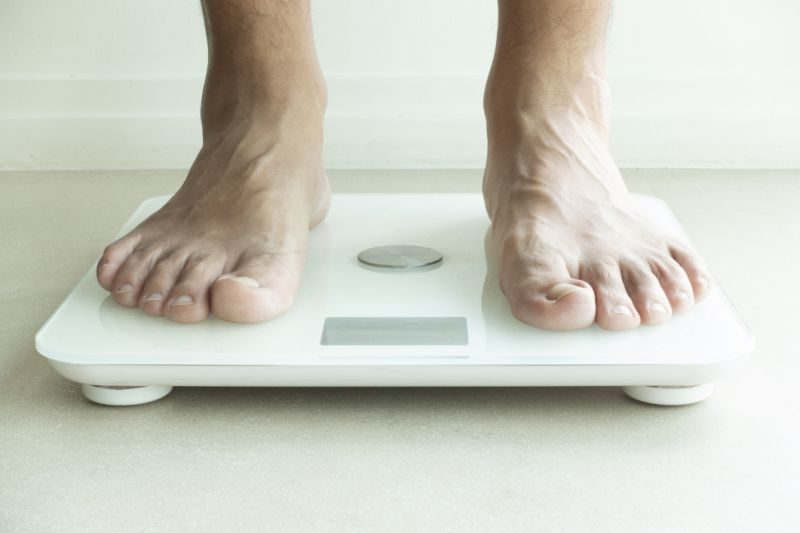
bathroom scale
Yes and no. The answer may not be that simple. Daily weighing may help with weight loss goals as some people who don't weigh themselves have been found less likely to lose weight than those who weigh themselves often. However, this depends on a few variables according to research being presented in Chicago at the American Heart Association's Scientific Sessions.

Sure, you can notice if your belt is getting tighter, or looser, but chances are you don't have an accurate assessment of your weight. The body mass index (BMI) dates back to the 19th century and is still used by Physicians as a tool to assess health status. Yet it remains one of the most of the inaccurate tools to measure our health due to its reliance on population studies without assessing individual diagnosis.

Body mass index makes absolutely no distinction between body weight from muscle and body weight from fat which labels a broad segment of the athletic and healthy populations as overweight and obese. Consequently, as a measurement tool, weighing yourself on a scale to assess BMI is ineffective since it fails to take into account our body composition.

Health

Obesity: Hormonal imbalance, not caloric imbalance, and what to do about it

weight loss scale

In your body, nothing happens by accident. Every single physiologic process is a tight orchestration of hormonal signals. Whether our heart beats faster or slower is tightly controlled by hormones. Whether we urinate a lot or a little is tightly controlled by hormones. Whether the calories we eat are burned as energy or stored as body fat is also tightly controlled by hormones. So, the main problem of obesity is not the calories we eat, but how they are spent. And the main hormone we need to know about is insulin.

Insulin is a fat-storing hormone. There's nothing wrong with that - that is simply its job. When we eat, insulin goes up, signaling the body to store some food energy as body fat. When we don't eat, then insulin goes down, signaling the body to burn this stored energy (body fat). Higher than usual insulin levels tell our body to store more food energy as body fat.

Hormones are central to obesity as is everything about human metabolism, including body weight. A critical physiological variable such as body fatness is not left up to the vagaries of daily caloric intake and exercise. If early humans were too fat, they could not easily run and catch prey and would be more easily caught themselves. If they were too skinny, they would not be able to survive the lean times. Body fatness is a critical determinant of species survival.

Comment: Intermittent fasting is all the rage at the moment, and it seems like there is definitely something to it. While many promote it as an "eat anything you want and still lose weight" type of regimen, it is undoubtedly true that combining fasting with a proper diet will be more effective and healthier beyond simple weight loss.

See also:


Evil Rays

Hundreds of birds dead during 5G cell phone tower experiment in The Hague, Netherlands

dead birds 5G

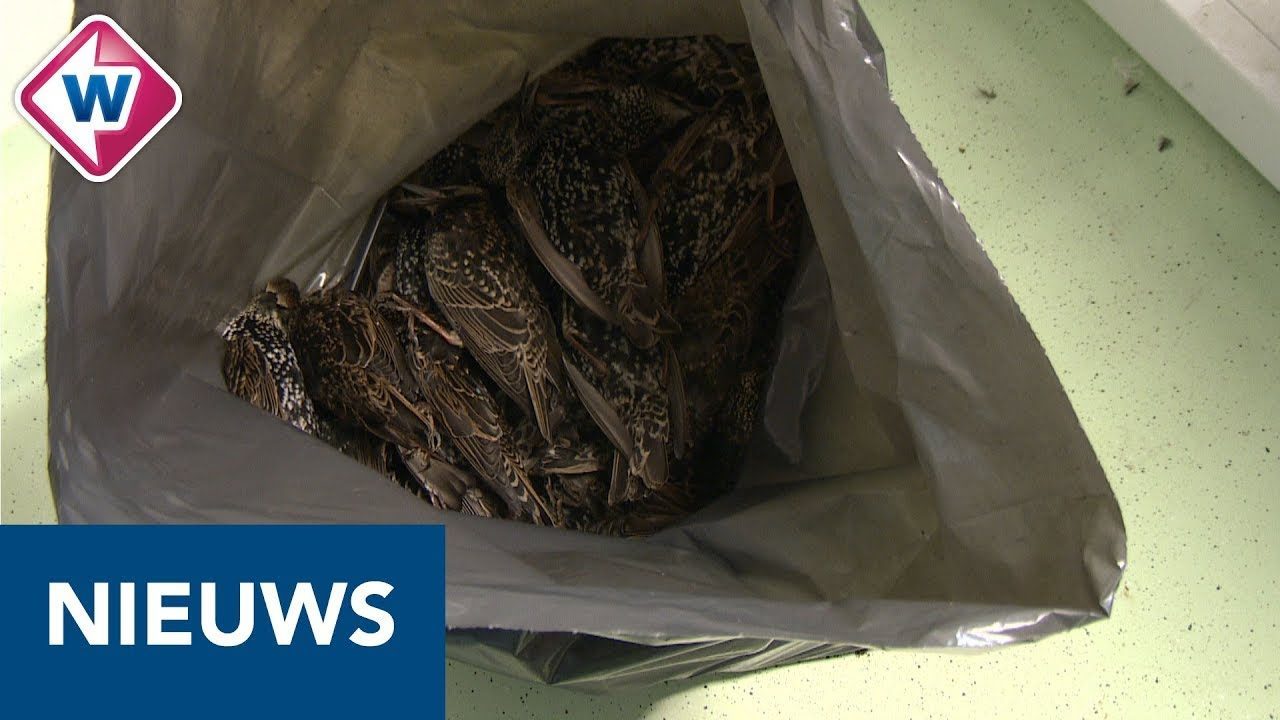
About a week ago at The Hague, many birds died spontaneously, falling dead in a park. You likely haven't heard a lot about this because it seems keeping it quiet was the plan all along. However, when about 150 more suddenly died - bringing the death toll to 297 - some started to take notice.

And if you are looking around that park you might have seen what is on the corner of the roof across the street from where they died: a new 5G mast, where they had done a test, in connection with the Dutch railway station, to see how large the range was and whether no harmful equipment would occur on and around the station.

Comment: There is a lot of fear and uncertainty around the rollout of 5G technology at the moment, but it seems likely that these new frequency waves are significantly more dangerous than existing wireless technology. Until it's proven safe, it seems the best course of action is to avoid areas blasting 5G as much as possible.

See also:


Ambulance

Twelve newborns die of mysterious outbreak at hospital in northeast Afghanistan

Emergency NGO Afghanistan
The NGO has provided treatment and health care to more than 300,000 mothers and newborns since it was opened in 2003.
Twelve newborns have died at a health center in northeastern Afghanistan amid an outbreak of "an unknown and as yet not determined origin," the Italian nongovernment organization running the facility says.

The Emergency NGO said on November 5 that the babies all died the previous day at its maternity hospital in Panjshir Province's Anabah district.

A statement said the newborns, who were in critical condition and on antibiotic therapy, passed away at the hospital's neonatal intensive-care unit due to apparent sepsis -- a serious complication of an infection.

Emergency said it immediately informed the Afghan health authorities regarding the ongoing outbreak and tasked a private laboratory in the capital, Kabul, to carry out microbiological tests.

The group said it will communicate the results of the tests as soon as they are available.

Syringe

Spanish sheep study finds vaccine aluminum in lymph nodes more than a year after injection

sheep
Lambs injected with vaccines, and a key ingredient in many vaccines, develop numerous pouches of the toxic metal that spread around their body for at least 15 months and induce behaviour changes, long after the shot, according to a study published this week by Spanish veterinary researchers.

Lluís Luján and researchers at the University of Zaragosa divided 78 male lambs into three groups - one receiving an accelerated vaccine schedule for sheep of 19 injections over 15 months, one receiving aluminum salts commonly added to vaccines to provoke an immune response, and one group receiving a saline control.

Comment: The continued inclusion of aluminum in vaccines is criminal. How much evidence is needed before the precautionary principle is enacted and the toxic metal is removed? Why has it never been deemed necessary to prove aluminum's safety in vaccines rather than others needing to prove its dangers?

See also:


Brain

Your gut is your second brain: Optimizing gut flora important for healthy brain

brain gut connection
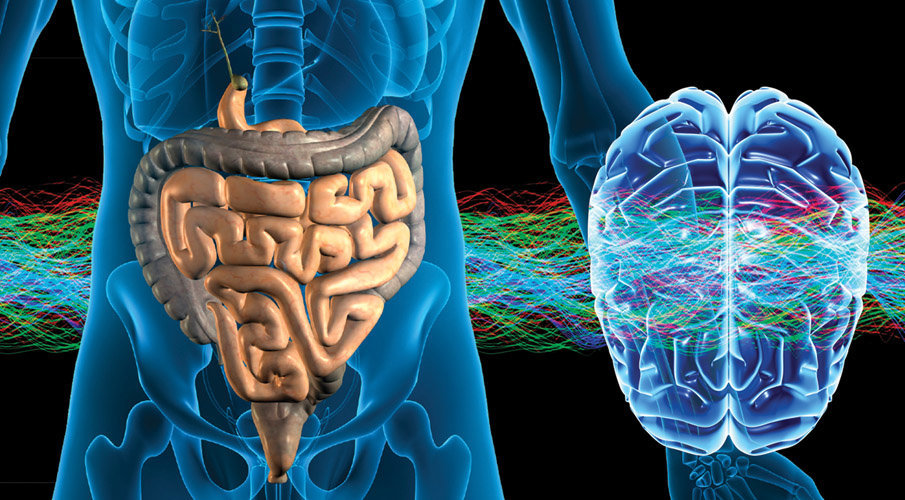
Your gastrointestinal tract is now considered one of the most complex microbial ecosystems on earth, and its influence is such that it's frequently referred to as your "second brain."

Nearly 100 trillion bacteria, fungi, viruses and other microorganisms compose your gut microbiome, and advancing science has made it quite clear that these organisms play a major role in your health, both mental and physical. Your body is in fact composed of more bacteria and other microorganisms than actual cells, and you have more bacterial DNA than human DNA.

Comment: The continuing research on gut bacteria and its relation to the brain is truly fascinating and highlights how little we currently know. What seems undeniable at this point is the importance of the gut microbiome and how necessary it is to maintain its integrity. Given the counterintuitive connections between the gut and seemingly unrelated health conditions, it seems the microbiome could be the best place to start in addressing multiple health issues.

See also: