Health & WellnessS


Health

The number one tool for improving your health this year: A glucometer

weight loss tools
© Moscowbear/123RF

Don't fly blind - this simple test provides priceless feedback for your journey.


Is your New Year's resolution to get healthier-physically or mentally? Great!

Now, how are you going to do it? Exercise? Meditation? Diet? How do you know which strategies are worth your time, energy, and money?

If you're thinking of changing your diet, which diet are you going to try? Mediterranean? Plant-based? Low-fat? Ketogenic? Paleo? Weight Watchers? Gluten-free?

Comment: Keeping an eye on your blood glucose levels is an excellent way to catch signs of insulin resistance before they actually become a major problem so that it can be dealt with. Why wait for a doctor to diagnose you? By then, it may already be too late.

See also:


Brain

New blood test helps predict (and prevent?) bipolar disorder

crystal ball
© Andriy Popov/123RF


What your uric acid level is trying to tell you about your depression.


Is It Depression or Bipolar Disorder?

This is one of the most challenging questions psychiatrists face in daily practice, and getting the answer wrong can have serious consequences.

Both major depressive disorder and bipolar disorder can involve bouts of severe depression that interfere with one's ability to function, but manic episodes only occur in bipolar disorder. While most people think of manic episodes as periods of extreme excitement, euphoria and hyperactivity, mania can take other forms, such as irritability, rage, intense anxiety, prolonged panic, or extreme obsessive-compulsive symptoms.

Comment: It seems at this point, it's simply common sense to try dietary adjustments in the attempt to deal with mental symptoms like bipolar disorder or depression. The fact that the mainstream medical community outright refuses to look at this is truly tragic for the many who are suffering. Perhaps a study like the one mentioned above will open more eyes to the undeniable connection between the nutritional status of the body and the proper functioning of the mind.

See also:


Bacon n Eggs

Best of the Web: 'Bad advice': Group of doctors in Canada lobby to change Food Guide, calling for more meat and fat in diet and less carbs and sugar

meat and cheese
© JENNIFER GAUTHIER / STAR METRO
Allen Bradshaw, a pathologist from Abbotsford, B.C., is part of a group of doctors from across the country who have been on a crusade to change the way Canadians are told to eat.

For the past two years, she and her colleague Dr. Carol Loffelmann, an anesthesiologist in Toronto, have spent much of their free time travelling the country, urging colleagues and regular Canadians alike to eat fewer carbohydrates than what's recommended by the government and indulge in fat from sources such as steak and cheese - even if that flies in the face of conventional wisdom.

It's all they can do as they wait to see whether Health Canada will heed the message from their grassroots campaign.

Since 2016, the women, who founded Canadian Clinicians for Therapeutic Nutrition, a national non-profit, have lobbied the government, with letters, an Ottawa meeting and a parliamentary petition signed by nearly 5,000 Canadians, to reconsider the diet advice they believe Health Canada plans to deliver in the next iteration of the Food Guide, which is due out in early 2019, according to a Health Canada spokesperson.

Cassiopaea

Plant hallucinogen Ayahuasca shows promise for diabetes treatment

ayahuasca
For centuries, some indigenous groups in South America have relied on a brew made from the parts of a local vine and a shrub. The effects of this drink, called ayahuasca, would begin with severe vomiting and diarrhea, but the real reason for drinking the tea was the hallucinating that followed. These visions were thought to uncover the secrets of the drinker's poor health and point the way to a cure.

Modern techniques have revealed that one of the compounds underlying these mystic experiences is the psychoactive drug harmine. What these first users of ayahuasca couldn't have known was that, one day, this ingredient in their enlightening brew would be positioned as a key to treating diabetes.

Such a cure is a long way off, but researchers took another step toward it when they combined naturally occurring harmine with a compound synthesized from scratch in a lab. Together, the pair can coax the insulin-producing pancreatic cells, called beta cells, into replicating at the fastest rates ever reported, according to findings published December 20 in Cell Metabolism.

Comment: Research like this leads the way in discovering another link between compounds that affect both the mind and body, similar to how the consumption of halluncinogenic mushrooms have been shown to relieve depression symptoms, as just one example: Also check out SOTT radio's: Behind the Headlines: Curing Diabetes and Other Modern Illnesses: Interview With Dr. Antti Heikkilä


Biohazard

Only the tip of the iceberg: How toxins cause disease

Toxins in petri dish
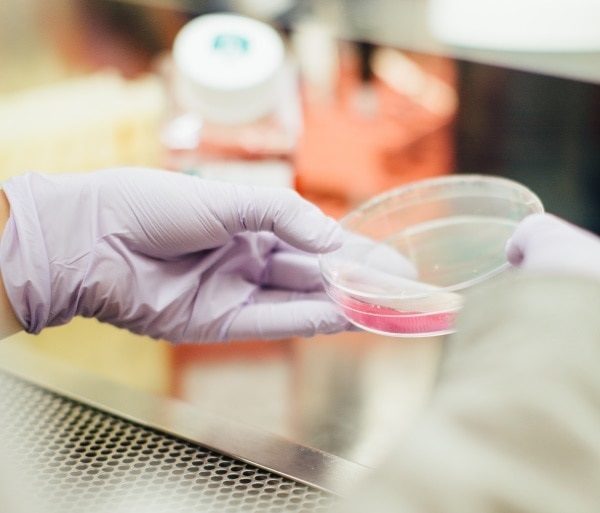
Although the word toxin sounds scary, most people don't grasp precisely how toxins interact with human physiology and how long this has been a problem for humans. Doctors noticed almost two hundred years ago that toxins like mercury were causing "mad hatter disease." It was also known that toxicity from leaded water pipes was a major cause of the decline of the Roman Empire. But in the past, these toxins were largely limited to occupational exposure.

Only people who performed certain specific tasks- coal miners, who inhale coal dust, for example-were known to be casualties. Doctors didn't consider the rest of the population to be at risk. But with the explosion of industrial activity and products, that has changed. Following more research, scientists and perceptive clinicians now better understand that toxicity affects most-if not all-of the population. The more research I look at and the more patients I care for, the more convinced I am that we are seeing only the tip of the iceberg.

How toxins damage our bodies

Basically, there are eight ways toxins damage our bodies.

Toxins poison enzymes so they don't work properly.

X

What foods are banned in Europe but not in the U.S.?

foods
© Eric Gaillard/ReutersSome foods, like those found in this grocery store in Nice, France, don't contain food additives that would otherwise be allowed in foods in the United States.
The European Union prohibits many food additives and various drugs that are widely used in American foods.

Q. What foods are banned in Europe that are not banned in the United States, and what are the implications of eating those foods?

A. The European Union prohibits or severely restricts many food additives that have been linked to cancer that are still used in American-made bread, cookies, soft drinks and other processed foods. Europe also bars the use of several drugs that are used in farm animals in the United States, and many European countries limit the cultivation and import of genetically modified foods.

"In some cases, food-processing companies will reformulate a food product for sale in Europe" but continue to sell the product with the additives in the United States, said Lisa Y. Lefferts, senior scientist at the Center for Science in the Public Interest, a food safety advocacy organization.

Dollars

How much does Big Pharma pay your doctor?

money
In 2014, Harvard University stated that prescription drugs are the 4th leading cause of death. North American culture practically worships the pharmaceutical industry and often fails to recognize many of the issues within it. Many Americans are completely unaware that new prescription drugs have a 1 in 5 chance of causing serious reactions, even after being approved.

In fact, approximately 1.9 million people are hospitalized annually due to properly prescribed medication (not including any overdoses, self-prescriptions, or mis-prescribing). 128,000 people die every year in the U.S. from drugs prescribed to them, so why is this still happening? The reality is, drug companies make a lot of money from selling prescriptions, and they even pay doctors to do it for them.

Comment: Dollars for Docs: How Industry Dollars Reach Your Doctors


Rose

Could nurturing your green thumb help you live to 100?

Work hard. Nicoyan centenarian
© Enchanting Costa RicaWork hard. Nicoyan centenarian
Dan Buettner has studied five places around the world where residents are famed for their longevity: Okinawa in Japan, Nicoya in Costa Rica, Icaria in Greece, and Loma Linda in California and Sardinia in Italy.

People living in these so-called "blue zones" have certain factors in common - social support networks, daily exercise habits and a plant-based diet, for starters. But they share another unexpected commonality. In each community, people are gardening well into old age - their 80s, 90s and beyond.

Comment: Blue Zones: Lessons for living longer from centenarians across the globe


Health

Multimillion $ industry: Colonoscopy found to be far more 'dangerous and potentially deadly' than previously thought

Colonoscopy
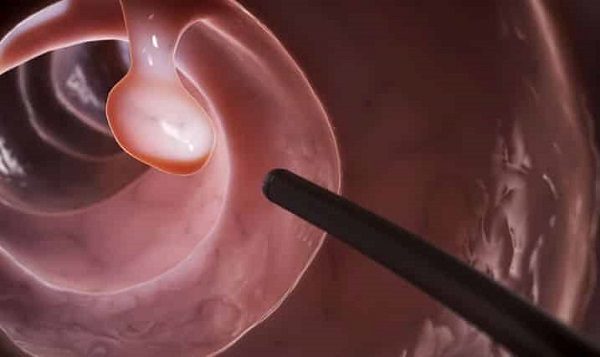
The procedure known as colonoscopies as a prophylactic for colon cancer is a multimillion dollar industry. Every year, over 14 million perfectly healthy individuals age 50 and up, submit themselves to this invasive procedure hoping to detect colorectal cancer. But is it really effective?

It's a Painful and Dangerous Procedure

It's actually far more dangerous-and potentially deadly-than they'd like to admit. According The Annals Of Internal Medicine's report on colonoscopies, an estimated 70,000 (0.5%) will be injured or killed by a complication related to this procedure. This figure is 22% higher than the annual deaths from colorectal cancer itself - the very disease the device was designed to prevent.

According to the Telemark Polyp Study I, colonoscopies actually increase mortality by 57% . For every person saved by a colonoscopy, 56 people suffer serious injury. A person can live for decades with colon cancer, but if the doctor punctures a hole in your intestine, you can die in a hurry.

It is very possible, and clinically proven, that you can be infected by HPV (Human Papilloma Virus); HIV; Mycobacterium tuberculosis, Helicobacter pylori,; Hepatitis B and C; Salmonella; Pseudomonas and Aeruginosa; Flu Viruses and other common bacteria such as, E. Coli O157:H7 and Creutzfeldt- Jakob Disease.


Life Preserver

Acupuncture's largest and most all-encompassing channel is stimulated by a popular yoga pose

down dog
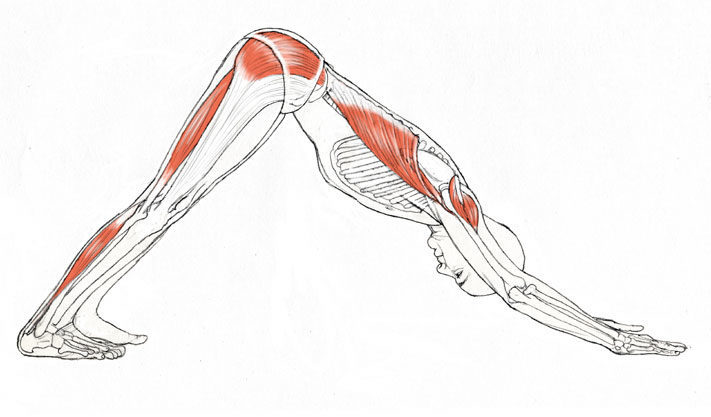
Downward-facing dog is the most ubiquitous pose in yoga. Interestingly, the ancient Chinese art and science of acupuncture can help explain why.

This popular yoga pose is the one we see in advertisements and movies, on yoga DVDs, and the covers of health and fitness magazines. Downward-facing dog is taught in beginner yoga classes and returned to again and again by the most advanced yoga practitioners.

Almost everyone who has tried yoga, no matter their skill level, is familiar with downward-facing dog. Even people who have never set foot on a yoga mat can visualize the pose, known in Sanskrit as adho mukha svanasana.

So why is downward-facing dog the media darling of yoga poses? What keeps people coming back to this pose? Why does downward-facing dog make us feel so good? And what the heck does this have to do with acupuncture?

Comment: Modern science confirms yoga's many health benefits