Health & WellnessS


Cloud Grey

Why irregular nap times may be bad for you

sleep
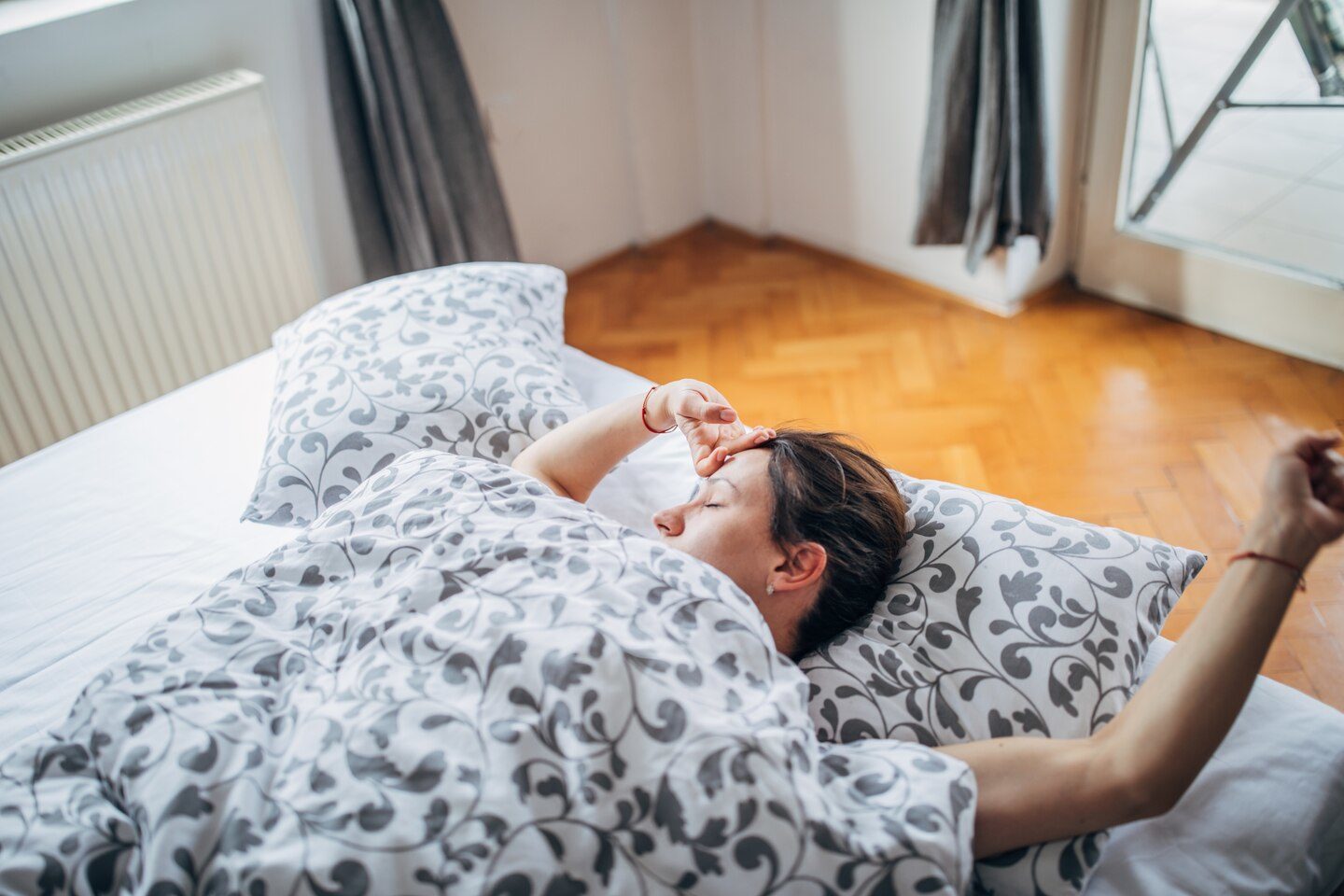
Everyone likes a good nap now and then, right? Whether you nod off during a boring movie, or rest your head on your desk at work for 20 minutes or so to fight the afternoon slump, naps can revitalize you in a major way.

One study even showed they can boost performance and memory regulation better than caffeine. This all sounds great in theory, but many people — myself included — find naps do the opposite.

I wake up from naps feeling like I'm in the throes of a New Year's Day-strength hangover. It takes me at least 20 minutes to recover from them, and I never end up seeing any of the benefits. Even when I timed my nap to be no more than 30 minutes — the nap length sleep experts claim is the most beneficial — I came out of it certain I was experiencing the early stages of the flu (I wasn't).

Naturally, I've always been a little jealous of the people who take naps and wake up feeling like a million bucks. I'm a healthy, youngish, childless woman who regularly sleeps seven to eight hours a night — why don't naps work for me?


Comment: See also: And check out SOTT radio's:The Health & Wellness Show: The Importance of Sleep


Health

Study: Elderberries block flu virus from attaching to and entering human cells

elderberries

New study explains how elderberries stop the flu virus dead in its tracks.


Scientists have identified a chemical compound in elderberries that immediately immobilizes the flu virus.

Previous studies have already shown elderberry extract can ease flu symptoms and cut the duration of the illness in half, but a new study explains exactly how the ancient remedy works.

Comment: See also:


Eggs Fried

Eggs are not bad for your heart, thirty-year study finds

eggs
© Getty ImagesResearchers say eating up to one egg every day is not associated with an increased risk of cardiovascular disease (CVD) - which can lead to heart attack or stroke.
Eggs will not increase your heart disease or stroke risk as previously feared, a thirty-year study has found.

Because of their cholesterol content, eggs have long been the subject of fierce debate around their role in causing heart problems.

But scientists say they have finally cracked the case - confirming that there is no link.

Comment: See also:


Health

How the method of birth can influence lifelong health

natural child birth
Microorganisms in your gastrointestinal tract form a highly intricate, living "fabric" that plays an integral part in your health, affecting everything from body weight and nutrition to chronic diseases of all kinds. And, as detailed in the featured documentary, "Microbirth," written, produced and directed by Alex Wakeford and Toni Harman, the groundwork for your gut microbiome laid at the time of birth.

The film highlights how events during childbirth have lifelong consequences, and reviews the current scientific views on how to best seed your baby's microbiome in order to build a robust immune system.

Importantly, a baby basically "inherits" the microbiome from its mother, which is why it's so important to address your gut health before, during and after pregnancy.

Comment: See also:


Brain

The number of millennials with early-onset Alzheimer's disease is surging, report finds

dissaffected teen
The number of Americans being diagnosed with early-onset dementia and Alzheimer's disease at younger ages is surging, according to a new report from the Blue Cross Blue Shield Association.
Dementia and Alzheimer's disease traditionally have been considered a concern for older generations. But recent spikes in early onset of these conditions in Americans as young as 30 suggest a different story.

Between 2013 and 2017, early-onset dementia and Alzheimer's diagnoses increased by 83% among commercially insured Americans aged 30 to 44, according to a report released by the health care insurer. That age group includes the oldest millennials.

Overall, early-onset diagnoses increased by 200% among commercially insured Americans between ages 30 to 64. That included a 50% jump among those 45 to 54 and by 40% for those aged 55 to 64.

The average patient was diagnosed at age 49.

Comment: See also:


SOTT Logo Radio

SOTT Focus: Objective:Health - When Placebos Aren't Placebos

O:H header
The 'gold standard' in nutritional and medical studies is the random controlled trial (RTC) which relies on the fact that neither the experimenters nor the subjects are aware of which subjects are getting the actual intervention or are receiving a placebo (an inert preparation that is indistinguishable from the real substance being tested, be it a pill, an injection, etc.). The idea is that this will control for the bias of both the experimenters and the subjects so that their preconceived notions don't affect the results of the trial.

But a recent controversy has lead many to question the validity of many these studies. It turns out unscrupulous scientists have figured out a way to manipulate the results by using placebos that aren't actually inert substances. The ingredients of the placebos used in trials are often not disclosed (the information being carefully protected, as some researchers and reporters have discovered). It seems that placebo tampering is yet another way for some scientists to manipulate the data to show their drugs are more effective and have less side effects than they actually do.

Join us on this episode of Objective:Health as we look into the implications of placebo tampering. Can we trust any science at all at this point?


And check us out on Brighteon!


For other health-related news and more, you can find us on:
♥Twitter: https://twitter.com/objecthealth
♥Facebook: https://www.facebook.com/objecthealth/
♥Brighteon: https://www.brighteon.com/channel/objectivehealth

And you can check out all of our previous shows (pre YouTube) here.

Running Time: 00:27:39

Download: MP3 — 24.9 MB


Mr. Potato

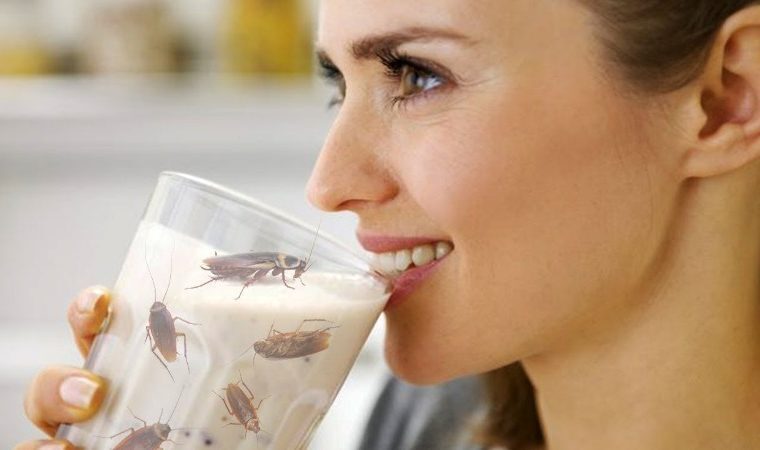
Why cockroach milk is the new health obsession (for lunatics)

cockroach milk
'Yummy in your tummy!'
Our health is of great value and we are always on the look-out for the product that will provide us with numerous health benefits. Well, there is something new in Nature and that is the milk of the Pacific Beetle cockroach. Believe it or not, this milk is packed with valuable nutrients.

The cockroach species recognized under the name of Diploptera punctata produces this super healthy milk. Its valuable content was acknowledged by a research team based at the Institute for Stem Cell Biology and Regenerative Medicine in India and its findings were released in the Journal of the International Union of Crystallography.

Diploptera punctata is native to India, Australia, China, Hawaii, and Fiji. The milk of this species is high in calories and fats containing plenty of essential lips, and all 9 essential amino acids highly needed for human cell growth. This milk is being secreted in the cockroach's brood sac (uterus) and imbibed by the embryo thus quickly developing pharyngeal muscles.

A 40-day-old female secretes a pale yellow liquid that nourishes the offspring containing crystalloid protein molecules. These crystals are a complete food, being full of fats, proteins, and sugars according to the findings of the researcher Sanchari Banerjee. According to the analysis, this milk has in its content 45% protein, 5% free amino acids, 22% lipids, and 25% carbs. This milk contains three times more the energy of an equivalent mass of dairy milk.

Comment: Disgusting!

You'd have to be one messed-up person to consume that.


Health

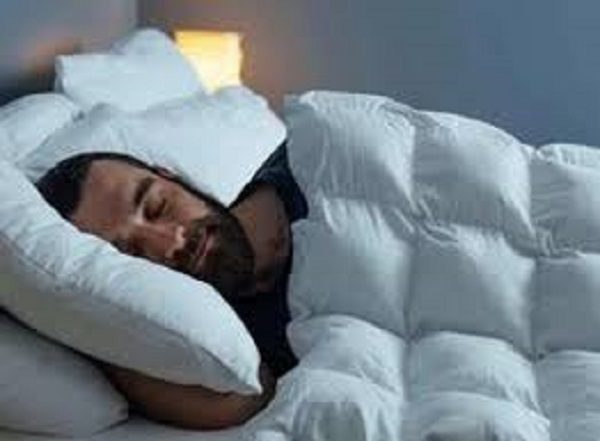
The weighted blanket that scientifically puts you to sleep, helps with anxiety and depression

Weighted blanket
The weighted blankets are very popular recently, especially on social media as they offer a lot aside the needed comfort.

They are called weighted as they weigh more than the standard blankets, in the range of 4 to 30 pounds. The reason for that is that they are filled with natural substances such ashemp, buckwheat, and hypo-allergenic fillers like glass beads. All these substances bring many benefits for the body, but the additional weight does something even more it offers a deep touch pressure therapy (DTP).

DTP - THE DEEP TOUCH PRESSURE THERAPY

The sensory processing disorders benefit a lot from this therapy so its implementation will be very helpful in the treatment of autism spectrum disorder, Alzheimer's dementia, depression attention deficit hyperactivity disorder(ADHD), and sensory processing disorder (SPD). All these disorders are commonly related to anxiety, depression, chronic stress, restlessness, poor attention spans, and irregular sleeping patterns.

The weighted blankets are very popular recently, especially on social media as they offer a lot aside the needed comfort.

Comment: See also: Weighted blankets might ease insomnia and anxiety, here's what to know before purchasing one


Wine n Glass

Alcohol: The deadliest drug

alcohol addiction
Opioids are taking the news headlines by storm, and rightfully so, as we are living amongst a deadly opioid overdose epidemic here in the U.S. People are dying from prescription pills every day, and we cannot do enough to reduce the number of these deaths. However, what we don't hear enough about is alcohol and how deadly it is. Alcohol is the most socially acceptable drug on the market and the most easily accessible. Even with this knowledge, the general public still has a tendency to believe alcohol is ok, not dangerous, and an acceptable form of relaxation. Science tells us something different. Alcohol is the deadliest drug of all. Let's look at why this is true.

Comment: The Australia-first study: Alcohol causes most overall harm of any drug


Monkey Wrench

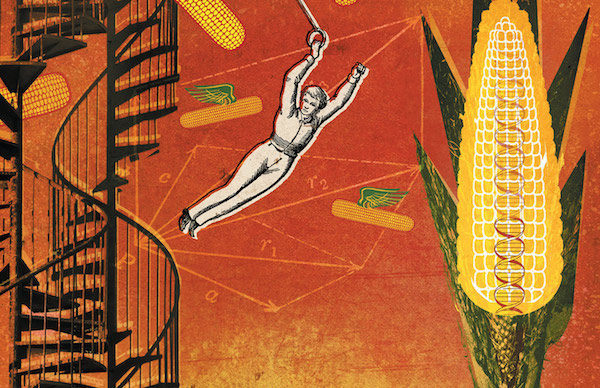
Genetically Engineered Food - The lie that won't die

Genetically engineered foods
© The Nation
Promises, promises, promises. The toxic world of genetically modified organisms (GMOs) and industrial agriculture is built on false promises. For nearly 30 years we have been listening to the propaganda of the big biotech companies like Monsanto/Bayer, Syngenta, DuPont/Pioneer, BASF and others about how genetic engineering will transform farming and food production.

We've heard how it will reduce the environmental impact of farming by lowering pesticide use. We've been promised that it will increase the nutritional content of food. We've been told how it will boost farmers' profits by increasing yields, and that those increased yields will help "feed the world."

As the problem of man-made climate change has moved to the top of the global agenda, new promises have emerged about how GMOs will fight climate change and how genetic engineering will make plants more resilient to drought and flooding. The huckster promises keep on coming, but what has the biotech industry actually delivered over nearly three decades?