Health & WellnessS


Shoe

The 4 laws of muscle

weight training
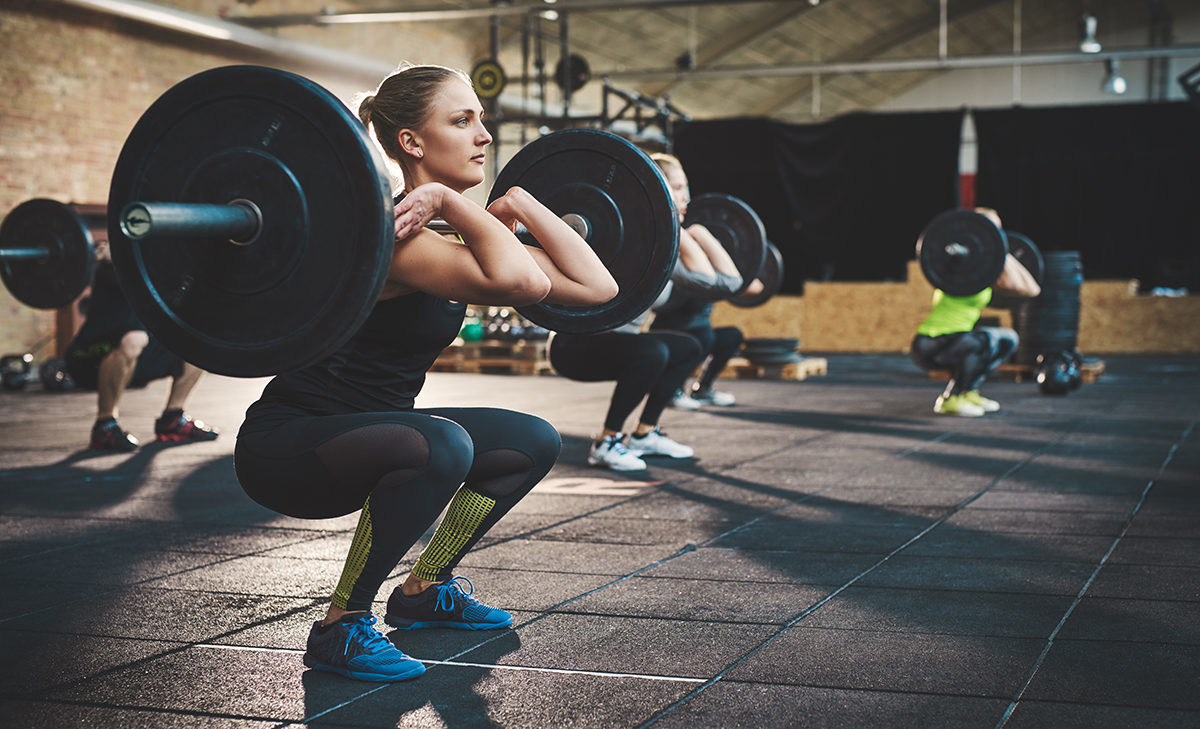
While many tend to think about strength training as a form of vanity — developing a six-pack and a bulging "muscle-man" look and whatnot — building and maintaining muscle is actually a lifesaving strategy, and an imperative for a long and healthy life.

Anytime you're sick or hospitalized, having reserve muscle mass will improve your chances of survival,1 and as I'll discuss below, you can lose significant amounts of muscle in a single week of bedrest.

Muscle is lost far more easily and quicker than it's built, so finding ways to continuously promote and maintain your muscle mass is really crucial, especially as you get older.

Comment: See also:


Health

Tons of vitamin C to Wuhan

Tractor trailer
We can all agree that 50 tons of vitamin C pretty much qualifies as a megadose. We can also likely agree that trucking 50 tons of vitamin C, straight into Wuhan, full in the face of the COVID-19 epidemic, qualifies as news.

The news media are not reporting this, or any other, significantly positive megavitamin news.

Loving the photo, but needing authentication, I consulted my physician correspondent in China, Richard Cheng, MD. He confirmed it, saying: "This was reported in the Chinese media about 2 weeks ago." Another translator has also independently verified the accuracy of the translation.

DSM, by the way, simply stands for Dutch State Mines, the Netherlands-based parent of DSM Jiangshan Pharmaceutical Co., Ltd. The Chinese division has been recognized as a "China Enterprise with Outstanding Contribution to Social Responsibility." https://www.dsm.com/countrysites/locations/jiangshan/en_us/home.html There is another DSM factory in Scotland, which also manufactures vitamin C.

Comment: See also: Three intravenous vitamin C research studies approved for treating COVID-19


Bacon n Eggs

Leading scientists agree: Current limits on saturated fats no longer justified

meat and dairy
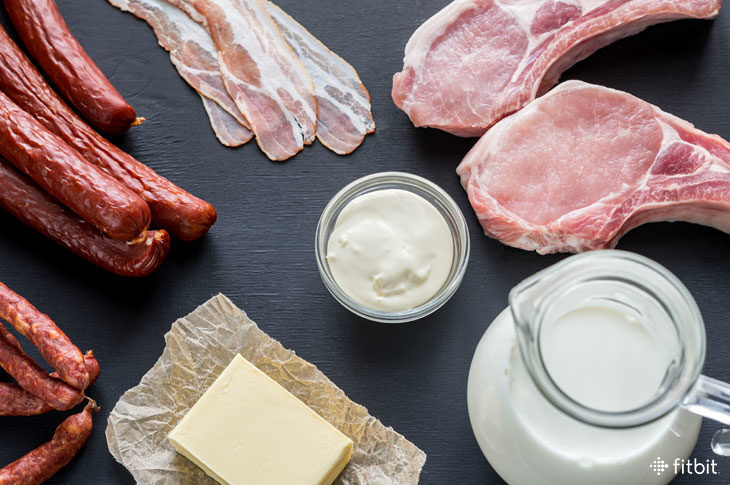
Following a two-day, DC-based workshop entitled "Saturated Fats: A Food or Nutrient Approach?" a group of leading nutrition scientists, mainly from the U.S., released a consensus statement detailing their findings on the latest research regarding the intake of saturated-fats and heart disease. After reviewing the evidence, the expert group agreed that the most rigorous and current science fails to support a continuation of the government's policy limiting consumption of saturated fats.

Members of workshop, who met Feb 10-11, included three former members of the Dietary Guidelines Advisory Committee (DGAC), from 1995 and 2015, as well as the chair of the 2005 DGAC. The DGAC is an expert group, appointed every five years to review the science for the government's nutrition policy, the U.S. Dietary Guidelines for Americans (DGA), and make recommendations to the two agencies that jointly issue those guidelines, the U.S. Department of Agriculture (USDA) and the Department of Health and Human Services (HHS).

Members of the group wrote a consensus statement on saturated fats and also sent a letter regarding their findings to the Secretaries of USDA and HHS. The letter stated, "There is no strong scientific evidence that the current population-wide upper limits on commonly consumed saturated fats in the U.S. will prevent cardiovascular disease or reduce mortality. A continued limit on these fats is therefore not justified."

Comment: See also:


Biohazard

The hidden risks of pesticides

tractor pesticide spray
Chemical pesticides have become a mainstay of modern agriculture, despite red flags that they're slowly destroying ecosystems. (Technically, pesticides are designed to kill insects, while herbicides are used to kill weeds or substances like bacteria or fungi, but when discussing them, the U.S. EPA lumps them all together as "pesticides."1)

Part of what makes assessing the health and environmental risks of pesticides so difficult is that many of the risks remain unknown, and those that are known can be difficult to quantify, no matter what they're called.

So, researchers like Robert Brucker, who heads up a lab in the Microbial Sciences Initiative at the Rowland Institute of Harvard, are invaluable. Brucker and colleagues are looking into the hidden risks of pesticides — silent, insidious changes that are occurring before our eyes yet often under the radar, such that standardized risk assessments do not consider them, but should.

Comment: See also:


Cow

There's no evidence full-fat dairy is bad for kids, study says

bottle of milk
There's little scientific evidence behind recommendations by US health organizations that kids should stop eating full-fat dairy after the age of two, according a new analysis of 29 peer-reviewed studies on the role of dairy and childhood obesity.

"Taken as a whole, the limited literature in this field is not consistent with dietary guidelines recommending children consume preferably reduced-fat dairy products," said lead author Therese O'Sullivan, a clinical dietitian at Edith Cowan University in Australia.

Current guidelines (PDF) from the American Heart Association, the American Academy of Pediatrics and other major US organizations only recommend whole milk and dairy for children aged 12 to 24 months. Australia (PDF) and the UK have similar guidelines.

Comment: Leaving aside whether or not dairy is in fact good for people in general, (recognizing the importance of recognizing individual differences in how we all respond to different foods), there is little doubt at this point that whole fat dairy products are healthier than low or no-fat versions. Fat has never been an issue, yet the 'fat is bad' paradigm is so firmly entrenched that some scientists and authorities will seemingly never be able to escape it. If you can do milk (and it's worth investigating whether or not you actually can), the whole fat versions are really the only option you should be consuming.

See also:


SOTT Logo Radio

SOTT Focus: Objective:Health - Meat and Mood - Does Red Meat Consumption Really Lead to Depression?

O:H header
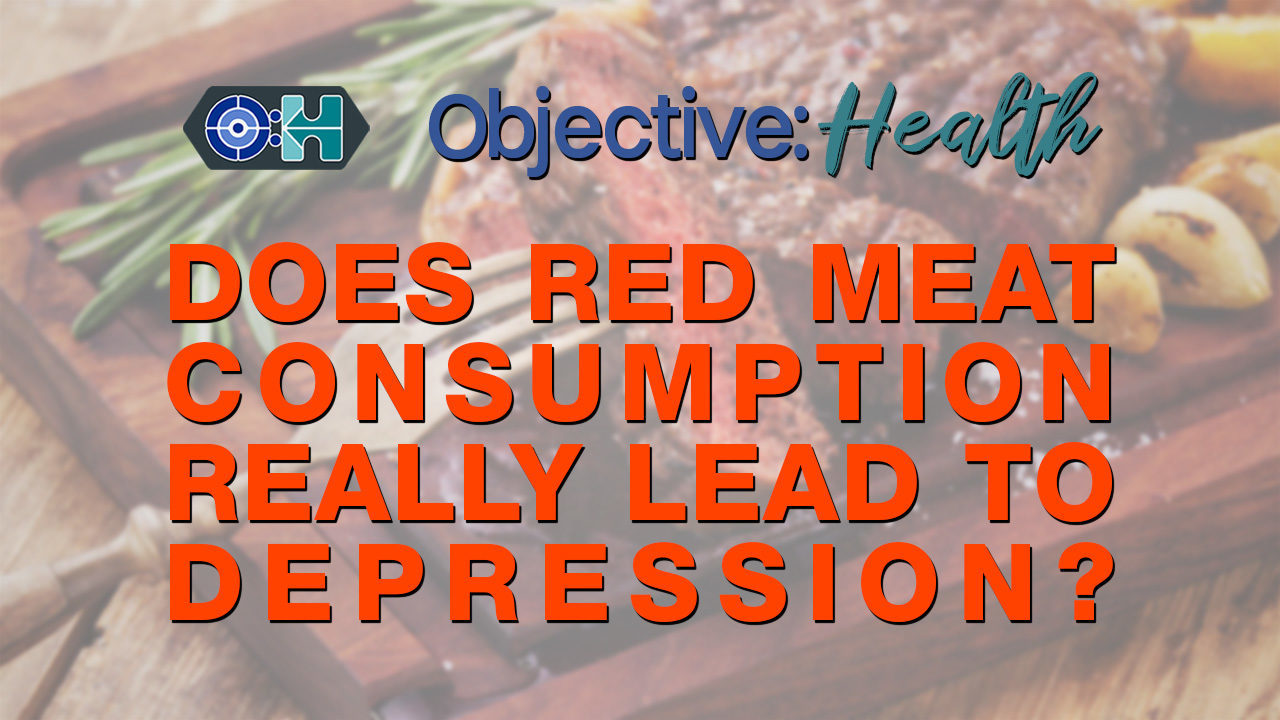
Red meat has gotten the blame for almost every health condition currently afflicting modern society. Red meat raises your cholesterol and clogs your arteries. Red meat causes cancer. Red meat makes you more susceptible to the coronavirus. But when nutritional psychologist Georgia Ede recently read the Dietary Guidelines for Americans and came across a statement that red meat causes depression, with 19 studies sited to back up the claim, she decided to dig in to the research and see what this was all about.

On this episode of Objective:Health we talk about Ede's recently posted talk at CrossFit about the propaganda campaign against meat and look specifically at the claim that eating red meat will cause depression. Is it possible that a food we've eaten since the foundation of our race has been making us depressed for all this time? Does this claim actually have any scientific merit? What's the real deal with meat - is eating steak going to make you depressed?


And check us out on Brighteon!


See Georgia Ede's full talk here - https://youtu.be/WbNDrcoRi8g

For other health-related news and more, you can find us on:
♥Twitter: https://twitter.com/objecthealth
♥Facebook: https://www.facebook.com/objecthealth/
♥Brighteon: https://www.brighteon.com/channel/objectivehealth

And you can check out all of our previous shows (pre YouTube) here.

Running Time: 00:30:11

Download: MP3 — 27.6 MB


Eye 1

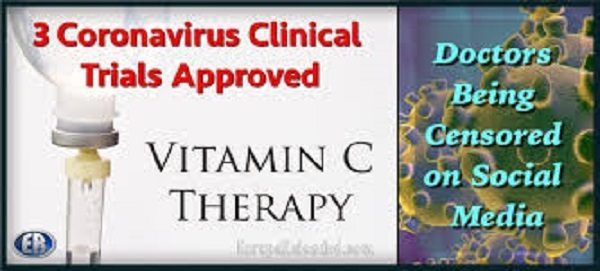
Three intravenous vitamin C research studies approved for treating COVID-19

Vitamin C
Intravenous vitamin C is already being employed in China against COVID-19 coronavirus. I am receiving regular updates because I am part of the Medical and Scientific Advisory Board to the International Intravenous Vitamin C China Epidemic Medical Support Team. Its director is Richard Z. Cheng, MD, PhD; associate director is Hong Zhang, PhD. Among other team members are Qi Chen, PhD (Associate Professor, Kansas University Medical School); Jeanne Drisko, MD (Professor, University of Kansas Medical School); Thomas E. Levy, MD, JD; and Atsuo Yanagisawa, MD, PhD. (Professor, Kyorin University, Tokyo).

Direct report from China

OMNS Chinese edition editor Dr. Richard Cheng is reporting from China about the first approved study of 12,000 to 24,000 mg/day of vitamin C by IV. The doctor also specifically calls for immediate use of vitamin C for prevention of coronavirus (COVID-19). https://www.youtube.com/watch?v=TC0SO9KDG7U

A second clinical trial of intravenous vitamin C was announced in China on Feb. 13th. In this second study, says Dr. Cheng, "They plan to give 6,000 mg/day and 12,000 mg/day per day for moderate and severe cases. We are also communicating with other hospitals about starting more intravenous vitamin C clinical studies. We would like to see oral vitamin C included in these studies, as the oral forms can be applied to more patients and at home."

And on Feb 21, 2020, announcement has been made of a third research trial now approved for intravenous vitamin C for COVID-19. https://www.youtube.com/watch?v=VMDX0RSDp1k&feature=youtu.be

Arrow Up

Minnesota mother fights for bill to allow son with seizures to receive CBD oil at school

CBD oil
A mother is taking her fight to the Minnesota State Capitol so that her son with epilepsy can use CBD oil in case he has a seizure.

Fox News reports:
Twelve-year-old Kade King gets on the bus in the morning and for about seven hours does not have what he needs to stop a seizure. His mother, however, is working very hard to get through the roadblock that she says is putting his life and others at risk.

Kade is a happy and generally healthy sixth grader, but his mom worries what will happen if he has a seizure at school. His first seizure was at school back in 2017. Since then, he's had many more.
The worried mother expressed that her son has tried three different epilepsy medications resulting in life-threatening reactions. However, the two things that safely and reliably work for him are medical marijuana and CBD oil.

Comment: Cannabis oil may reduce epileptic seizures in children - study:


Mom treats epileptic daughter with cannabis oil:


Microscope 1

SOTT Focus: Why The Only Thing Influenza May Kill is Germ Theory (Corona Virus-Related)

germ theory

Groundbreaking research indicates that nearly everything we once believed about the purportedly deadly properties of flu virus may be based on institutionalized superstition and myth.


Germ theory is an immensely powerful force on this planet, affecting everyday interactions from a handshake, all the way up the ladder to national vaccination agendas and global eradication campaigns. But what if fundamental research on what exactly these 'pathogens' are, how they infect us, has not yet even been performed? What if much of what is assumed and believed about the danger of microbes, particularly viruses, has completely been undermined in light of radical new discoveries in microbiology?

Some of our readers already know that in my previous writings I discuss why the "germs as our enemies" concept has been decimated by the relatively recent discovery of the microbiome. For background, feel free to read "How The Microbiome Destroyed the Ego, Vaccine Policy, and Patriarchy."

In today's article, I will take a less philosophical approach, and focus on influenza as a more concrete example of the Copernican-level paradigm shift in biomedicine and life sciences we are all presently fully immersed within, even if many in the establishment have yet to fully acknowledge it.

Attention

Is the coronavirus outbreak a hoax?

Coronavirus Outbreak
© Sky News
Why not? The published numbers could easily be completely fabricated or related to other illnesses.

Jon Rappoport has been talking about social engineering around health issues for decades, and the coronavirus situation is no different: How to stage a fake epidemic (and brainwash billions of people).

Let's assume, for a moment, that it's real. How severe is it? I definitely don't know, but guesses range from mild symptoms to China deploying dozens of mobile incinerators to vaporize thousands of corpses per day.

The supply chain disruption, however, is happening, at least to some extent. Again, how severe is it? The guesses range from slightly lower availability of iPhones to TEOTWAWKI.

With virtually no solid information about the origin, severity or even a diagnosis of Covid-19, I laugh at the hair on fire crazy talk about vaccine development for... What exactly?

Thanks, but no.