

© REUTERS/ Kyodo
UTS Geotechnical and Earthquake Engineering senior lecturer Dr. Behzad Fatahi warned on Friday that "no one in the world is safe," and that the question isn't "if" they will occur, but "when."
"There are alot of magnitude 6-plus earthquakes overdue in the Middle East, India, China, Japan and the US," Fatahi told news.com.au. "There are some fault lines that have not released their energy for a while."
If a fault line, represented by two tectonic plates moving at different speeds and in different directions relative to each other, does not release energy, pressure continues to build, and the longer they go without releasing, the more powerful it will be when they finally do.
"There are at least five to 10 that are overdue, but we don't know when they're going to happen. The question is not will they be activated. The question is when."


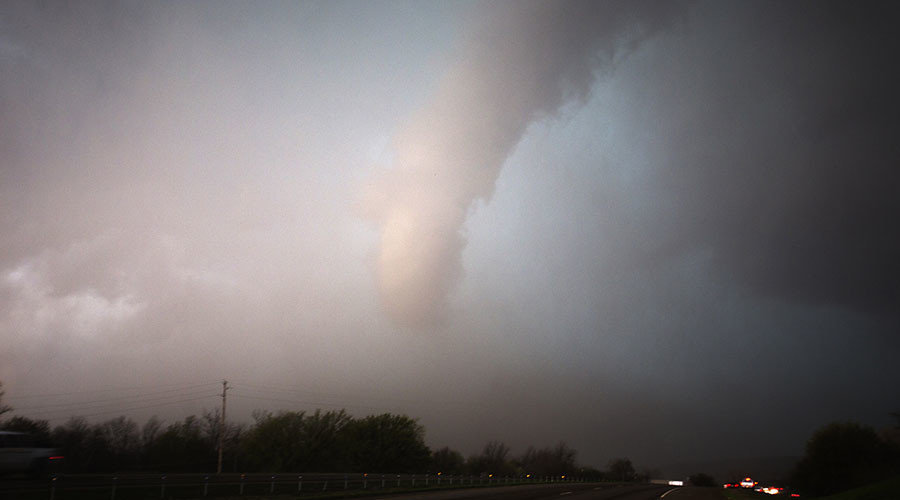

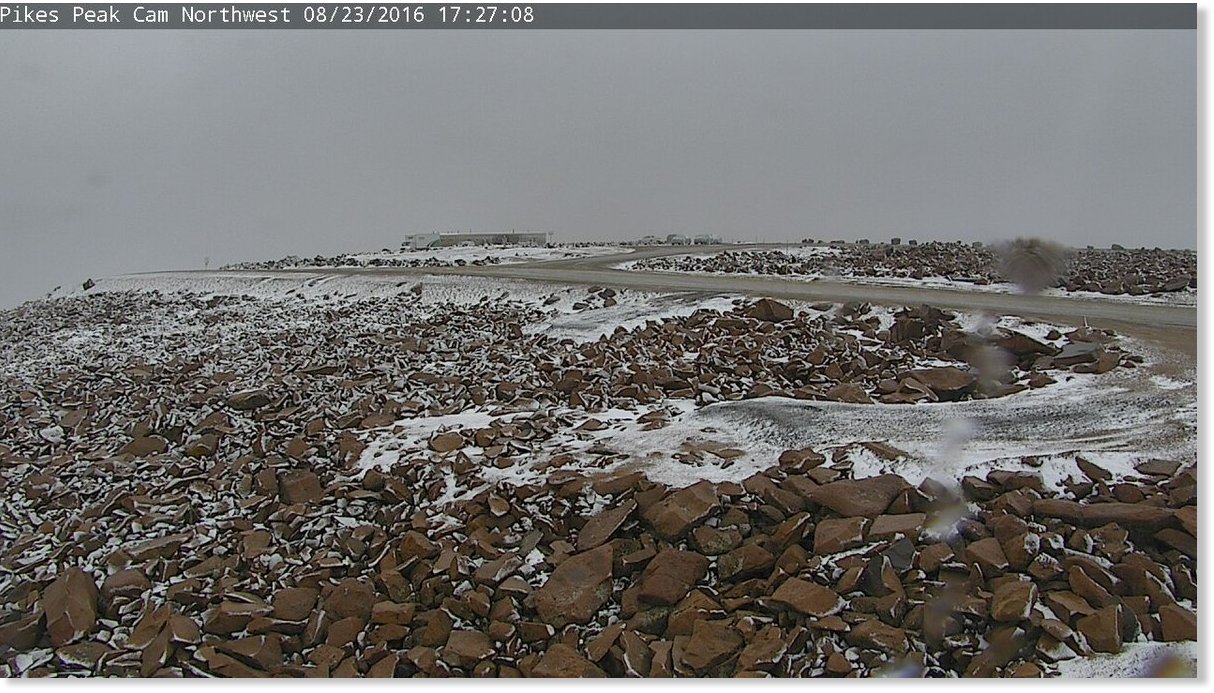
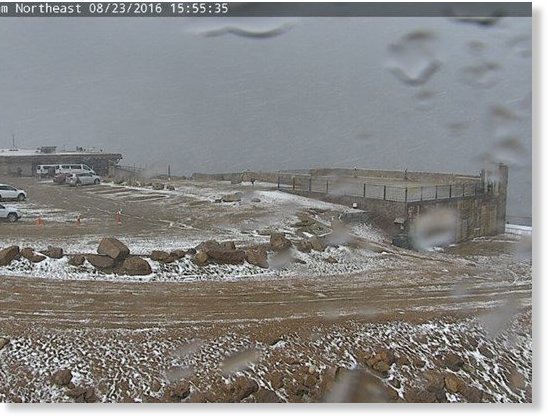

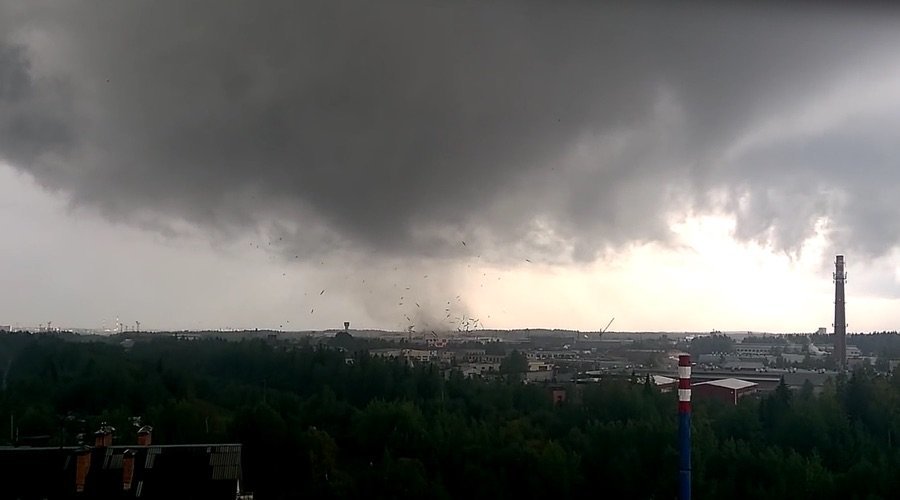

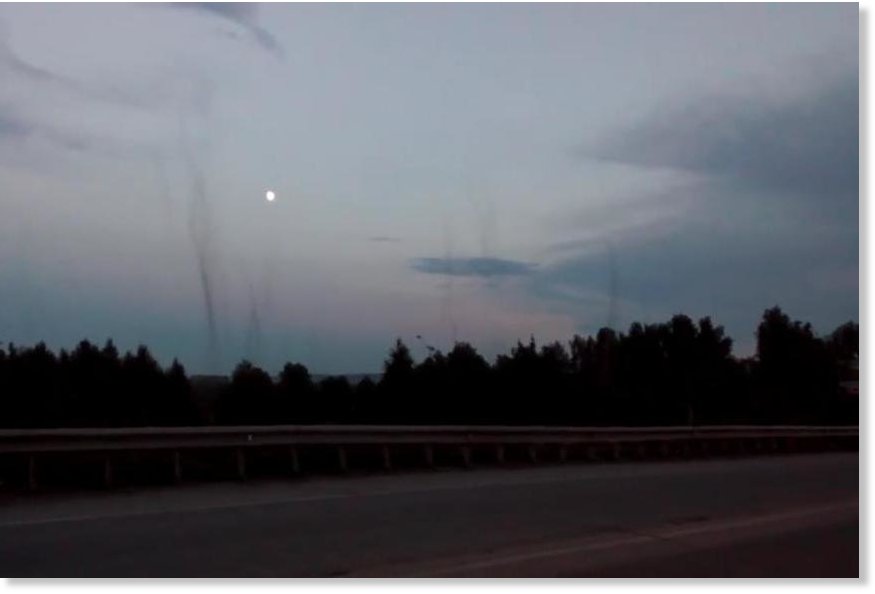
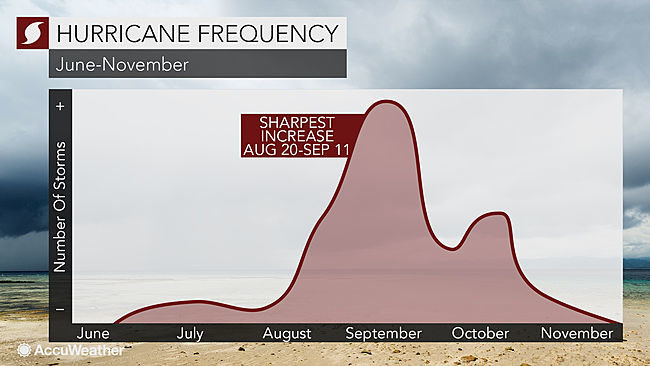
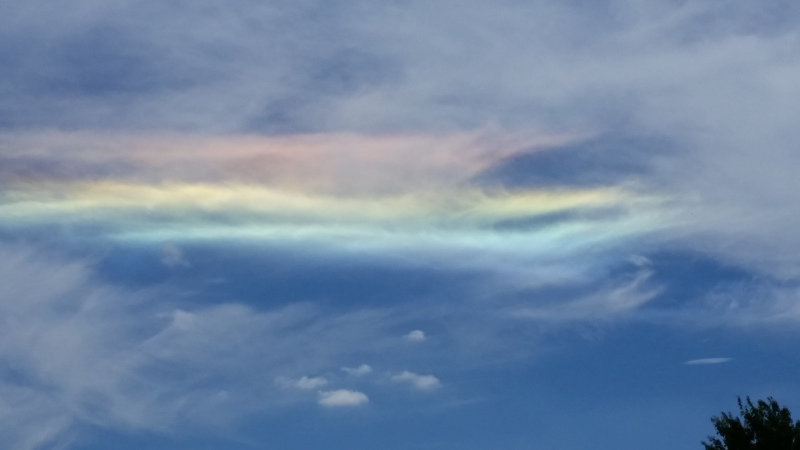





Comment: It looks at though we are in for more wild weather in September and October. See our latest SOTT Earth Changes Summary - July 2016: Extreme Weather, Planetary Upheaval, Meteor Fireballs to get an idea of what may lie ahead.