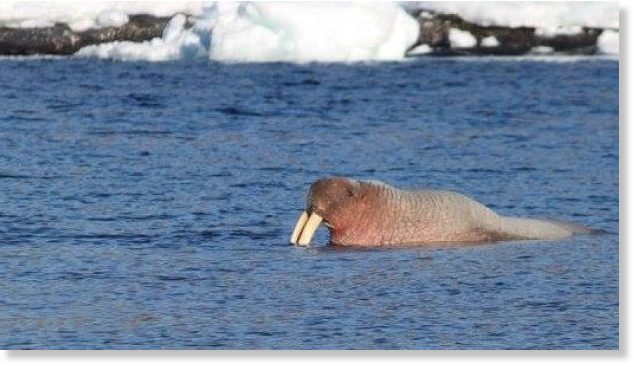
Whales and seals are a common sight in the waters off St. Lunaire-Griquet, at the tip of Newfoundland's Northern Peninsula. Even polar bears show up every now and again, but spotting a walrus was a first for many in the area.
Ruby Taylor Peyton heard the news and headed to the White Cape Harbour area around 6:30 p.m. Monday, where she snapped photos of the marine mammal bobbing in the water.
"Every now and then he'd poke up and just lie back down again," said Taylor Peyton, who had never seen a walrus in the area before.
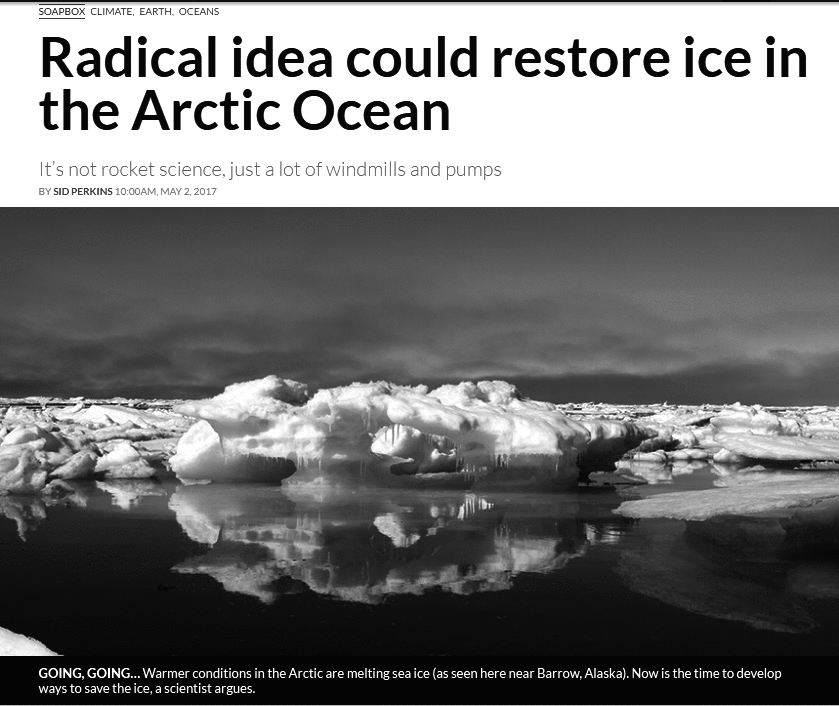
Leave it to a researcher who studies icy moons in the outer solar system to come up with an out-there scheme to restore vanishing sea ice in the Arctic.
Ice is a good insulator, says Steven Desch, a planetary scientist at Arizona State University in Tempe. That's why moons such as Jupiter's Europa and Saturn's Enceladus, among others, may be able to maintain liquid oceans beneath their thick icy surfaces. On Earth, sea ice is much thinner, but the physics is the same. Ice grows on the bottom surface of floating floes. As the water freezes, it releases heat that must make its way up through the ice before escaping into the air. The thicker the ice, the more heat gets trapped, which slows down ice formation. That's bad news for the Arctic, where ice helps keep the planet cool but global warming is causing ice to melt faster than it can be replaced.
The answer to making thicker ice more quickly? Suck up near-freezing water from under the ice and pump it directly onto the ice's surface during the long polar winter. There, the water would freeze more quickly than underneath the ice, where it usually forms.In theory, Desch says, the pumps used for this top-down approach to ice growth could be driven by technology no more sophisticated than the windmills that have long provided water to farms and ranches on the Great Plains.
[...]
Now is the time to begin detailed designs and build prototypes, Desch says. The Arctic Ocean's end-of-summer sea ice coverage has decreased, on average, more than 13 percent per decade since 1979. "There'll be a time, 10 to 15 years from now, when Arctic sea ice will be accelerating to oblivion, and there'll be political will to do something about climate change," Desch says. "We need to have this figured out by the time people are ready to do something."
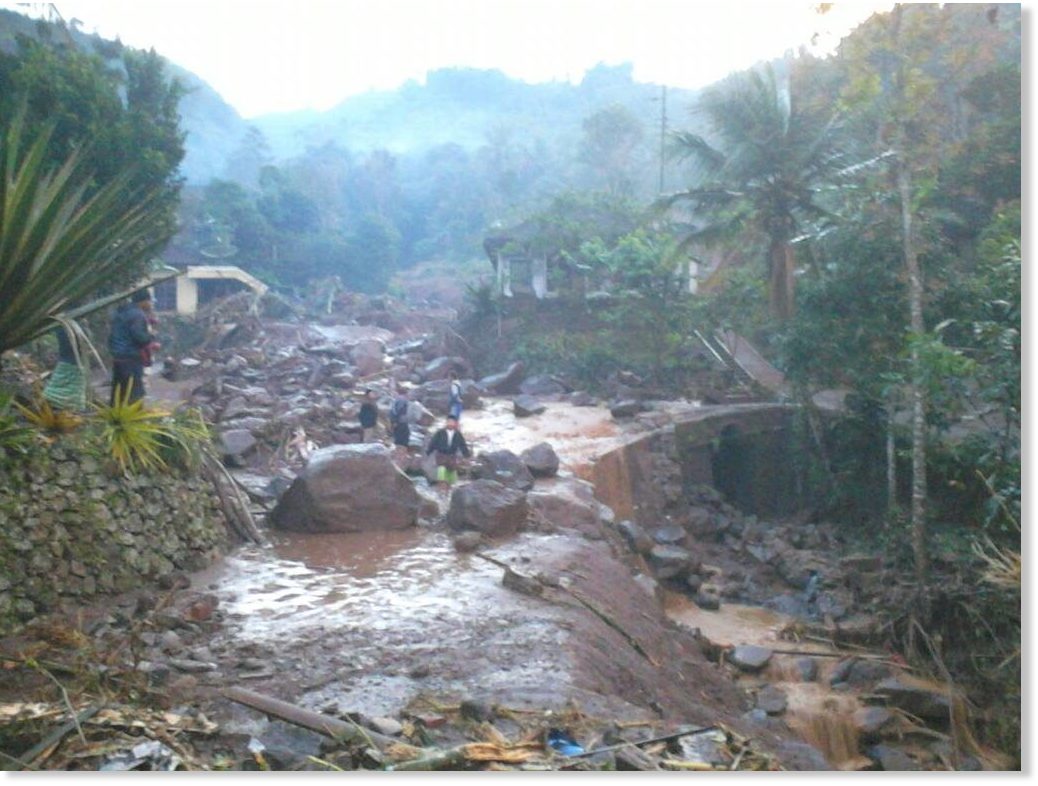
At least 10 people have died in flash floods in Magelang Regency in Central Java province, Indonesia.
The floods struck on 29 April after a period of heavy rain, according to Indonesia's national disaster management agency BNPB. Flooding affected several hamlets near the villages of Sambungrejo and Citrosono, both in Grabag Sub-district.
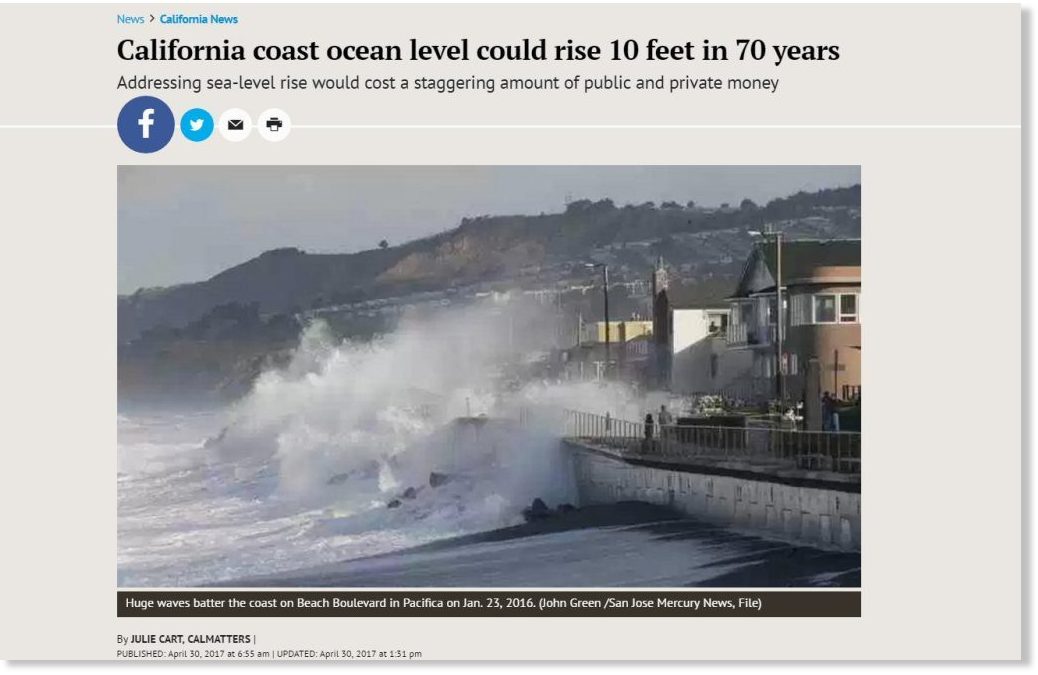
NOAA has just updated its coastal sea level rise tide gauge data including actual measurements through year 2016 which continues to show no evidence of coastal sea level rise acceleration.
These measurements include tide gauge data coastal locations for 25 West Coast, Gulf Coast and East Coast states along the Pacific Ocean, Gulf of Mexico and Atlantic Ocean, 7 Pacific island groups and 6 Atlantic island groups comprising more than 200 measurement stations.
The longest NOAA tide gauge data coastal sea level rise measurement record is at The Battery in New York with its 160 year long data record showing a steady rate of sea level rise of about 11 inches per century.
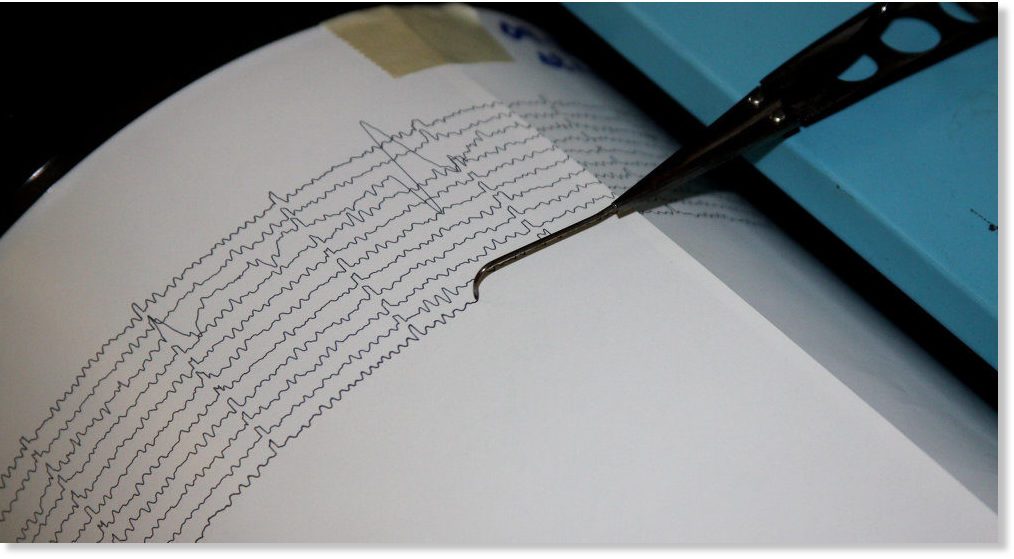
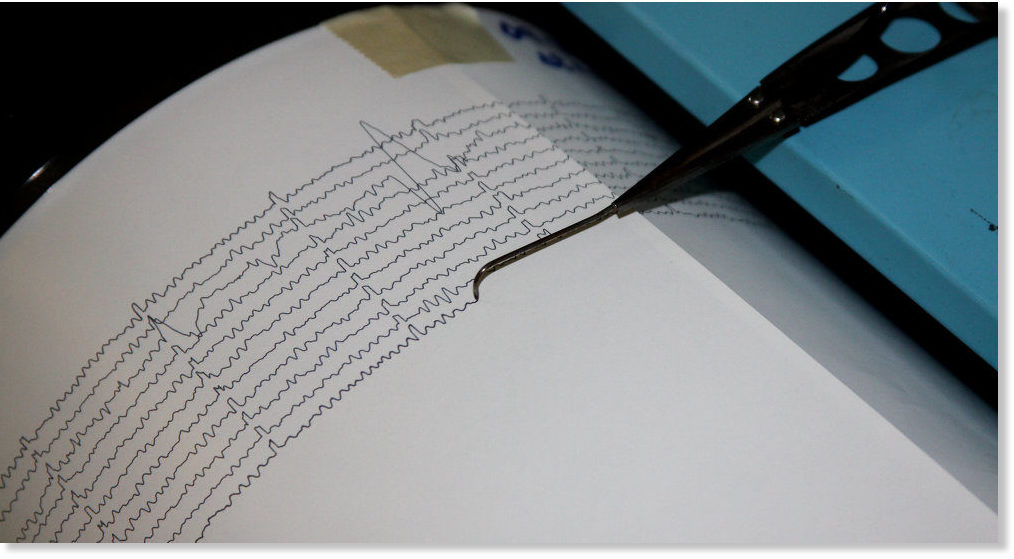
A 5.9-magnitude earthquake occurred in the Central Asia on Wednesday, the European-Mediterranean Seismological Centre (EMSC) reported.
The tremor occurred at the depth of 24 kilometers (some 15 miles), with its epicenter located in Tajikistan. The quake was felt in Kyrgyzstan, Eastern Kazakhstan and Uzbekistan.
According to Kazakhstan's seismologists, the magnitude of the quake in Tajikistan amounted to 6.3.
No information on casualties or damage from the quake has been reported at the moment.
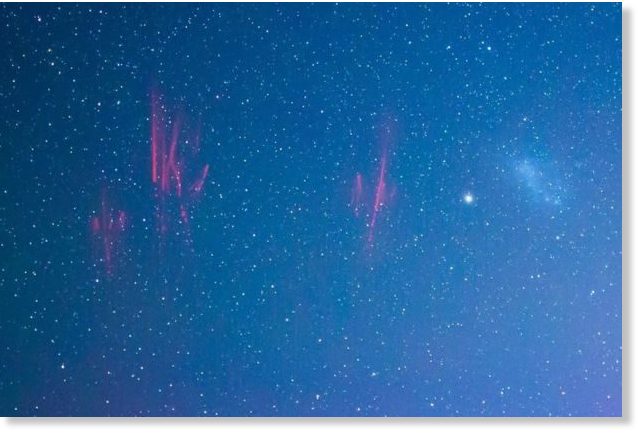
An Australian photographer has captured images of rare sprites, a meteor shower and the Southern Lights - all in a single night.
Sprites - flashes of electricity - can reach the Earth's upper atmosphere, often displaying as a brilliant light.
"It's an intense electrical discharge out of the very top of a thunderstorm," photographer David Finlay told the BBC.
He took photos of the "space lightning" at Kiama, 120km (75 miles) south of Sydney.
"I've been looking for them for about 15 years," he said. "I didn't know if you could see them in New South Wales."
Mr Finlay was trying to shoot the Lyrid meteor shower and Aurora Australis at the same time, focusing his camera on a thunderstorm about 120km offshore.
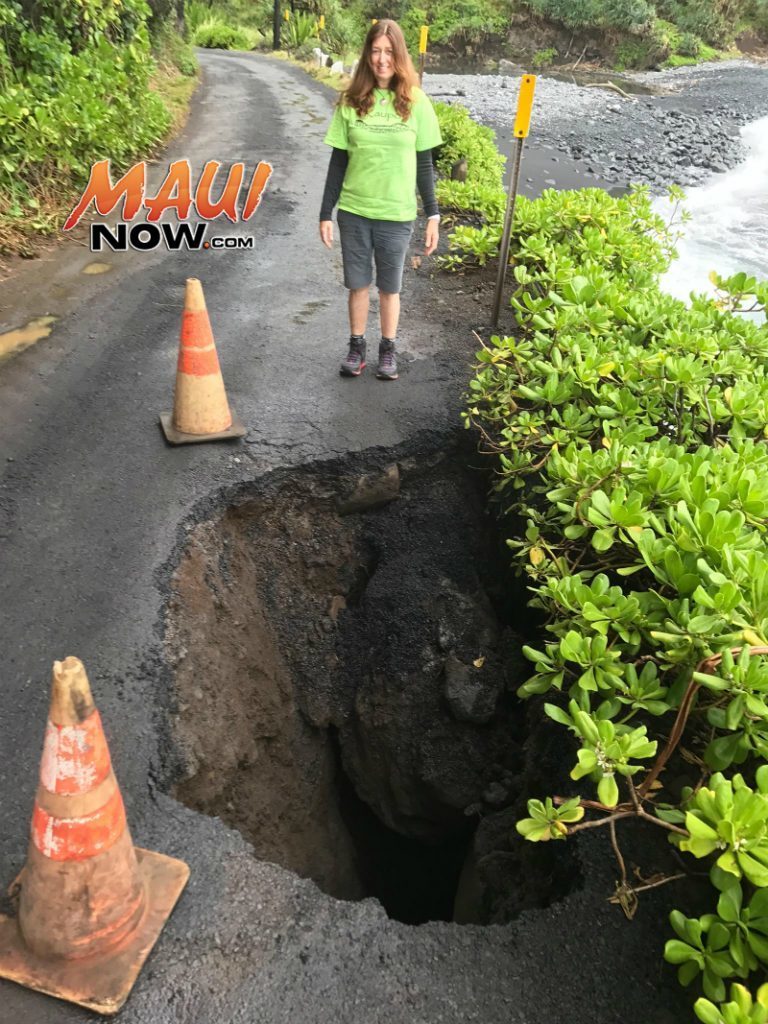
There is no estimated time for when the road will be reopened.
County of Maui Communications Director Rod Antone said Crews from the Public Works Department have closed the road to non-emergency vehicles until repairs can be made.
Antone said crews expect the road to be closed overnight and open again tomorrow after workers can cover the sinkhole with metal plating.
Motorists should take an alternate route until repairs are complete.
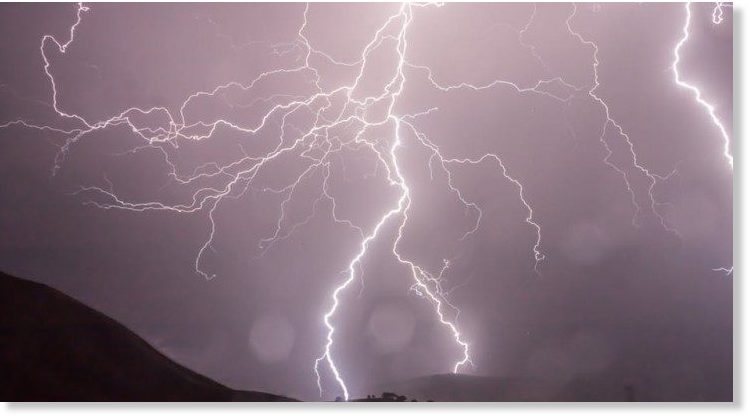
Lighting deaths nearly tripled in Cambodia during the first quarter of 2017, compared to the same period in 2016, an official at the National Committee for Disaster Management said yesterday.
Keo Vy, spokesman at the National Committee for Disaster Management, said during the first four months of this year, a total of 21 people were struck and killed by lightning, up from eight people during the same period the previous year.
The number of injured due to lightning also increased to 26, up from 15 last year, he said. Additionally, 30 cows were killed and three buildings were damaged by lightning.
Comment: NOAA Thumbs its nose at President Trump with "preposterous" sea level rise forecast