Earth ChangesS


Tornado2

Multiple tornadoes touch down in Oklahoma; storm drops tennis ball-sized hail

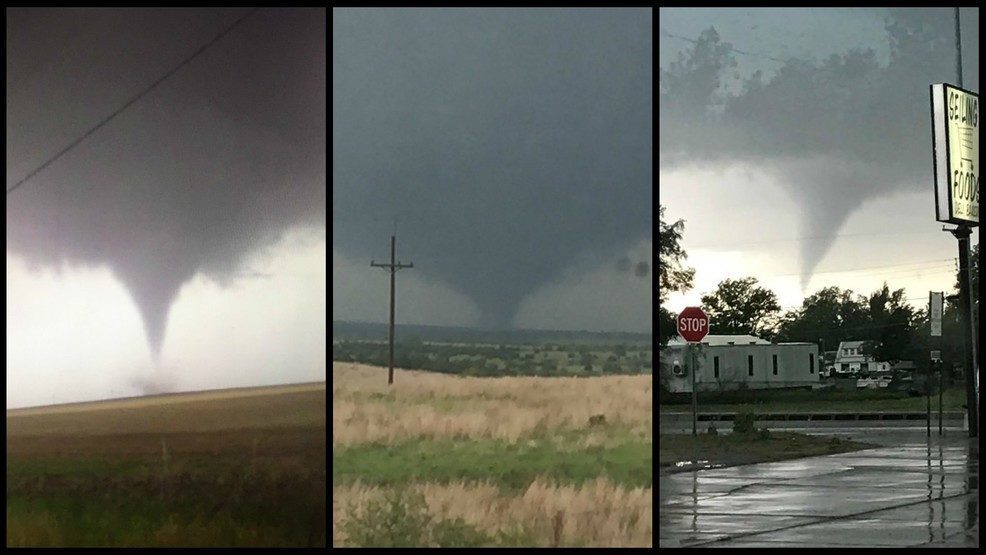
Multiple tornadoes in Oklahoma
© KOKHMultiple tornadoes touched down May 18 in Oklahoma.
Multiple tornadoes have touched down Thursday across western Oklahoma.

A tornado touched down Thursday in Jackson County as stormtrackers followed storms throughout the state.

Just after 1:50 p.m. a tornado warning was issued for Jackson, Harmon and Greer counties until 2:45 p.m. While stormtrackers followed the storm FOX 25 Stormtracker Bobby Hines caught a tornado on the ground a few miles north of Duke, Oklahoma.

The storm was on the ground for several minutes before becoming rain-wrapped. The storm was also produced golf ball to tennis ball-sized hail.

A tornado also was confirmed on the ground south of Waynoka near Highway 281.

Tornadoes also reportedly touched down near Cordell and Weatherford.

Attention

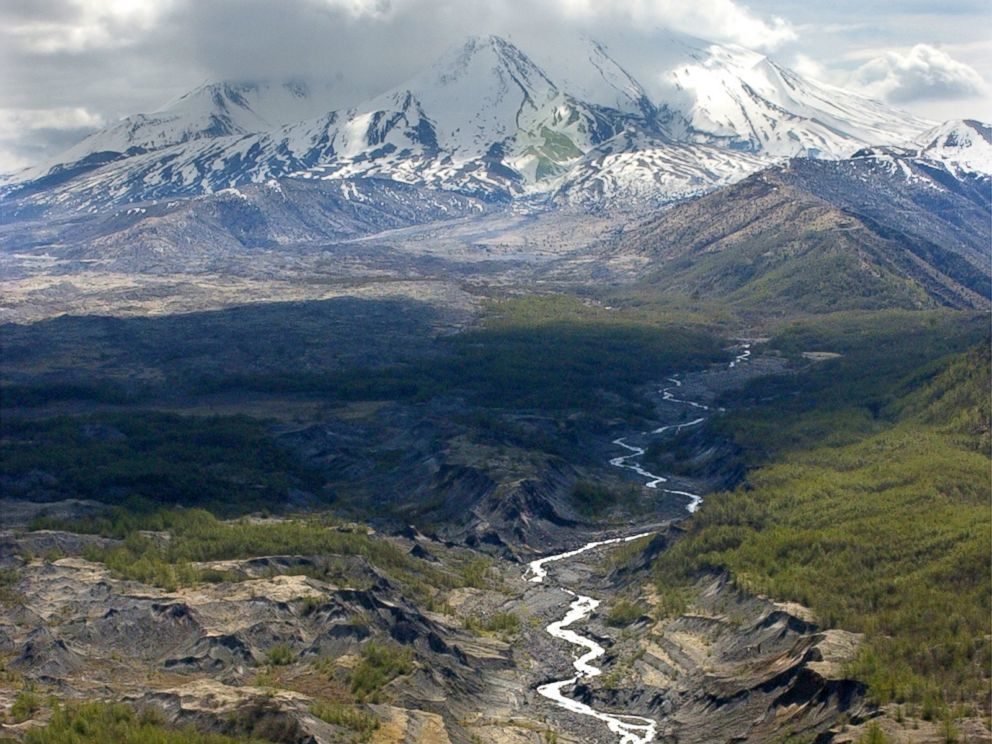
Mount St. Helens is recharging

Mt. Saint Helens
© Nicholas George/The Chronicle/AP PhotoMount St. Helens
Mount St. Helens erupted on May 18, 1980, after two months of increasing volcanic activity.

Since its most recent eruption in 2008, there has been a swarm of earthquakes, which are thought to be a result of the magmatic system's "recharging," according to the Pacific Northwest Seismic Network.

Similar seismic swarms were detected during recharging periods before a small eruption in 2004 and through a period of volcanic activity that ended in 2008.

In March through May of this year, swarms of deep earthquakes, not even felt on the surface, have been detected.

Seismic swarms do not directly indicate that an eruption is imminent, because volcanic forecasting is difficult, according to the U.S. Geological Survey.

The 1980 eruption is widely considered the most disastrous volcanic eruption in U.S. history. It killed 57 people and destroyed hundreds of homes, 57 bridges and some 200 miles of roads, in addition to leveling tens of thousands of acres of forest.

Comment: Signs of activity surface at Mount St. Helens as 10th anniversary of last eruption nears


Snowflake

Spring storm delivers snow to the Colorado mountains

A strong thunderstorm band swept through the Denver area between 9 and 10 p.m., bringing heavy rain, up to an inch per hour in some areas, along with hail in some spots, according to the National Weather Service.
© Denver 7A strong thunderstorm band swept through the Denver area between 9 and 10 p.m., bringing heavy rain, up to an inch per hour in some areas, along with hail in some spots, according to the National Weather Service.
Rain, heavy at times, drenched downtown Denver on Wednesday night as hail pelted several areas in northern Colorado and snow fell in the mountains.

A strong thunderstorm band swept through the Denver area between 9 and 10 p.m., bringing heavy rain, up to an inch per hour in some areas, along with hail in some spots, according to the National Weather Service.

Pea-size hail fell in the Dacono area along the I-25 corridor north of Denver at about 8:50 p.m. to a depth of 4 inches, according to the weather service.

Snow levels along the Wyoming state line dropped down to 7,500 feet in elevation about 8 p.m. Wednesday.

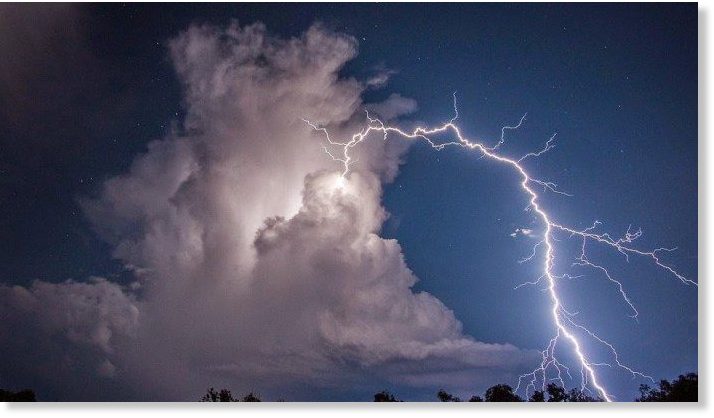
Lightning flashed across the night sky Wednesday as rain and hail swept through the area.


Info

World Meteorological Organization reveals all-time deadliest extreme weather events

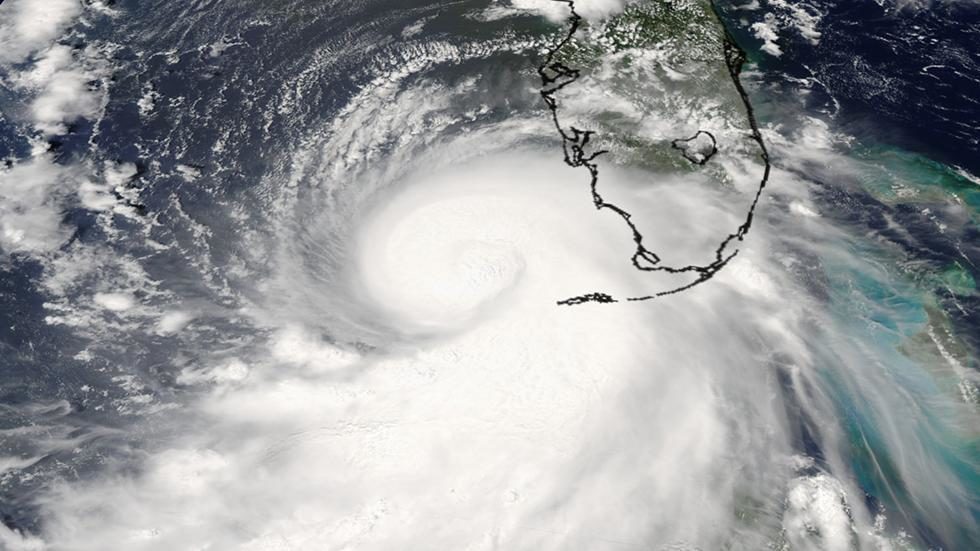
Hurricane Katrina
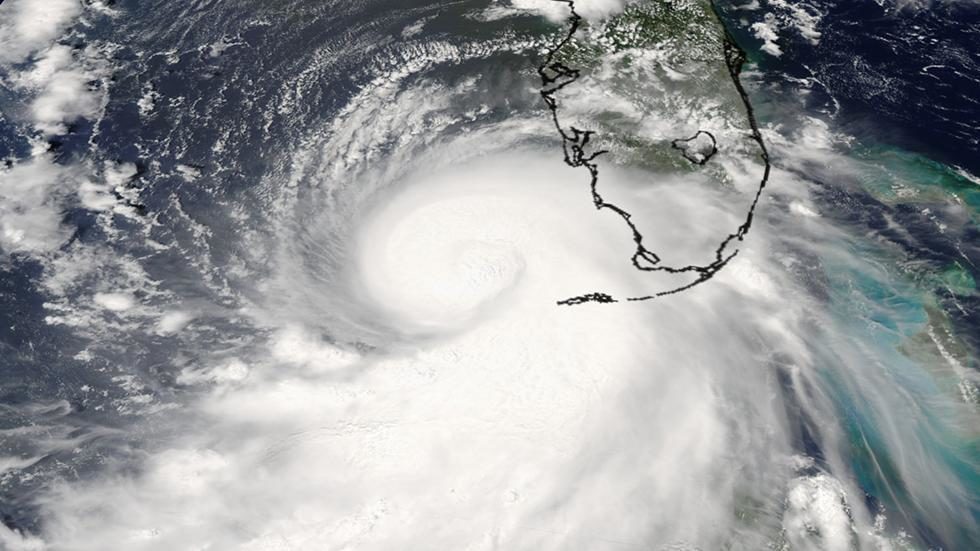
© NASAHigh-resolution satellite image of Hurricane Katrina on August 26, 2005 from the NASA Aqua satellite.
For the first time in its history, the World Meteorological Organization has released world records of the human toll from extreme weather events.

In a press release sent to weather.com Thursday, WMO says it is releasing world records for the highest reported historical death tolls from tropical cyclones, tornadoes, lightning and hailstorms. Previously, the official WMO Archive of Weather and Climate Extremes kept only temperature and weather records to address the impacts of specific events.

Randy Cerveny, Arizona State University professor of geographical science and urban planning, is the chief Rapporteur of Climate and Weather Extremes for WMO. In other words, Cerveny is the "keeper of the world's weather extremes."

"In today's world, it seems like the latest weather disaster is the worst," Cerveny said. "Knowing exactly how bad various types of weather have been in the past has been an integral part of preparing for the future."

Cerveny said you often hear that a storm like Hurricane Katrina, which barreled through the Bahamas before devastating the U.S. Gulf Coast in 2005, was the deadliest tropical cyclone/hurricane to have ever occurred.

"While Katrina was bad — more than 2,000 died — it pales in comparison to the tropical cyclone that hit the area of present-day Bangladesh in 1970, that killed an estimated 300,000 people," Cerveny said. "This type of extreme (mortality totals) provides a very useful set of baseline numbers against which future disasters can be compared."

WMO Secretary-General Petteri Taalas said this type of record-keeping is important because "extreme weather causes serious destruction and major loss of life."

Snowflake

Snowstorm in mid-May snaps trees, cuts power in Missoula, Montana; 5 inches of snow reported

Downed tree
© NWS MissoulaDowned tree
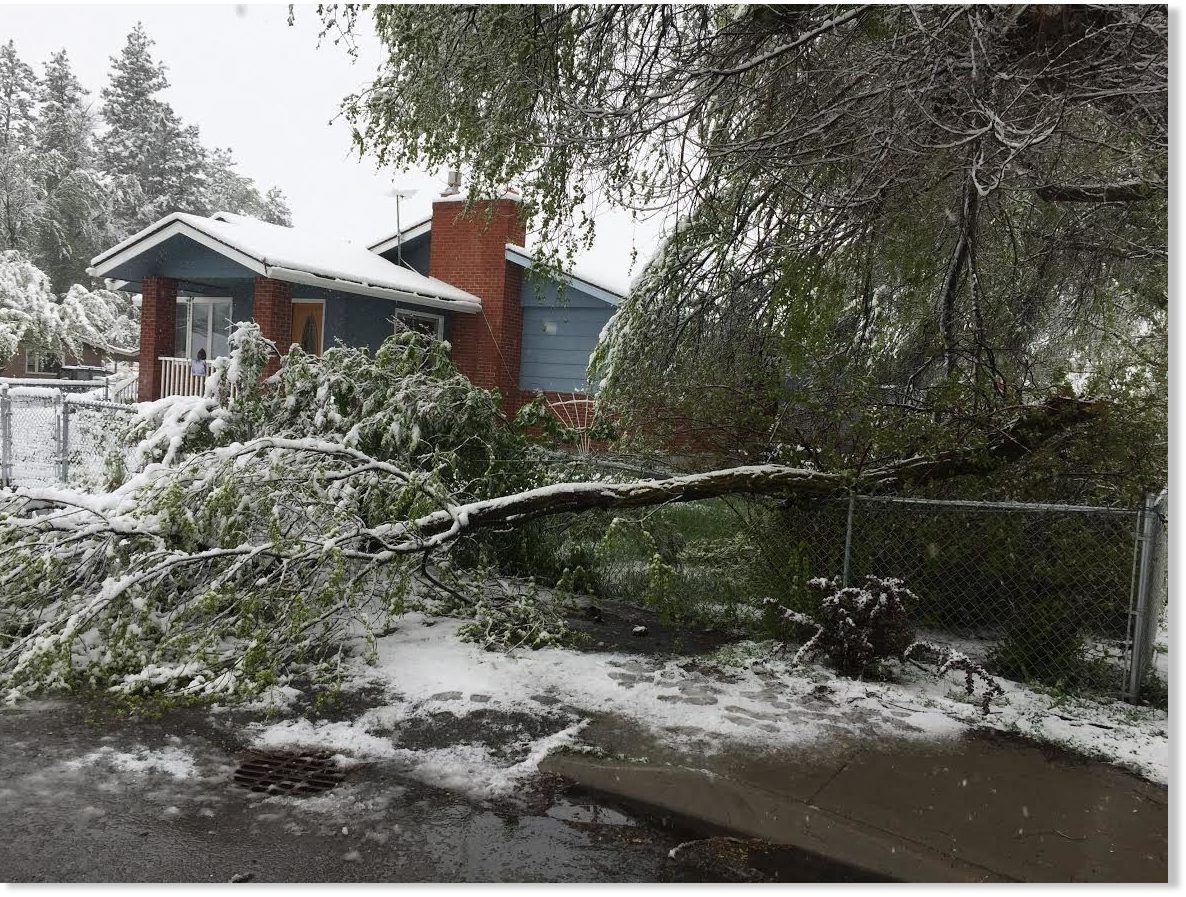
Missoulians awoke to snapped tree limbs, smothered shrubs and intermittent power outages on Wednesday as a slow-grinding snowstorm delivered as forecast.

Utility vehicles were scrambling up Rattlesnake Drive, where dozens of branches were down across power and communications wires.

For fallen trees and limbs that are not blocking a street or threatening power lines, Missoula residents can call the City Park Operations Office at 552-6253. Those with fallen tree limbs blocking travel can call the City Forester at 552-6270 to get a crew out as soon as possible.

National Weather Service volunteer observers reported 5 inches of snow in many places around Missoula.


Apple Green

Crop losses you didn't hear about over the last few months

Some Alberta farmers are facing challenges as they seed after a wet spring and harvest crops that were snowed under last year.
© Mike Symington/CBCSome Alberta farmers are facing challenges as they seed after a wet spring and harvest crops that were snowed under last year.
Over the last few months there have been record days of limit up futures trading and latest harvests on record in Canada, delayed planting and shortages of vegetables and fruits globally, but that doesn't make the news very often. These area handful of stories I had in my notes from the first part of 2017.


Sources

Cloud Lightning

Lightning strikes have killed 62 people in Bangladesh so far in 2017

infograph

Bangladesh has seen an alarming rise in deaths caused by lightning strikes in recent years, yet the government has failed to devise an effective plan to help reduce the risk.

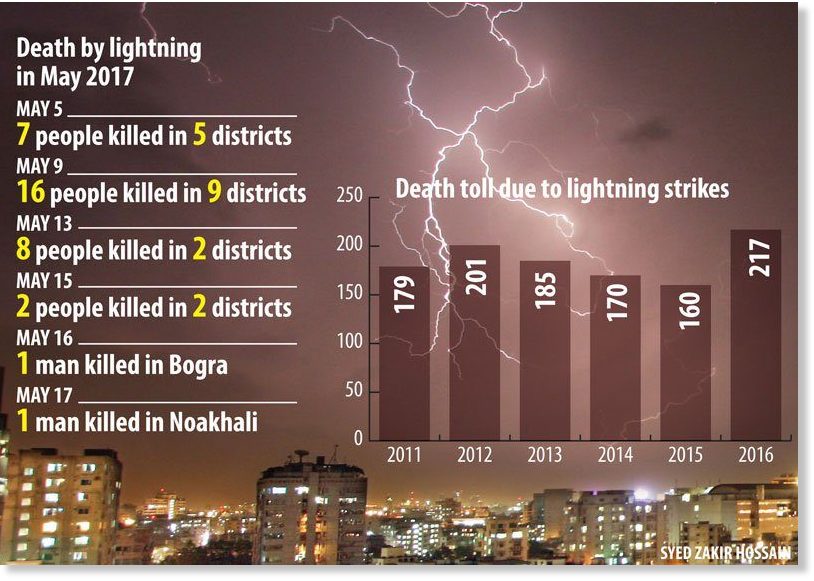
The government declared lightning a major disaster after 217 people were killed by strikes in 2016 alone. So far this year, the Ministry of Disaster Management and Relief says 62 people have reportedly died, bringing to 1,174 the number of people killed by lightning since 2011.

Experts believe a lack of preventive measures is a major reason for the high death rate.

"People in urban areas are vulnerable to lightning as most buildings do not have a lightning prevention system, even though it is mandatory under Bangladesh National Building Code," said Gawher Nayeem Wahra, director of Brac's Disaster Management and Climate Change programme.

Cloud Lightning

2 buffaloes killed by lightning bolt in Rajouri, India

Lightning
Two buffaloes were killed due to lightning incident in Darhal area of district Rajouri this evening.

A police spokesman said that it was raining with thunder storm and lightning in the area in the afternoon today.

A strong beam of flash light from the sky hit the two cattle of one Abdul Rashid, son of Abdul Aziz at village Thanna Maang at 5.45 pm today, killing the both on the spot.

Tornado2

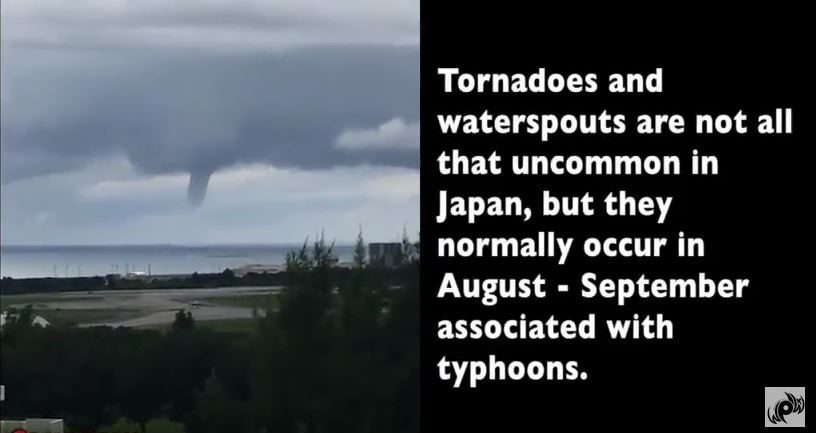
Rare waterspout captured in Okinawa, Japan (VIDEO)

waterspout in Okinawa, Japan
© YouTube/WestPacWx (screen capture)

Arrow Up

2 volcanoes erupt just hours apart in Aleutian Islands, Alaska

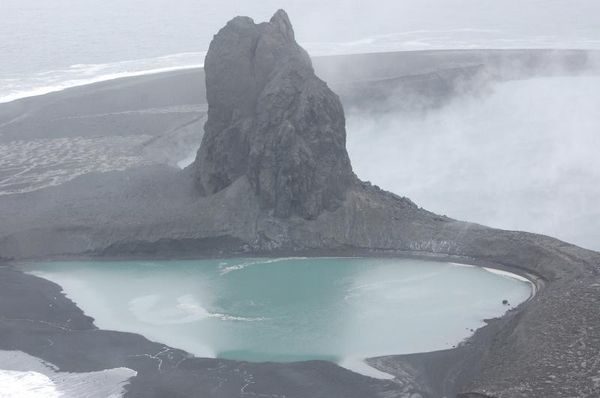
Bogoslof Island eruption
© U.S. Coast Guard Air Station Kodiak and Coast Guard Cutter MellonSmall side vent on the northwest shore of Bogoslof Island formed during one of the later eruptions. Waves can now spill over a section of beach into this small pool.
An eruption at Bogoslof volcano - one of two to erupt in the Aleutian Islands Tuesday - is its first after more than two months of inactivity, causing ash to fall in a nearby community before drifting south over the Pacific Ocean.

The Alaska Volcano Observatory said Tuesday night's eruption at the volcano about 60 miles west of Unalaska, which began just after 10:30 p.m. and lasted for 73 minutes, sent a plume to an altitude of 34,000 feet.

By midday Wednesday, a lack of further activity caused AVO to lower Bogoslof's aviation color code to "orange" and its alert level to "watch" — down from the more severe "red" and "warning" levels. Staff cautioned in an update that "(a)dditional ash-producing eruptions could occur at any time, however, with no detectable precursors."

Hans Schwaiger, a geophysicist at the observatory, said a pilot spotted ash from the eruption Tuesday night. Although Bogoslof's last previous eruption was March 8, Tuesday's blast is still part of the same eruption cycle that began at the volcano in mid-December.

"Each of these eruptive cycles can be months to many months," Schwaiger said. "It wasn't the strongest of the eruptions in this sequence."