Earth ChangesS


Ice Cube

A Holocene Temperature Reconstruction Part 1: the Antarctic

global temperature anomaly from the 1961-1990
© Figure 1
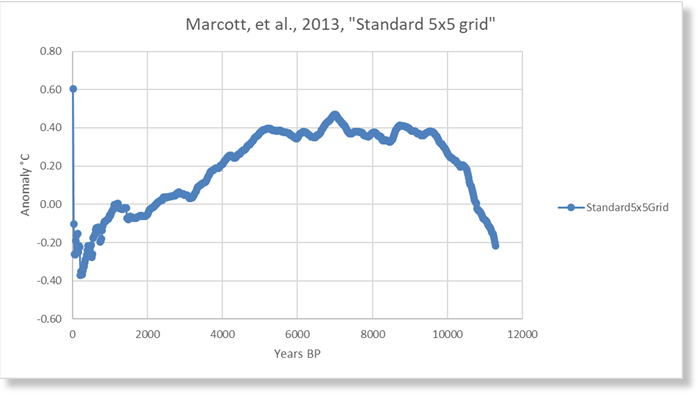
The only recent attempt at a global Holocene temperature reconstruction available today is the one by Marcott, et al. (2013), the paper abstract can be viewed here. His reconstruction is shown in figure 1.

The Y axis is a reconstructed global temperature anomaly from the 1961-1990 mean. "Years BP" are years before 1950. This reconstruction shows a fairly flat Holocene Climatic Optimum (or HCO, also called the Holocene Thermal Optimum, see description here) temperature anomaly of +0.4°C from 9500 BP to 5000 BP, declining to a low of -0.4°C about 300 BP (1650 AD) in the Little Ice Age (LIA). This 0.8°C difference between the HCO and the LIA is smaller than the generally accepted difference of 1°C to 1.5°C.

This is documented in some detail by Javier here. The higher accepted difference is clear in glacial records as shown by Koch, et al., 2014 (link). It can also be seen in the biosphere as shown by Kullman 2001 (link); Pisaric et al. 2003 (link); MacDonald et al. 2000 (link); Tinner, et al. 1996 (link) and Thouret et al. 1996 (link)). Further, the marine biosphere also shows a larger temperature difference as seen in Werne et al., 2000 (link) and Rosenthal et al., 2013 (link).

Bizarro Earth

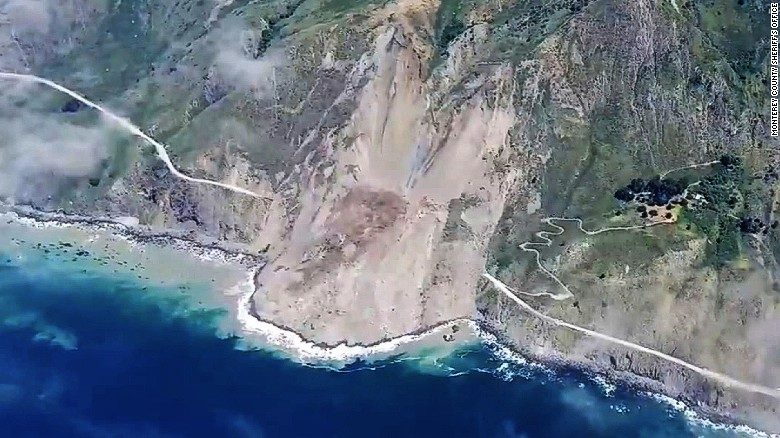
Massive landslide engulfing California Highway 1 added 13 acres to the coastline

big sur landslide
A massive landslide that engulfed Central California's Highway 1 has added 13 acres to the coastline.

Based on new aerial photographs, the May 20 slide in Big Sur created a bulge of land the size of 10 football fields, the East Bay Times reported Wednesday.

After a series of winter storms, more than 1 million tons of rock and earth slipped down a saturated slope in the Mud Creek area.

A quarter-mile of Highway 1 was covered by as much as 80 feet of stone and soil at its deepest point, Jonathan Warrick said. He is a U.S. Geological Survey research geologist who is leading a project to photograph the coast.

Comment: See also: Massive landslide buries California's iconic coastal Highway 1 under 40 feet of rock and dirt


Bizarro Earth

An earthquake in the Arctic Circle?

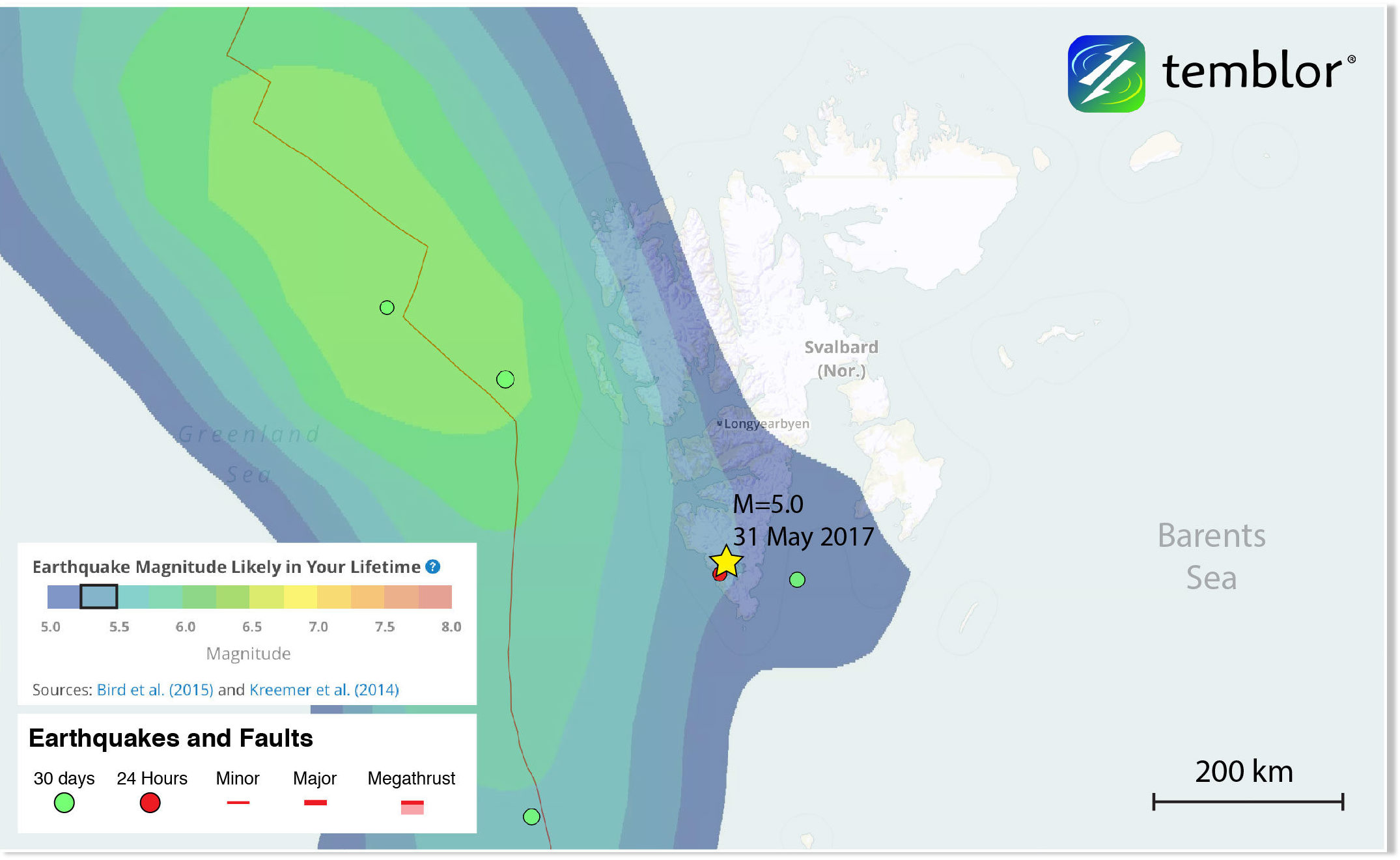
Global Earthquake Activity Rate (GEAR) model for Svalbard
This Temblor map shows the Global Earthquake Activity Rate (GEAR) model for Svalbard in the Arctic Circle. This map shows that today’s M=5.0 earthquake (magnitude from the USGS) should not be considered surprising and that the region could experience larger quakes.
At 3:59 p.m. local time, a M=5.0 earthquake shook the island of Spitsbergen, the largest island in the Svalbard archipelago in the Arctic Circle. According to the USGS, the quake occurred at a depth of 7.7 km, and was centered 133 km from Longyearbyen, the archipelago's largest settlement, which is home to a little over 2,000 people. This M=5.0 quake was preceded several hours earlier by a M=3.0. While very few people likely felt this earthquake, it highlights a lesser-known area, and the idea that seemingly inactive faults can rupture in earthquakes.

The Svalbard archipelago represents an uplifted portion of the Barents Sea, which separates Svalbard from Northern Europe. To the west of the archipelago is the Mid-Atlantic Ridge, and the Spitsbergen Fracture Zone, a divergent plate boundary between the North American and Eurasian plates. Much of the seismicity in this part of the Arctic Ocean occurs on or near the Mid-Atlantic Ridge, which has a spreading rate of approximately 2.5 cm/yr (1 inch). However, by examining the historical seismicity of the island of Spitsbergen and the rest of Svalbard, it is clear that this remote archipelago is no stranger to earthquakes.

Fish

Deep sea fish missing for more than a century rediscovered off Sydney, Australia

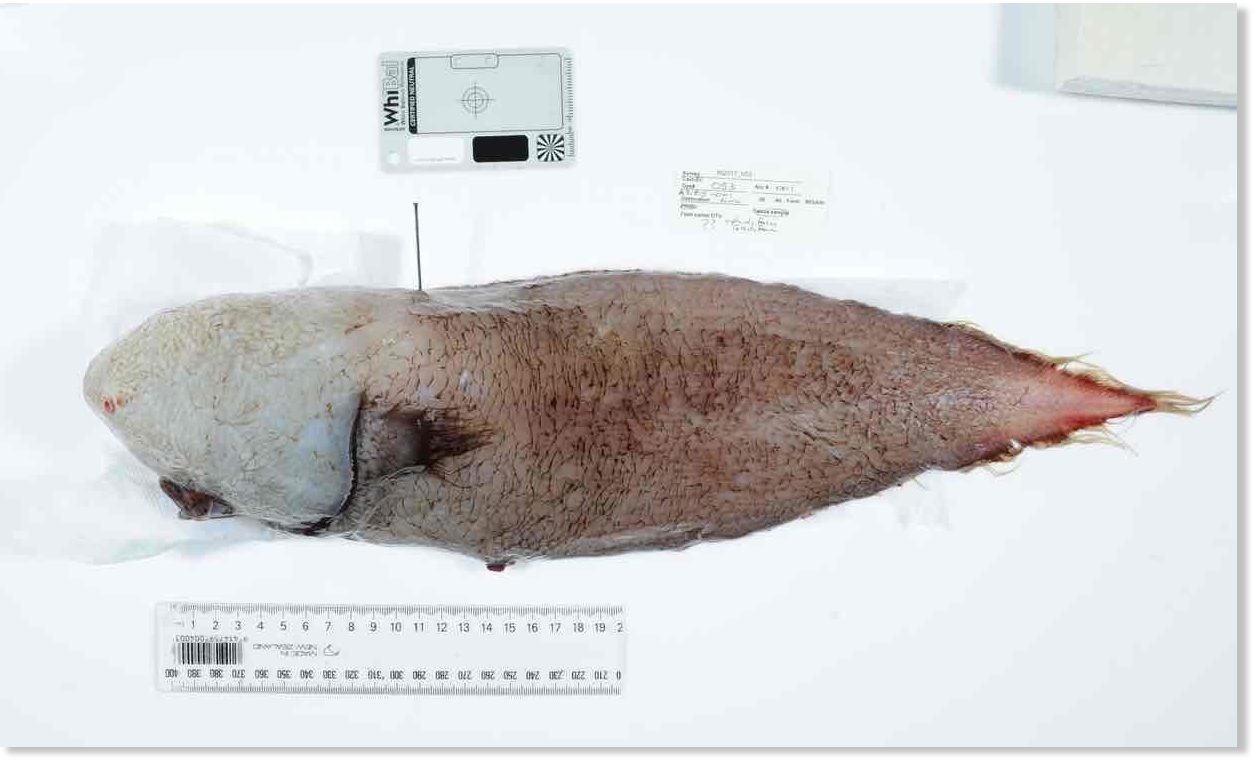
 The fish found by scientists from Museums Victoria and the Commonwealth Scientific and Industrial Research Organisation.
© John Pogonoski/AFP/Getty Images The fish found by scientists from Museums Victoria and the Commonwealth Scientific and Industrial Research Organisation.
A "faceless" deep-sea fish not seen for more than a century has been rediscovered by scientists trawling the depths of a massive abyss off Australia's east coast, along with "amazing" quantities of rubbish.

The 40cm fish was rediscovered 4km below sea level in waters south of Sydney by scientists from Museums Victoria and the Australian government's Commonwealth Scientific and Industrial Research Organisation (CSIRO) on the weekend.

Dr Tim O'Hara, the chief scientist and expedition leader, who is a senior curator of marine invertebrates at Museums Victoria, said it was the first time the fish had been seen in waters off Australia since 1873, when one was dredged up by a British ship near Papua New Guinea.


Cloud Lightning

7 people dead and 81 missing after cyclone Mora hits Bangladesh

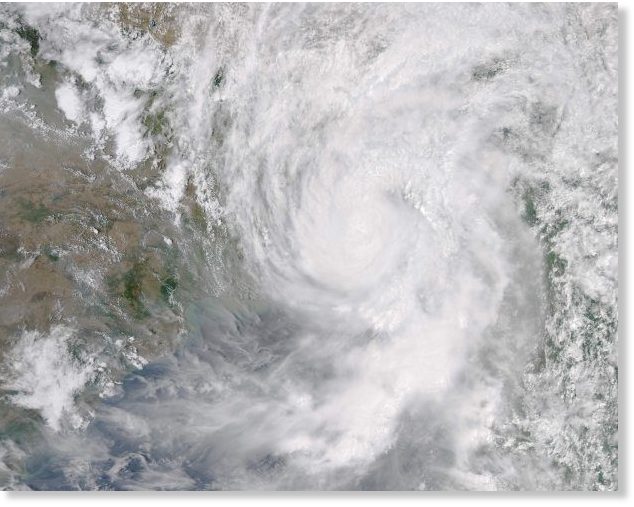
A satellite photo, taken by NASA, of Cyclone Mora as it caused devastation
© AFP/Getty ImagesA satellite photo, taken by NASA, of Cyclone Mora as it caused devastation
A major search and rescue mission is underway for 81 people still missing from a devastating cyclone that killed at least seven people.

Cyclone Mora, which ravaged the north east with 85mph winds, also injured 50 and left thousands of people destitute and homeless in Bangladesh and northeast India.

Among them are 81 fishermen from Cox's Bazar, a sliver of land in southeast Bangladesh bordering Myanmar.

The men have not been seen since the cyclone first ravaged the area on Tuesday.

'Still 81 fishermen are missing out of 144 fishermen,' Mostaque Ahmed, head of the Cox's Bazar Mechanised Fishing Boat Owners Association, said.

'The Bangladesh Naval Force has rescued 33, and the Indian Naval Force has rescued 30.'


2 + 2 = 4

One graph proves why the 'Paris Agreement' is useless

Global Warming Hoax Climate Change
Activists think the world will be uninhabitable for our children if the U.S. pulls out of the Paris Climate Accord. For example, via Vox
Quitting the Paris climate agreement would be a moral disgrace

President Trump is selling out our kids to give false hope to coal workers. [...]

There is no employment upside to an "America First" retreat from global leadership on one of the few issues that can accurately be described as a potentially existential threat to humankind.

There is only the profound immorality of abdication — of gleefully passing a mounting problem on to our children, and on to the poor.

Comment: Further reading: Climate Change - It's all about the money


Bizarro Earth

Rare tidal wave hits beach at Zandvoort, Netherlands

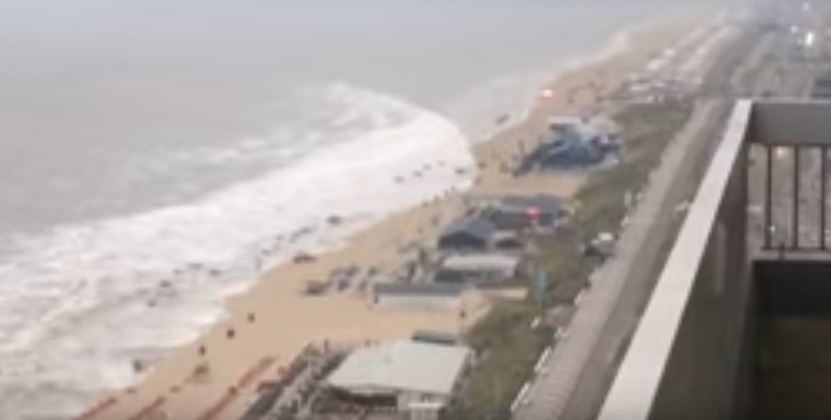
Zandvoort tidal wave
© YouTube/Jan Koning (screen capture)
A rare tidal wave caught on camera early in the morning. Location: Zandvoort Noord-Holland, Netherlands.


Tornado2

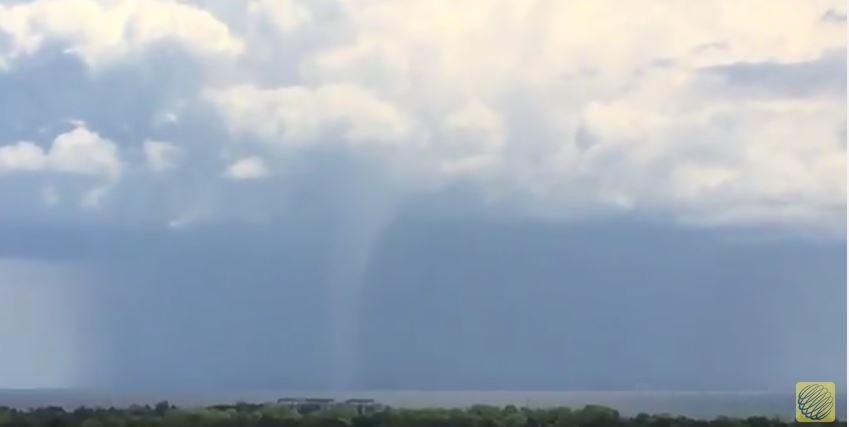
Waterspout look-alike 'hail shaft' captured on camera near Toronto

Hail Shaft in Canada
© YouTube/The Weather Network (screen capture)
Called a hail shaft, it's created when intense rain is combines with hail and a strong downdraft.


Cloud Precipitation

Six feared dead as floods sweep Marsabit, Kenya

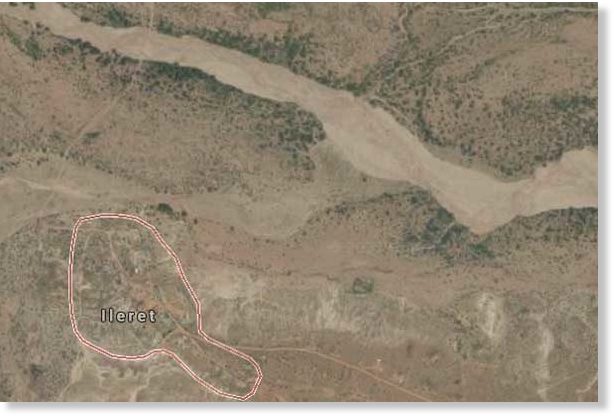
A map of Illeret, Marsabit County Kenya
© GoogleA map of Illeret, Marsabit County, where four people are feared dead after floods hit the area.
Six people are feared dead after floods hit Illeret ward in Marsabit County. Heavy rains have been pounding the area since Monday night, causing River Illeret to burst its banks.

Speaking to the Nation on Wednesday, Illeret Location Chief Michael Moroto said a woman, her three sons and two other children drowned in the floods on Monday and Tuesday nights. He said more than 40 houses had been swept away by the waters.

Some villagers were forced to climb trees to avoid being swept away by the raging waters. James Korie, an MCA aspirant from the area, said at least 900 goats had been swept away and the area was inaccessible.

Cloud Precipitation

Philippines' Maguindanao town in state of calamity as floods from nonstop rains swamp villages

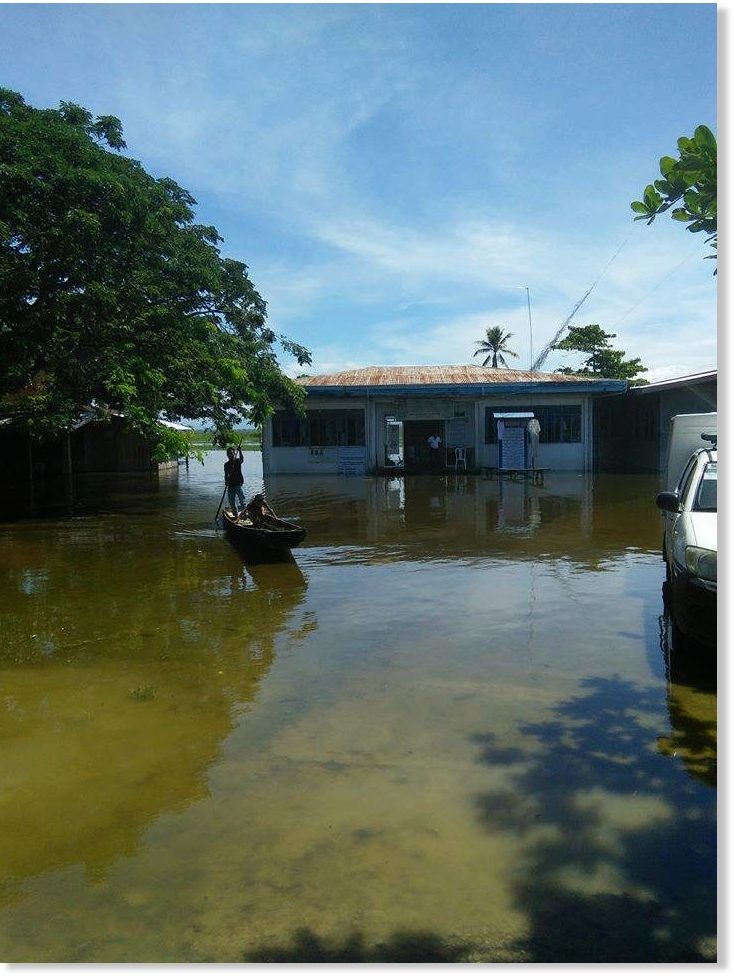
Maguindanao flooding
© MOTHER KABUNTALAN P.N.P.Mother Kabuntalan town in Maguindanao province is a virtual waterworld, with 17 barangays under water and nearly 4,000 families displaced by floods.
The town of Mother Kabuntalan in Maguindanao has been placed under a State of Calamity after floods from nonstop rains displaced at least 3,586 families.

According to Mother Kabuntalan Administrator Anwar Salik, at least 17 barangays in the town are under water, including key facilities such as the Municipal Hall, PNP station and several schools.

The local government unit said it was constantly monitoring the situation to determine those needing help to move to dry areas or get relilef.