On
June 15th, two young Ukrainians were found guilty of conspiring to carry out arson attacks on two homes and a vehicle intimately connected to former British Prime Minister Keir Starmer. Curious details of the trial unreported in the mainstream, and a post-conviction propaganda blitz led by the
BBC blaming Russian intelligence actors for directing the pair's incendiary crimes, raise a number of ominous questions about precisely what happened, and why. The scandal has only grown more perplexing in the wake of
Starmer's resignation.
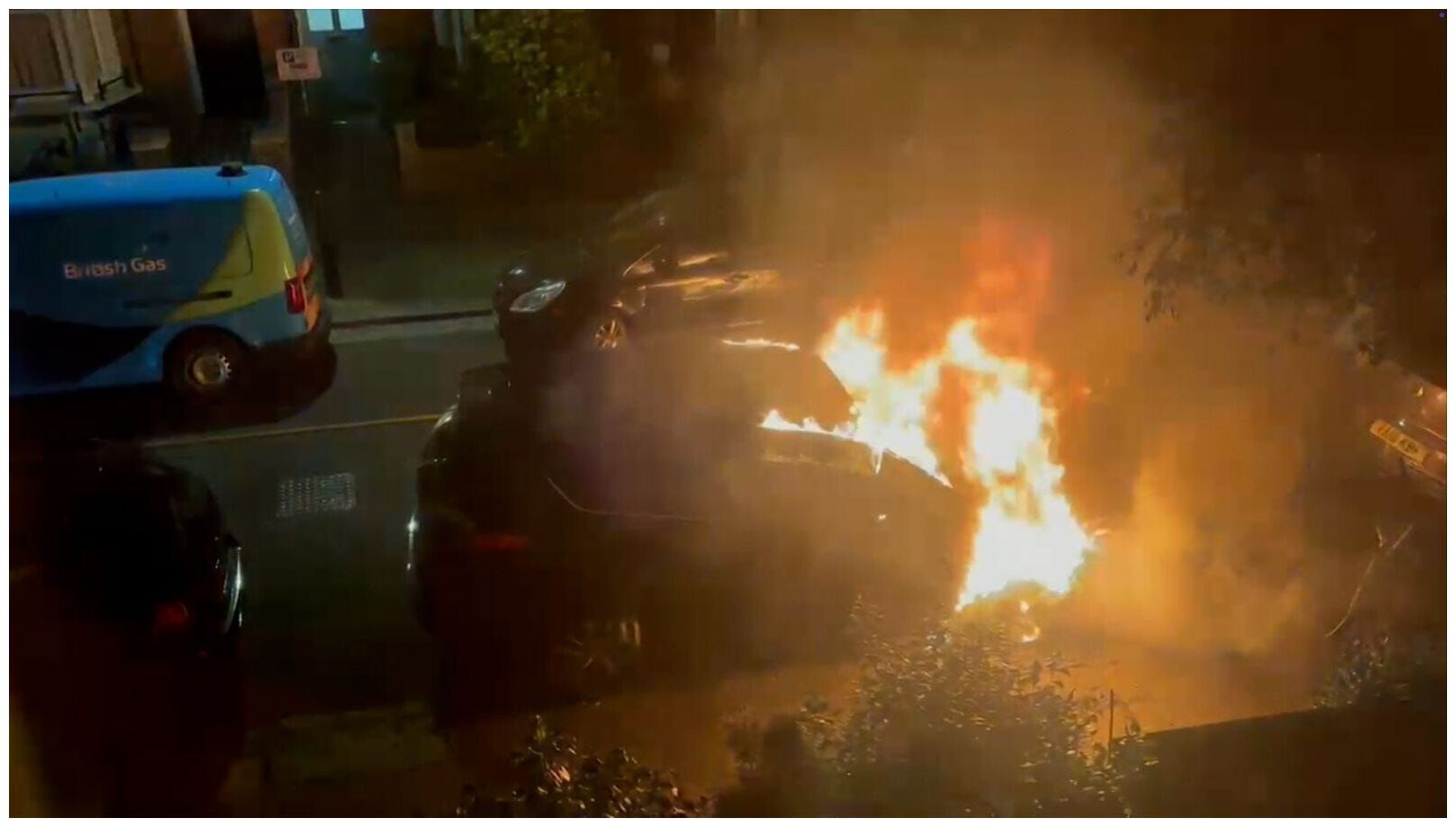
On May 8th 2025, a Toyota car previously owned by Starmer was
set ablaze in north London, not far from where he'd previously resided. Three days later, flats in Islington Starmer managed years previously were similarly put to the torch, then on May 12th a home where he once resided now leased to his sister-in-law was also set ablaze. That same day, 22-year-old Ukrainian national Roman Lavrynovych
was arrested by British police for his purported role in the arson.
Despite the Prime Minister being personally targeted in a highly organised, repeated and potentially lethal manner, major news outlets within and without the country exhibited
bizarrely muted interest. Starmer describing the incidents in parliament on
May 14th that year as "an attack on all of us, on democracy and the values that we stand for" - condemnation Conservative and Liberal Democrat politicians echoed - elicited some headlines. However, basic facts about the case, and discussion of its obvious potential national security implications, remained stubbornly unforthcoming.
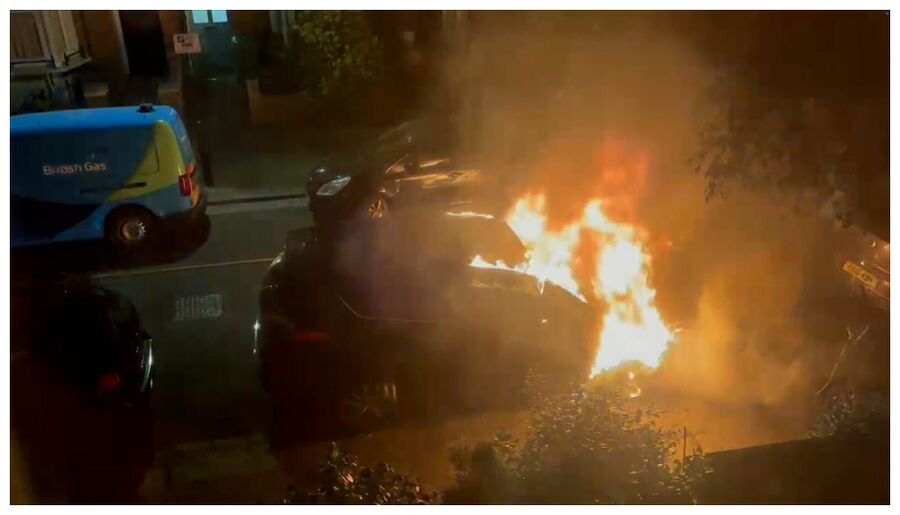
© Global DelinquentsKeir Starmer’s Toyota car ablaze'
This seeming omerta endured when on
May 17th, 26-year-old Ukrainian-born Romanian national Stanislav Carpiuc was arrested at Luton airport for his role in the attacks, attempting to flee.
Four days later, 34-year-old Ukrainian national Petro Pochynok was arrested, accused of conspiring with Carpiuc, Lavrynovych, "and others unknown to damage by fire property belonging to another." The names and nationalities of two further individuals arrested in the case - a 48-year-old on
June 2nd that year, and a 19-year-old in
January 2026 - were never released.
Police investigations into these anonymous suspects were eventually dropped, without fanfare. Who they were, why they became subjects of interest, and the grounds for their elimination from enquiries, hasn't been revealed and wasn't discussed at trial. There were apparently no "others unknown" with whom Carpiuc and Lavrynovych colluded after all. Pochynok was acquitted, successfully arguing he was "deceived" by the pair and had no idea they intended to start fires with his help. Notably, all three
were charged with mere arson,
not national security offences.
This aspect is striking, given when the trial commenced on April 28th, prosecution lawyers
immediately declared the trio's arson assault was directed by a Russian-speaking Telegram user, for cash. The December 2023
National Security Act grants British authorities sweeping powers to severely punish people who break the law at the behest of "hostile states". Repeatedly since the Starmer-linked attacks, British citizens have
been jailed for national security offences after being recruited to commit crimes, including arson, via Telegram by supposed Russian actors.
All along, alarm has
been sounded about Iranian intelligence using Telegram for similar purposes, in particular "[hiring] anyone who can harm Israeli interests or individuals" in Britain.
Yet, a coordinated criminal conspiracy targeting the Prime Minister, which required access to sensitive private information on Starmer not readily available to average citizens, allegedly orchestrated by a malign foreign actor, mysteriously didn't qualify as national security-related. Moreover, jurors and the public alike were strictly prohibited from learning anything about the group's alleged recruiter.













Comment: Trust that comes at a very high price, erodes tomorrow. Israel bought time.