OF THE
TIMES
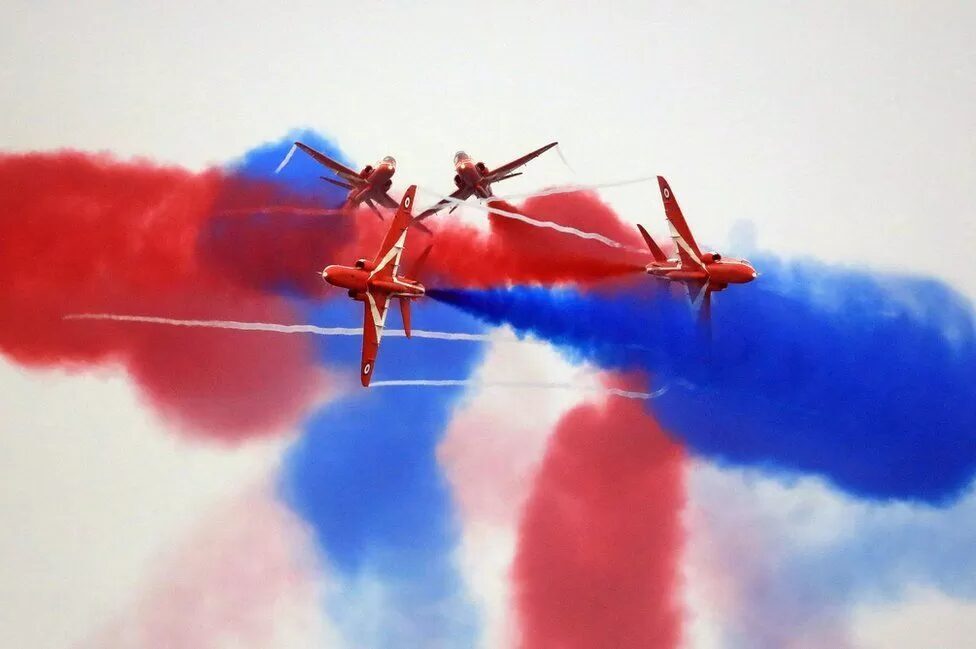
The Sunderland Airshow has been cancelled indefinitely as a council says it wants to make the city carbon neutral.
The popular event, which attracted hundreds of thousands of spectators to Roker, was last held in 2019.
Subsequent dates were cancelled due to the coronavirus pandemic.
Council leader Graeme Miller said the city would host other events, including the World Triathlon Championship next year.
He said residents wanted "to see new and different events" which the council hoped would "inspire more people to become physically active".
A council spokeswoman said: "In light of the new approach to events and the council's ambitions to be carbon neutral by 2030 and the city's to be carbon neutral by 2040, the council has confirmed it has no plans to run the Sunderland Airshow in the future."
Mr Miller said: "Residents have identified the environment as one of their top concerns and both the council and the city have committed to tackling the global climate emergency by reducing carbon emissions.
"This makes it all the harder to justify events such as the airshow, which generate large amounts of carbon, going ahead in the future."
If "zero Russian gas" flowed in to the EU, as Brussels intends, "I think the problem is going to be huge and for a very long time," he said.
"You just don't have enough volume to bring [in] to replace that gas for the long term, unless you're saying 'I'm going to be building huge nuclear [plants], I'm going to allow coal, I'm going to burn fuel oils'," the minister explained.


BBC prepares secret scripts for possible use in winter blackoutsThat they're mentioning food shortages should be a cause for alarm. Although it shouldn't be surprising, because officials across the planet have been warning that our planet is facing food shortages of catastrophic proportions.
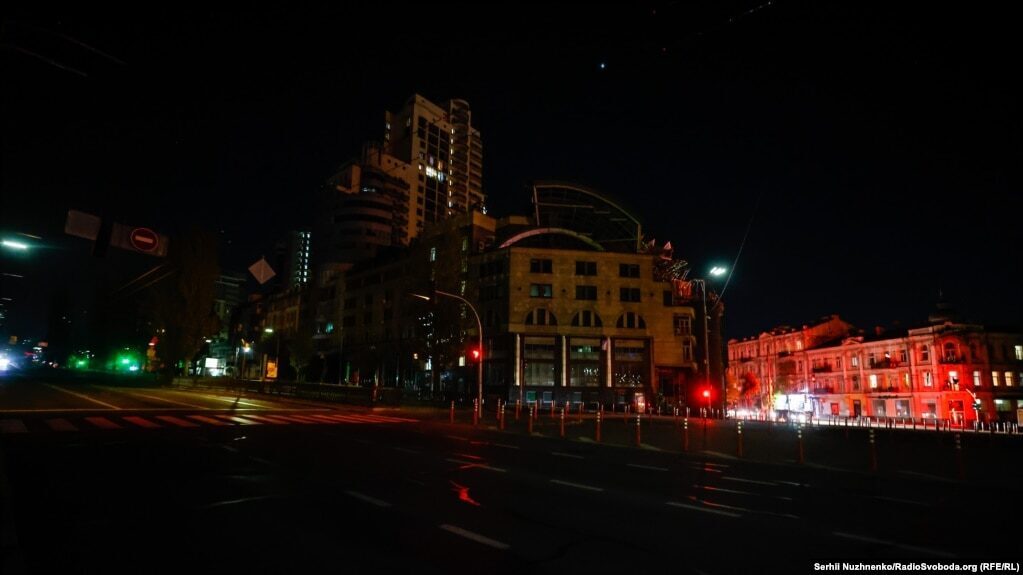
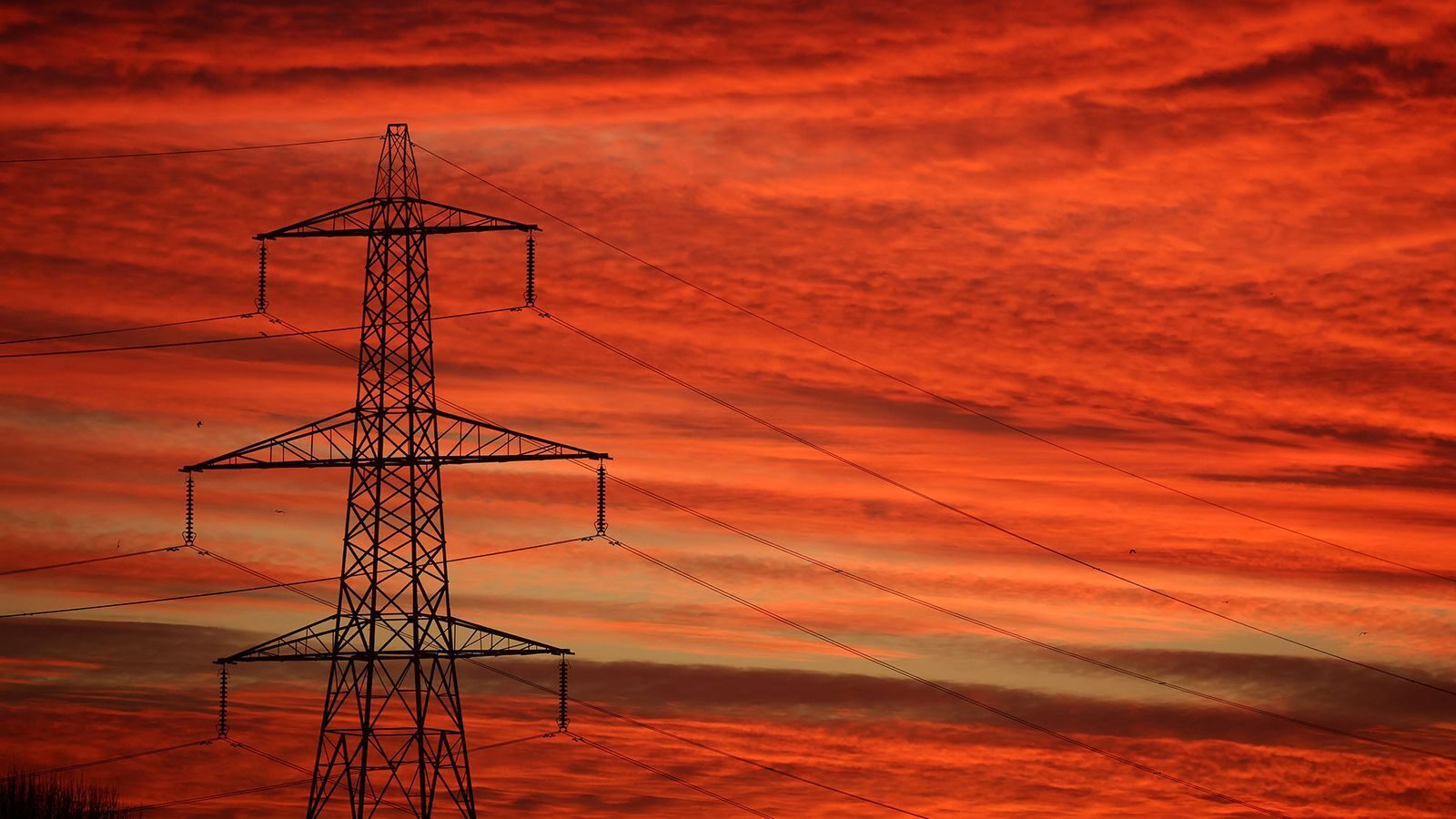
The scripts, seen by the Guardian, set out how the corporation would reassure the public in the event that a "major loss of power" causes mobile phone networks, internet access, banking systems or traffic lights to fail across England, Wales and Scotland. Northern Ireland would be unaffected because its electricity grid is shared with the Republic of Ireland.
The public would be advised to use car radios or battery-powered receivers to listen to emergency broadcasts on FM and long-wave frequencies usually reserved for Radio 2 and Radio 4.
One draft BBC script warns that a blackout could last for up to two days, with hospitals and police placed under "extreme pressure".
Another says: "The government has said it's hoped power will be restored in the next 36 to 48 hours. Different parts of Britain will start to receive intermittent supplies before then."
It is understood they were written by BBC journalists as part of routine emergency planning to deal with hypothetical scenarios. They include local details for the different regions and nations of Britain.
In a national emergency, the BBC has a formal role in helping to spread information across the country, as part of the government's civil contingencies planning. The broadcaster's governance framework states: "If it appears to any UK government minister that an emergency has arisen, that minister may request that the BBC broadcast or otherwise distribute any announcement or other programme."
The government works with the BBC as part of its emergency planning process, although it is unclear whether it had any input on these scripts. A spokesperson said: "The government is confident that this is not a scenario we will face this winter."
The BBC said it did not comment on its emergency broadcasting plans.
Ministers have been at pains to reassure businesses and householders that blackouts are unlikely.
It's actually the opposite, because, as it is, ministers have done nothing to shore up alternative supplies for the country.
On Monday, National Grid's chief executive, John Pettigrew, went further and said that if everything that could possibly go wrong did go wrong, there could be rolling blackouts between 4pm and 7pm on "really, really cold" days in January and February, when wind speeds are too low to power turbines.
The BBC's draft scenario suggests that in a national blackout it would run a greatly reduced temporary radio service from the UK's emergency broadcasting centre, called the EBC, based in a rural location not acknowledged by the BBC.
This would provide half-hourly news bulletins on Radio 4's FM and long-wave frequencies and a "music service", with news updates on the FM spectrum used by Radio 2.
One scenario used in some of the scripts assumes that mains electricity is available in only a few lightly populated parts of Scotland - the Western Isles, Orkney and Shetland, and some parts of the Highlands.
The draft scripts for on-air news bulletins include space for a quote from a Cabinet Office minister, given the fictitious name Jose Riera.
The scripts report that these blackouts would affect gas supply systems, and knock out mobile phone networks, cashpoints and internet access. Traffic lights would stop working, causing disruption on the roads.
One script, written for a hypothetical news bulletin, warns: "The emergency services are under extreme pressure. People are being advised not to contact them unless absolutely necessary."
Lockdowns are looking more and more like a dress rehearsal.
It states that in Wales an emergency coordination centre has been set up, while in Scotland the first minister, Nicola Sturgeon, is chairing the devolved government's emergency planning meeting. It adds: "Officials are saying there is no current risk to food supply and distribution. But they're asking people to look out for vulnerable neighbours and relatives."
Comment: Bancel is probably feeling rather secure in speaking so frankly since the CDC has just voted to add Covid mRNA shots to the childhood vaccine schedule.