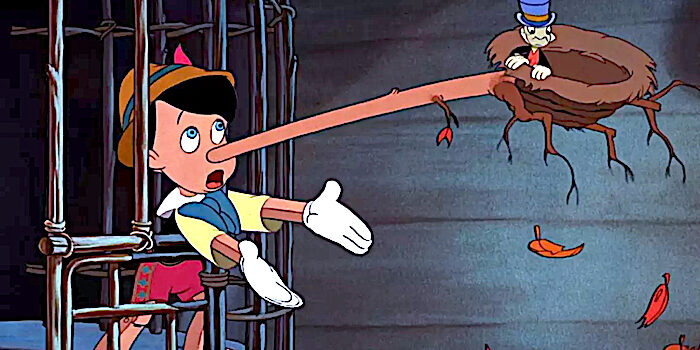
© Unknown
Trust the Authorities, trust the Experts, and trust the Science, we were told. Public health messaging during the COVID-19 pandemic was only credible if it originated from Government health authorities, the World Health Organisation and pharmaceutical companies, as well as scientists who parroted their lines with little critical thinking.
In the name of 'protecting' the public, the
authorities have gone to great lengths to create an illusion of consensus about the appropriate response to COVID-19 - as
described in the recently released Twitter files that document collusion between the FBI and social media platforms. They suppressed '
the truth', even when emanating from
highly credible scientists, undermining scientific debate and preventing the correction of scientific errors. In fact,
an entire bureaucracy of censorship has been created, ostensibly to deal with so-called MDM -
misinformation (false information resulting from human error with no intention of harm);
disinformation (information intended to mislead and manipulate);
malinformation (accurate information intended to harm). From fact checkers like
NewsGuard, to the European Commission's
Digital Services Act, the U.K.
Online Safety Bill and the BBC
Trusted News Initiative, as well as
Big Tech and social media,
all eyes are on the public to curtail their mis- and dis-information.Tim Davie, Director-General of the
BBC, says:
"Whether it's a threat to our health or a threat to our democracy, there is a human cost to disinformation."
But is it possible that 'trusted' institutions could pose a far bigger threat to society by disseminating false information?










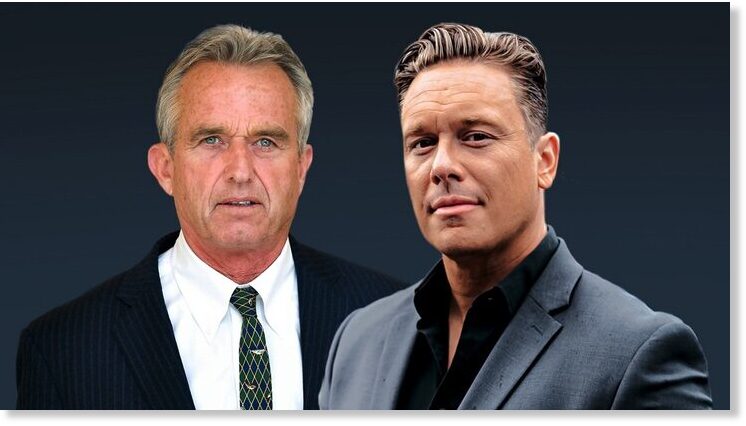




Comment: See also: Ben Swann & independent media announce historic lawsuit led by RFK Jr. against media giants