
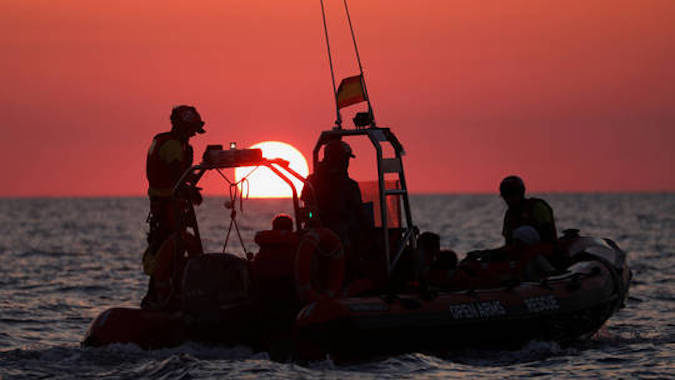
© Reuters / Yannis BerhakisThe migration blame game follows the ratification earlier this month of the controversial UN global migration pact, which saw several countries back out of signing at the last minute and has sparked internal turmoil in many signatory nations.
An explosion in migrants attempting to illegally reach the UK by crossing the English Channel in small boats has European and UN authorities scrambling for someone to blame. UK Home Secretary Sajid Javid declared the crossings a "major incident" and was forced to curtail his South African holiday to consult his French counterpart on how to address the issue before it spirals out of control.
With more than 221 migrants attempting the crossing since the beginning of November and almost 100 of those since Christmas, the fear is migrants will begin dying at sea in the north as they have in the Mediterranean, where more than 17,700 people have perished trying to cross into Europe in the past four years. Many of the migrants who have washed up on UK shores have been suffering from hypothermia.















Comment: Behaving like an unhinged harpy will certainly go far in advancing the transgender movement.